Sending Flowers to Topki from Abroad? Here Is What to Actually Expect
Topki is a quiet Kemerovo Oblast town that most international flower services have never heard of, which means your order either arrives beautifully or not at all. When you are sitting in Berlin, Toronto or Dubai trying to surprise someone you love there, the distance feels enormous. It does not have to. With the right preparation — correct address format, a realistic delivery window, and a bouquet chosen for the Siberian climate — the flowers land fresh, the recipient is genuinely moved, and you feel the connection across every kilometre.
Why Topki Needs a Different Approach Than Moscow or Saint Petersburg
Topki sits in the Kemerovo region of Western Siberia, roughly 30 kilometres from Kemerovo city. It is not a metropolis, and that shapes everything about how a flower order should be planned. The town has real streets, real addresses and real people who appreciate a beautiful bouquet just as much as anyone in a capital city — but the logistics chain is longer and less forgiving of errors.
Temperatures in Topki drop well below freezing from November through March, often reaching minus 20 Celsius or colder. That is not a detail to skip. Flowers that travel unprotected in that cold arrive with blackened petals, collapsed stems or frost damage that no amount of warm water can reverse. A florist who knows Siberian winters wraps bouquets in insulating kraft paper and times the handoff to the recipient carefully, minimising the minutes the arrangement spends in open air.
Summer in Topki is short but genuinely warm, sometimes exceeding 30 Celsius in July and August. Heat brings its own risks — roses wilt fast, and lilies open ahead of schedule. The right variety choice and a cool-chain approach matter just as much in summer as in winter.
From abroad, you will not be managing any of this yourself. What you can do is choose a florist who has already thought through these conditions and does not treat Topki as an afterthought on a long list of Russian cities. That awareness is the first thing to look for before you place an order.
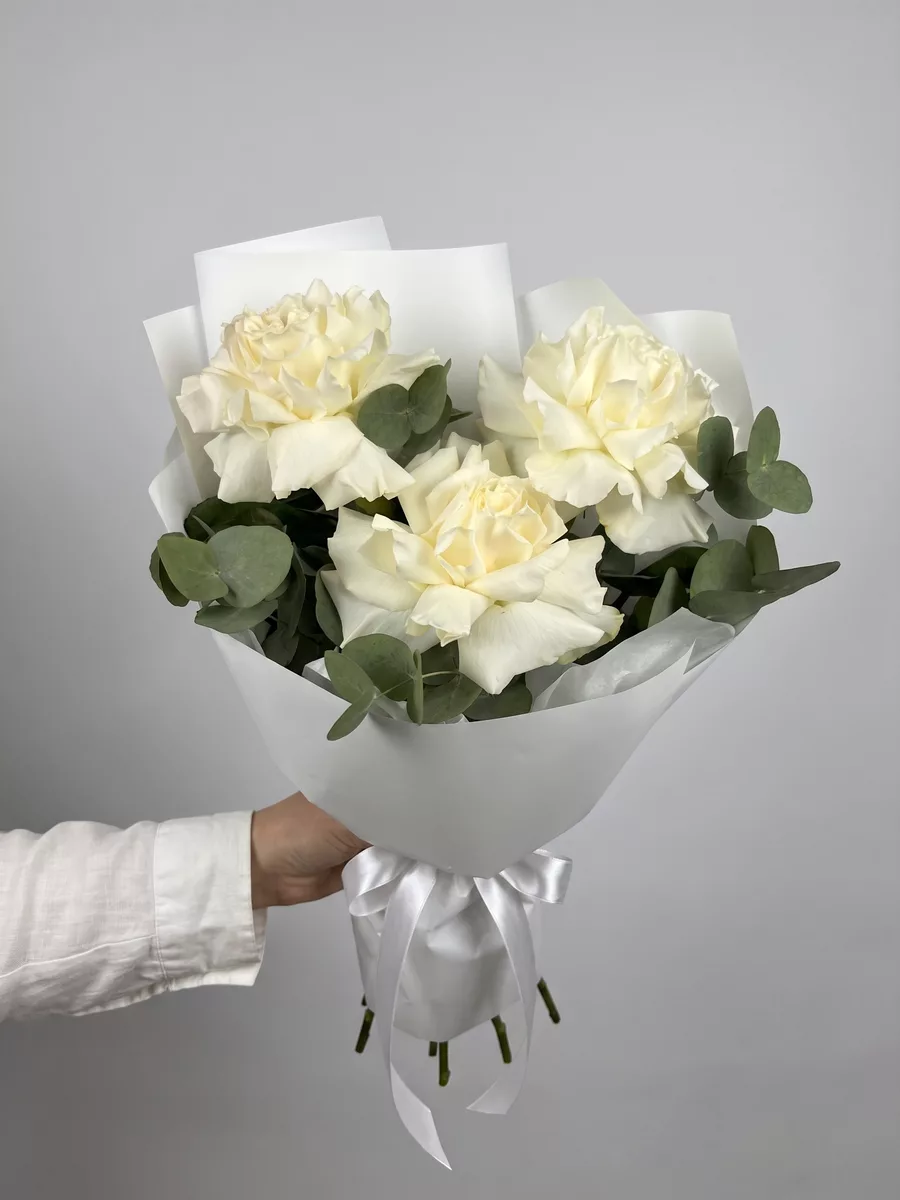
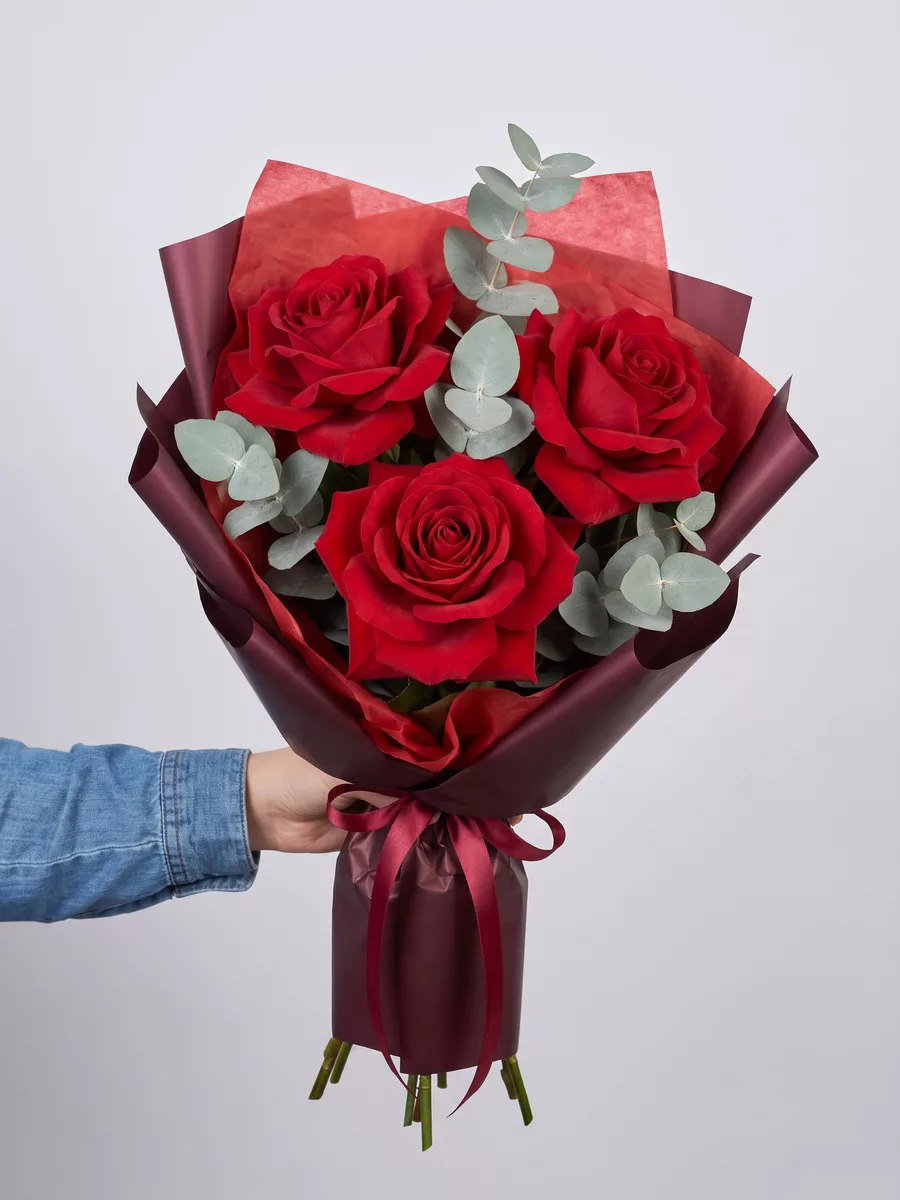
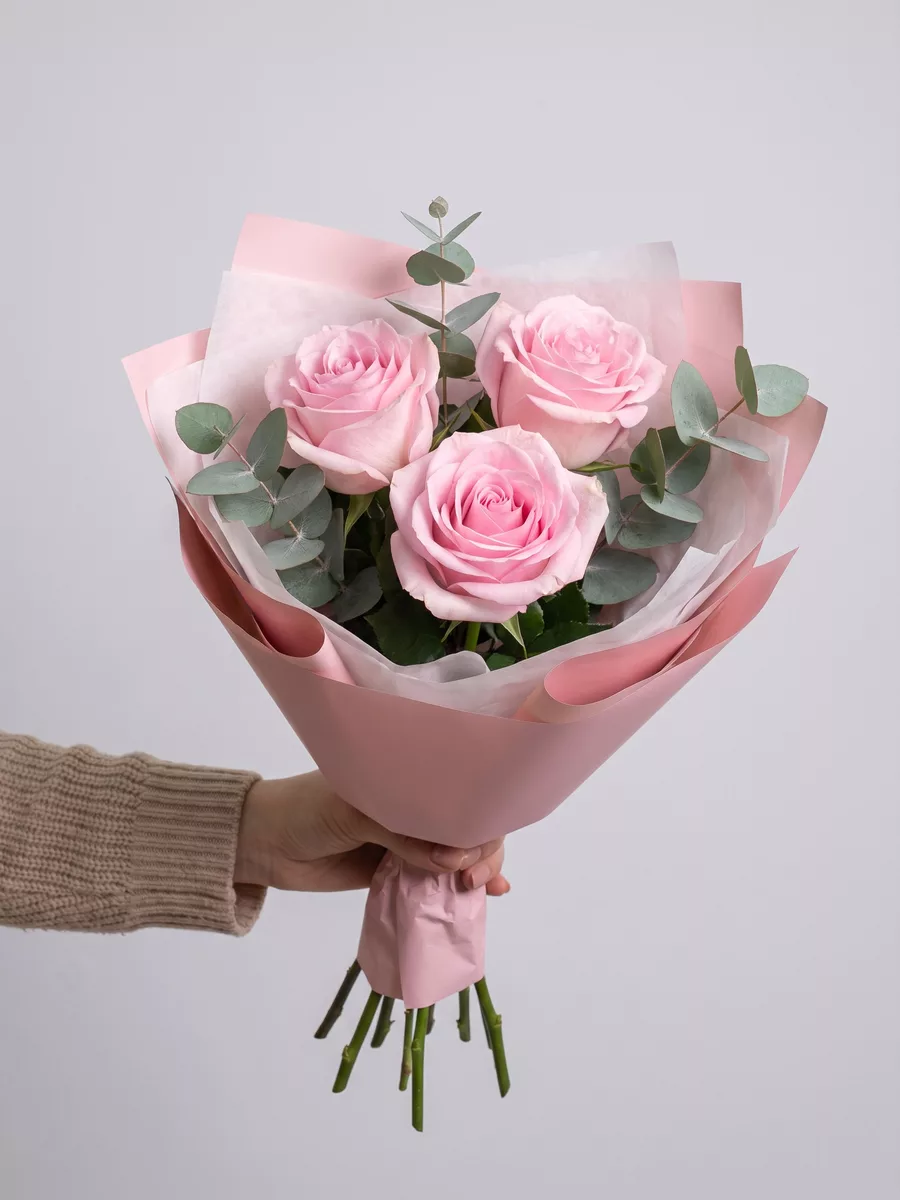
Bouquets we can deliver

Getting the Address Right: The Step That Saves Everything
A wrong or incomplete address is the single most common reason a flower delivery to a Russian regional town fails. Russian addresses follow a specific order that differs from Western conventions, and Topki has its own street structure that needs to be written precisely.
The correct format runs from the largest unit to the smallest: country, postal code, region, city, street, building number, apartment number. For Topki it would look like: Russia, 652550, Kemerovo Oblast, Topki, then the street name in transliterated or Russian form, then the building and flat. If you are ordering in English, write the address in both Latin transliteration and Cyrillic if you can — or ask the recipient to send you their address in Russian so you can copy it exactly.
Building numbers in Russian cities often include a korpus — a secondary building number written as k.2 or korpus 2 — that indicates a separate block within the same plot. Missing this detail sends the courier to the wrong entrance entirely. Apartment numbers matter too; many Topki residential buildings are multi-storey, and a bouquet left at the wrong door will not find its owner.
If the recipient works at an office or institution, include the organisation name and the recipient's full name. Russian couriers rely on names as a cross-check when building directories are unclear.
Double-check the phone number as well. A local Russian mobile number in the correct format — starting with 7 or 8 — allows the courier to call ahead, which is standard practice and dramatically improves first-attempt delivery rates in smaller towns.
Choosing Flowers for the Person, Not Just the Occasion
Before thinking about which roses or which colour scheme, think about who is receiving the bouquet and what you want them to feel when they open the door. A grandmother celebrating her birthday in Topki will respond differently to a loose, garden-style arrangement of alstroemeria and spray chrysanthemums than to a tight formal bouquet of red roses. Both are beautiful — but one will feel like it came from someone who knows her.
For a romantic gesture, garden roses in blush, peach or deep burgundy carry warmth without the formality of a classic red dozen. Pair them with eucalyptus or ruscus for a contemporary look that photographs well and lasts well. Peonies are beloved in Russia and feel genuinely celebratory, though their season runs roughly May through June — outside that window, a florist will substitute or the quality drops.
For a friend or colleague, a mixed bouquet built around seasonal flowers tends to feel more personal than a single-variety arrangement. Eustoma, also called lisianthus, is an excellent choice — it looks like a cross between a rose and a poppy, holds its shape for a week or more, and travels well in cold conditions. Sunflowers read as joyful and uncomplicated, which makes them right for congratulations, a new home or a thank-you.
For a mother or grandmother, soft tones work better than saturated ones. Cream freesias with white alstroemeria and a few stems of waxflower create a gentle, fragrant arrangement that does not shout. Fragrance matters more to older recipients than many senders realise — it turns a visual gift into a sensory one.
Navigating Russian Flower Customs Without Making Mistakes
Russia has a few flower customs that are worth knowing before you order, especially if you are sending from a country where these rules do not exist. Getting them right shows respect; getting them wrong can unintentionally send the wrong message.
The most important rule is the odd-number rule. Bouquets for living recipients should always contain an odd number of stems — 5, 7, 9, 11, 15, and so on. Even numbers of flowers are traditionally associated with mourning and funerals. This is not an old-fashioned superstition that only older Russians follow; it is widely observed across generations. When you place your order, confirm that the florist is counting stems, not just eyeballing volume.
Colour carries meaning too, though less rigidly than the number rule. Yellow flowers have historically been associated with separation or farewell in Russian culture, so a large all-yellow bouquet can feel ambiguous to a Russian recipient even if the sender meant pure sunshine and happiness. A touch of yellow within a mixed arrangement is perfectly fine — it is the dominant yellow statement piece that sometimes raises an eyebrow.
Giving flowers is a normal, frequent gesture in Russia, not reserved for special occasions. Russians celebrate name days, professional holidays like Teacher's Day or Women's Day on March 8, and ordinary personal milestones with flowers. If you are sending for March 8, order well in advance — it is the single busiest flower day of the year, and demand in every Russian city, including Topki, spikes dramatically. Placing your order three to five days ahead is not overcautious; it is simply practical.
Timing Your Order Across Time Zones
Topki operates on Kemerovo time, which is UTC plus 7. That is seven hours ahead of London, ten hours ahead of New York and four hours behind Sydney. When you are placing an order from abroad, the time difference is not just a scheduling detail — it determines whether same-day delivery is still possible or whether you are already ordering for tomorrow.
Turboflora delivers within one to two hours of order confirmation. That window is measured in Topki time. If it is 6 pm on a Tuesday in Paris, it is already midnight in Topki — same-day delivery is no longer available. If it is 9 am in Toronto, it is 4 pm in Topki, and you likely still have a same-day window if you order immediately.
The practical advice is to plan a day ahead whenever possible when ordering from a significantly different time zone. This removes the pressure of calculating windows under stress and gives you time to write a thoughtful card message, confirm the address details and choose the arrangement without rushing.
Card messages are worth a moment of attention. Russian recipients read and keep card notes. A message in Russian, even imperfect Russian written with the help of a translation app, lands with more warmth than a message in English that the recipient has to translate themselves. Keep it short — two or three sentences — and personal. If you write in English, that is completely fine too; the gesture of writing anything at all is what matters most.
Scheduling a delivery for a specific time, such as before a birthday dinner or just as the recipient arrives home from work, is possible when you include that instruction clearly in the order notes.
Bouquet Combinations That Work Well for Topki's Climate
Not every flower survives the journey to a Siberian town in peak condition, and choosing varieties that travel well is as important as choosing ones that look beautiful in a photograph. The good news is that the flowers with the best travel resilience are also among the most genuinely lovely to receive.
Chrysanthemums are outstanding for Topki deliveries. They are cold-tolerant, hold their form for ten days to two weeks in a vase, and come in a wide range of shapes — from tight button varieties to large decorative blooms. A monobouquet of white or burgundy chrysanthemums looks polished and classic without being predictable.
Alstroemeria is another reliable choice. Its stems carry multiple blooms that open gradually over about two weeks, which means the recipient gets a bouquet that changes and refreshes itself rather than peaking and fading all at once. It pairs beautifully with eucalyptus or pittosporum for texture.
In winter, avoid arrangements built primarily around tropical or heat-loving flowers such as anthurium or bird of paradise. These are genuinely sensitive to cold and can show damage even from a brief exposure to sub-zero air during handoff. If the recipient loves tropical flowers, plan the order for late spring or summer when the risk is lower.
For spring orders — roughly April through June — tulips are a natural choice and deeply associated with the season in Russian culture. They are inexpensive to send in volume, which means a generous-looking bouquet is achievable at a modest budget. Pair them with muscari or small narcissus for a garden feel that feels genuinely seasonal rather than generic.
Helping the Recipient Care for the Bouquet After Delivery
A beautiful bouquet that wilts in two days is a disappointment, and in most cases that happens not because the flowers were poor quality but because the recipient did not know how to care for them. Sending a few care instructions alongside your order — in the card message or in a follow-up message — extends the life of your gift significantly.
The first step after receiving a bouquet is to recut the stems. The florist will have already done this before packing, but stems seal over quickly during transit. A fresh diagonal cut of about two centimetres, made with a sharp knife rather than scissors, opens the vascular tissue and allows the flower to drink properly. Scissors crush the stem end and reduce water uptake.
Fresh, cool water is better than warm water for almost all cut flowers. Change it every two days and rinse the vase each time to prevent bacterial build-up, which is the main cause of early wilting. Remove any leaves that fall below the waterline — submerged foliage rots quickly and clouds the water.
In Topki's cold winters, keep the bouquet away from window draughts and from radiators. Russian apartments are often very warm indoors, which accelerates bloom opening and reduces vase life. A cool corner of the room, away from direct heat, will add three to five days to the arrangement's life.
For roses specifically, if the outer petals look bruised or slightly brown on arrival, remove them gently — these are called guard petals and are left on deliberately to protect the inner bloom during transport. The rose underneath is typically perfect and will open beautifully over the following day or two.
Sending flowers to Topki from abroad is entirely possible, genuinely meaningful and far less complicated than it first appears when you understand the key variables. Get the address right down to the apartment and korpus number, account for the time zone difference when placing your order, respect the odd-number rule, and choose varieties that travel well in Siberian conditions. The recipient in Topki will receive something that feels personal and considered — not a generic arrangement dropped at a door, but a real gesture of connection that crossed thousands of kilometres to reach them.
Frequently asked questions
Can I send flowers to Topki if I do not speak Russian?
Yes. You can place your order in English through Turboflora. The most important thing is to have the recipient's address in correct Russian format — ask them to send it to you in Cyrillic text so you can copy it exactly into the order form. A local Russian phone number for the recipient is also essential for the courier to confirm delivery.
How far in advance should I order for a birthday or holiday in Topki?
For ordinary dates, ordering the day before is comfortable. For major Russian flower holidays like March 8 or February 14, place your order three to five days ahead. Topki is a smaller city and demand spikes are real — early orders also give you more choice of arrangement and a better chance of hitting a specific delivery time window.
Are there flowers I should avoid sending to Topki in winter?
Tropical varieties like anthurium and bird of paradise are sensitive to frost and can show cold damage even from brief outdoor exposure during handoff. In deep winter — November through February — build the bouquet around cold-tolerant flowers like chrysanthemums, alstroemeria, eustoma or spray roses. These hold up well and arrive looking exactly as intended.
What does the odd-number rule mean for bouquet size?
In Russian tradition, bouquets for living recipients must contain an odd number of stems — 5, 7, 9, 11 and so on. Even numbers are associated with mourning. This applies across generations and regions including Topki. When ordering, confirm with the florist that the final stem count is odd, especially for mixed arrangements where stems are added for volume.
Can I schedule a delivery for a specific time of day in Topki?
Yes. Include the preferred delivery window clearly in the order notes — for example, between 6 pm and 8 pm local Topki time. Remember that Topki is UTC plus 7, so calculate the time from your own time zone carefully. Scheduling for after the recipient returns from work or just before a celebration dinner makes the arrival feel much more intentional.
Ready to send flowers?
Pick the city, choose the bouquet, and a local florist takes it from there.
Choose a city →