Sending Flowers to Trekhgorny from Abroad? Start Here
Trekhgorny is a closed city in the southern Urals — small, quiet, and far from the flower markets most people picture when they think of Russia. If someone you love lives there and you are ordering from London, Berlin, Dubai or anywhere else outside the country, you have probably already noticed that the usual international flower delivery platforms simply do not reach it. This guide is for you: the sender sitting in a different time zone, trying to make someone in Trekhgorny feel genuinely seen on a birthday, anniversary, or ordinary Tuesday that deserves something beautiful.
Why Trekhgorny Is Different from Other Russian Cities
Trekhgorny sits in Chelyabinsk Oblast, roughly 1,800 kilometres east of Moscow. It carries a closed-city status, which means access is restricted and the city does not appear on standard courier routing maps. That administrative status is the main reason most international flower platforms cannot fulfil orders there — they rely on open logistics networks that simply do not extend into a closed settlement.
For you as a sender abroad, this matters in one specific way: you need a florist who already has an established delivery operation reaching Trekhgorny, not one who will attempt to improvise on the day. Turboflora delivers across Russia, including to Trekhgorny, using its own logistics rather than third-party courier patchwork. That continuity matters when you are ordering from a different country and cannot follow up in person.
The city itself has a population of around 30,000 people. It is a working community where flowers carry real weight — a bouquet arriving at someone's door is noticed, talked about, and remembered. The gesture lands differently in a smaller city than it does in a metropolis. People there appreciate beauty that travels a long way to reach them, and a well-chosen arrangement says exactly that.
Knowing the geography also helps you set realistic expectations. Delivery windows, freshness standards, and the selection of flowers available all connect back to the supply chain that serves the Ural region. Understanding that chain means your order arrives as intended, not as a compromise.
Bouquets we can deliver

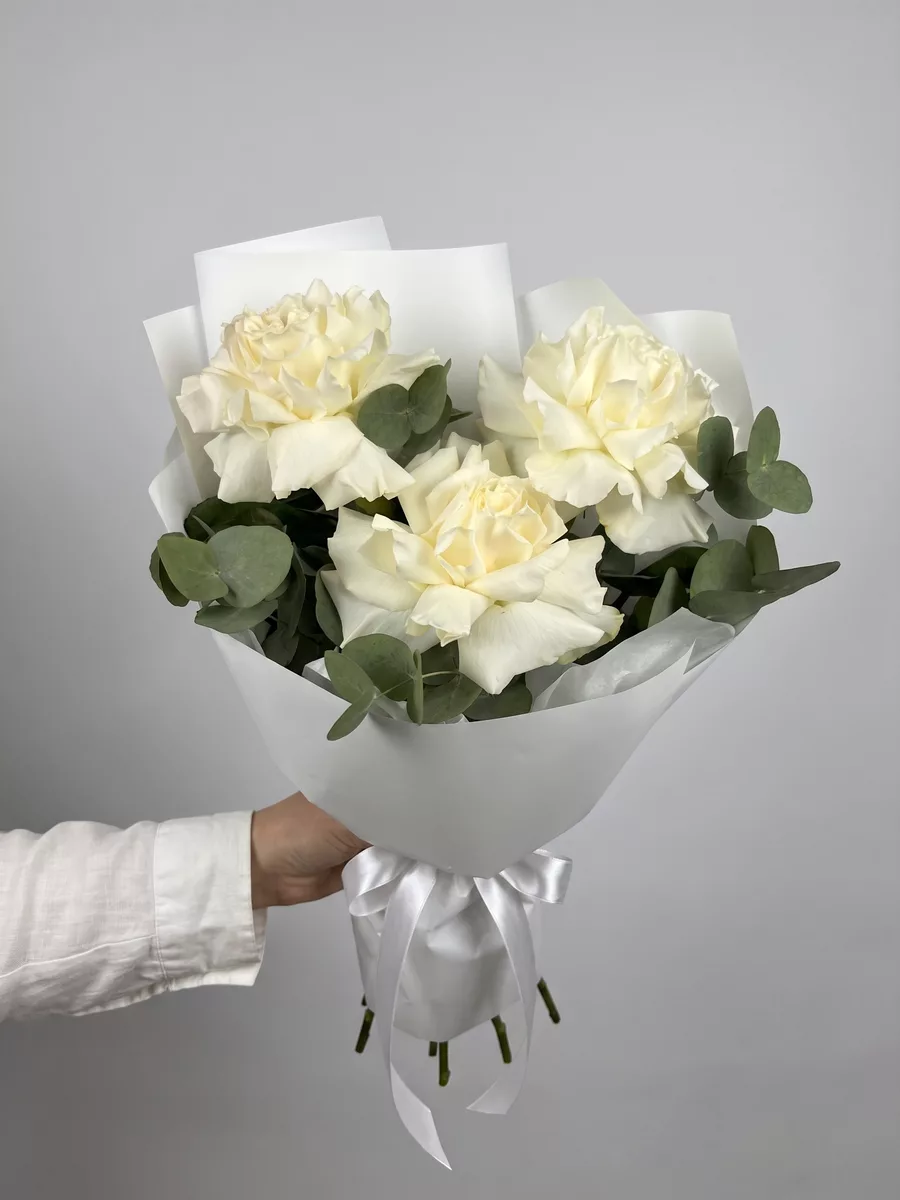
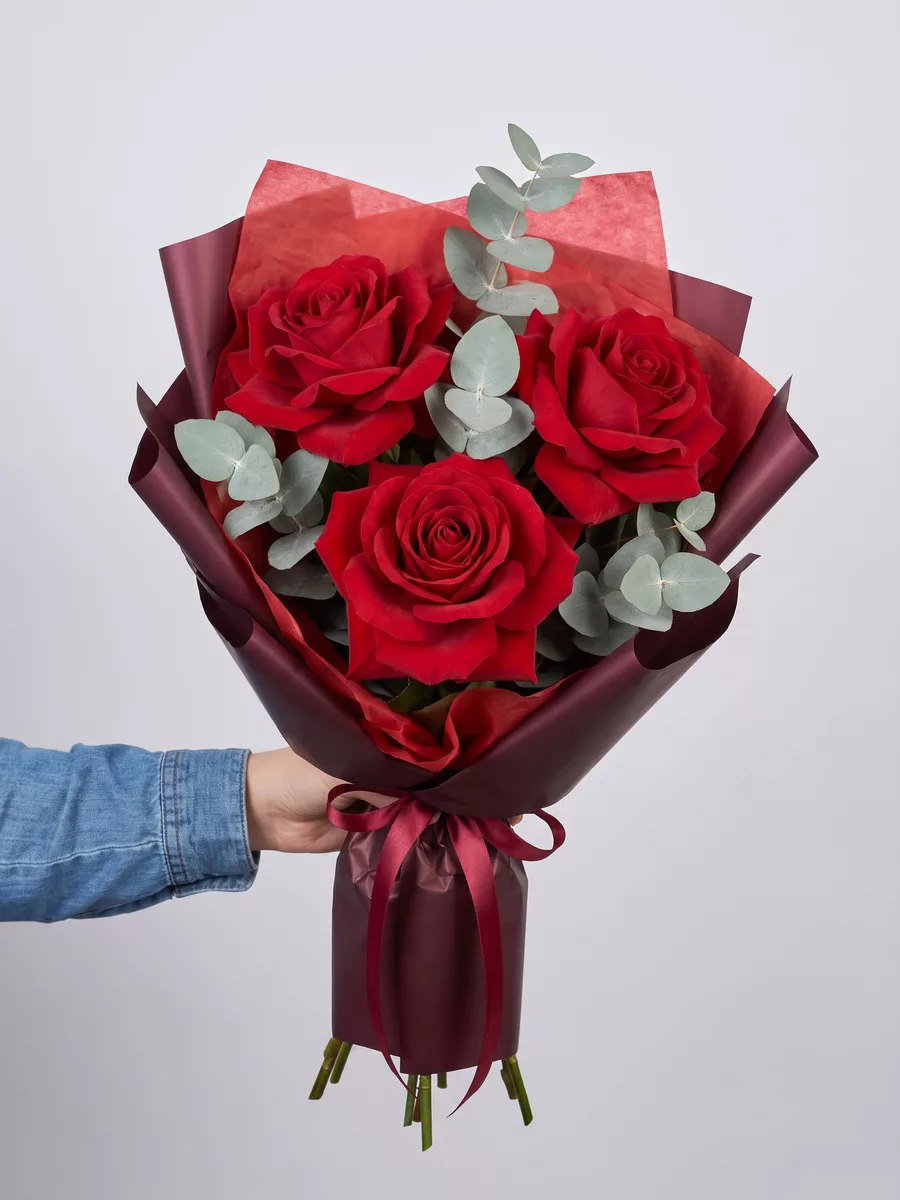
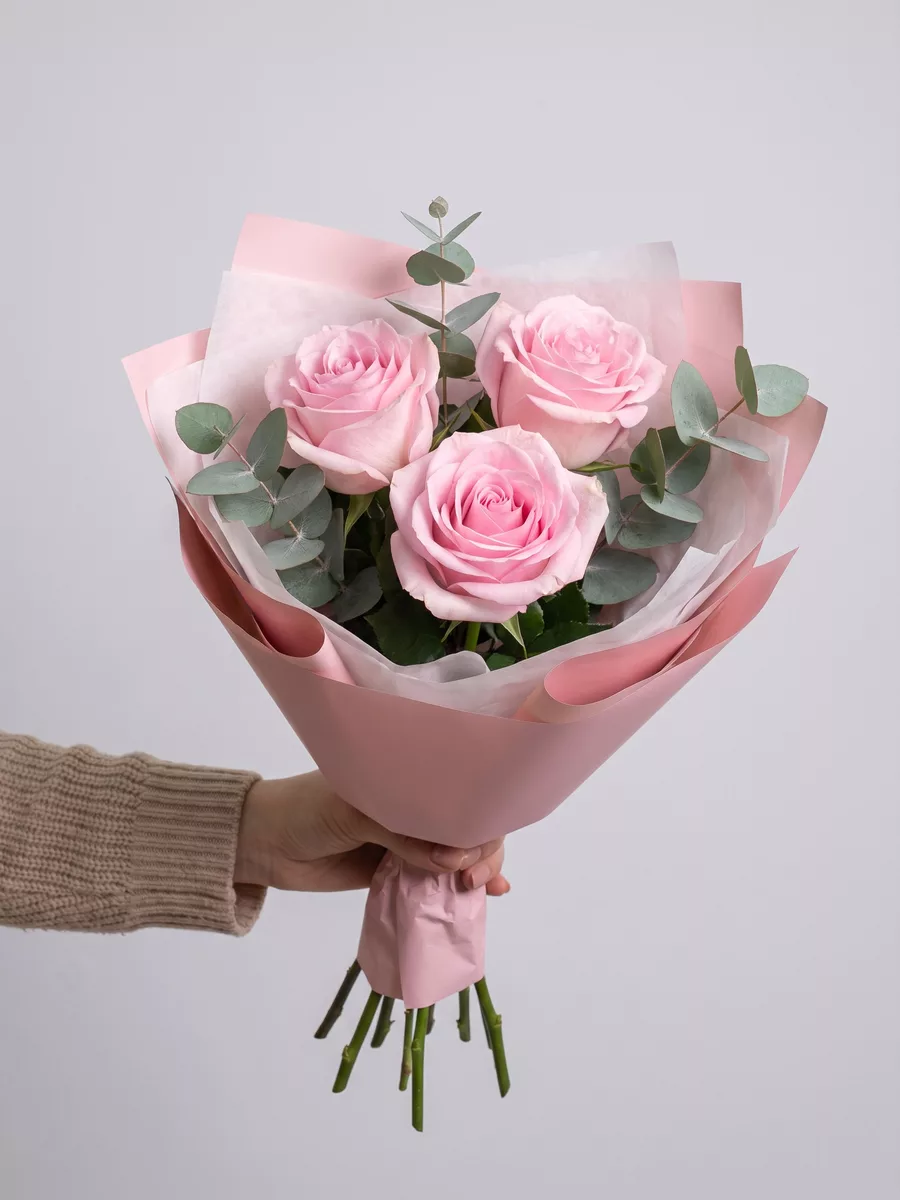
Choosing the Right Moment: Timing Across Time Zones
Trekhgorny operates on Yekaterinburg time, which is UTC+5. If you are in Western Europe, that is four or five hours ahead of you. If you are in the Gulf states, you are roughly even. If you are on the US East Coast, Trekhgorny is eight hours ahead. Getting this right is not optional — it is the difference between flowers arriving during a celebration and flowers arriving after everyone has gone home.
The safest approach is to place your order the evening before the occasion by your own local time. That gives the florist a full morning window in Trekhgorny to prepare the arrangement and dispatch it for a midday or early afternoon arrival. Birthdays and anniversaries feel most special when flowers appear before lunch, not at nine in the evening when the mood has already shifted.
For same-day delivery, Turboflora can often accommodate orders placed before noon Yekaterinburg time. If you are in a time zone that puts you behind Trekhgorny by several hours, this means acting very early in your own morning. A practical habit is to set a phone reminder the night before any important date so you are not scrambling at the wrong hour.
Russian name days and public holidays are worth knowing too. Women's Day on the 8th of March is the single busiest flower day in Russia — demand is enormous and orders placed even a week ahead are not excessive. Valentine's Day is growing in popularity but is still secondary to the 8th of March in most Russian cities, including smaller ones like Trekhgorny.
Reading the Occasion: What Russian Recipients Actually Love
Russian flower culture has its own logic, and it is worth understanding before you choose. The most important rule for a sender abroad to know is the odd-number tradition: bouquets for living recipients are always given in odd numbers — one stem, three, five, seven, eleven, and so on. Even numbers are associated with mourning and will unsettle a Russian recipient even if they never say so aloud. Every arrangement from Turboflora follows this convention automatically, but if you are specifying stem counts in a note, keep this in mind.
Red roses carry strong romantic meaning and are very welcome for partners and spouses. For mothers, sisters, female colleagues and friends, the palette tends to open up considerably — soft pinks, warm whites, peach tones, and lilac all read as affectionate and celebratory without the romantic weight of red. Chrysanthemums are widely loved in Russia and carry no negative associations in everyday gifting, which surprises many senders from Western Europe where they are sometimes linked to mourning.
For men — a less common but increasingly appreciated gesture — architectural arrangements work well. Tropical foliage, anthurium, bird of paradise, or a monochrome arrangement of white or deep burgundy roses all land with quiet confidence rather than fussiness.
Children's occasions call for something playful: bright gerbera daisies, sunflowers, or mixed bouquets with bold colour contrasts feel joyful rather than formal. The key is matching the energy of the recipient, not the formality of the occasion. A grandmother turning eighty might love a lush, fragrant arrangement of garden roses and eucalyptus far more than a stiff ceremonial bouquet.
Flowers That Travel Well to the Urals in Every Season
The Ural region experiences genuine continental seasons. Winters are cold — temperatures in Trekhgorny regularly fall below minus 20 degrees Celsius between December and February. Summers are warm and short. This affects which flowers hold up well during transport and which ones struggle.
In winter, hardy varieties are your friends. Roses with dense petal counts, alstroemeria, carnations, and hypericum berries all tolerate cold transport conditions far better than delicate open blooms. Tulips are actually a strong winter choice in Russia because they are widely available from Dutch imports and hold their structure well in cold air. Avoid ordering fully open peonies or hydrangeas for winter delivery — they are beautiful but fragile when temperatures swing sharply between the cold outside and a warm interior.
Spring brings tulips, ranunculus, and the first freesias into the supply chain. These are excellent choices for March and April occasions and feel genuinely seasonal rather than generic. Ranunculus in particular — with their layered, almost papery petals — photograph beautifully and last well in a vase when kept away from radiators.
Summer allows the widest selection. Peonies are available from late May through June and are enormously popular in Russia. Garden roses, lisianthus, and snapdragons all perform well. Autumn is the season for dahlias, which come in extraordinary colour ranges and hold up for seven to ten days with proper care. Whatever the season, ask for buds that are just beginning to open rather than fully bloomed flowers — they will last longer after delivery.
How to Write a Message That Means Something
The card that arrives with the flowers is often the part the recipient reads first and keeps longest. If you are writing from abroad, you may be tempted to keep it brief because you are uncertain about translation. Do not let that stop you from being specific — a message that references a real shared memory or names something you genuinely appreciate about the person will always land better than a polished but generic phrase.
If you want to write in Russian, even a short phrase in Cyrillic is a meaningful gesture. Simple expressions like 'S dnyom rozhdeniya' (Happy Birthday) or 'Ya tebya lyublyu' (I love you) written phonetically in your message and then transliterated into Russian by the florist's team are entirely possible to request. Turboflora can handle card messages in both English and Russian, so you do not need to worry about the mechanics.
Keep the tone of the message consistent with the flowers. A dramatic arrangement of deep red roses paired with a stiff corporate congratulations note creates a strange mismatch. Conversely, a playful mixed bouquet with a heartfelt personal message works beautifully. Think of the card and the flowers as one unified gift, not two separate items.
For recipients who speak limited English, writing in English with a note asking the florist to translate key phrases is a reasonable approach. What matters most is sincerity — even a simple 'I am thinking of you from far away' carries genuine warmth when it arrives alongside something beautiful. Do not overthink the wording; think about the feeling you want to leave the person with when they read it.
Vase Life and Care Instructions for the Recipient
One of the kindest things you can do for a recipient who may not be a dedicated flower person is to include simple care instructions with the delivery. Turboflora attaches care guidance to orders, but reinforcing this in your message note is always welcome — especially if the recipient lives alone and might not know the basics.
The most important instruction is water temperature. Flowers from most varieties last longest in cool or room-temperature water, not warm. The exception is tulips, which prefer cold water and will open faster in warmth than most people expect. Cutting stems at an angle before placing them in the vase increases the surface area for water uptake and makes a genuine difference to vase life.
Keep flowers away from direct sunlight, radiators, and fruit bowls. Ripening fruit releases ethylene gas, which accelerates wilting in cut flowers — this is a common mistake in Russian apartments where fruit is often kept on the kitchen table. A cool room away from heat sources can add two or three days to the life of most arrangements.
For roses specifically, removing the lower leaves that would sit below the waterline prevents bacterial growth that clouds the water and shortens vase life. Changing the water every two days and re-cutting the stems each time keeps the arrangement looking fresh for longer. Alstroemeria and carnations are particularly long-lasting — up to two weeks with basic care — which makes them a thoughtful choice when you know the recipient has a busy life and may not refresh the vase daily. Lisianthus, often called the Russian rose for its ruffled appearance, also lasts exceptionally well and adds texture to any arrangement.
Placing Your Order from Outside Russia: What to Prepare
Ordering internationally is straightforward when you know what information to have ready. The recipient's full name and a precise delivery address in Trekhgorny are the two non-negotiable pieces. Russian addresses follow a specific format — street name, building number, apartment number — and any ambiguity here is the most common cause of delivery delays. If you are unsure of the exact apartment number, confirm it with the recipient or a family member before placing the order rather than guessing.
A working Russian mobile phone number for the recipient is important. The delivery team may need to call ahead, particularly in a closed city where access to residential buildings sometimes requires coordination. If the recipient does not know a delivery is coming — because you want it to be a surprise — providing a number for a trusted family member or neighbour is a practical alternative.
Payment from abroad is handled through international card options on the Turboflora website. Standard international credit and debit cards process without issue. If you encounter any difficulty, the customer support team can guide you through alternatives.
Finally, be specific about the occasion in your order notes. 'Birthday' tells the florist something useful, but 'birthday for my mother who loves soft colours and garden-style arrangements' tells them much more. Florists work with the information they are given. The more clearly you describe the recipient and the feeling you want to create, the more precisely the arrangement will match your intention. A working florist building your bouquet is not guessing — they are making decisions based on what you share with them.
Sending flowers to Trekhgorny from abroad is not complicated once you understand the geography, the timing, and the cultural details that make a bouquet feel genuinely right rather than merely present. The distance between you and the recipient is real, but a well-chosen arrangement — arriving on time, suited to the season, paired with a message that sounds like you — closes that gap in a way that a text message or a video call simply cannot. Flowers are one of the few gifts that ask nothing of the recipient except to receive them. In a city as close-knit as Trekhgorny, they will be noticed, appreciated, and remembered.
Frequently asked questions
Can flowers really be delivered to Trekhgorny given its closed-city status?
Yes. Turboflora delivers to Trekhgorny directly using its own logistics network. The closed-city status affects physical access for visitors but does not prevent flower delivery to residential addresses. You will need to provide a precise address and a working Russian mobile number for the recipient to ensure smooth coordination on the day.
How far in advance should I order from a different country?
For most occasions, placing your order the evening before by your local time is sufficient and gives the florist a comfortable morning window in Trekhgorny. For major Russian holidays like Women's Day on the 8th of March, ordering several days ahead is strongly recommended. Same-day delivery is possible if your order reaches us before noon Yekaterinburg time.
Is it true that bouquets in Russia should have an odd number of flowers?
Yes, and this is taken seriously. Odd numbers — three, five, seven, eleven — are for celebrations and living recipients. Even numbers are associated with mourning. Every Turboflora arrangement follows this convention automatically, so you do not need to count stems yourself, but avoid specifying even numbers if you are customising your order.
What flowers hold up best during cold Ural winters?
Roses with dense petal counts, alstroemeria, carnations, tulips, and hypericum berries all travel well in cold conditions. Avoid ordering fully open peonies or hydrangeas in winter — they are fragile when temperatures change sharply. Tulips are an excellent winter choice and are widely available throughout the season from reliable supply chains.
Can I write the card message in English if the recipient speaks Russian?
Absolutely. You can write your message in English and note that you would like key phrases translated or transliterated into Russian. Turboflora handles card messages in both languages. A short personal message in any language is always more meaningful than a long generic one, so focus on saying something specific rather than worrying about which language to use.
Ready to send flowers?
Pick the city, choose the bouquet, and a local florist takes it from there.
Choose a city →