Sending Flowers to Tsivilsk from Abroad? Here Is What to Know
Tsivilsk is a quiet town in the Chuvash Republic, and when someone you love lives there, distance should not stand between them and a beautiful bouquet. Whether you are in Berlin, Toronto or Dubai, ordering flowers across that distance feels uncertain at first — different time zones, a language you may not read, customs you are not sure about. This guide is written for exactly that moment: when you want to get it right for someone who matters, and you need a florist who already knows the route.
What Tsivilsk Is Like and Why It Matters for Your Order
Tsivilsk sits in the heart of the Chuvash Republic, roughly 40 kilometres east of Cheboksary, the regional capital. It is a small town with a close community feel, which means a flower delivery is genuinely noticed. People here appreciate a thoughtful gesture, and an unexpected bouquet at the door carries real emotional weight in a way that can feel diluted in a larger city.
The town experiences a true continental climate. Winters are cold, often dropping well below minus fifteen Celsius, and summers can be warm and humid. This matters for flowers. A bouquet left on a cold doorstep in January will suffer fast if the recipient is not home, so timing your delivery to coincide with someone being available is more important here than in a mild-weather city. In summer, heat can shorten vase life, so hydration-focused varieties like lisianthus and chrysanthemums tend to hold up better than delicate garden roses in July and August.
Because Tsivilsk is a smaller settlement, the emotional significance of receiving flowers is amplified. Your recipient likely knows their neighbours, and a delivery feels like a small public celebration. Choose something with presence — a full, structured bouquet rather than a minimal stem arrangement — and it will match the warmth of the setting. Think generous foliage, rich colours, and varieties that travel well and open slowly over several days.
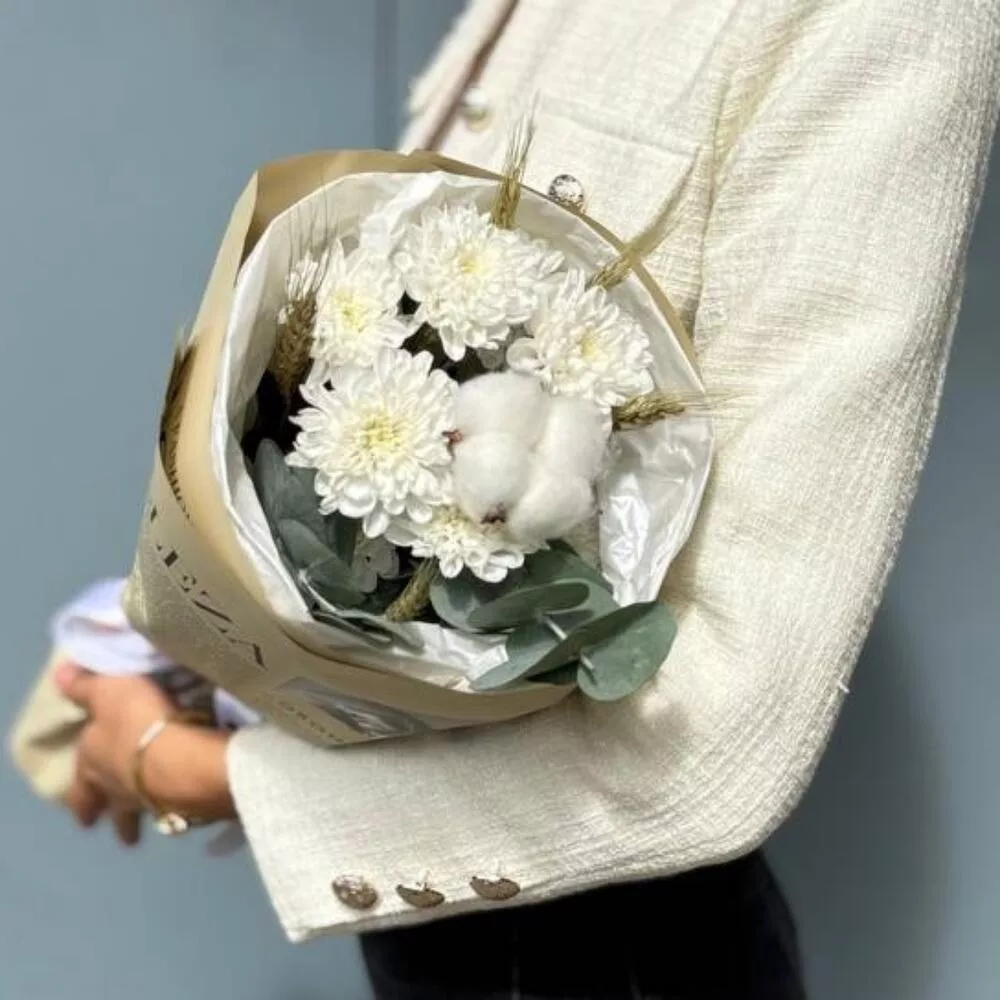
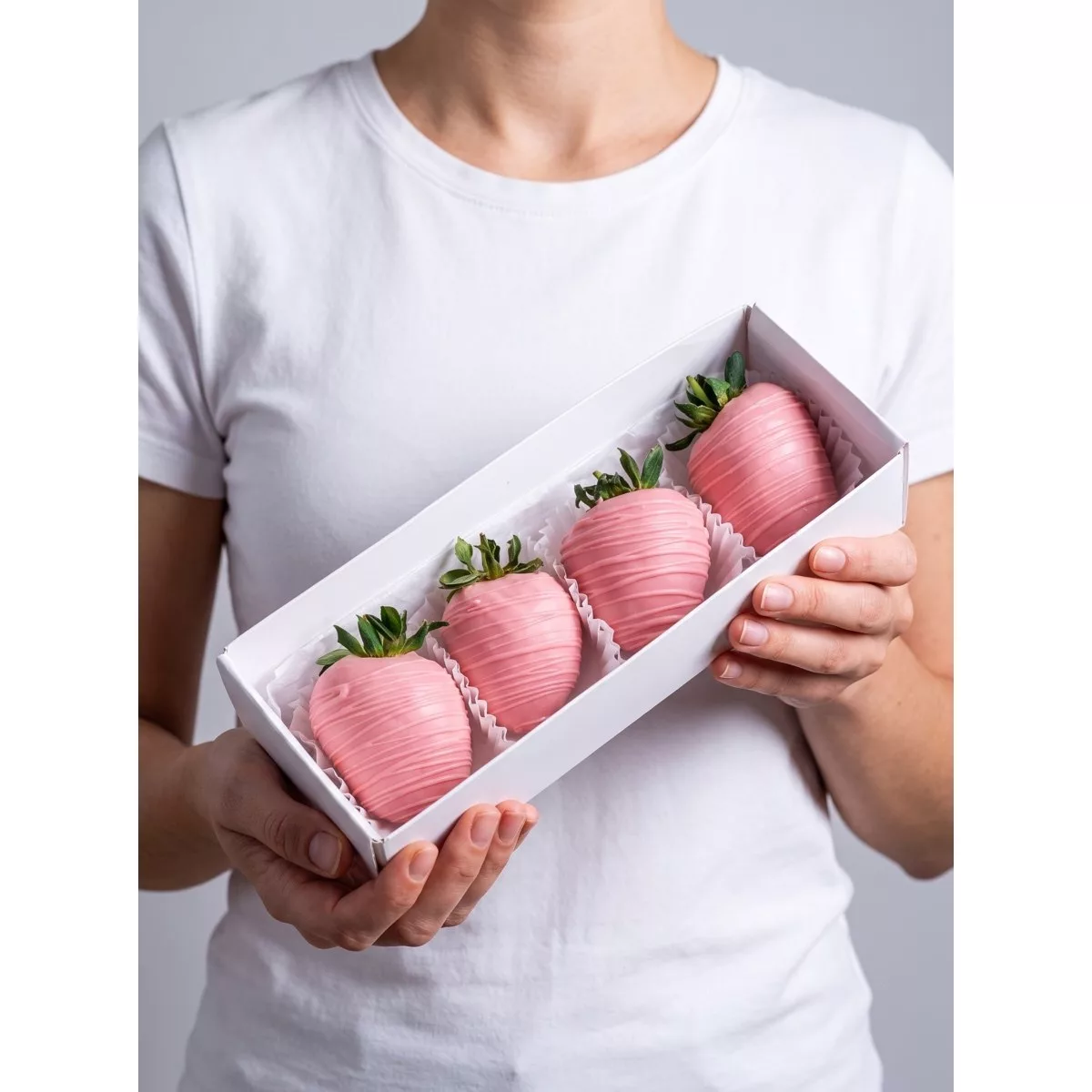
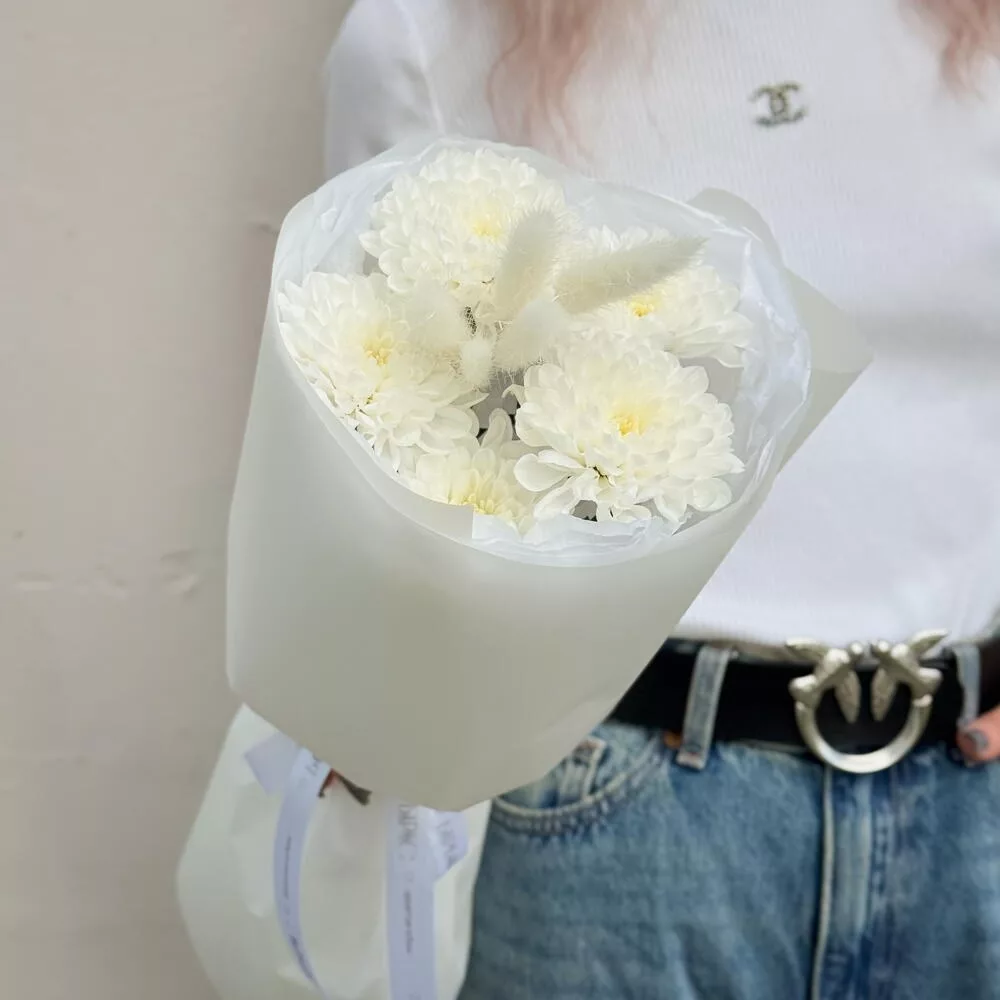
Bouquets we can deliver

Choosing the Right Moment: Timing Your Order Across Time Zones
Tsivilsk operates on Moscow Time plus one hour, placing it in UTC+4. If you are ordering from Western Europe, that is a three-to-four-hour difference. From North America's east coast, you are looking at seven or eight hours ahead. From Australia, the gap flips the calendar entirely. Understanding this is the first practical step, because a delivery you place at what feels like mid-morning for you might land at dinnertime or even later for your recipient.
Turboflora delivers across Russia within one to two hours of order confirmation. That speed is real, but it depends on you placing the order during reasonable daytime hours in Russia. The working window for same-day delivery is typically until early evening Moscow time, so calculate backward from your recipient's preferred time and place your order accordingly. Cutting it close rarely works well for anyone.
For birthdays, anniversaries or any occasion with a fixed date, ordering at least one full day ahead is the safest approach from abroad. This gives room to confirm the address in Russian format, clarify any building or apartment details, and ensure the bouquet is assembled fresh rather than rushed. The best florists never rush a good bouquet. If you are marking a surprise, coordinate with someone local who can ensure the recipient is home — a neighbour, a family member, a colleague — because a bouquet left in cold weather even for an hour loses its freshness and its moment.
Russian Flower Customs You Should Know Before You Order
If you are not familiar with Russian floral customs, a few things are worth knowing before you finalise your bouquet. The most important one: always send an odd number of flowers. Even numbers of stems are associated with mourning in Russian tradition, and a bouquet of twelve roses, however beautiful, carries an unintended message. Stick to seven, nine, eleven, fifteen or any odd count, and your gift lands exactly as you intend it.
Colour carries meaning too, though it is less rigid than the odd-number rule. Red roses are unambiguously romantic. White flowers are elegant and suitable for almost any occasion. Yellow flowers were historically associated with separation or farewell in Soviet-era culture, and while younger generations are less attached to this association, it is still worth knowing if your recipient is older or more traditional. Mixing yellow with orange and white softens any concern and creates a genuinely warm, celebratory palette.
Russian recipients tend to appreciate volume and richness in a bouquet. A single-stem presentation reads as incomplete rather than minimalist. Lush combinations of spray roses, alstroemeria, eucalyptus and seasonal fillers feel generous and considered. Including a handwritten card in Russian, even just a transliterated version of your message, is a lovely touch — most florists can help format a short dedication. The gesture of trying communicates care across any language gap, and in a small town like Tsivilsk, that personal warmth is everything.
Which Flowers Work Best for Different Occasions in Tsivilsk
For a birthday, reach for something celebratory and full of life. Gerbera daisies in bright coral or deep magenta hold beautifully during transport and open fully within a day of delivery. Combine them with solidago, alstroemeria and a few stems of waxflower for texture, and you have a bouquet that feels festive without being over-formal. If the birthday person is known for elegance, garden-style roses in blush or cream mixed with ranunculus and ruscus create something genuinely refined.
For anniversaries, classic roses remain the most resonant choice in Russian culture, particularly red or deep burgundy. A structured bouquet of fifteen or twenty-one roses with dark foliage like salal or pittosporum feels intentional and romantic. If the couple has been together for many years, adding a few stems of eustoma — the Russian common name is lisianthus — softens the formality and adds a layered, almost peony-like texture.
New baby congratulations call for soft, fresh palettes: white and pale pink with lots of greenery. Spray roses, white chrysanthemums and eucalyptus make a combination that photographs beautifully and lasts well. Avoid strongly scented flowers like lilies or freesias for new baby deliveries, as they can be overwhelming in a small room.
For professional milestones — a promotion, a retirement, a graduation — mixed seasonal bouquets in warm tones work across genders and ages. Sunflowers in season, orange gerberas, yellow chrysanthemums and green button poms create something cheerful and universally appreciated. The key is generosity: a full, rounded shape with visible variety.
Budget Ranges and What Each One Gets You
You do not need to spend extravagantly to send something genuinely beautiful to Tsivilsk. At an entry level, a well-chosen bouquet of seasonal flowers — chrysanthemums, alstroemeria, carnations and greenery — can be striking if the composition is thoughtful. Carnations in particular have had an unfair reputation in Western markets, but in Russia they are respected, long-lasting and available in wonderful deep reds and pinks that feel rich rather than cheap. A florist who knows what they are doing can make this level look like considerably more.
At a mid-range budget, you open up access to roses, eustoma, gerberas and more elaborate foliage. This is where most senders land for birthdays and anniversaries, and rightly so. You can request a specific colour palette, add a few premium stems as focal flowers, and build a bouquet with real depth and visual movement. Spray roses mixed with garden roses and eucalyptus at this level create something that photographs beautifully and lasts a week with proper care.
At a higher budget, the bouquet can include peonies in season (late May through June), premium Dutch roses, orchid stems or imported ranunculus. These are statement pieces — the kind of arrangement that genuinely surprises someone. If you are marking something significant, like a milestone birthday or a major achievement, investing here makes the gesture unmistakable. Presentation at this level also shifts: structured boxes, hat boxes or premium wrapping add to the experience of receiving the bouquet before a single flower is even seen.
How to Write Your Delivery Address Correctly for Tsivilsk
Getting the address right is the single most common point of failure for international senders ordering to Russian cities and towns. Russia uses a specific address format that differs from Western conventions, and Tsivilsk is no exception. The correct order runs from largest to smallest: country, region, city, street, building number, apartment number, recipient name. In practice, when ordering online, you will usually fill fields individually, but understanding the logic helps you avoid errors.
The Chuvash Republic is the administrative region. Tsivilsk is the city. Street names in Russian towns sometimes have multiple components — a street name, a building number, and sometimes a corpus or block number for larger residential complexes. If your recipient lives in a multi-entrance apartment building, the entrance number, called a podezd, and the floor can help the delivery person reach them faster, especially in winter when waiting outside is uncomfortable.
If you are unsure of the exact address format, the safest approach is to ask your recipient or a trusted contact in Russia to write out the address in full, including postcode. Tsivilsk has its own postcode distinct from Cheboksary, and using the correct one ensures routing accuracy. You can also paste the address into the order notes field exactly as provided to you, and a good florist will verify the format before dispatching. Never guess at Russian address conventions — a small error in building or apartment number can mean a missed delivery and a disappointed recipient.
Keeping the Flowers Fresh: Care Advice to Pass On to Your Recipient
Once the bouquet arrives, a little care from your recipient will extend its life significantly. The first step is always to recut the stems at a diagonal angle, about two centimetres from the bottom, using a sharp knife rather than scissors. Scissors can crush the stem tissue and reduce water uptake. This should be done before the stems go into water, ideally while holding them under running water to prevent air bubbles entering the cut.
Fresh, cool water in a clean vase is the foundation. The vase should be washed thoroughly before use — residual bacteria from a previous bouquet will shorten the life of fresh flowers dramatically. Change the water every two days, and recut the stems each time. If a flower food sachet is included with the bouquet, use it: the balance of nutrients and antibacterial agents in those sachets is genuinely effective and not just packaging.
Placement matters more than many people realise. Keep the bouquet away from direct sunlight, radiators and draughts. In a Tsivilsk apartment in winter, the space near a window can be very cold at night, which is actually beneficial for flowers — cooler temperatures slow cell deterioration. Moving the vase to a cooler spot overnight and returning it to a visible position during the day extends vase life noticeably.
Remove any leaves that fall below the waterline immediately, as they decompose quickly and cloud the water. With this level of attention, roses and lisianthus can last ten days or more, alstroemeria up to two weeks, and chrysanthemums sometimes even longer. A well-cared-for bouquet keeps the memory of your gesture alive long after the delivery day.
Sending flowers to Tsivilsk from abroad is entirely possible, and when done with a little preparation it becomes one of the most personal things you can do across a distance. Know the time zone, respect the odd-number rule, choose varieties that travel and last, and write the address carefully. The rest is about knowing what your recipient will feel when the door opens and something beautiful is standing there — that moment of recognition that someone far away was thinking of them today.
Frequently asked questions
Can I order flowers to Tsivilsk if I do not speak Russian?
Yes, entirely. Turboflora's ordering process works in English, and our team handles all communication with the recipient and delivery in Russian on your behalf. You simply provide the recipient's name, address and your message, and we take care of the rest. If you are unsure about address formatting, include what you have and we will verify it before dispatch.
How far in advance should I place my order from a different country?
For same-day delivery, place your order at least a few hours before the desired delivery time, accounting for the time difference between your location and Tsivilsk, which is UTC+4. For important occasions like birthdays or anniversaries, ordering the day before gives us time to confirm all details and assemble the freshest possible bouquet without any time pressure.
What if my recipient is not home when the flowers arrive?
This is worth planning for, especially in winter when flowers left outside deteriorate quickly. We recommend coordinating with someone who can receive the bouquet, or choosing a delivery window when your recipient is reliably home. You can include a phone number for the recipient in your order so our courier can call ahead, giving them a few minutes' notice before arrival.
Are there flowers I should avoid sending to Russia?
The main thing to avoid is an even number of stems, which carries mourning associations in Russian tradition. Yellow flowers can feel ambiguous to older or more traditional recipients, though mixed arrangements that include yellow alongside warm oranges and whites are generally well received. Strongly scented flowers like oriental lilies are best avoided for new baby gifts or recipients with known sensitivities.
Which flowers are available year-round and which are seasonal in Russia?
Roses, chrysanthemums, alstroemeria, gerberas and lisianthus are reliably available throughout the year and travel well in both cold and warm weather. Peonies are a spring and early summer specialty, typically late May through June. Sunflowers peak in summer. Tulips are abundant in March and April. Ranunculus and anemones are more common in spring. If you have a specific flower in mind, mention it and we will confirm availability for your date.
Ready to send flowers?
Pick the city, choose the bouquet, and a local florist takes it from there.
Choose a city →