Sending Flowers to Tulun from Abroad Without the Guesswork
Tulun sits deep in Irkutsk Oblast, a Siberian city where winters are long and the moment a bright bouquet arrives at someone's door carries real weight. When you are placing an order from London, Berlin, New York or anywhere else outside Russia, the distance can feel like the hardest part — but the flowers themselves do not have to be. This guide walks you through everything a sender abroad needs to know, from reading the clock correctly to choosing roses that will last a Siberian week.
Understanding the Distance Between You and Tulun
Tulun is not a major Russian metropolis, but it is a real city with real addresses, apartment blocks, private houses and workplaces where bouquets are delivered every day. What matters most for a sender abroad is understanding that the city sits in the Irkutsk time zone, which is UTC plus eight. When it is nine in the morning in Paris, it is already four in the afternoon in Tulun. That gap shapes everything about how you place your order.
The practical consequence is simple: if you want a bouquet delivered during the recipient's working day or before a celebration dinner, you need to order several hours earlier than feels intuitive. A noon order placed in New York during Eastern Standard Time lands at roughly eight in the evening Tulun time — still deliverable, but no longer a daytime surprise.
The good news is that online ordering removes every language barrier from your side. You fill in the recipient's address in Russian or Latin characters, specify the apartment number and entrance code if there is one, and the rest is handled from the Russian end. Tulun addresses follow the standard Russian format: street name, house number, apartment number. If you are unsure of the exact address, a confirmed phone number for the recipient is the single most important detail you can provide, because the delivery team will call ahead to coordinate. Getting that number right matters more than perfecting the spelling of the street.
Bouquets we can deliver

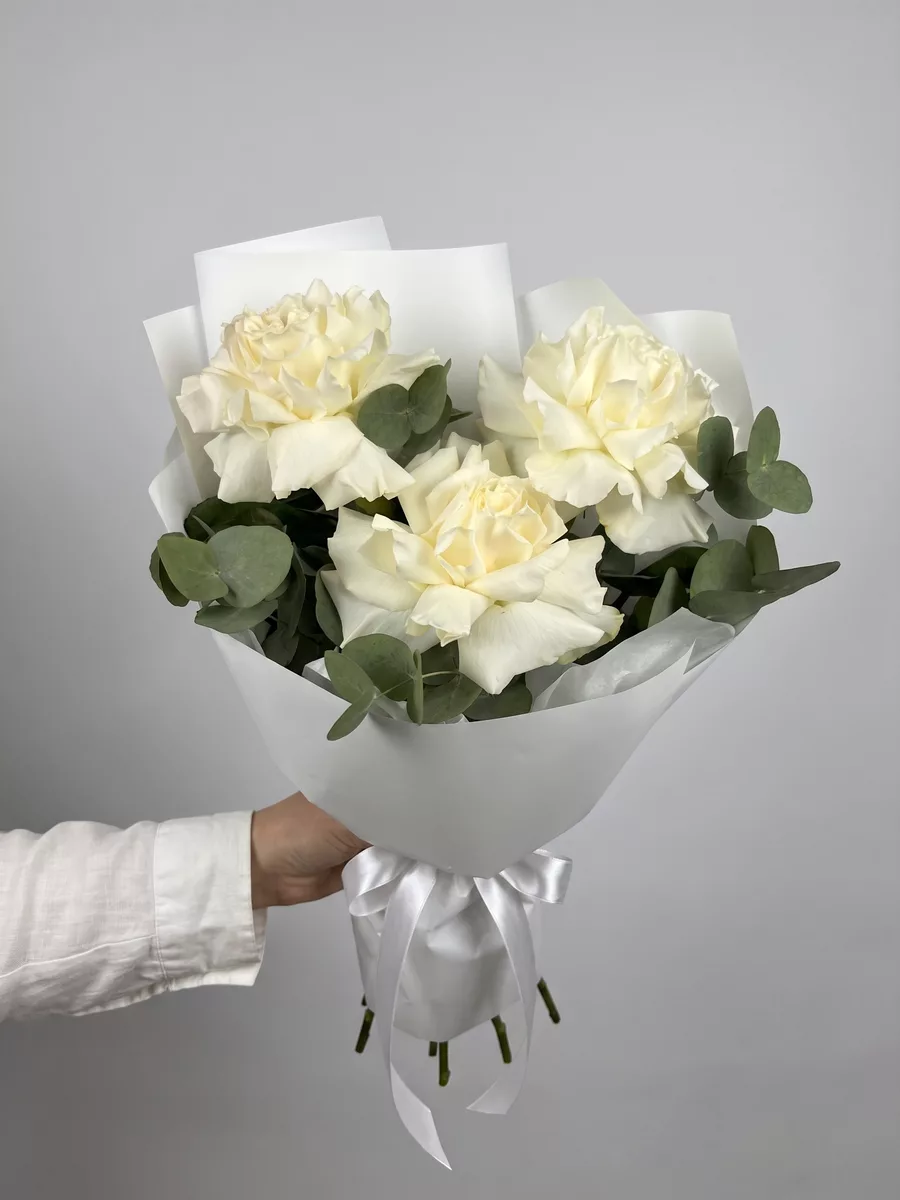
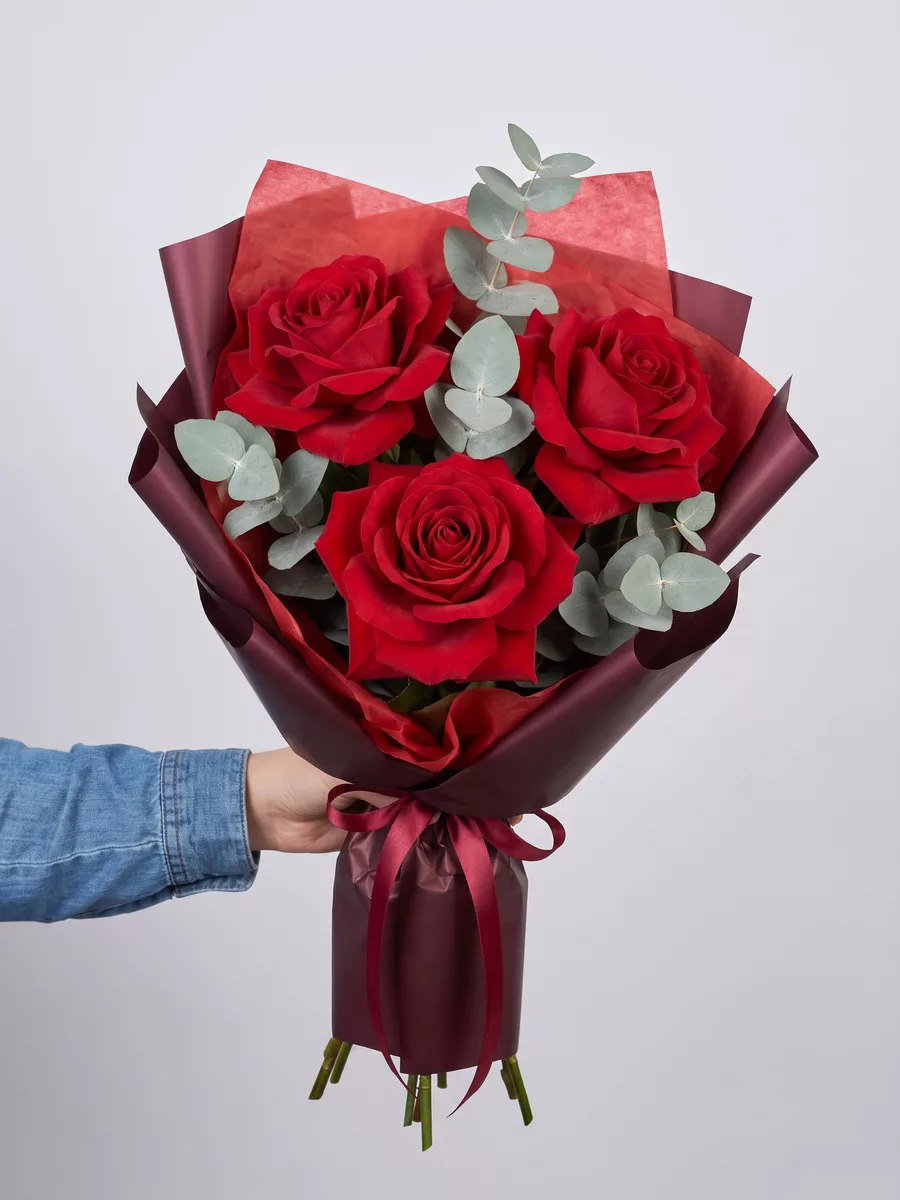
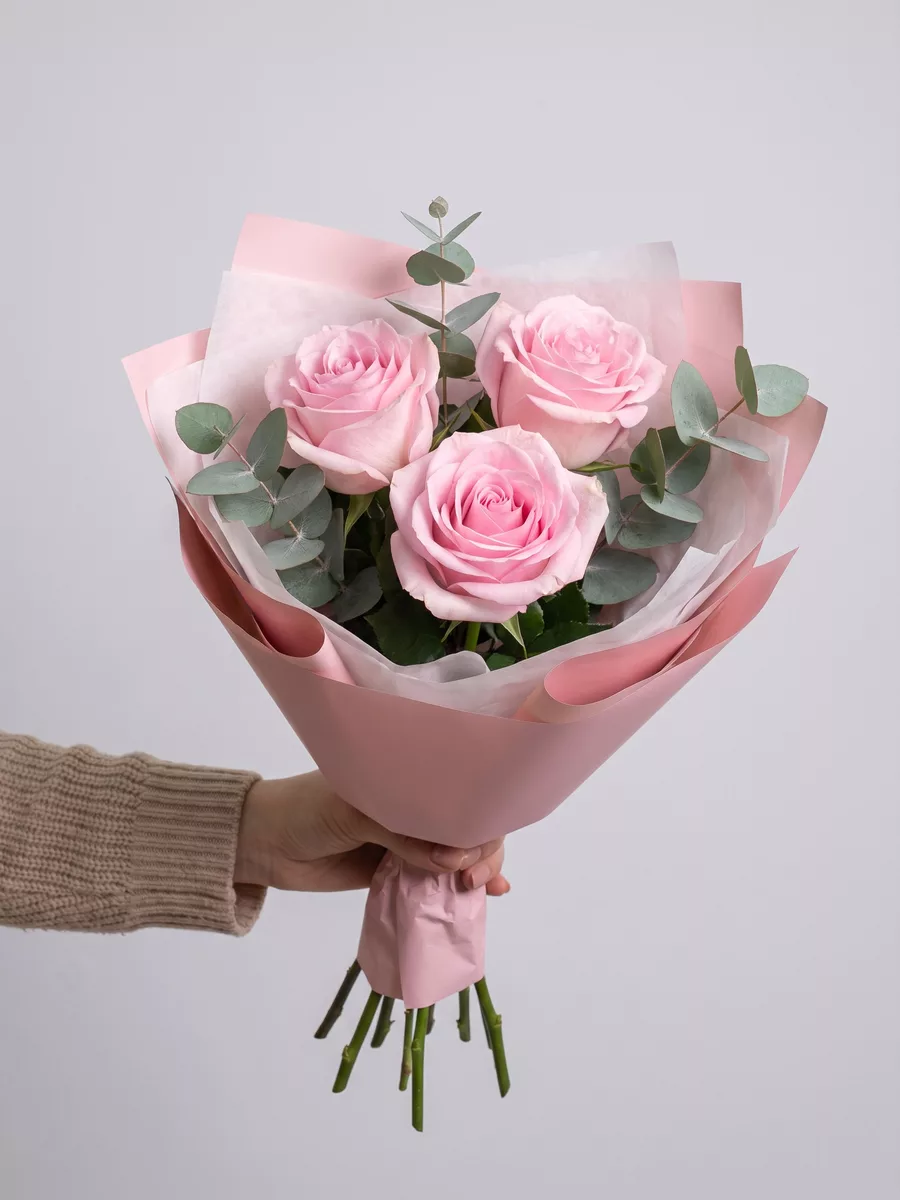
What Siberian Weather Does to Your Flower Choice
Tulun experiences a sharply continental climate. Winters bring temperatures that regularly drop below minus twenty-five Celsius, and even spring and autumn carry frost risk. That temperature range is not a problem for delivery — flowers travel in insulated packaging — but it does influence which varieties hold up best once they are inside a warm apartment.
Roses are the most resilient choice year-round. Garden-style varieties with dense petals, such as David Austin-inspired spray roses, handle the transition from cold outdoor air to a heated interior better than single large-headed roses with thin petals. Chrysanthemums are another dependable option: they tolerate temperature swings well and last ten to fourteen days in a vase with proper care.
In summer, when Tulun can be surprisingly warm, peonies and lisianthus become excellent choices. Peonies arrive in bud form and open gradually over three to five days, which makes the bouquet feel like a slow gift rather than a single moment. Lisianthus, sometimes called eustoma in Russian floristry, has a ruffled appearance similar to a rose but holds its shape for up to two weeks.
Avoid ordering tropical varieties like anthuriums or birds of paradise for winter delivery. They are sensitive to cold shock and, while packaging helps, the risk of petal damage during a Siberian February handover is real. Stick to temperate-climate flowers and you will rarely be disappointed. The florist assembling your bouquet in conditions like these already knows which stems travel well — trust that knowledge and focus your energy on the combination and colour palette instead.
Reading Russian Gifting Customs So the Bouquet Lands Right
Russian flower-giving has a few conventions that are worth knowing before you order, especially if the recipient is older or more traditional. The most important one is the odd-number rule. In Russia, even numbers of flowers are associated with mourning, so bouquets are always assembled in odd counts: three, five, seven, eleven, fifteen, twenty-five. A bouquet of ten roses, however beautiful it looks in a photo, would feel wrong to many Russian recipients. When you select a size or stem count, choose an odd number or let the florist compose freely — they will never send an even number by default.
Colour carries meaning too, though less rigidly than the number rule. Red roses communicate romantic love clearly and universally. White flowers read as elegant and sincere, suitable for birthdays, professional achievements and new beginnings. Yellow flowers, once considered unlucky in Soviet-era superstition, are now widely enjoyed by younger generations, but if your recipient is over sixty it is worth choosing a warmer palette of peach, coral or soft pink instead.
Wrapping and presentation also matter. A Russian bouquet is typically presented with the flowers facing outward, often in kraft paper, fabric or cellophane with a ribbon. The packaging is considered part of the gift, not just protection. Including a handwritten card message in Russian is a warm touch — even a short phrase like a birthday greeting translates beautifully and shows effort. If you write your message in English, the florist can often help phrase it appropriately, so do not hesitate to ask when placing your order.
Choosing the Right Bouquet for the Occasion in Tulun
The occasion shapes the bouquet more than any other factor. A birthday calls for something celebratory and full of colour — think a mixed arrangement of spray roses, alstroemeria and seasonal greenery, assembled with height and movement rather than a flat, formal bunch. Alstroemeria is underrated for birthdays: it comes in dozens of colours, lasts up to two weeks and gives a bouquet an informal, joyful energy.
For a romantic occasion — an anniversary, Valentine's Day or simply an unexpected declaration — roses remain the clearest language. A mono-bouquet of fifteen or twenty-five red or deep-pink roses is never misread. If you want something more personal, ask for a combination of roses and eucalyptus or ruscus; the grey-green foliage makes the flowers look deliberate and considered rather than off-the-shelf.
For a professional achievement, a new job or a graduation, flowers that feel sophisticated rather than romantic work best. White or cream lisianthus with touches of greenery, or a structured arrangement of white chrysanthemums and pale roses, reads as respectful and celebratory without any romantic undertone. These are also the bouquets to send to a colleague's home or a teacher.
For a new baby or a housewarming, soft pastels in peach, blush and lavender work beautifully. Avoid anything with a very strong scent — lilies, for instance, are gorgeous but their fragrance can be overpowering in a small apartment, and some people are sensitive to them. Ranunculus, with its layered papery petals, is an excellent alternative: delicate-looking but surprisingly sturdy.
Timing Your Order Across Time Zones
The time zone difference between Tulun and most countries outside Russia is the single detail that causes the most confusion for international senders. Tulun operates on Irkutsk Time, UTC plus eight, with no daylight saving adjustment — Russia abolished seasonal clock changes in 2014, which at least removes one variable from your calculation.
If you are ordering from Central Europe, you are six hours behind Tulun. From the United Kingdom, seven hours. From the United States East Coast, eleven hours. From the West Coast, fourteen hours. This means that a birthday morning delivery — say, flowers arriving at ten in the morning Tulun time — requires your order to be placed the previous evening if you are in California.
The safest approach is to order at least twenty-four hours in advance whenever the timing of the delivery matters. Same-day delivery is available and genuine — Turboflora delivers within one to two hours of order confirmation — but you need to place that order during Tulun's active hours, which run from roughly eight in the morning to nine in the evening local time.
If you are ordering for a surprise and cannot reach the recipient to confirm the address, schedule the delivery for a window when you know they are likely to be home: late morning on a weekend, or early evening on a weekday. Deliveries to workplaces are also possible if you have the full office address, and a daytime workplace delivery has the added pleasure of being witnessed by colleagues, which many recipients quietly enjoy. Build in a buffer and the time zones stop being an obstacle.
How to Write a Card Message That Feels Personal
The card is often the part of the order that international senders rush through, and it is worth slowing down. A message that feels personal and warm matters enormously to the person receiving it, especially when the sender is far away. The flowers say you thought of them; the card says why.
If you are writing in English for a recipient who speaks Russian, keep the message short and direct. Long, nuanced sentences lose something in translation. A sentence like 'Thinking of you on your birthday and wishing you a wonderful year' is clear, warm and easy to render beautifully in Russian. Avoid idioms, wordplay or cultural references that depend on shared language — they rarely survive the crossing.
If you want to write in Russian and you are not a speaker yourself, a translation tool can get you most of the way there for simple phrases. 'S dnyom rozhdeniya' means happy birthday. 'Pozdravlyayu' means congratulations. 'S lyubovyu' means with love. Even a single line in Russian followed by your name in Latin characters is a genuine gesture that recipients notice and remember.
The tone of Russian card messages tends toward sincerity rather than wit. Warmth, directness and genuine feeling land better than clever or ironic notes. If you are celebrating someone's achievement, name the achievement specifically — 'Congratulations on finishing your degree' rather than 'Well done on everything.' Specificity is what turns a card from a formality into something the recipient might keep. Most florists print the message on a small branded card that is tucked into the bouquet, so it arrives as part of the presentation rather than an afterthought.
Helping the Recipient Keep the Flowers Fresh Longer
A bouquet delivered in Tulun in January has already been through cold outdoor air, warm packaging and a heated hallway by the time it reaches the recipient's hands. A few simple steps in the first hour make the difference between flowers that last five days and flowers that last twelve.
The most important step is cutting the stems. The recipient should trim one to two centimetres from the base of each stem at a diagonal angle, ideally under running water or in a bowl. This reopens the vascular tissue that may have sealed during transport and allows the flower to drink immediately. A sharp knife works better than scissors, which can crush the stem.
Fresh, cool water is next. Vase water should be changed every two days, and each time it is changed the stems should be trimmed again by a small amount. Flower food sachets, which often come with the bouquet, contain a mild acidifier, sugar and a bactericide — all three of which extend vase life meaningfully. If there is no sachet, a small pinch of sugar and a drop of bleach in the water achieves a similar effect.
In Tulun's heated winter apartments, the air is very dry, which accelerates wilting. Placing the vase away from radiators and out of direct sunlight adds several days to the bouquet's life. Roses and lisianthus benefit from being kept in a cooler room overnight — even a hallway that drops to fifteen Celsius is enough to slow the aging process. Chrysanthemums are the most forgiving of all: they will stay fresh in almost any indoor condition as long as the water is clean.
Sending flowers to Tulun from abroad is genuinely achievable, and when it works — when the bouquet arrives at the right door at the right moment — the distance collapses entirely. The recipient does not feel the kilometres; they feel the thought. What makes it work is attention to a handful of practical details: the time zone, the address, the stem count, the occasion and the card. Get those right and the flowers do the rest. Turboflora handles delivery across Russia including Tulun, so once your order is placed you can watch the clock from wherever you are and know that something real and fresh is already on its way.
Frequently asked questions
Does the UTC+8 time zone in Tulun mean I should order the night before from the US or Canada?
Yes, for most North American time zones it is worth ordering the evening before your intended delivery date. When it is ten at night in New York, it is already early afternoon the next day in Tulun. Placing the order before you sleep gives the local florist a full morning window to prepare and deliver the bouquet comfortably.
Can a bouquet survive being carried to the door in minus twenty-five Celsius during a Tulun winter?
Local florists in Siberian cities wrap cold-weather deliveries in insulating paper and move quickly between vehicle and entrance. The exposure time is brief enough that flowers arrive undamaged. Roses and chrysanthemums handle the transition well. What matters more is the warmth inside the apartment once the bouquet is unwrapped, so a water source within the first hour helps considerably.
Is it possible to include a card message in Russian if I only write in English?
Most services that handle international orders to Tulun will transliterate or translate a short card message on your behalf. Write your message clearly in English when placing the order and note that you want it rendered in Russian. Keep it under three sentences and avoid idioms that do not translate cleanly, since the florist is working from your text directly.
What seasonal flowers are actually available in Tulun rather than just listed online?
Year-round staples in Irkutsk Oblast florists include roses, spray chrysanthemums, alstroemeria and carnations, all of which arrive via supply chains from larger Russian cities. Tulips and gerberas appear reliably from late winter onward. Truly local seasonal blooms are rare given the climate, so if the listing shows peonies or sunflowers outside summer months, it is worth confirming availability before finalising the order.
How do I handle delivery if the recipient lives in a private house rather than an apartment block in Tulun?
Private houses in Tulun still follow the standard Russian address format of street, house number and any plot designation. The key difference is that there is no entrance code or floor number to provide. A working phone number for the recipient becomes more important here, since the courier may need to call ahead rather than buzz an intercom to confirm they have found the correct property.
Ready to send flowers?
Pick the city, choose the bouquet, and a local florist takes it from there.
Choose a city →