Sending Flowers to Turinsk from Abroad? Start Here
You are somewhere far from Russia — another country, another time zone — and someone you care about is in Turinsk, a quiet town in the Sverdlovsk region of the Urals. You want to send flowers, but you are not sure how ordering works, what arrives fresh in that climate, or whether Russian customs around gifts will matter. This guide answers all of that plainly, so your bouquet lands beautifully and on time.
Why Turinsk Requires a Little Extra Thought
Turinsk sits in the Ural region, roughly 300 kilometres northeast of Yekaterinburg. It is a small town, which means the recipient is likely to feel the gesture more deeply — flowers are not an everyday sight here the way they might be in a capital city. That intimacy is actually a gift in itself: a well-chosen bouquet will be remembered and talked about.
The Ural climate shapes everything. Winters are long and genuinely cold, with temperatures regularly dropping below minus twenty Celsius between November and March. Summers are short but warm. This matters because delicate tropical blooms — anthuriums, birds of paradise — can suffer in transit during extreme cold, while hardy varieties like chrysanthemums, spray roses and alstroemerias travel well across seasons.
As a sender abroad, you also carry a time zone gap. Turinsk runs on Yekaterinburg Time, which is UTC plus five. If you are placing an order from Western Europe, North America or East Asia, calculate carefully: a same-day delivery request placed at noon your time may already be early evening in Turinsk. Placing your order the evening before, by your local clock, is almost always the safer choice and gives the florist full working hours to prepare something genuinely beautiful rather than rushed.
Bouquets we can deliver
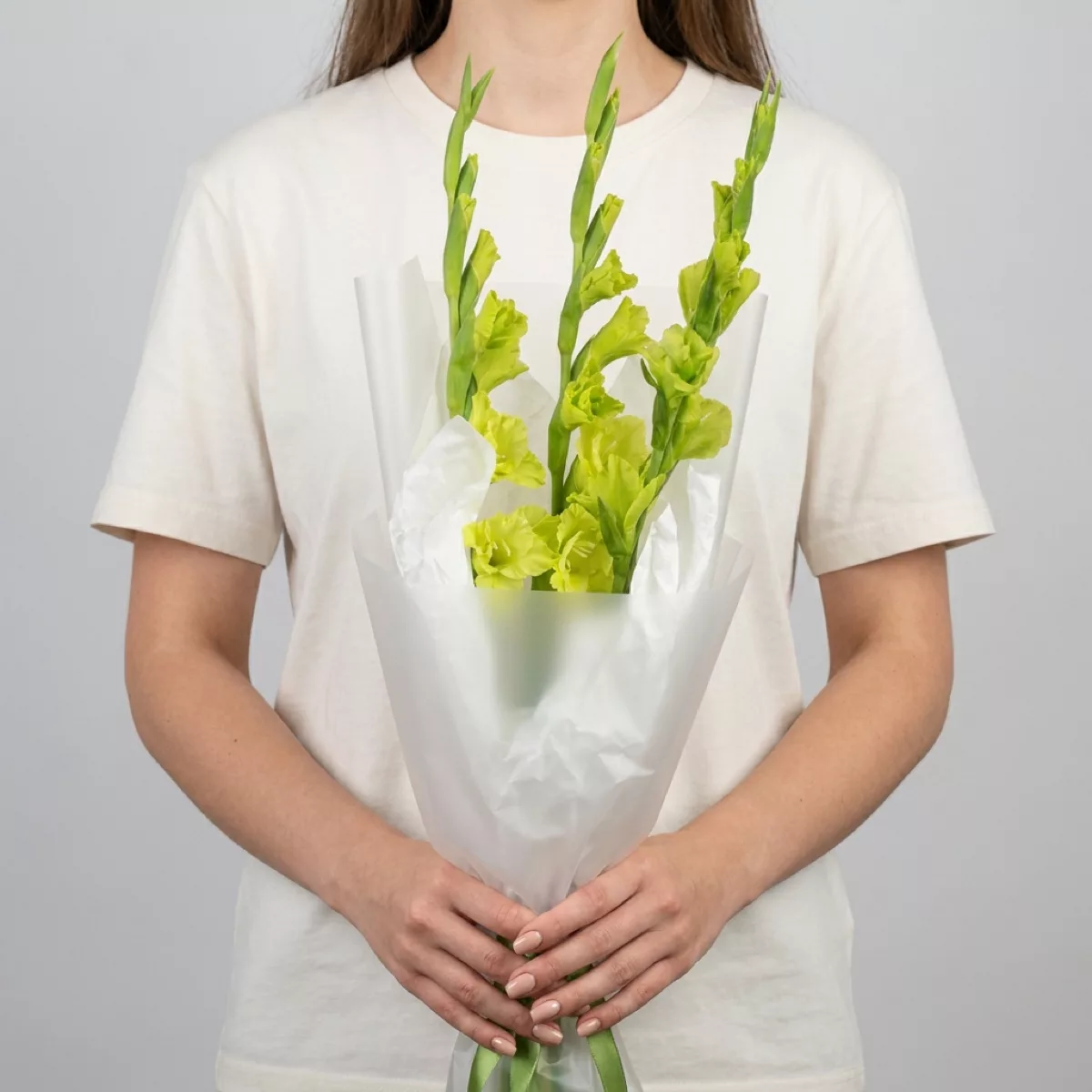
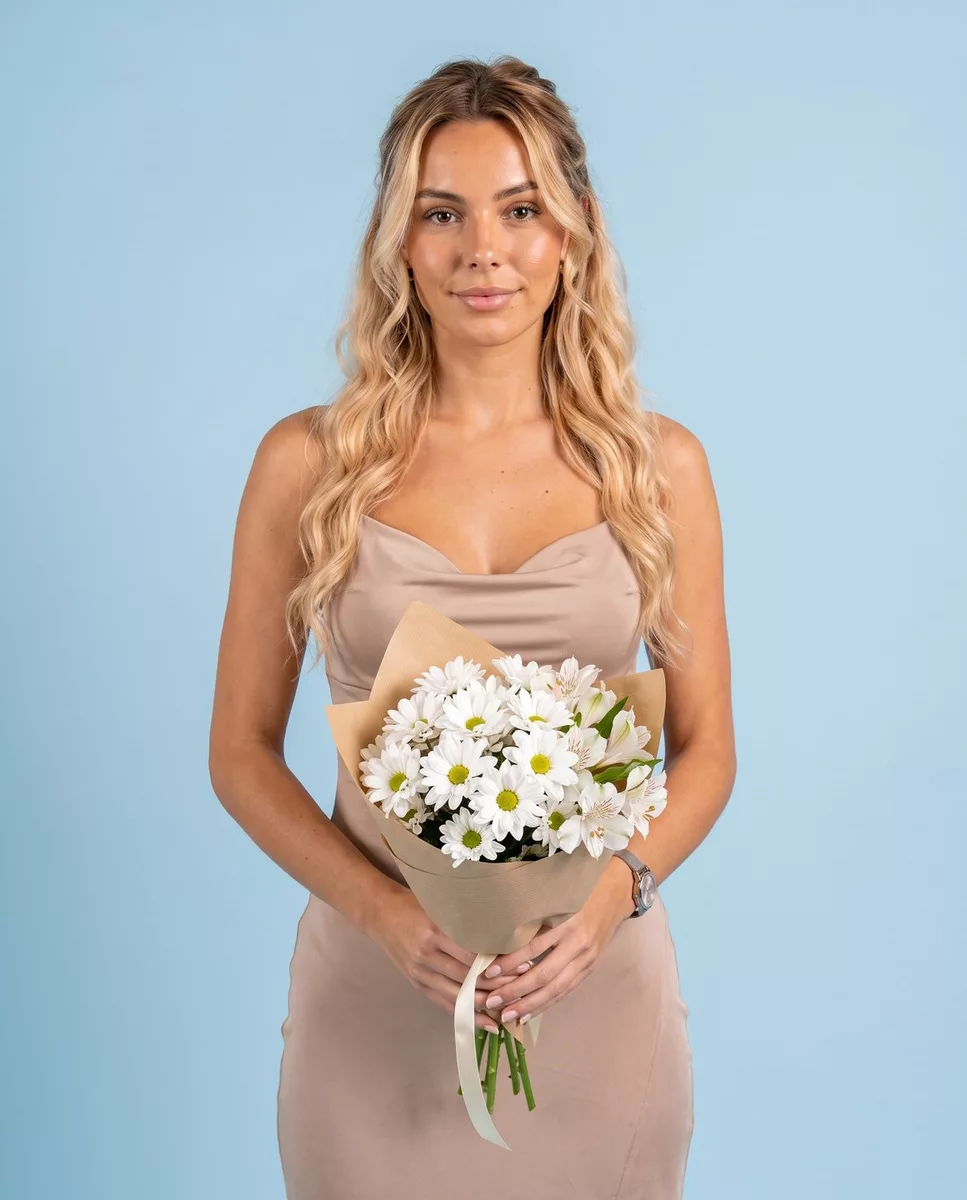
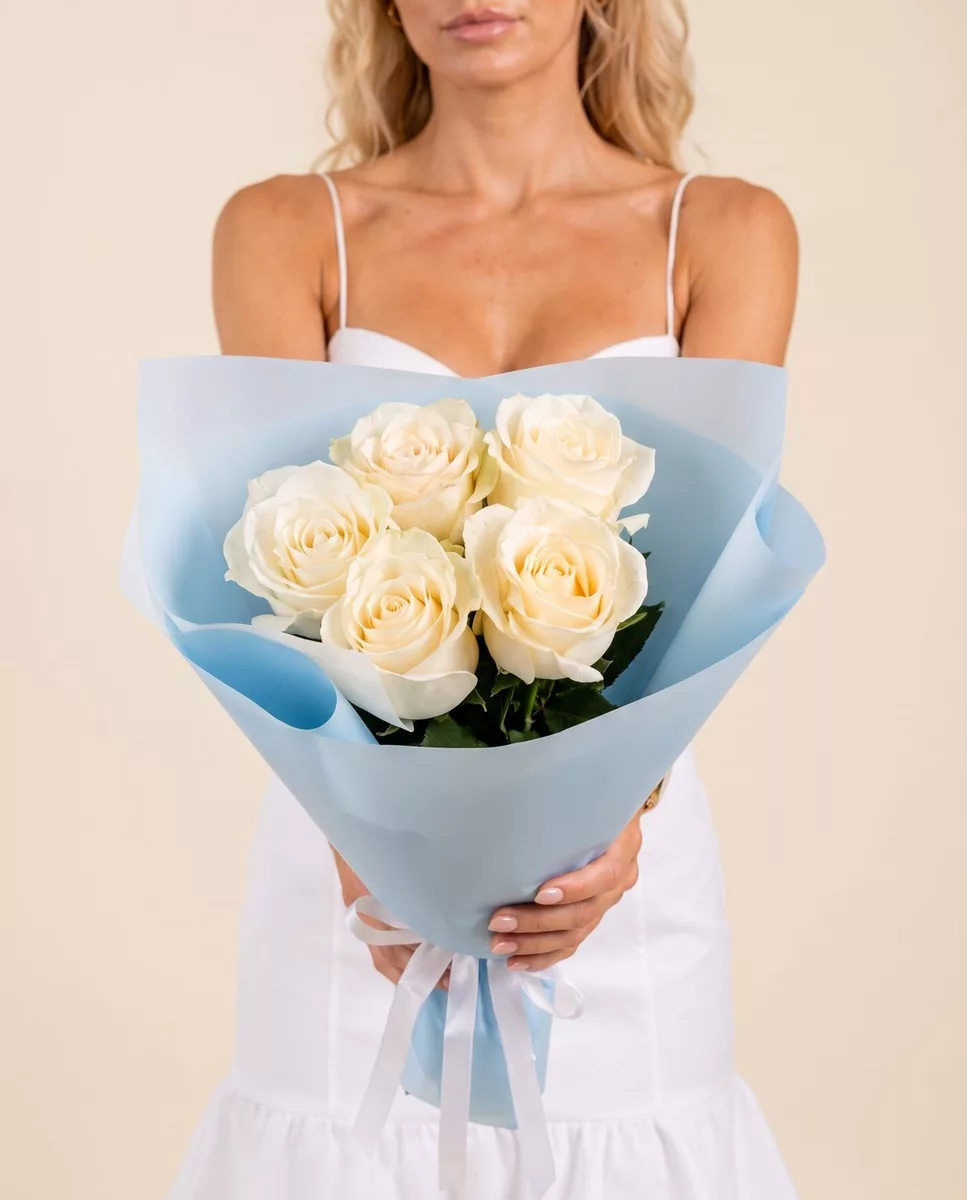
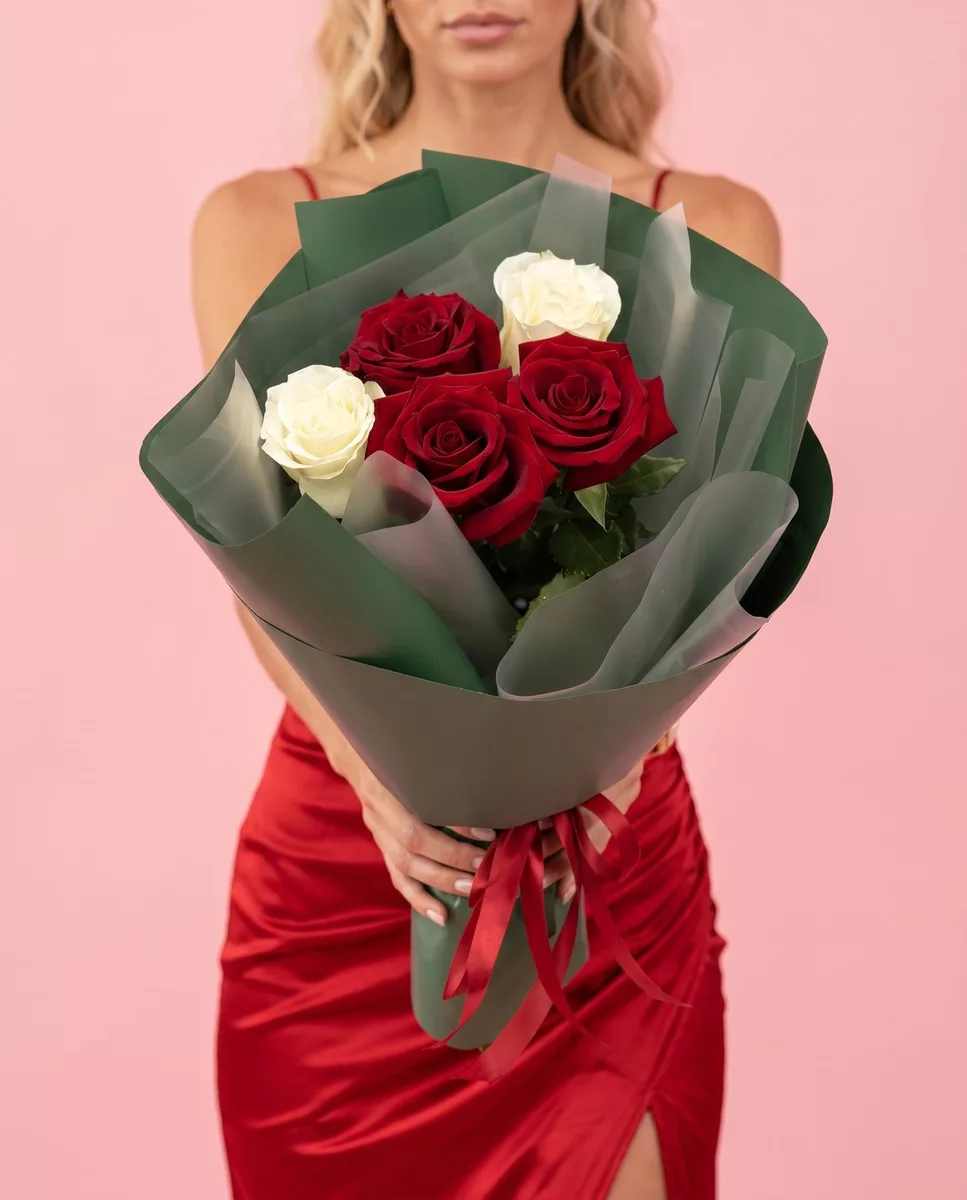
What the Occasion Tells You About the Bouquet
Before thinking about flowers at all, think about the person receiving them and what they will feel when the door opens. A grandmother celebrating her birthday wants abundance and warmth — full-headed roses, lisianthus, perhaps some eucalyptus for softness. A young woman marking a promotion wants something modern and confident: architectural stems, a tight colour story, clean wrapping. A child's recital calls for something bright and uncomplicated, sunflowers or gerberas in a single vivid colour.
Russian gifting culture has one rule that surprises many international senders: always give an odd number of flowers. Even numbers are reserved for funerals, so a bouquet of twelve roses carries an unintended message. Ask for seven, nine, eleven or fifteen stems and you are immediately on the right side of local custom. This applies regardless of the occasion.
Colour carries meaning too, though less rigidly. Red roses signal romantic love and are entirely appropriate between partners. For a friend, a colleague or a family member, mixed palettes — blush, white, soft coral, lilac — read as warm and celebratory without any romantic weight. Yellow flowers, sometimes associated with separation in older Russian tradition, are now widely given and received without that connotation, especially in cheerful mixed arrangements. When in doubt, a florist who knows the local context will steer you toward combinations that land exactly as you intend.
Choosing Flowers by Season in the Ural Region
Ordering flowers for Turinsk means working with what travels and holds well in each season, because freshness is everything. In spring, from March through May, tulips are at their peak — they arrive firm, open gradually over several days and feel genuinely seasonal. Peonies appear in late May and June and are enormously popular in Russia; a lush peony bouquet in blush or white is one of the most universally loved gifts you can send.
Summer brings garden roses with fuller heads and stronger scent than year-round hothouse varieties. Dahlias and lisianthus also perform beautifully in warmer months, holding their shape for a week or more when properly cared for. If the recipient has a garden or a dacha, a bouquet that echoes the season outside their window feels especially thoughtful.
Autumn is the season of chrysanthemums, which are genuinely well-suited to the Ural climate — they are cold-tolerant, long-lasting and available in a huge range of forms, from tight button varieties to large decorative heads. A mono-bouquet of deep burgundy or rust chrysanthemums is striking and seasonally honest.
In winter, spray roses, alstroemerias and carnations are the most reliable choices for quality in transit. They withstand temperature fluctuations better than large-headed garden roses and maintain freshness longer once in the vase. Supplement them with eucalyptus, ruscus or cotton stems for texture, and the result looks abundant even in the coldest months.
How to Place Your Order from Outside Russia
Ordering internationally does not need to be complicated, but a few practical steps make the difference between a smooth delivery and an anxious wait. First, have the recipient's full address ready in Russian if possible — the street name, building number, apartment number and the recipient's phone number. Russian addresses follow a specific format, and a phone number is essential because the courier will call ahead to confirm the delivery.
If you do not have the address in Russian, provide it in Latin characters with as much detail as you know. A good florist will transliterate and confirm before dispatching. What you must not do is leave the apartment number vague or assume the courier will find it — in Russian residential buildings, which often have multiple entrances and dozens of floors, a precise apartment number is non-negotiable.
Payment from abroad is handled online, and most international cards work without issue. Plan to complete your order at least a few hours before the desired delivery window, accounting for the time zone difference. If you want morning delivery — a lovely surprise before the recipient leaves for work — place your order the evening before by Turinsk time.
A personal message card is always worth adding. Write it in whatever language feels natural; the florist can include it as written or, if you request it, help translate a short phrase into Russian. A handwritten-style card inside the bouquet makes the moment feel complete, especially when the sender is thousands of kilometres away.
Presentation and Wrapping: What Looks Right in Russia
Russian bouquet presentation has its own aesthetic, and understanding it helps you order something that feels locally appropriate rather than generic. The dominant style is the round, dome-shaped bouquet — stems gathered tightly, flowers at an even height, wrapped in kraft paper, fabric or layered tissue with a visible texture. This silhouette is what most Russians picture when they imagine a gift bouquet, and it photographs beautifully.
Hat boxes and floral boxes have grown popular in recent years, especially for birthdays and anniversaries. They travel well, protect the blooms during delivery and feel luxurious to open. If the recipient lives in an apartment building and the courier hands over a box rather than a wrapped bouquet, it still lands with full impact.
Colour coordination in the wrapping matters as much as the flowers themselves. A bouquet of blush roses wrapped in dusty rose paper with a satin ribbon reads as considered and intentional. The same roses in mismatched wrapping feel accidental. When ordering from abroad, trust the florist's wrapping choices for the season and the occasion — they know what reads as elegant in the local context.
For milestone occasions — a significant birthday, a wedding anniversary, a graduation — adding a small accompaniment lifts the moment further. A box of chocolates, a small potted plant or a single candle alongside the bouquet turns the delivery into an event rather than just a gift. These additions are easy to request when ordering and make a real difference to how the recipient experiences the gesture.
Vase Life and Care: What to Tell the Recipient
Because you are not there to hand over the flowers yourself, a brief note about care is genuinely useful — not as a lecture, but as a small act of thoughtfulness. Most fresh bouquets, properly prepared, will last seven to twelve days with basic attention. The variables that matter most are water, temperature and stem trimming.
The moment the bouquet arrives, stems should be cut at an angle under running water — about two centimetres from the base. This reopens the water channels that close during transit and allows the flowers to drink immediately. A sharp knife or clean scissors work better than a blunt blade, which crushes the stem rather than cutting it cleanly.
Fresh, cool water changed every two days extends vase life significantly. Flowers should sit away from direct sunlight, radiators and fruit bowls — ethylene gas released by ripening fruit accelerates wilting in cut flowers, especially in roses and tulips. In a Turinsk apartment in winter, where central heating runs constantly, keeping the vase in a cooler room overnight makes a noticeable difference.
Different varieties have different lifespans. Chrysanthemums and alstroemerias regularly reach ten to fourteen days. Roses and lisianthus hold for seven to ten days with good care. Tulips are shorter-lived but open beautifully over four to six days. Knowing this helps the recipient enjoy each stage rather than feeling disappointed when early-opening blooms fade while the rest of the bouquet is still fresh and full.
Common Mistakes Senders from Abroad Make — and How to Avoid Them
The most frequent mistake is underestimating the time zone gap. A sender in London who places an order at ten in the morning assumes it is still morning in Turinsk — but it is already three in the afternoon there, and a same-day morning delivery is no longer possible. Always convert to Turinsk local time before setting your delivery window, and when in doubt, choose next-day delivery to give yourself full flexibility.
The second common error is providing an incomplete address. An apartment number missing, an entrance number forgotten, or a building number written ambiguously can delay the delivery by thirty minutes or more while the courier tries to reach someone. Double-check every element of the address before submitting the order.
Ordering even numbers of flowers without realising the cultural significance is another easy mistake. Twelve roses, four sunflowers, six tulips — all of these carry an unintended association in Russian tradition. Choose odd numbers throughout: eleven roses, five sunflowers, nine tulips. The bouquet will look just as full and cost no more.
Finally, some senders choose flowers based on what looks impressive in a photograph rather than what travels well in cold weather. Large tropical varieties or fully open garden roses can bruise in transit during a Ural winter. Trusting the florist's seasonal recommendations — even if the result looks slightly different from what you imagined — almost always produces a fresher, more beautiful result at the door. A flower that arrives in perfect condition is always more impressive than one that looked stunning in a photo but wilted on the way.
Sending flowers to Turinsk from abroad is genuinely achievable, and when it works well, the distance makes the gesture even more meaningful. Someone in a small Ural town receiving a fresh, beautifully wrapped bouquet from a person on the other side of the world feels seen in a way that a message or a transfer of money simply cannot replicate. Get the timing right, choose varieties suited to the season and the climate, include an odd number of stems, and add a personal card — those four things cover most of what makes an international flower delivery feel thoughtful rather than transactional. Turboflora handles the rest, delivering across Russia within one to two hours so that your care arrives fresh, on time and exactly as you intended.
Frequently asked questions
Can I order flowers for Turinsk if I do not speak Russian?
Yes, entirely. The ordering process on turboflora.com works in English, and you can write your message card in any language. If you would like a short phrase translated into Russian for the card, mention it in the order notes and we will include it. The only thing you need in Russian is the recipient's address, and even that can be provided in Latin characters if needed.
How far in advance should I place my order from a different time zone?
As a rule, place your order at least three to four hours before the desired delivery time, calculated in Turinsk local time, which is UTC plus five. For morning deliveries — before noon Turinsk time — placing the order the evening before your local time is the safest approach. This gives the florist full preparation time and removes any risk of a rushed arrangement.
What flowers hold up best during a Turinsk winter delivery?
Spray roses, alstroemerias, chrysanthemums and carnations are the most cold-tolerant cut flowers and travel reliably even in severe Ural winters. They withstand temperature fluctuations during the final delivery stage far better than large tropical varieties or fully open garden roses. Paired with sturdy foliage like eucalyptus or ruscus, they produce a full, fresh bouquet that arrives in excellent condition.
Is it true I should always send an odd number of flowers in Russia?
Yes, this is a genuine and widely observed custom. Even numbers of flowers are associated with mourning in Russian tradition, so a bouquet of twelve or ten stems carries an unintended message at a birthday or celebration. Choosing seven, nine, eleven or fifteen stems costs no more and immediately signals that the gift is celebratory. Most florists will apply this automatically, but it is worth knowing yourself.
What information do I need to provide to complete a delivery to Turinsk?
You need the recipient's full street address including building number, entrance number if applicable, floor and apartment number, plus their mobile phone number. The courier calls ahead to confirm delivery, so a working phone number is essential. If you are sending a surprise, note in the order that the recipient should not be called in advance and we will manage the timing accordingly.
Ready to send flowers?
Pick the city, choose the bouquet, and a local florist takes it from there.
Choose a city →