Sending Flowers to Tutaev from Abroad? Here Is Everything That Matters
Tutaev sits quietly on the Volga, about forty kilometres from Yaroslavl, and it is exactly the kind of town where a surprise bouquet lands with real impact. When you are calling from London, Toronto or Berlin, the distance feels enormous — but the feeling you want to create for someone there is simple and human. You want them to open the door and feel genuinely seen. This guide is written for you: the sender who cares about getting it right but has never ordered flowers into a small Russian city before.
Why Tutaev Is Different from Ordering to a Major City
Most international senders assume that ordering flowers to Russia means ordering to Moscow or Saint Petersburg. Tutaev is a different kind of place entirely. It is a historic town with a population of around forty thousand people, where a flower delivery is still a memorable event rather than a routine errand. That context matters when you are choosing what to send.
Because Tutaev is not a metropolitan hub, the range of available stems changes with the season. In summer, local and regional growers supply peonies, lisianthus and garden roses in generous quantities. In winter, the palette shifts toward Dutch imports — spray roses, alstroemeria, chrysanthemums and standard roses in classic colours. Knowing this helps you set realistic expectations and choose combinations that will actually be available and fresh on the day.
Delivery logistics also work differently here. Turboflora operates from Saint Petersburg with a reach across Russia, and Tutaev is well within that network. The 1–2 hour delivery window applies once the order is confirmed and assembled, so the key variable is your timing. Orders placed in the morning Russian time consistently give the best results. The town's geography — it straddles both banks of the Volga — means the recipient's exact address matters more than it might in a city with dense courier coverage. Always confirm the full address including the bank of the river before you complete the order.
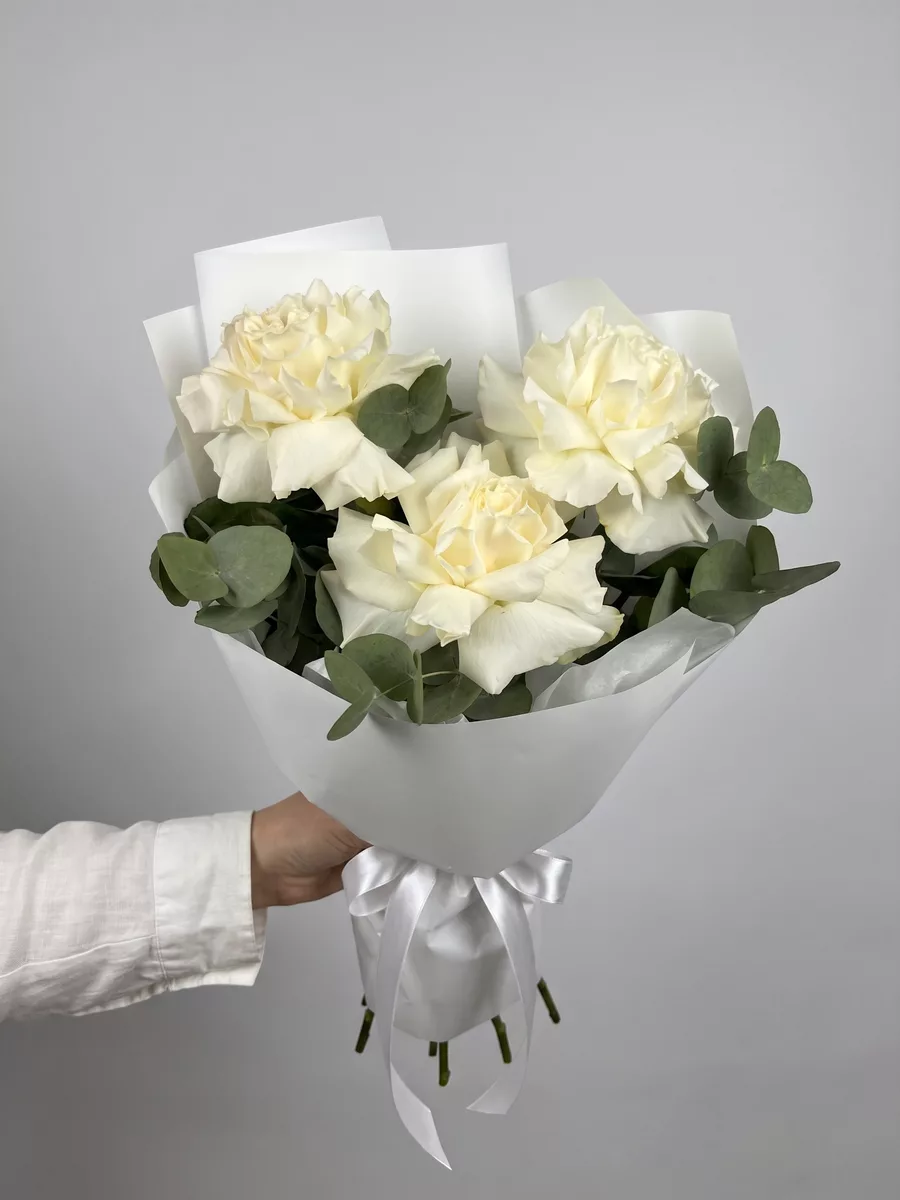
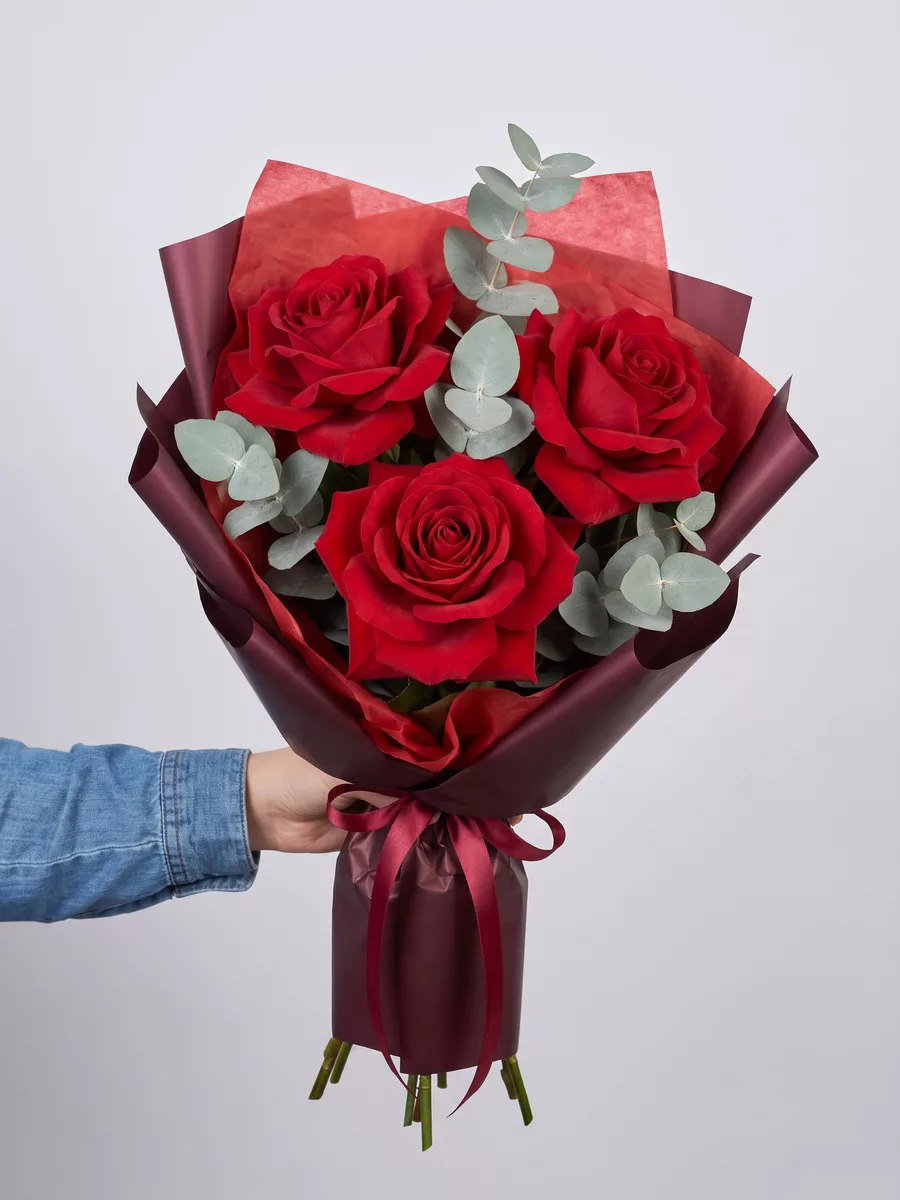
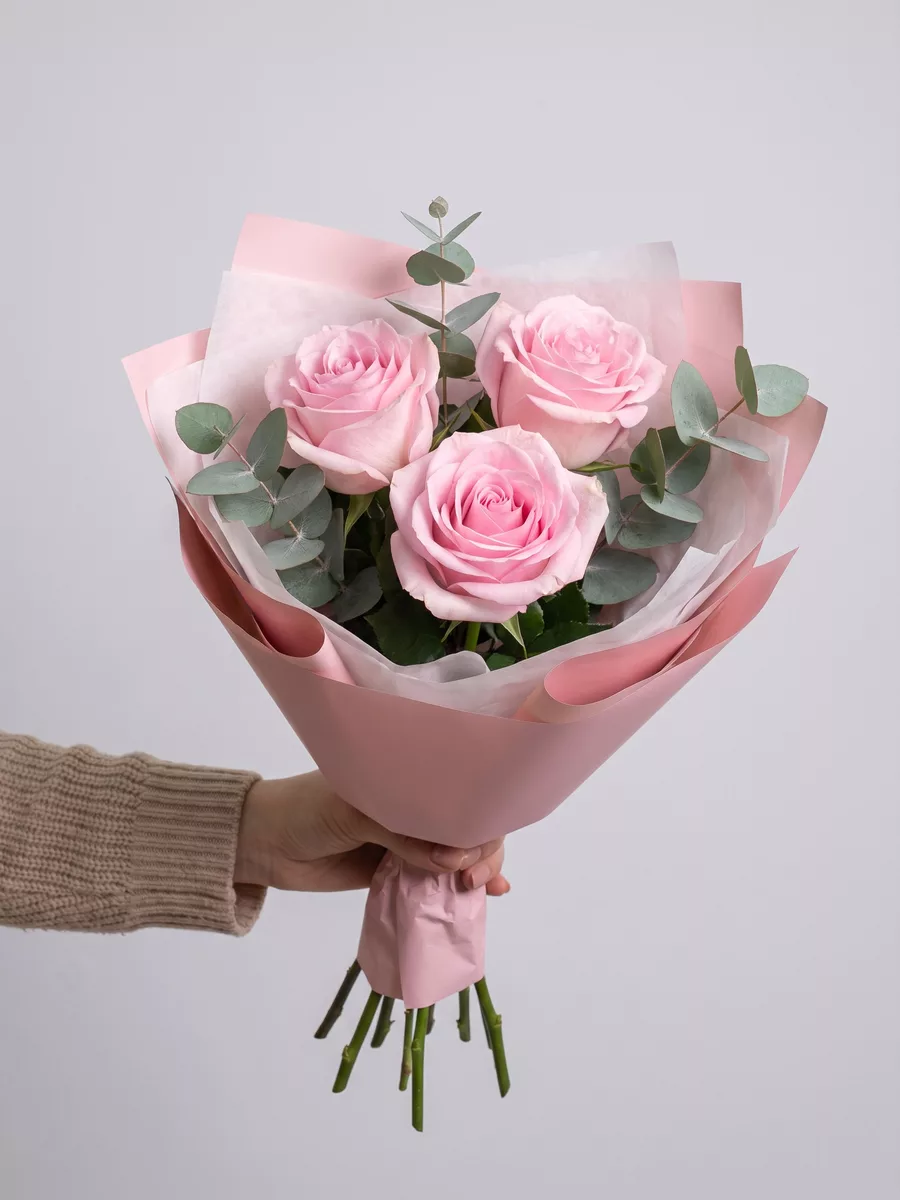
Bouquets we can deliver

Reading the Occasion Before You Choose the Flowers
The most common mistake international senders make is choosing flowers they personally like rather than flowers suited to the moment. Start with the recipient and the occasion, and let that conversation lead you to the right stems.
For a birthday, think about what the person loves. A woman in her thirties who keeps a tidy home will likely appreciate a structured bouquet of garden roses and eucalyptus. A grandmother celebrating a significant birthday responds warmly to chrysanthemums and carnations — in Russia these are genuinely beloved flowers, not the afterthought they can be in Western markets. Do not let cultural bias steer you away from them.
For a romantic gesture, red and deep-pink roses remain the clearest signal, but mixing them with white ranunculus or pale lisianthus softens the arrangement and gives it more visual depth. For a new baby, pale yellow or white tulips in spring, or white spray roses year-round, feel fresh and appropriate without being too bold.
For a congratulation — a promotion, a graduation, a new home — colour and volume matter more than variety. A large, generous bouquet in warm tones like coral, peach and cream reads as celebratory without needing explanation. Russians tend to give flowers in odd numbers for living recipients, so a bouquet of seven, nine or eleven stems follows a custom your recipient will notice and appreciate, even if they never say so out loud. It is a small detail that signals you took the time to understand their world.
Seasonal Timing and What Grows When
Russia has four very distinct seasons, and Tutaev on the Volga feels each of them fully. The flower you picture in your mind may not be the flower that arrives at its best in January, and understanding the seasonal rhythm saves you from disappointment.
Spring, roughly March through May, is the season of tulips, daffodils and hyacinths. Around International Women's Day on the eighth of March — one of the biggest flower-giving occasions in Russia — demand is enormous and ordering several days ahead is strongly advisable. Peonies begin appearing in late May and run through June, and they are spectacular in this region.
Summer brings the widest selection. Garden roses, lisianthus, sunflowers, gerberas and seasonal greenery are all at their peak. Bouquets assembled in summer have a natural abundance that is hard to replicate at other times of year. If you have any flexibility in timing a gift, summer is the easiest season to work with.
Autumn, September through November, is the season of dahlias, asters and late-season roses. The colours deepen — burgundy, rust, amber — and bouquets take on a richness that suits the landscape outside the window.
Winter is the season of imports: Dutch roses, alstroemeria, solidago and waxflower. These are reliable and long-lasting, which actually makes them practical for recipients who live alone and may not change water daily. Temperatures in Tutaev drop well below freezing, sometimes reaching minus twenty Celsius, so winter deliveries are packaged carefully to protect stems during transit.
Choosing by Budget Without Losing the Feeling
Budget is a real consideration, and there is no shame in working within one. The good news is that the emotional impact of a bouquet depends far more on composition and presentation than on the price of individual stems.
At a modest budget, a mono-bouquet works beautifully. Seven or nine stems of a single variety — white chrysanthemums, bright gerberas, or spray roses in a soft pink — wrapped cleanly with kraft paper and ribbon is a classic Russian presentation that always reads as intentional and warm. Do not underestimate it.
At a mid-range budget, you gain the ability to mix. A combination of standard roses with complementary filler — waxflower, pittosporum, or limonium — adds texture and makes the bouquet feel designed rather than assembled. Three to five focal flowers with supporting greenery is the formula most working florists return to because it reliably photographs well and lasts longer than a dense, tightly packed arrangement.
At a higher budget, volume and variety open up. Think of a large seasonal arrangement with multiple focal varieties, interesting foliage and a decorative wrapping. Peonies in season, garden roses and ranunculus together make a bouquet that stops people in a room. At this level, presentation details — the paper, the ribbon, a handwritten card — are worth specifying because they complete the gift.
Whatever your budget, write a message in Russian if you can, even a simple one. Turboflora can help with this. A card that says something personal in the recipient's own language carries more weight than an expensive bouquet with a generic note.
How to Place the Order from Outside Russia
Ordering internationally to a Russian city feels complicated before you do it the first time. In practice, it comes down to three things: the right information, the right timing, and clear communication about the recipient.
You will need the recipient's full name, their complete address including apartment number and the side of the Volga they live on, and a working Russian mobile number for the delivery call. In Russia, couriers almost always call ahead before arriving. If the recipient does not answer, the delivery may be delayed. If you are planning a surprise, it is worth thinking through this carefully — some senders give a neighbour's number or arrange to have someone nearby who can accept the bouquet.
Time zones matter significantly. Saint Petersburg operates on UTC plus three, which means that if you are in New York, you are nine hours behind. An order placed at nine in the morning New York time arrives at six in the evening in Russia — still workable for a same-day delivery, but only just. Ordering the evening before your local time, for a next-morning Russian delivery, is the most reliable approach.
Payment from abroad is processed in a straightforward way through the website, and international cards are accepted. The order confirmation comes by email, and you can include a message for the card at checkout. If you want a specific delivery window — say, before two in the afternoon because the recipient leaves for work — note it clearly in the order comments. The team reads these and acts on them.
Russian Flower Customs an International Sender Should Know
Flowers carry a specific cultural language in Russia, and a few customs are worth knowing before you order, not because breaking them causes offence, but because following them makes the gift land more warmly.
The odd-number rule is the most important. In Russian tradition, even-numbered bouquets are associated with mourning. A bouquet of six roses or ten tulips will feel off to many recipients, even if they cannot immediately say why. Always aim for an odd count: five, seven, nine, eleven stems. Most florists build bouquets this way automatically, but it is worth confirming when you order.
Colour carries meaning too, though this is softer and more personal. Red is romantic. White is pure and celebratory — it works for new babies, graduations and weddings. Yellow has a complicated reputation in older Russian tradition, sometimes associated with separation, though younger generations largely ignore this. If in doubt, mix warm tones rather than sending a purely yellow bouquet to someone you are not certain about.
Flowers are given directly, without a vase, in Russia. The bouquet itself is the gift. Wrapping is important — beautiful paper and a ribbon are expected — but you do not need to source or send a vase. Recipients have their own and enjoy choosing which one to use.
Finally, a handwritten card is considered more personal than a printed one. If you include a message, even a short one, it will be read carefully and kept. Russians tend to save cards from meaningful bouquets for a long time.
Helping the Flowers Last Once They Arrive
A bouquet that arrives in Tutaev in January has survived a cold transit, and one that arrives in July has been assembled in warm conditions. Either way, what happens in the first hour after delivery determines how long the flowers last.
The recipient should cut the stems at an angle, about two centimetres from the base, immediately after unwrapping. This reopens the vascular tissue and lets the flower drink properly. Using a clean, sharp knife rather than scissors prevents crushing the stem. Warm water — not cold, not hot — at roughly room temperature is ideal for most cut flowers including roses, lisianthus and chrysanthemums.
The vase should be clean, because bacteria in a dirty vase will shorten vase life dramatically. Rinsing with a small amount of bleach and then washing it out thoroughly before filling takes thirty seconds and adds days to the bouquet. If a flower food sachet is included with the delivery, dissolving it in the water as directed is worth doing — it is not a gimmick.
Placement matters enormously in a Russian apartment in winter. Central heating in Russian homes runs warm and dry, which accelerates wilting. Keeping the bouquet away from radiators and out of direct sunlight extends vase life noticeably. A cool windowsill — not a freezing one — is often the best spot. Changing the water every two days and re-cutting the stems at the same time will keep most bouquets fresh for seven to ten days, and hardy varieties like chrysanthemums and alstroemeria often last two weeks with this care.
Sending flowers to Tutaev from abroad is not as complicated as it sounds once you know what to expect. The distance between you and the person you are thinking of is real, but a well-chosen bouquet, ordered at the right time and delivered fresh to their door, closes that distance in a way that a message or a call simply cannot. Take a moment to think about who they are, what the season offers, and what the occasion calls for — then let the flowers do the rest.
Frequently asked questions
Can I really get flowers delivered to Tutaev the same day I order?
Yes, same-day delivery to Tutaev is available when you order during Russian business hours. Saint Petersburg is UTC plus three, so plan your order accordingly. Morning orders in Russian time give the most comfortable window. If you are ordering from a very different time zone, placing the order the evening before your local time is the safest approach for a fresh morning delivery.
What if the recipient is not home when the courier arrives?
The courier will call the recipient's Russian mobile number before arriving. If there is no answer, the delivery is held and a second attempt is made. For surprise gifts, consider giving a trusted neighbour's number as a backup contact, or arrange for someone nearby to accept the bouquet on their behalf. Note this in the order comments and the team will follow your instructions.
Are there flowers I should avoid sending to Russia for cultural reasons?
Even-numbered bouquets should be avoided, as they are traditionally associated with mourning in Russian culture. Purely yellow bouquets can carry an old association with separation, though this is less observed among younger recipients. When in doubt, choose warm mixed tones or classic reds and whites, and always confirm an odd stem count. These small details make a genuine difference to how the gift is received.
How do I write a message on the card if I do not speak Russian?
You can write your message in English and ask Turboflora to translate it into Russian for the card — just include this request in the order notes. Alternatively, write your message in English and we will include it as written. A short, sincere message in the recipient's own language always lands more warmly, so translation is worth considering for a meaningful occasion.
Which flowers last longest in a Russian winter apartment?
Chrysanthemums, alstroemeria and spray roses are the most durable choices for winter delivery into a centrally heated Russian home. They tolerate warm, dry indoor air better than delicate varieties like ranunculus or sweet peas. With clean water, a cool placement away from radiators and stem re-cutting every two days, these varieties routinely last ten to fourteen days after delivery.
Ready to send flowers?
Pick the city, choose the bouquet, and a local florist takes it from there.
Choose a city →