Sending Flowers to Uchaly from Abroad? Start Here
You are somewhere in Europe, North America or Central Asia, and someone you love is in Uchaly — a city in the southern Urals of Bashkortostan, about 270 kilometres east of Ufa. You want to send them flowers, and you want those flowers to actually arrive looking beautiful, not wilted and confused after a long chain of handoffs. The good news is that delivery to Uchaly is absolutely possible, and with a little planning you can make it feel as personal and thoughtful as handing the bouquet over yourself.
What Uchaly Is Like and Why It Matters for Your Order
Uchaly sits at roughly 800 metres above sea level in the Ural Mountains, which gives it a sharply continental climate. Winters are long and genuinely cold, with temperatures regularly dropping below minus 20 degrees Celsius from November through February. Summers are short but warm, often reaching 28 to 30 degrees in July. This temperature range is not just geography trivia — it directly affects which flowers travel well and which ones suffer.
In winter, delicate open blooms like garden roses or open-faced peonies can freeze during the final stretch of delivery if they are not properly wrapped and transported in a temperature-controlled vehicle. In summer, the same flowers can wilt from heat if the bouquet sits in a warm car for too long. Knowing the season when you order helps you choose varieties that will hold up on arrival.
Uchaly is a mid-sized industrial city with a population built around mining and metallurgy. It has a strong local culture of gifting flowers for birthdays, anniversaries, professional milestones and national holidays. Flowers are not a casual gesture here — they carry real weight. Arriving with a beautiful, fresh bouquet tells the recipient that the sender put genuine thought into the moment, even from thousands of kilometres away. That context matters when you are deciding how much care to put into your selection.
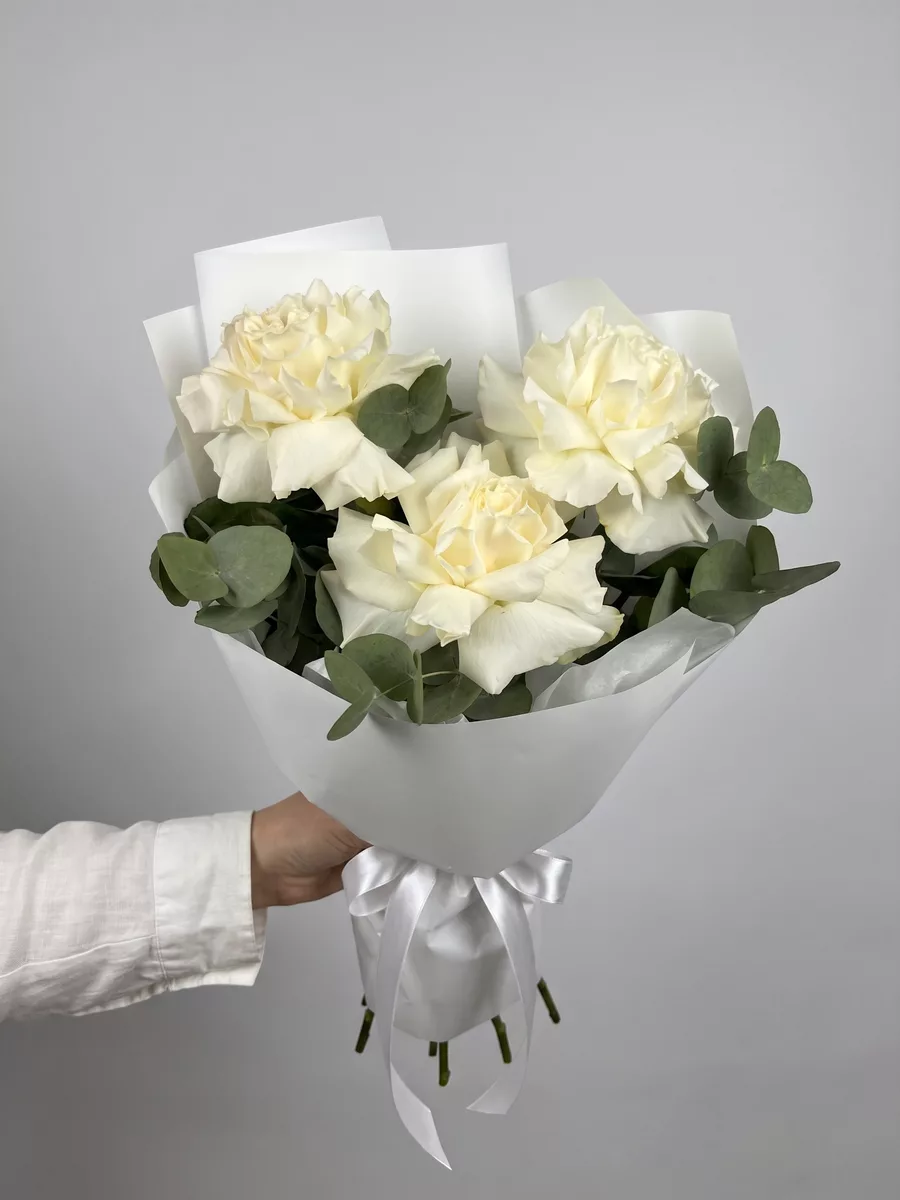
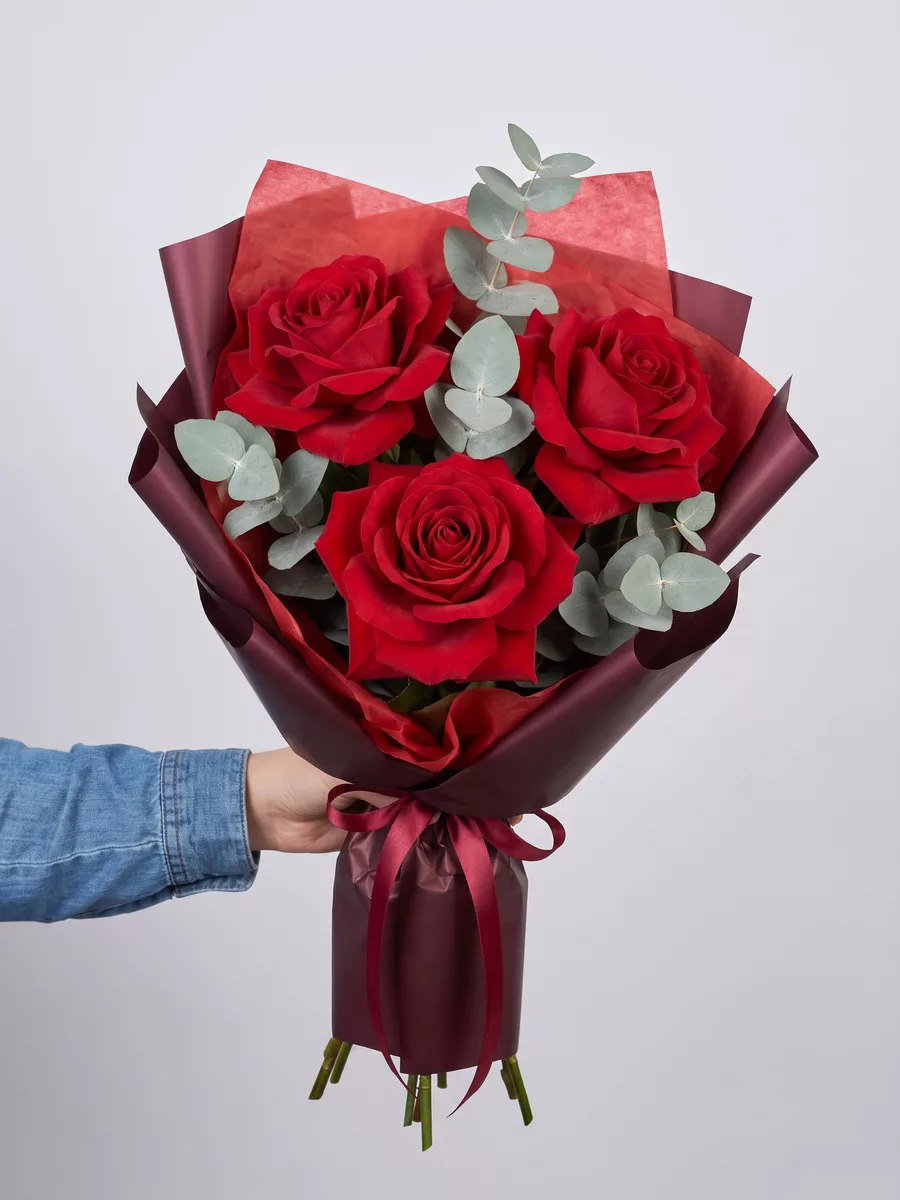
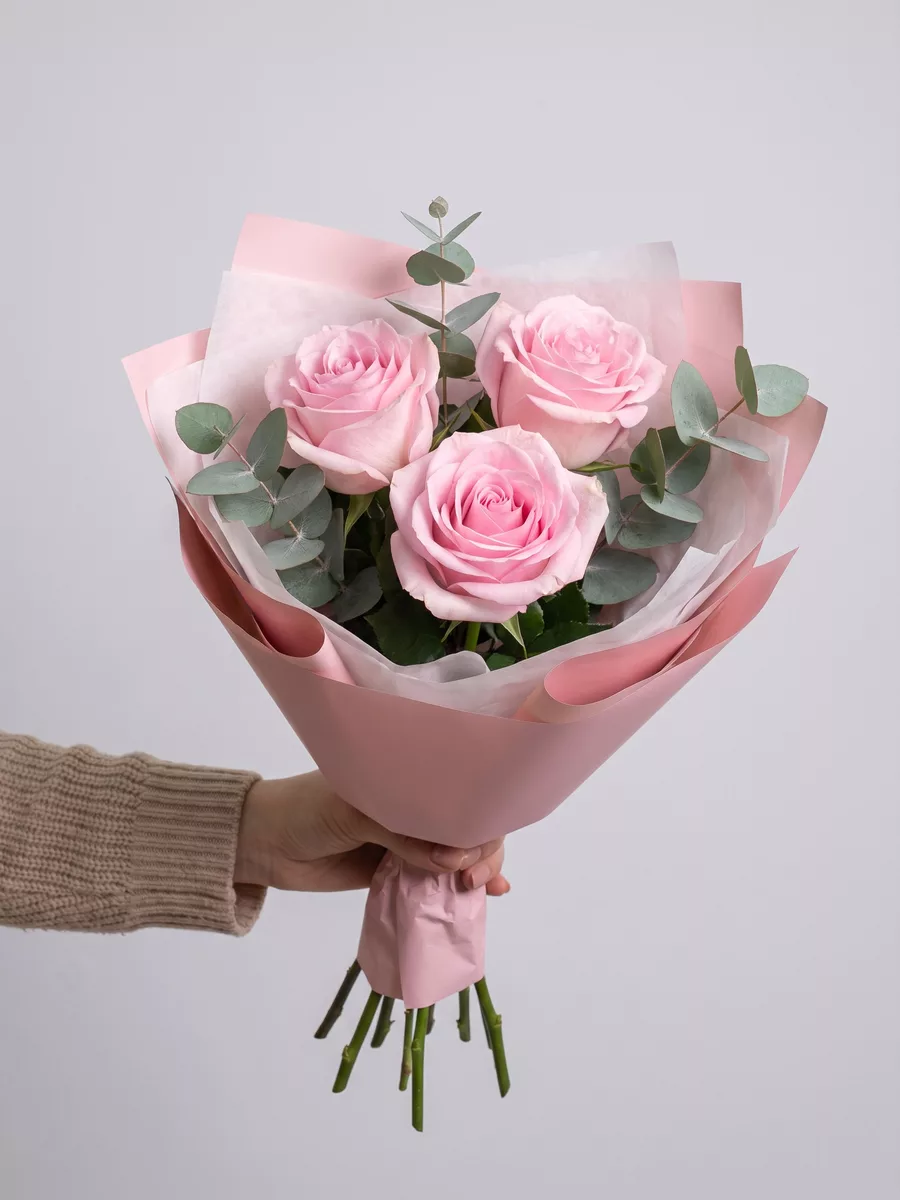
Bouquets we can deliver

Timing Your Order Across Time Zones
Uchaly operates on Yekaterinburg Time, which is UTC plus five hours. If you are ordering from Western Europe, that is four to five hours ahead of you. From the east coast of North America, you are looking at an eight to ten hour difference depending on the season. From Central Asia or the Gulf, you may actually be in a similar or slightly behind time zone, which makes coordination easier.
The practical consequence is that if you want a morning delivery for a birthday — say, flowers waiting when your recipient wakes up — you need to place your order the evening before your own local time, or very early in the morning at the latest. A noon delivery in Uchaly corresponds to 7 a.m. in London or 2 a.m. in New York. Working backwards from the desired delivery window is the single most important step an international sender can take.
Turboflora delivers within one to two hours of order confirmation across Russia, including Uchaly. That speed is only useful, however, if the order arrives with enough lead time for the florists to prepare and dispatch. Same-day delivery is available, but placing the order at least three to four hours before the desired delivery time gives the best result. For major Russian holidays such as International Women's Day on the 8th of March or Valentine's Day, adding an extra buffer of 24 hours is strongly recommended, as demand spikes sharply and the most popular varieties sell out first.
Choosing Flowers for the Person, Not Just the Occasion
Before you think about budget or varieties, think about the recipient. A woman in her sixties who grew up in the Soviet era likely has a deep affection for classic red roses or white chrysanthemums — flowers that carry decades of cultural meaning in Russia. A younger woman might love the textured softness of a mixed bouquet built around garden spray roses, eucalyptus and lisianthus. A man receiving flowers for a professional achievement responds well to structured, architectural arrangements: anthuriums, tropical leaves or a clean single-variety bouquet of tulips.
For children and teenagers, bright sunflowers, gerberas and alstroemeria in warm yellows and oranges feel celebratory without being overly formal. For a romantic gesture, red or deep burgundy roses remain the clearest signal in Russian gifting culture — but a bouquet of pale pink peonies in season, or ivory ranunculus with dusty miller, can feel more personal and less generic.
One thing to keep in mind: in Russian tradition, even numbers of flowers are associated with mourning, so bouquets are always assembled in odd numbers — five, seven, eleven, fifteen. This is not a superstition you need to enforce yourself; Turboflora's florists follow this automatically. But if you are ordering a very specific number for a symbolic reason — say, 40 roses for a 40th birthday — communicate that clearly in the order notes, as the florist will understand the intention and can accommodate it. The recipient will notice, and they will appreciate that you knew.
Seasonal Varieties That Hold Up in the Urals
Not every flower is equally suited to Uchaly's climate extremes, and choosing wisely makes the difference between a bouquet that looks stunning on arrival and one that droops within hours.
In winter, from November through March, go for roses with tight, closed buds rather than open blooms. Closed buds travel better in cold conditions and open gradually in a warm room, giving the recipient days of unfolding beauty. Alstroemeria is an excellent winter choice — it is remarkably cold-tolerant, lasts up to two weeks in a vase and comes in a wide range of colours from white and yellow to deep purple. Carnations, often underestimated, are genuinely tough flowers that hold their shape and colour even after exposure to cold air.
In spring, tulips from late February onward are culturally essential in Russia — they are the flower of the 8th of March above all others. Dutch tulips in red, yellow, white and pink arrive in enormous quantities and are at their freshest during this window. Daffodils and hyacinths also travel well and bring a strong fragrance that fills a room.
Summer and early autumn bring the peak of availability: peonies in May and June, sunflowers from July, dahlias in August and September. These are the months when a mixed seasonal bouquet is most spectacular and most affordable. Late autumn, from October onward, is chrysanthemum season in Russia — they are everywhere, beloved, and they last extraordinarily well, sometimes three weeks in a vase with proper care.
Presentation Choices That Read Well in Russian Culture
Russians have a strong visual language around flower presentation, and understanding it helps you make choices that feel right to the recipient rather than foreign or awkward.
Wrapping is important. A bouquet wrapped in kraft paper with a satin ribbon reads as classic and respectful — appropriate for a senior colleague, a parent or a formal occasion. Pastel tissue wrapping with a bow feels lighter and more romantic, suited to birthdays and anniversaries between people who are close. A completely unwrapped bouquet in a decorative sleeve or box has become fashionable in larger Russian cities and reads as modern and stylish.
Box arrangements — flowers arranged in a hatbox or a square florist's box — have grown enormously popular in Russia over the past decade. They are easier to transport, they look luxurious when the lid is lifted, and they photograph beautifully, which matters because the recipient will almost certainly photograph them and share the image. If your recipient is active on social media or simply takes pride in their home, a box arrangement is a strong choice.
Adding a handwritten card in Russian is a gesture that lands very well. If you are not a Russian speaker, you can write your message in English and ask the florist to translate it, or simply write in your own language — the effort of a personal note in any language communicates care. Avoid generic printed messages if you can; a specific, personal line about the occasion or the person will be remembered long after the flowers are gone.
Vase Life and Care Instructions for the Recipient
One of the kindest things you can do when sending flowers from abroad is to make sure the recipient knows how to care for them. Many people receive flowers without any idea that a few simple steps can double or triple how long they last.
When the bouquet arrives, the stems should be cut at a 45-degree angle under running water or in a bowl of water — this prevents air bubbles from blocking water uptake. Roughly two centimetres from the bottom is enough. Any leaves that would sit below the waterline in the vase should be removed, as submerged leaves rot quickly and contaminate the water.
The vase water should be changed every two days, and the stems re-cut each time. Cool, clean water is always better than warm. The bouquet should be kept away from direct sunlight, radiators and draughts — in Uchaly's winters, this means keeping flowers away from both the window (cold) and the heating unit (dry heat), which can be a narrow corridor to navigate in a small apartment.
For specific varieties: roses benefit from being unwrapped and left in a bucket of deep water for two hours before arranging, allowing them to drink deeply. Tulips continue to grow after cutting and will lean toward any light source — rotating the vase keeps them upright. Alstroemeria lasts longest when the small leaves along the stem are stripped away entirely. Chrysanthemums can go three weeks with daily water changes. Including a short care note with the delivery is something Turboflora can arrange — ask for it in the order comments.
Paying from Outside Russia and Confirming Delivery
Ordering from abroad involves two practical concerns beyond flower selection: payment and confirmation that the delivery actually happened.
Turboflora accepts international payment methods through its website, so the transaction itself is straightforward. The main thing to check is that your card is enabled for international transactions and that you have not set a block on Russian merchant categories — some banks do this automatically. If a payment is declined, trying a different card or using a digital wallet often resolves the issue immediately.
Once the order is placed, you will receive a confirmation. Delivery confirmation — a photograph of the bouquet at the door or in the recipient's hands — can be requested and is particularly reassuring when you are ordering from a different country and cannot check in easily. This photograph also serves as a lovely record of the moment.
Communicating with the recipient in advance is a personal choice. Some senders prefer to keep the delivery a complete surprise, which works well for birthdays and romantic occasions. Others prefer to let the recipient know a bouquet is coming so they can be home to receive it — this is practical in a city like Uchaly where apartment buildings sometimes have locked entrance doors that require the recipient to buzz in a delivery person. If the recipient is at work, their workplace address is a perfectly valid delivery destination, and flowers arriving at the office in front of colleagues make the moment even more memorable for the recipient.
Sending flowers to Uchaly from abroad is less complicated than it sounds once you understand the time zones, the climate and the cultural context. The distance between you and the recipient shrinks considerably when a fresh, beautiful bouquet arrives at their door within hours of your order — smelling of real flowers, wrapped with care and carrying a note that only you could have written. The Ural Mountains are far from most of the world, but a well-chosen bouquet travels the whole distance in a way that a message or a phone call simply cannot.
Frequently asked questions
Can I order flowers for Uchaly if I do not speak Russian?
Yes, entirely. Turboflora's website works in multiple languages and the order process is straightforward. You can write your card message in English or any language you prefer, and the florist will include it exactly as written. The recipient will understand the gesture regardless of the language on the card.
What is the safest flower to send in a Uchaly winter?
Alstroemeria, carnations and roses with closed buds are the most cold-tolerant choices for Uchaly's winters. They withstand brief exposure to cold air during the final delivery stage far better than open peonies or garden roses. Alstroemeria in particular lasts up to two weeks in a vase, making it excellent value for a long-distance gift.
Why do Russian bouquets always have an odd number of flowers?
In Russian tradition, even numbers of flowers are associated with mourning and are brought to cemeteries or funerals. Odd numbers — five, seven, eleven — are for celebrations and living recipients. Turboflora follows this automatically, so you do not need to count, but it is useful to understand when specifying a particular quantity for a symbolic reason.
How far in advance should I order for the 8th of March?
At least 24 to 48 hours before the desired delivery time. International Women's Day on the 8th of March is the single busiest day for flower delivery in Russia, and demand for tulips especially is enormous. Ordering the day before guarantees the best selection and ensures your delivery slot is secured before the peak rush begins.
Can the bouquet be delivered to a workplace in Uchaly rather than a home address?
Absolutely, and workplace deliveries are often the most memorable because the recipient receives the bouquet in front of colleagues. Provide the full workplace address and the recipient's name in the order. It helps to let the recipient know they have a delivery coming so they are present and the entrance is accessible to the courier.
Ready to send flowers?
Pick the city, choose the bouquet, and a local florist takes it from there.
Choose a city →