Sending Flowers to Uglich from Abroad? Here Is What to Expect
Uglich sits on the Volga about 270 kilometres north-east of Moscow — a small, historic city where a beautifully arranged bouquet arriving at the door still feels like a genuine event. If you are calling or clicking from London, Berlin, New York or anywhere else outside Russia, the distance can feel like a wall. It is not. With a few pieces of practical knowledge, you can send fresh flowers that arrive looking as though you handed them over yourself.
Why Uglich Is Different from Sending to a Big City
Most international senders picture Moscow or Saint Petersburg when they think of Russian flower delivery. Uglich operates on a different rhythm. It is a quieter place, population under forty thousand, where people notice the details — the ribbon colour, whether the stems are wrapped in kraft paper or cellophane, whether the arrangement smells of something real. A generic supermarket-style bunch would feel out of place here. The recipient will almost certainly display the flowers in a prominent spot and talk about them with neighbours or colleagues, so presentation carries extra weight.
The city also sits in a continental climate zone. Winters are genuinely cold, with January averages well below minus ten Celsius, and summers are warm but short. That temperature range matters enormously for which flowers travel well at different times of year and how the courier handles the last stretch of the journey. Delicate tropical blooms that survive a Moscow summer may arrive bruised after a February delivery in Uglich if the packaging is not adapted to the cold.
Delivery to Uglich is entirely possible and runs smoothly when it is planned with those local conditions in mind. The key difference from a capital city order is that you want to build a small buffer into your timing — not days, but a few extra hours — so that nothing feels rushed at the receiving end. Understanding that buffer is the first practical step for any sender abroad.
Bouquets we can deliver

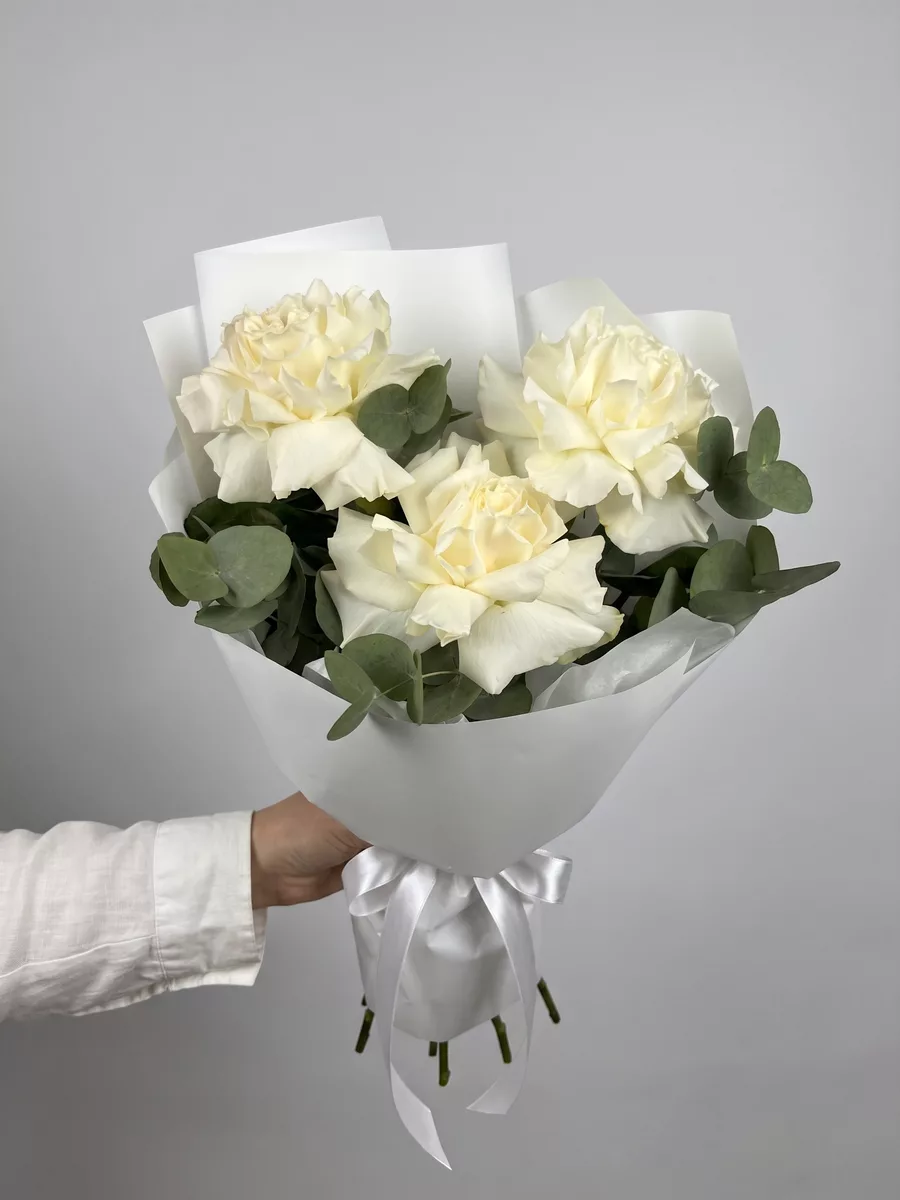
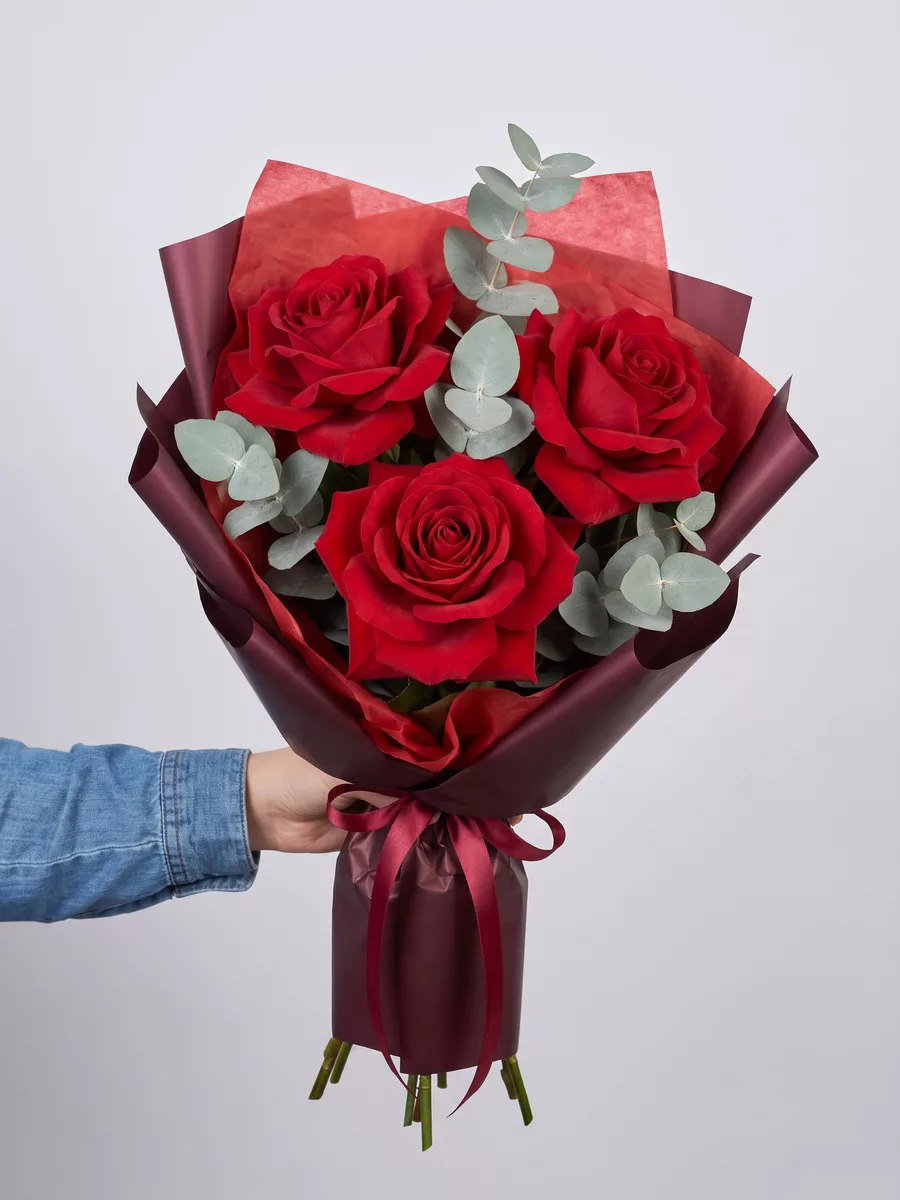
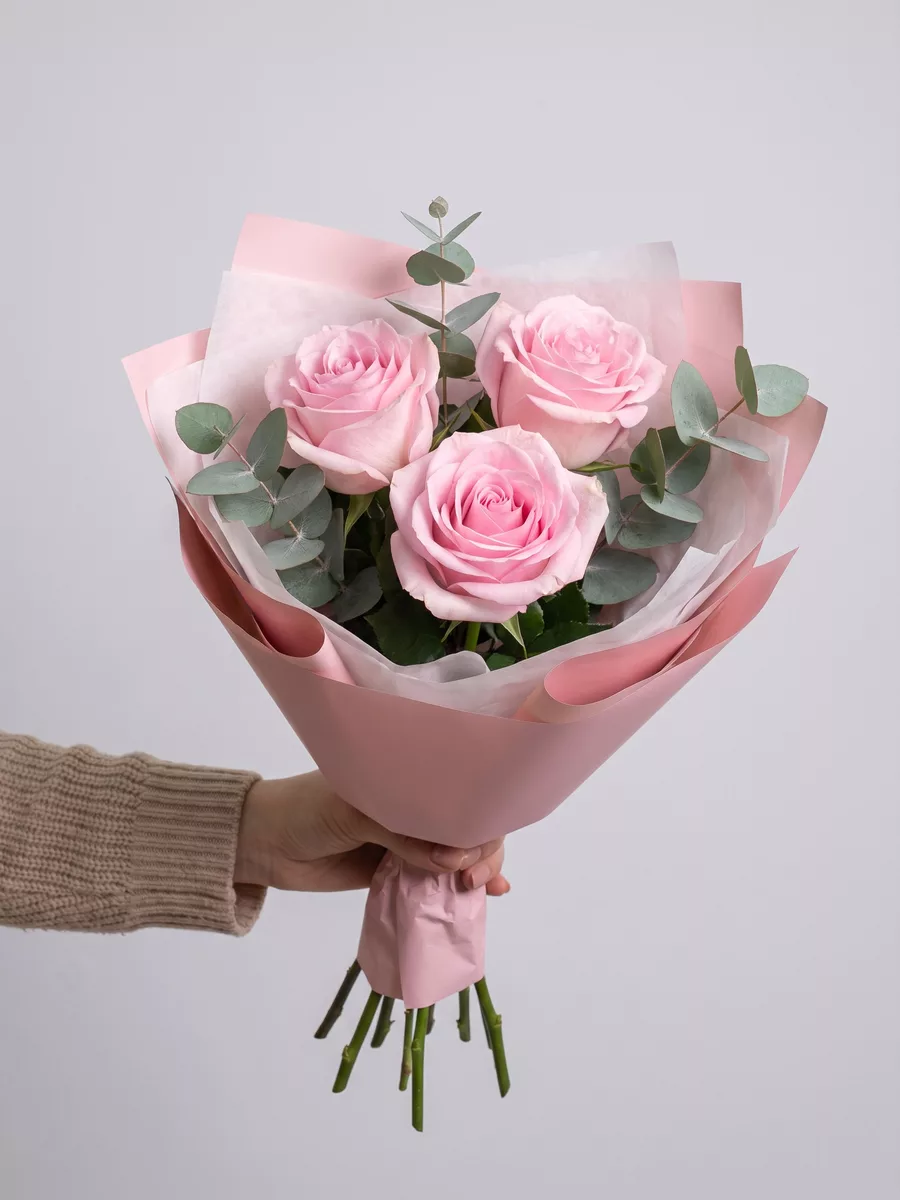
Choosing the Right Occasion Framing Before You Pick a Single Flower
Before you open any flower selection page, spend thirty seconds thinking about what the recipient will feel when the doorbell rings. Russian culture places real importance on that first impression. A bouquet is read almost like a short letter — the colours, the number of flowers and the overall mood all carry meaning that your recipient will register instinctively, even if they never say so aloud.
For birthdays and name days, which are both celebrated warmly in Russia, bright and generous arrangements work best. Think full-headed roses in coral or deep pink, lisianthus in white or violet, and sunflowers if the season allows. The bouquet should look abundant rather than minimal. For anniversaries, especially round numbers like ten or twenty-five years, red roses remain the classic choice, though a sophisticated mix of garden roses, ranunculus and eucalyptus reads as more contemporary and is increasingly appreciated.
For congratulations on a new job, a new home or a graduation, something with a sense of freshness suits the moment — white and green combinations, tulips in spring, or a structured arrangement with alstroemeria and green chrysanthemums. If you are sending to someone you have never met in person, perhaps a business contact or a relative of your partner, stay with neutral palettes: cream, white, soft peach. These communicate warmth without presuming intimacy. Knowing the occasion before you know the flowers means you will not end up with something technically correct but emotionally off-key.
Timing Your Order When You Are in a Different Time Zone
Uglich follows Moscow Standard Time, which is UTC plus three. There is no daylight saving adjustment in Russia, so the gap between you and your recipient is fixed year-round. If you are in Western Europe, you are two hours behind. From the United States East Coast, you are eight hours behind. From the West Coast, eleven. That arithmetic matters more than it might seem.
Turboflora handles delivery within one to two hours of order confirmation. But if you place an order at what feels like mid-morning your time and it is already late evening in Uglich, the bouquet will arrive when your recipient may already be asleep or unavailable. The ideal delivery window for most occasions is between eleven in the morning and seven in the evening local Uglich time. Work backwards from that window using the time difference, and you will know exactly when to sit down and place your order.
For surprise deliveries, where you want the recipient to be home, consider their weekly routine. Many Russians are home on weekend mornings and available on weekday evenings after six. If the occasion is a birthday and you know the person works a standard office schedule, a lunchtime delivery — arriving between noon and two — often works perfectly, because colleagues may see it arrive and that adds to the joy of the moment.
One common mistake from senders abroad is placing an order very late at night in their own time zone without checking what hour that translates to in Russia. A quick time-zone check takes under a minute and prevents the awkward situation of flowers arriving at midnight.
Which Flowers Hold Up Best for This Delivery Route
Not every flower is equally suited to a delivery that covers real distance in variable weather. Roses are the most reliable choice across all seasons because they are bred for transport, hold their form under cold storage and open gradually once in water. Garden roses — varieties like David Austin types with their many-petalled cups — are slightly more delicate than standard hybrid tea roses but still travel well if the packaging includes water-retaining wrapping at the stem ends.
Chrysanthemums are underrated for long-haul deliveries. They last ten to fourteen days in a vase, resist temperature swings better than most flowers and come in enough colours and forms — spray, button, spider — to suit almost any aesthetic. Alstroemeria is another strong performer: the blooms are small but the stems carry multiple buds, so the arrangement continues to open over several days after arrival, which the recipient experiences as the bouquet evolving rather than fading.
In winter, between November and March, avoid flowers that are naturally sensitive to cold: anemones, sweet peas and open garden roses with very thin petals can suffer if the delivery vehicle is not properly heated for the final stretch. In summer, the concern shifts to heat — tulips, for example, open very fast in warm conditions, so they are best sent in spring when temperatures are moderate.
Lisianthus, statice and waxflower are excellent supporting players in any season. They add texture and volume, last well in the vase and give the florist room to build a composition that looks considered rather than assembled.
Navigating the Address and Recipient Details from Outside Russia
This is the section most international senders skip, and it is the one most likely to cause a problem. Russian addresses follow a specific structure that differs from Western formats. The typical order is: city, street name, building number, apartment number. In Uglich, as in most Russian cities, many residential buildings are large blocks with multiple entrances, so the entrance number — podezd in Russian — and the floor number are often just as important as the apartment number itself.
When you fill in the delivery address, write it out completely. Do not abbreviate. If you know the recipient lives in apartment forty-seven, entrance three, fifth floor, include all of that. If you only have the street and building number, that is still workable, but the courier may need to call ahead, which is fine as long as the recipient's phone number is correct and active.
The recipient's phone number is not optional for a delivery in Uglich. The courier will typically call or send a message to confirm they are approaching. Make sure the number you provide includes the Russian country code, which is plus seven, followed by the ten-digit mobile number. If the recipient uses a messenger app like WhatsApp or Telegram, note that in the order comments — Russian couriers commonly use both.
If you are sending a surprise and do not want the recipient to be called in advance, say so clearly in the order notes. The team can work around it, but they need to know. A building with a locked entrance code is another detail worth passing on if you have it.
What to Write on the Card — and Russian Customs Around Messages
A card message accompanying flowers in Russia is taken seriously. It is not just a formality. Many recipients keep the card for a long time, especially for significant occasions. That means a thoughtful three or four sentences will land better than a single line, and a handwritten-style printed card feels warmer than a plain typed label.
If you are writing in English, that is perfectly fine — many Russians read English, and a message in your own language carries authenticity. If you would like the message in Russian and you do not speak the language, you can write it in English and ask the florist team to translate it for you. Keep the tone warm and specific: mention the occasion, something personal if you can, and close with your name. Generic phrases like simply writing a name and nothing else leave the recipient uncertain about the intent.
Russian culture does not have a strong tradition of ironic or understated card messages. Warmth is expected and welcomed. Phrases that might feel over-the-top in a British context — telling someone they are wonderful, that you think of them often, that you wish them every happiness — are read at face value in Russia and received with genuine pleasure.
One small cultural note: an even number of flowers in a bouquet is traditionally associated with mourning in Russia, so florists always compose arrangements with an odd count. You do not need to specify this — any experienced florist will follow it automatically — but it is useful to know so you are not surprised when you see the final count listed as seven, nine or eleven rather than ten or twelve.
Helping Your Recipient Get the Most from the Bouquet
A beautiful bouquet deserves a few minutes of care when it arrives, and passing along simple instructions as part of your message shows thoughtfulness. The most important step is re-cutting the stems. Even if the flowers were cut fresh that morning, the ends seal over within hours. A diagonal cut of about two centimetres, made with a sharp knife rather than scissors, opens the stem properly and allows water uptake. Scissors can crush the vascular tissue, which shortens vase life significantly.
The water in the vase should be cool and clean. Lukewarm or warm water encourages bacteria to grow faster and shortens the life of most flowers. Changing the water every two days and re-cutting the stems at each change can extend vase life by several days. Most flowers last longest away from direct sunlight, heating radiators and fruit bowls — ethylene gas released by ripening fruit accelerates petal drop in roses and lisianthus.
For roses specifically, if the outer petals look slightly bruised or papery on arrival, they can be gently removed. These guard petals protect the inner bloom during transport and are meant to be peeled away. Underneath, the rose will look fresh and full. Recipients who do not know this sometimes think the flower is damaged when in fact it is perfectly healthy.
Lisianthus and alstroemeria will continue to open over three to five days after arrival, so the bouquet changes shape as the week goes on. Chrysanthemums and statice hold their form almost unchanged for ten days or more. Knowing this helps the recipient understand they are not watching flowers fade — they are watching a composition perform.
Sending flowers to Uglich from abroad is genuinely straightforward once you understand the time zone, the seasonal flower choices and the small cultural details that make a bouquet feel personal rather than transactional. The distance between you and your recipient shrinks the moment fresh flowers arrive at their door — and in a city like Uglich, where that kind of gesture is still a real occasion, it matters more than you might expect.
Frequently asked questions
Which flowers hold up best during winter delivery to Uglich given the extreme cold?
Roses, chrysanthemums and carnations handle cold transit better than most. Avoid tropical varieties like bird of paradise or anthurium between November and March — the final courier leg in sub-zero temperatures can bruise delicate petals before the door even opens. Spray roses and alstroemeria are reliable winter choices that still look considered rather than cautious.
Does the continental climate in Uglich affect which blooms are available locally in summer?
Summer brings genuinely good local availability — peonies, dahlias and sunflowers are often sourced regionally rather than shipped from Moscow, which means fresher stems at the point of arrangement. If you are ordering in June or July, ask the florist what is coming in locally that week. Seasonal combinations almost always outperform a fixed catalogue choice in summer.
How should I describe the occasion to the Uglich florist so the arrangement feels right culturally?
Be specific about the relationship and the moment — a birthday for a grandmother reads very differently from congratulations to a colleague. Russian florists pay close attention to that context when choosing ribbon colour, wrapping style and whether to include foliage. A brief note saying who the recipient is and what the occasion means to them will shape the result more than any colour preference you specify.
Is kraft paper or cellophane wrapping more appropriate for a bouquet delivered in Uglich?
Kraft paper reads as more thoughtful and intentional in smaller Russian cities, where presentation details are genuinely noticed. Cellophane is functional but can feel impersonal. If the florist offers a choice, kraft with a simple ribbon tends to land better for personal occasions. For a formal or professional delivery, a clean box arrangement can work well and travels more securely.
What vase life should my recipient expect from flowers delivered to Uglich, and how can I help from abroad?
A well-conditioned bouquet from a reputable florist should last seven to ten days with basic care. Include a short note asking the recipient to trim stems at an angle, change the water every two days and keep the arrangement away from direct sunlight and radiators — central heating in Russian homes runs warm and is the most common reason flowers fade faster than expected.
Ready to send flowers?
Pick the city, choose the bouquet, and a local florist takes it from there.
Choose a city →