Sending Flowers to Unecha from Abroad: Your Questions Answered
Unecha sits in the Bryansk region, close to the Belarusian border, and it carries the quiet, unhurried character of a small Russian town where a bouquet arriving at someone's door means a great deal more than the flowers themselves. When you are placing an order from London, Berlin, New York or Tel Aviv, the distance can feel like a barrier — but it rarely has to be. What matters most is knowing a few practical things before you click confirm: how Russian recipients typically receive flowers, what grows well enough to survive the journey, and how to time everything so the moment lands right.
Why Unecha Is Worth the Extra Thought
Unecha is a town of roughly thirty thousand people, which means that receiving a professionally arranged bouquet delivered to your door is still a genuinely special event. Your recipient will almost certainly show it to neighbours, photograph it for family chats and keep the wrapping far longer than people in larger cities tend to. That context changes how you should think about presentation. A loosely gathered hand-tied bouquet in kraft paper reads as warm and personal here. A stiff, over-structured arrangement can feel cold or impersonal to someone accustomed to the softer Russian floristry tradition.
The Bryansk region has cold winters and warm summers, so the local sense of what flowers feel appropriate shifts with the season. In January and February, a bouquet of tulips or spray roses arriving indoors carries a genuine emotional weight — fresh colour against grey skies. In June or July, garden-style arrangements with lisianthus, matthiola or alstroemeria feel natural and celebratory rather than imported and exotic.
From abroad, you also cannot easily check the weather forecast for the day of delivery. Unecha winters regularly drop below minus ten Celsius, and that matters for which flowers travel well. A good florist will already account for this, but it helps to understand why certain varieties are recommended over others at different times of year. Your recipient deserves flowers that still look alive when the door opens, not ones that have wilted in transit.
Bouquets we can deliver

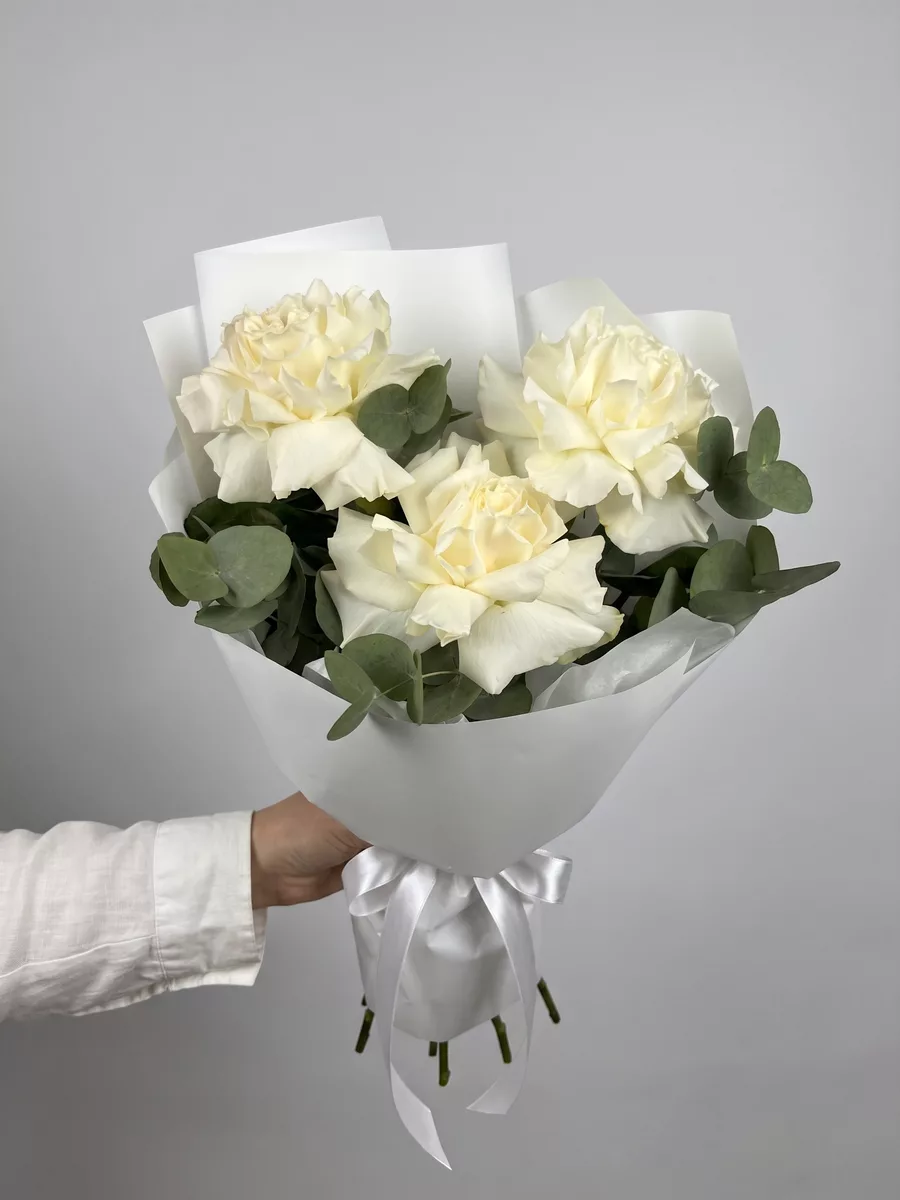
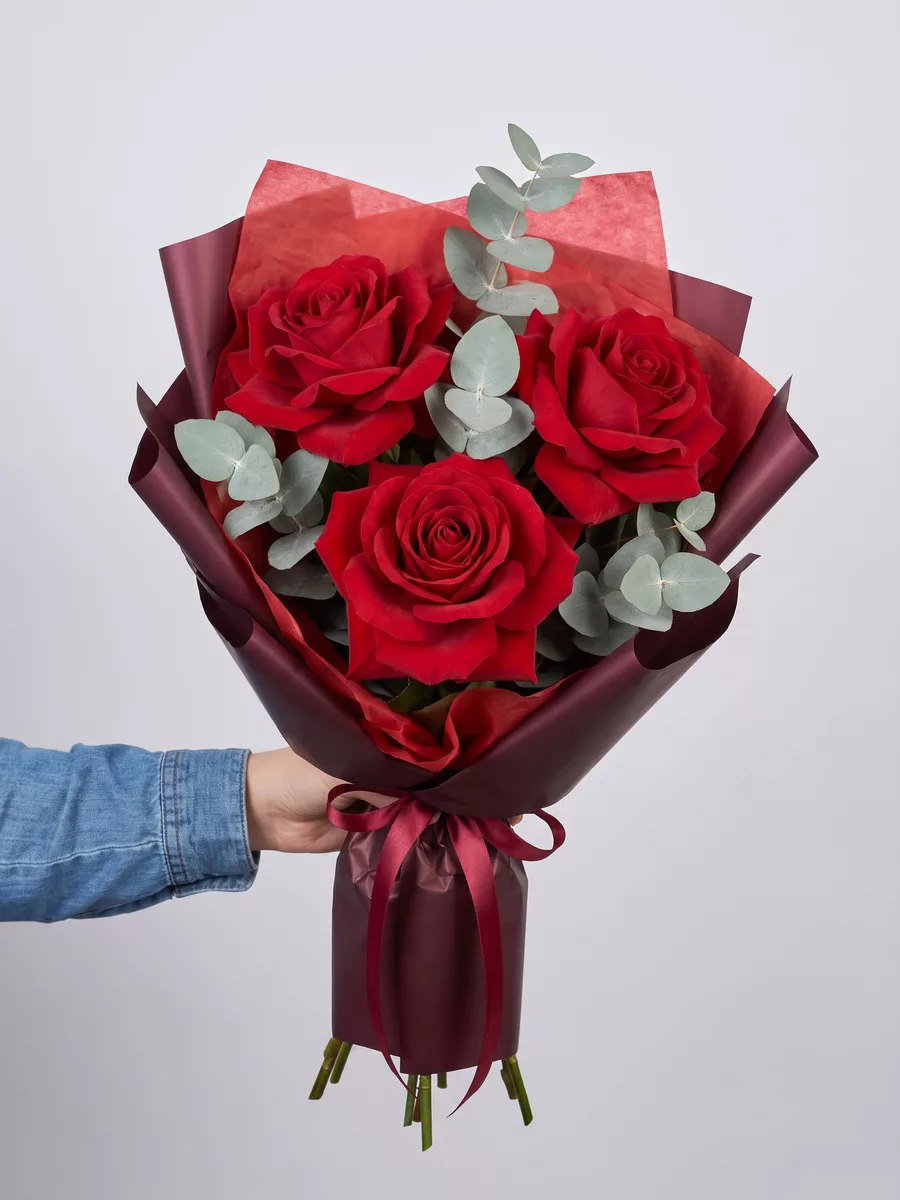
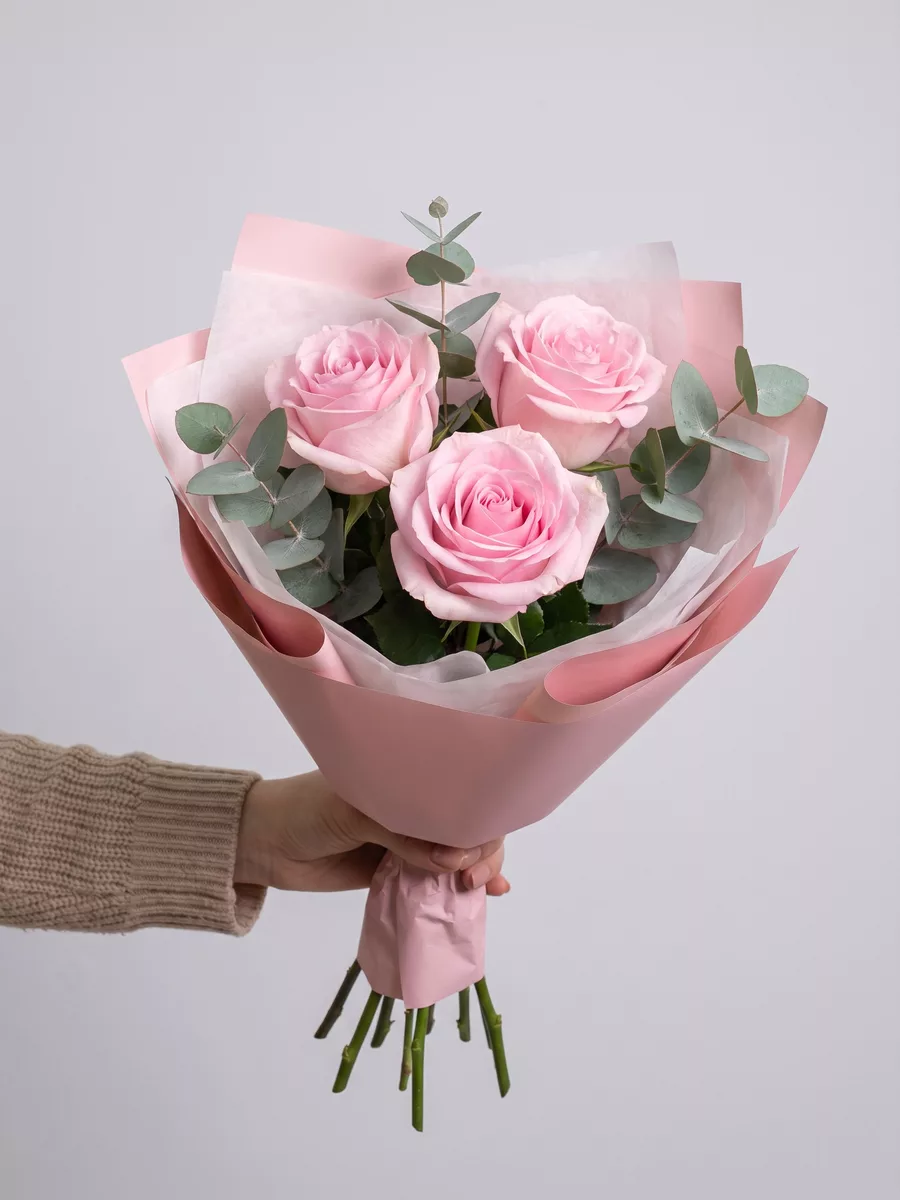
What Russian Recipients Actually Expect from a Bouquet
Russian gifting culture around flowers has a few conventions that are worth understanding plainly if you have not grown up with them. The most well-known is the odd-number rule: bouquets for living recipients are traditionally given in odd numbers — one, three, five, seven stems and so on. Even numbers are associated with mourning. This is not a rigid law, and younger urban Russians often ignore it, but for a recipient in a smaller town like Unecha, especially anyone over forty, an even-numbered bouquet can create a moment of unease. It is simply easier to follow the tradition.
Colour carries meaning too, though less rigidly. Red roses are universally romantic. Yellow flowers have a reputation in some older Russian circles for signalling separation or bad luck, though this belief is fading among younger people. White flowers are associated with purity and are perfectly appropriate for birthdays, graduations or new arrivals. If you are unsure, mixed seasonal bouquets in warm pinks, soft corals and creamy whites are almost always received warmly regardless of the occasion or the recipient's age.
Russians also tend to appreciate volume. A single long-stemmed rose, which reads as elegant and intentional in many Western contexts, can feel modest or even incomplete to a recipient in Unecha. A fuller bouquet — even if the individual stems are less expensive — signals generosity and genuine effort. When choosing between a few premium stems and a generous mixed arrangement at a similar price, the generous arrangement usually lands better.
Timing Your Order Across Time Zones
This is where most international senders make their first mistake. Unecha operates on Moscow Time, which is UTC plus three hours with no daylight saving adjustment. If you are in New York, that is an eight-hour gap in winter and a nine-hour gap in summer. If you are in London, it is three hours in winter and two in summer. Berlin sits one hour behind Moscow in winter and two hours behind in summer.
When you want flowers to arrive at eleven in the morning Unecha time for a birthday surprise, you need to place your order well before that moment in your own timezone — not on the morning itself. A useful rule is to place international orders at least twenty-four hours in advance whenever possible. This gives enough time to confirm the address in Russian format, process the payment from a foreign card and prepare the bouquet with the right seasonal stems rather than whatever is simply available.
For significant occasions — anniversaries, milestone birthdays, graduations — placing the order two or three days ahead is sensible. It allows you to specify a delivery window that suits the recipient's schedule rather than catching them out. Many recipients in Unecha live in apartment buildings, and if no one is home, the delivery becomes complicated. Knowing that your recipient is home in the afternoon and specifying an afternoon window is something you can only do comfortably when you have planned ahead. Last-minute orders are possible, but they remove your flexibility.
Choosing Flowers for the Season in Unecha
Seasonal awareness matters more in a town like Unecha than in a large city where climate-controlled logistics can move almost anything. The honest florist's answer is that certain flowers simply hold better in cold or heat, and choosing with the season in mind means your recipient gets a bouquet that looks fresh for four or five days rather than one that has already started to droop.
In winter, from November through March, roses, spray roses, tulips, chrysanthemums and carnations are the most reliable choices. Tulips in particular are beloved in Russia during the cold months — they are associated with the coming of spring and carry a lightness that feels genuinely uplifting on a grey February afternoon. Avoid tropical flowers like strelitzia or anthuriums in deep winter; they dislike cold and can bruise in transit.
In spring, from April through May, the tulip season peaks and ranunculus, hyacinths and early peonies become available. These are all excellent choices and feel entirely in tune with the season. For summer orders, June through August, lisianthus, alstroemeria, matthiola, gerbera and summer roses are all strong options. They are heat-tolerant and hold well. Autumn, September through October, suits chrysanthemums beautifully — they are deeply associated with Russian autumn and carry a warm, nostalgic quality that recipients respond to emotionally. Mixing chrysanthemums with spray roses and eucalyptus in autumn produces a bouquet that feels genuinely composed rather than assembled.
Addresses, Names and the Details That Trip People Up
The Russian address format is the single most common source of delay for international senders. Russia uses a specific order: postal code, region, city, street, building number, apartment number. Unecha's postal code is 243300. If you are providing an address, the format should read something like: 243300, Bryansk region, Unecha, ulitsa Lenina, dom 12, kvartira 5. The words ulitsa (street), dom (building) and kvartira (apartment) are important — without them, a delivery driver may not be able to locate the exact entrance in an apartment complex.
If your recipient lives in a multi-entrance apartment building, the entrance number (podezd) is also helpful. Large Soviet-era residential buildings often have four to eight separate entrances, and without knowing which one, a driver has to call the recipient — which spoils a surprise entirely.
For the recipient's name, providing both first name and patronymic (the father's name used as a middle name in Russian custom) is the most respectful form of address for a card message to someone older. For younger recipients, first name alone is perfectly natural. If you are writing a message in English, that is fine — many florists will transcribe it faithfully. But if the recipient does not read English comfortably, consider writing your message in Russian or asking for help with a simple translation. A card that the recipient cannot read is a missed opportunity for the personal connection that makes a bouquet meaningful rather than merely decorative.
Payment from Abroad and What to Expect
Paying for a flower delivery in Russia from a foreign bank card is straightforward with a reputable florist, but there are a few things worth knowing. Most international cards — Visa, Mastercard, and increasingly cards on other networks — process normally on Russian flower shop websites that have international payment gateways enabled. If your card is declined on the first attempt, it is usually because your bank has flagged an unfamiliar transaction rather than a problem with the florist's system. A quick call to your bank to confirm the transaction is legitimate usually resolves it within minutes.
Some senders prefer to pay through PayPal or other international transfer services, and it is worth checking which options are available before you start building your order. Having a backup payment method ready saves time, especially if you are ordering close to a specific delivery date.
Once your order is confirmed, you should receive a confirmation with the order details and an estimated delivery window. Keep this confirmation. If you need to make any changes — the delivery time, the address, the card message — it is much easier to do so with an order number to reference. Changes made more than a few hours before the delivery window are almost always possible. Changes made in the final hour before delivery are harder to accommodate, particularly for the card message, which may already be written and attached.
The currency on the site will be in Russian rubles, and your bank will convert at the current rate. Check whether your card charges a foreign transaction fee, as this varies by bank and can add a small percentage to the total.
Helping Your Recipient Get the Most from the Bouquet
Once the flowers arrive, their lifespan depends almost entirely on what happens in the first hour. Many recipients in Unecha, particularly those who do not receive flowers often, may not know the basic care steps that extend vase life significantly. Including a short care note with your order — something the florist can attach to the bouquet — is a genuinely kind gesture that makes the gift last longer.
The essentials are simple. Stems should be cut at an angle under running water before going into the vase — this prevents an air bubble from blocking water uptake. The vase water should be changed every two days, and the stems re-cut each time. Flowers last longer away from direct sunlight, heating radiators and fruit bowls. Ripening fruit releases ethylene gas, which accelerates wilting in cut flowers — this is a detail that surprises most people but is entirely real.
For specific varieties: tulips continue to grow after cutting and will lean toward any light source, so rotating the vase occasionally keeps the bouquet balanced. Roses benefit from having their lower leaves removed before they sit in water, as submerged leaves rot quickly and cloud the water. Chrysanthemums are among the longest-lasting cut flowers and can hold well for ten to fourteen days with simple care.
If your recipient mentions that the flowers arrived looking slightly tired from the cold, particularly in winter, this is normal. Placing the bouquet in a cool room for an hour before cutting the stems and arranging them often allows them to recover fully. Flowers that look slightly wilted after a cold journey frequently revive beautifully once they are in water.
Sending flowers to Unecha from another country is less complicated than it sounds once you understand the handful of things that actually matter: the time zone gap, the seasonal varieties, the address format and the quiet cultural details that make a bouquet feel genuinely considered rather than just ordered. The distance between you and your recipient shrinks considerably when the flowers arrive looking fresh, the card says something real and the bouquet reflects the occasion rather than just filling a box. That is the difference between a transaction and a moment someone will remember.
Frequently asked questions
Can I order flowers for delivery to Unecha if I live outside Russia?
Yes. You can place an order from any country using an international payment card on the Turboflora website. The process is the same as a domestic order — you provide the recipient's address in Unecha, choose your bouquet and select a delivery window. The main thing to remember is the time zone difference so the flowers arrive at the right moment for your recipient.
How far in advance should I place my order from abroad?
At least twenty-four hours before the desired delivery time is a reliable minimum. For important occasions like milestone birthdays or anniversaries, two to three days ahead gives you more flexibility to choose a specific delivery window and make any adjustments. Last-minute orders are possible but limit your options for timing and bouquet customisation.
Are there flowers I should avoid sending to Unecha in winter?
Tropical and heat-loving varieties such as strelitzia and anthurium can suffer in very cold transit conditions. In winter, roses, tulips, spray roses, chrysanthemums and carnations are the most reliable choices — they handle cold temperatures well and arrive looking fresh. Your florist will advise if a specific variety is not suitable for the current weather conditions.
What should I write on the card if my recipient does not read English?
You can write your message in English and note in your order that your recipient reads Russian. A florist who handles international orders regularly can help transliterate or translate a short personal message. Alternatively, keep the message simple and universal — a name, a date and a few warm words often cross language barriers more gracefully than a long note.
Does the odd-number rule for bouquets really matter in Unecha?
For recipients over forty in smaller Russian towns, it can genuinely matter. The tradition of giving flowers in odd numbers to the living is still observed and an even-numbered bouquet can cause a moment of discomfort even if nothing is said. When placing your order, a reputable florist will automatically compose the bouquet in an odd number of stems unless you specify otherwise.
Ready to send flowers?
Pick the city, choose the bouquet, and a local florist takes it from there.
Choose a city →