Sending Flowers to Uray from Abroad? Here Is Everything That Matters
Uray sits in the Khanty-Mansiysk Autonomous Okrug, deep in Western Siberia, and the person waiting there for your flowers deserves to feel genuinely surprised and loved — not just receive a generic bouquet that survived a long journey looking tired. Sending flowers across an international border into a city this far north takes a little planning, but when it works, the effect is extraordinary. This is everything a sender outside Russia needs to know, from choosing the right arrangement to understanding why timing and temperature matter so much in this part of the world.
Why Uray Is Different from Sending to Moscow or Saint Petersburg
Most people ordering flowers internationally think of Russia as a single destination, but geography here matters enormously. Uray is located roughly 2,800 kilometres east of Moscow, in a region where winter temperatures regularly drop below minus 25 degrees Celsius and even autumn and spring carry a sharp chill. That cold is not a problem for delivery — it is actually something experienced florists work with — but it does shape which flowers survive the journey from the warehouse to the door in perfect condition.
The city itself is a compact, close-knit oil-industry town with a population of around 40,000 people. Addresses are straightforward to navigate, and residential buildings are clustered enough that a courier knows the streets well. What this means for you as a sender is that once your order is confirmed and assembled, the last-mile delivery inside Uray is reliable and fast.
The key difference from sending to a major Russian city is lead time. Because Turboflora sources and assembles arrangements in Saint Petersburg and coordinates delivery across Russia, you should place your order with enough buffer — ideally 24 to 48 hours before the moment you want the flowers to arrive. This is not bureaucracy; it is simply the honest reality of covering that distance while keeping stems fresh. Planning ahead is the single most important thing an international sender can do, and it costs nothing except a little forethought.
Bouquets we can deliver

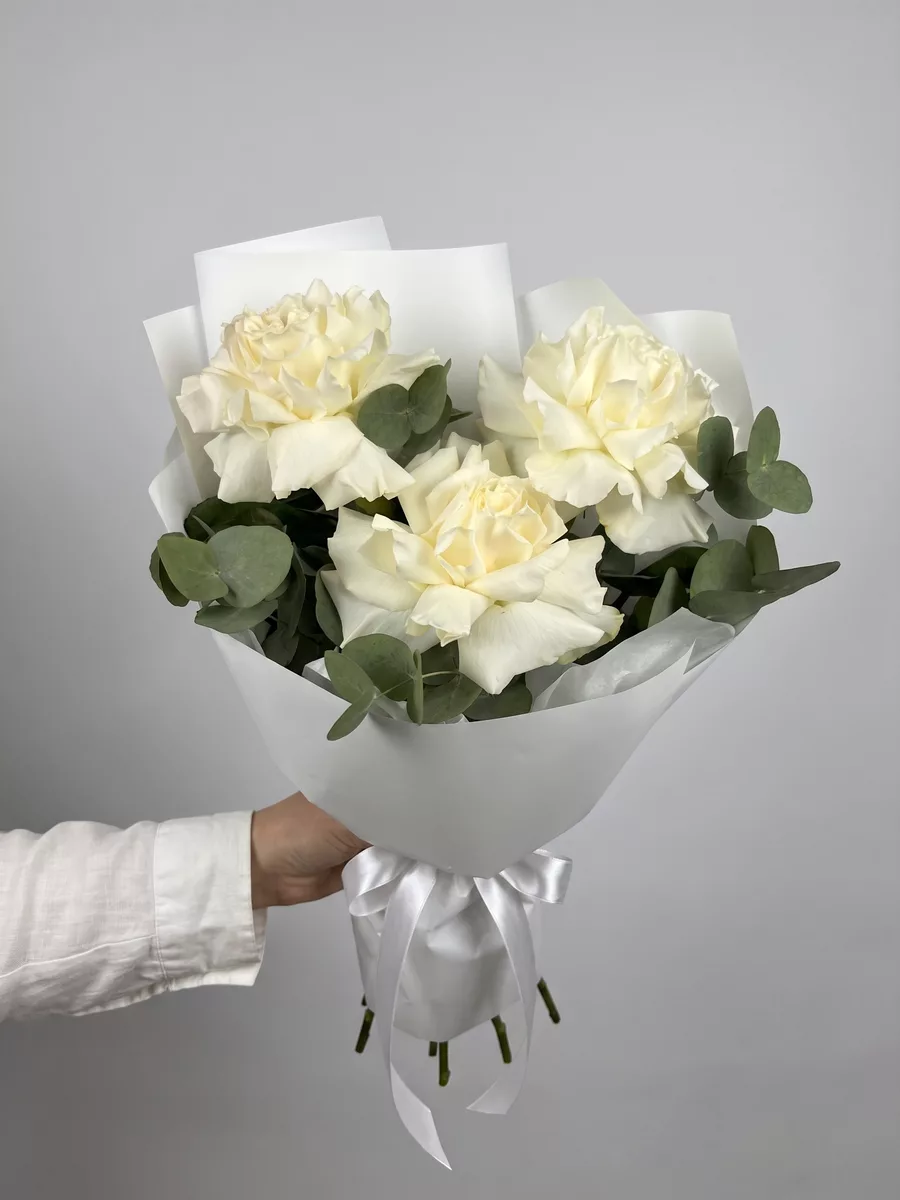
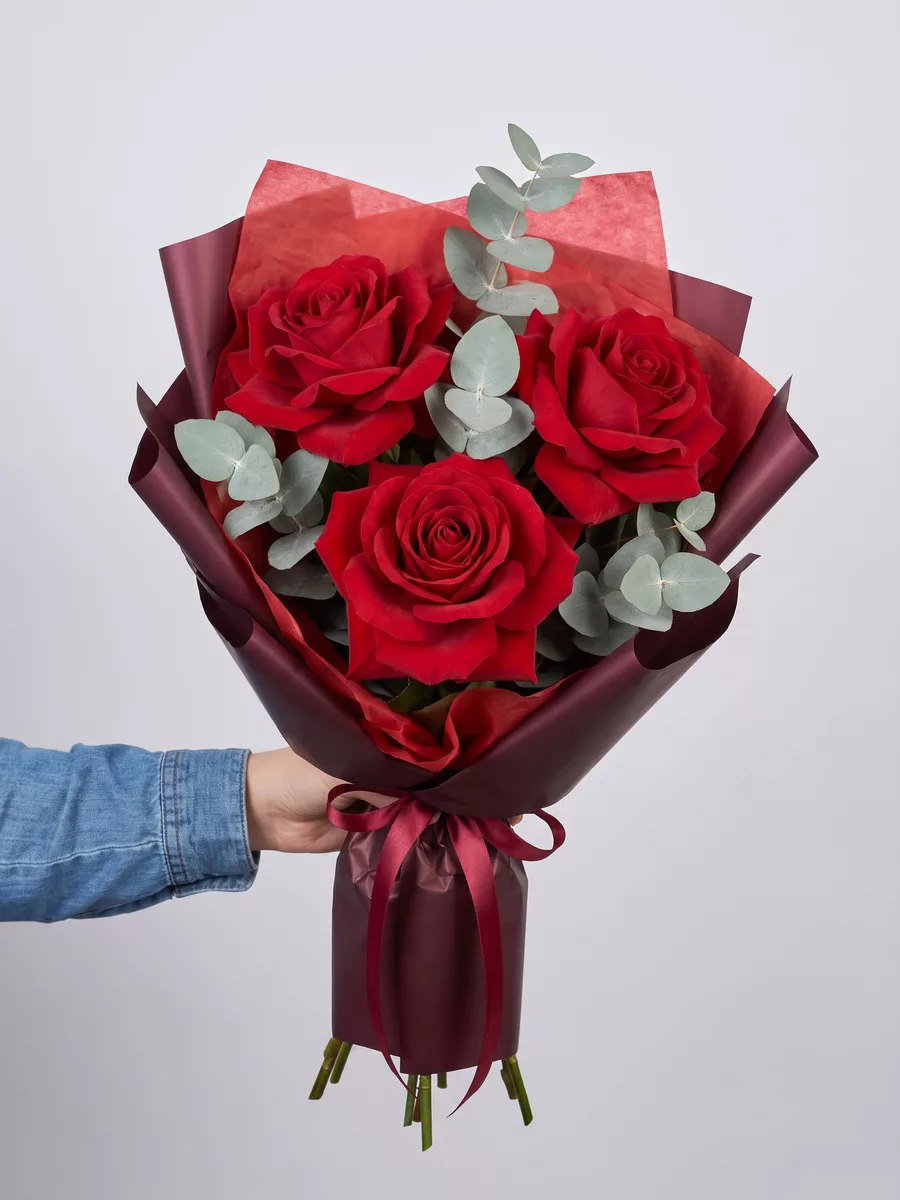
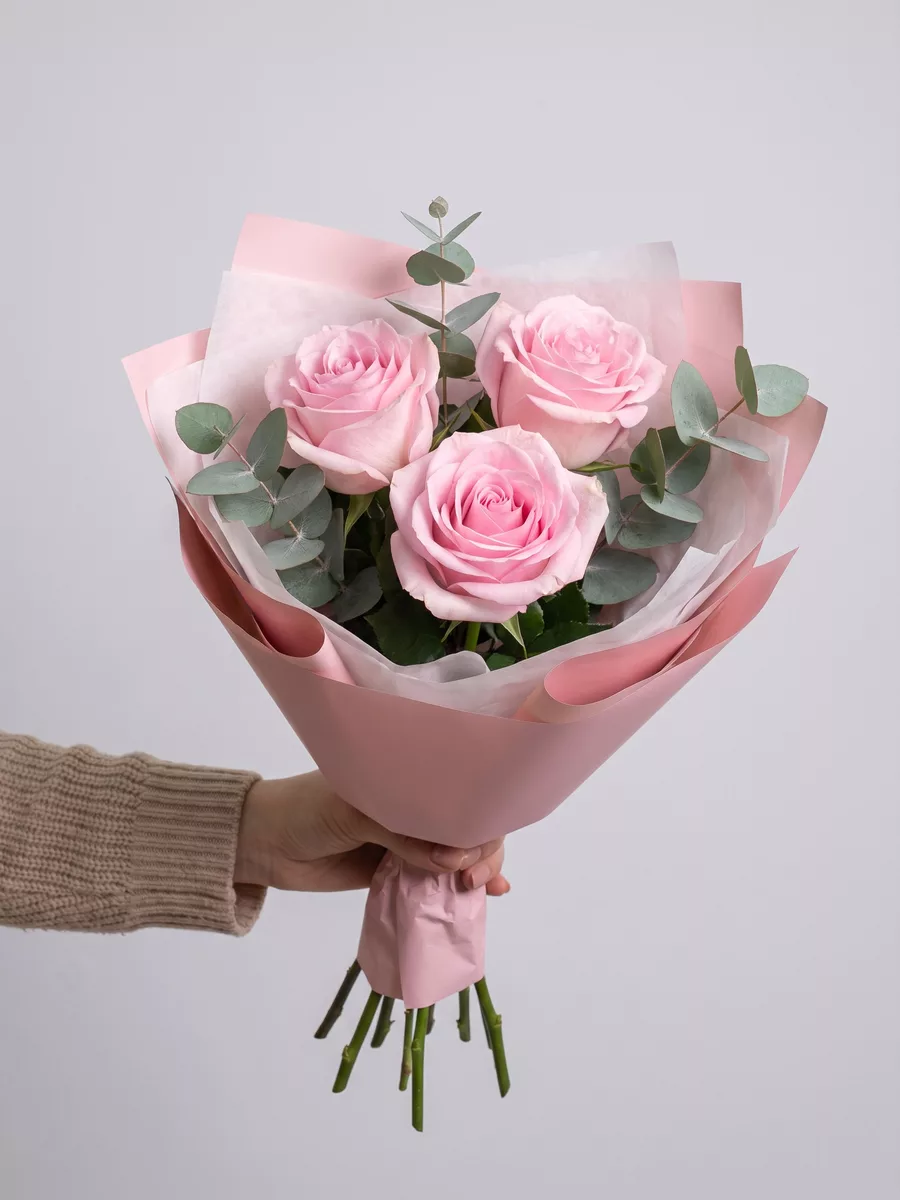
Choosing Flowers for the Person, Not Just the Occasion
Before you think about budget or variety, think about the recipient. A woman in her sixties who tends houseplants will respond differently to a bouquet than a young colleague celebrating a promotion. In Uray, as across Russia, flowers carry strong personal meaning — they are not a polite formality but a genuine emotional gesture, and the composition of the bouquet communicates something about how well you know the person.
For someone warm and expressive, rich combinations work beautifully: deep red roses paired with burgundy lisianthus, or peach spray roses softened with eucalyptus and white waxflower. For someone with a more minimal, modern taste, a monochromatic arrangement of white ranunculus or a single-variety bunch of pale pink peonies in season says more than a crowded mixed bouquet ever could.
If you are sending for a birthday, lean into the celebratory — bright gerberas, sunflowers, or a generous cluster of alstroemeria in mixed warm tones hold up well in transit and look joyful on arrival. For a professional congratulation, tulips or chrysanthemums in a single clean colour read as elegant without being too intimate. For a romantic gesture, roses remain the clearest language, but consider asking for garden-style roses rather than the stiff classic long-stems — they look more personal and feel less like a hotel lobby arrangement. When in doubt, describe the person rather than naming a flower, and let the florist translate.
What Russian Gifting Customs Mean for Your Order
If you have not sent flowers to someone in Russia before, a few cultural details are worth knowing so your gift lands exactly as intended. The most important is the odd-number rule: bouquets in Russia are always made with an odd number of stems — three, five, seven, eleven, and so on. Even numbers of flowers are associated with funerals and carry a heavy symbolic meaning that no one wants attached to a birthday or anniversary. Turboflora's florists follow this automatically, but if you are specifying a stem count yourself, keep it odd.
Colour carries meaning too, though less rigidly than the number rule. Yellow flowers, particularly yellow roses, were historically associated with separation or infidelity in Soviet-era popular culture, and while younger Russians are far less superstitious about this, sending yellow roses to a romantic partner can still feel like an odd choice. Yellow tulips or yellow sunflowers, by contrast, are seen as cheerful and unambiguous. When in doubt, stick to pinks, whites, reds, and corals for emotional occasions.
Russians also tend to appreciate generous, full-looking arrangements — a bouquet that looks abundant signals that the sender genuinely cared enough to go beyond the minimum. This does not mean expensive; it means thoughtfully composed. A well-wrapped bunch of ten alstroemeria stems with seasonal greenery looks more considered than five roses placed loosely in cellophane. Presentation and wrapping are taken seriously here, and a florist who understands this will always finish the bouquet properly before it leaves.
Seasonal Realities: What Grows Well and When
Siberian winters are long — Uray sees frost from October through April in most years — and this directly affects which flowers look their best at different times of year. In the coldest months, hardy varieties travel best and arrive with the most visual impact. Roses, chrysanthemums, carnations, and alstroemeria are the reliable backbone of winter bouquets: they tolerate cold air during the brief moment between courier vehicle and front door, and they have strong enough cell walls not to bruise in transit.
Spring in Uray arrives later than in European Russia, but when it does come, tulips become the obvious choice — they are the flower most associated with the season across the country, and a full bunch of mixed or single-colour tulips in April or May feels genuinely seasonal and celebratory. Ranunculus and anemones also peak in late winter and early spring supply, making them a wonderful choice for February and March occasions.
Summer brings peonies for a short but glorious window, usually late May through June. If the person you are sending to loves flowers, peonies are worth timing your occasion around — nothing else has quite the same lush, full-petalled impact. Lisianthus, also called eustoma, performs beautifully in summer and into early autumn: it looks like a delicate rose but lasts significantly longer in a vase. By late autumn, dahlias and sunflowers carry the warmth of the season before the palette shifts back to the deeper tones of winter. Matching your flower choice to the actual season always produces a more alive, more meaningful result.
How to Place an International Order Without Confusion
Ordering from outside Russia is simpler than most people expect, but there are a few practical steps that make the process smooth. The first is the delivery address: Russian addresses follow a specific format — city, street, building number, apartment number — and getting all four elements correct is essential. If you have the recipient's address in Russian Cyrillic, use it exactly as written. If you only have a transliteration, double-check the apartment number carefully, as this is the detail most often missing from addresses shared informally.
The second is the delivery time window. Because you are ordering across time zones, be explicit about when you want the flowers to arrive in Uray local time. Uray operates on Yekaterinburg Time, which is UTC plus five hours. If you are in London, Paris, or New York, work backwards from the arrival moment you have in mind, and place the order with that local time clearly stated. Turboflora's team works to honour specific time requests, and the earlier you order, the more precisely that window can be met.
For the card message, you can write in English — the message will be printed or handwritten and placed with the bouquet. If you want the message in Russian and you are not a native speaker, write it in English and note that you would like a translation; the florist can help with a simple, natural-sounding phrase. Avoid automated translation tools for anything emotionally significant, as they often produce phrases that sound awkward or overly formal to a Russian reader. A short, sincere message in plain language always works better than a long translated paragraph.
Keeping Flowers Fresh in a Siberian Apartment
Once the bouquet arrives, what happens next determines how long those flowers will actually last. Russian apartments, particularly in Siberian cities like Uray, are heated very intensively through the winter — central heating systems run at high capacity, and indoor temperatures of 22 to 25 degrees Celsius are completely normal even when it is minus 20 outside. This warmth is comfortable for people but hard on cut flowers, which always prefer cooler air and high humidity.
The best advice to pass along to your recipient, either in your card or in a quick message, is to keep the bouquet away from radiators and windowsills that receive direct sun. A kitchen counter away from the stove, or a hallway table, is usually the coolest spot in a Siberian apartment and the best home for fresh flowers. Changing the water every two days and trimming the stems at a slight angle each time adds several days of vase life.
Roses and lisianthus last longest when the water is cool and clean — a small pinch of sugar and a drop of bleach in the vase water is an old florist's trick that genuinely works by feeding the stems and preventing bacterial growth. Tulips, by contrast, prefer plain cold water and will actually continue to grow in the vase, leaning toward any light source, which can look beautiful if the vase is placed thoughtfully. Gerberas need their stems trimmed short and the vase kept shallow — they rot quickly if the stem sits in too much water. Sharing these small details with your recipient turns a one-day surprise into a week of pleasure.
Making the Moment Land: Presentation and Surprise
The physical arrival of flowers is a performance, and thinking about it as such helps you make better decisions. In Russia, flowers are almost always given in person or handed directly to the recipient at the door — receiving a bouquet from a courier is a familiar and accepted experience, but the moment of opening the door to unexpected flowers is one that people genuinely remember. If you want maximum impact, keep the delivery a surprise rather than warning the recipient in advance.
To do this successfully, you need a reliable way to ensure someone is home. If your recipient has a regular schedule — works from home, finishes work at a predictable time, or has a family member who is usually present — use that knowledge to choose your delivery window. If you are unsure, a two-hour window in the early evening, between six and eight, covers most working schedules in Uray and gives the courier the best chance of finding someone at the address.
The wrapping and presentation of the bouquet on arrival matter as much as the flowers themselves. A bouquet that arrives in craft paper with a ribbon and a handwritten card feels like a gift. One that arrives in plain cellophane without a note feels like a delivery. Turboflora wraps every arrangement with care, but if you have a preference — kraft paper, fabric ribbon, a particular colour of tissue — note it when you order. These details are not vanity; they are the difference between a bouquet that gets placed in a vase and one that gets photographed and shared. The person in Uray deserves the full experience, not just the flowers.
Sending flowers to Uray from abroad is one of the more meaningful things you can do across that kind of distance. The city is far, the winters are real, and the person receiving your bouquet will know that you thought carefully about all of it. Choose for them specifically, respect the timing, trust the season, and let the arrangement do the talking that the kilometres between you cannot. When the door opens and the flowers are there, none of the logistics will be visible — only the feeling you intended.
Frequently asked questions
How far in advance should I order flowers to be delivered in Uray from abroad?
Place your order at least 24 to 48 hours before your intended delivery time. This gives the team time to source, assemble, and route the arrangement properly across the distance to Western Siberia. For major dates like anniversaries or birthdays, ordering 48 hours ahead gives the most flexibility on timing and flower selection.
Can I write the card message in English for a recipient in Uray?
Yes, absolutely. The message will be printed or handwritten and included with the bouquet. If you want the text in Russian, write your message in plain English and request a translation — the florist will render it naturally. Avoid using automated translation tools for personal messages, as they often produce phrases that sound stiff or unnatural to a Russian reader.
Are there flowers I should avoid sending to someone in Russia?
The main thing to avoid is an even number of stems, which carries funeral associations in Russian culture. Yellow roses sent to a romantic partner can also feel ambiguous due to old cultural associations with separation, though yellow flowers in general are perfectly cheerful in other contexts. Your florist will automatically follow the odd-number rule, but it is good to be aware of it.
What time zone is Uray in, and how does that affect my order?
Uray operates on Yekaterinburg Time, which is UTC plus five hours. When placing your order, always specify the desired delivery time in Uray local time so the team can work backwards and schedule correctly. This is especially important for international senders in Western Europe or the Americas, where the time difference is significant.
Which flowers last longest in a warm Siberian apartment in winter?
Alstroemeria, chrysanthemums, carnations, and lisianthus are the strongest performers in heated indoor environments. They tolerate dry, warm air better than most other cut flowers and typically last seven to ten days with basic care. Roses also hold up well if the stems are trimmed every two days and the water is kept clean and cool.
Ready to send flowers?
Pick the city, choose the bouquet, and a local florist takes it from there.
Choose a city →