How to Send Flowers to Uren, Russia from Another Country
Uren is a quiet town in the Nizhny Novgorod region, and when someone you love lives there, distance should not stop you from marking a birthday, an anniversary, or simply a Tuesday that deserves flowers. Ordering from abroad takes a little more planning than a local call, but once you understand the timing, the climate, and what grows well in transit, the whole process becomes straightforward. This guide walks you through every practical step so the bouquet that arrives on your recipient's doorstep looks as though you handed it to them yourself.
Understanding What Uren Is Like as a Delivery Destination
Uren sits roughly 350 kilometres northeast of Nizhny Novgorod, surrounded by forest and river landscape. It is a small town rather than a regional capital, which means the person receiving your flowers may be pleasantly surprised — fresh flower delivery is genuinely less common here than in Moscow or Saint Petersburg, and that rarity makes the gesture feel even more significant.
The town experiences a true continental climate. Winters are long and cold, with temperatures regularly dropping below minus fifteen Celsius between November and March. Summers are warm and relatively short. This matters because temperature directly affects which flowers survive the journey in good condition and how long they last once they arrive.
For the sender abroad, the key thing to know is that Uren is reachable but requires a reliable delivery chain from a florist with genuine coverage across Russia. When you place an order with Turboflora, the bouquet is assembled and dispatched to reach your recipient within one to two hours of the confirmed delivery window — the same standard we apply across every city and town we serve. Knowing this removes the main anxiety most international senders feel: that a small town means a second-rate service. It does not.
Bouquets we can deliver

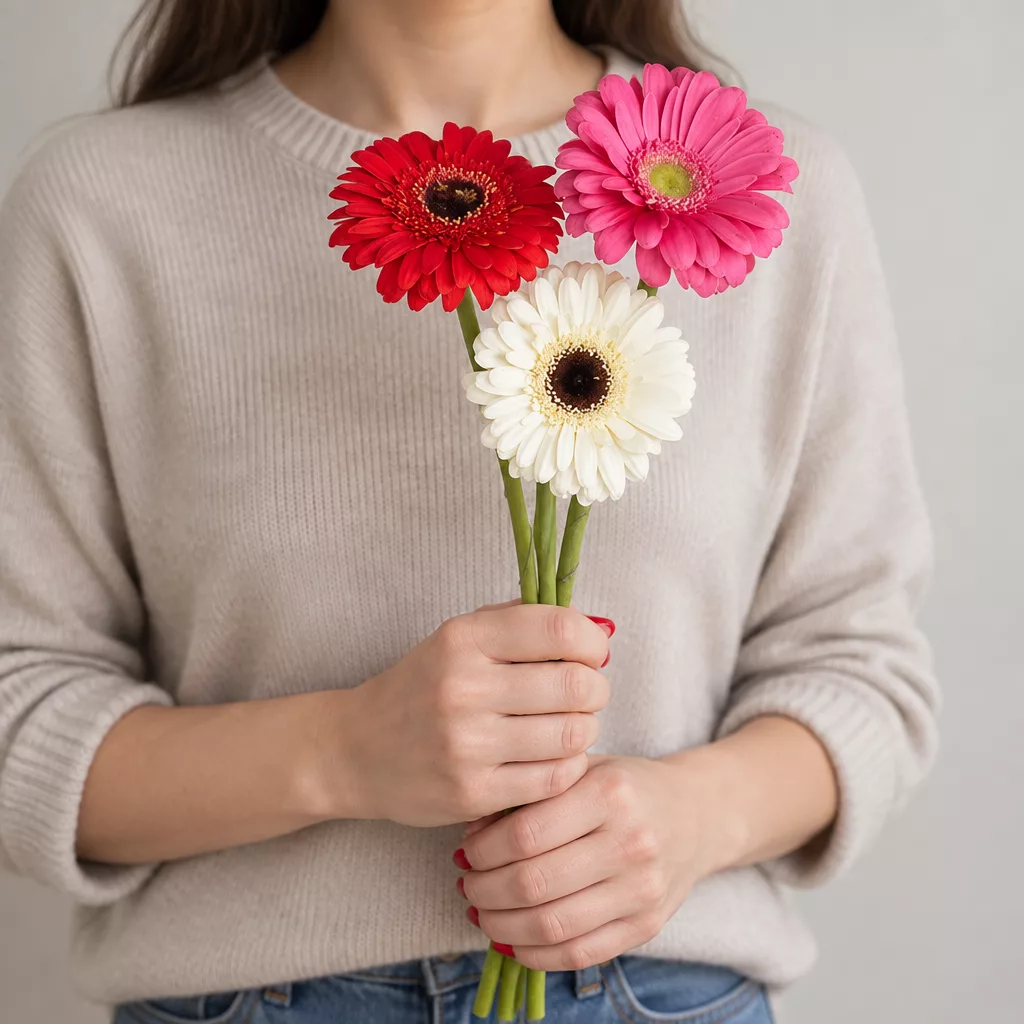

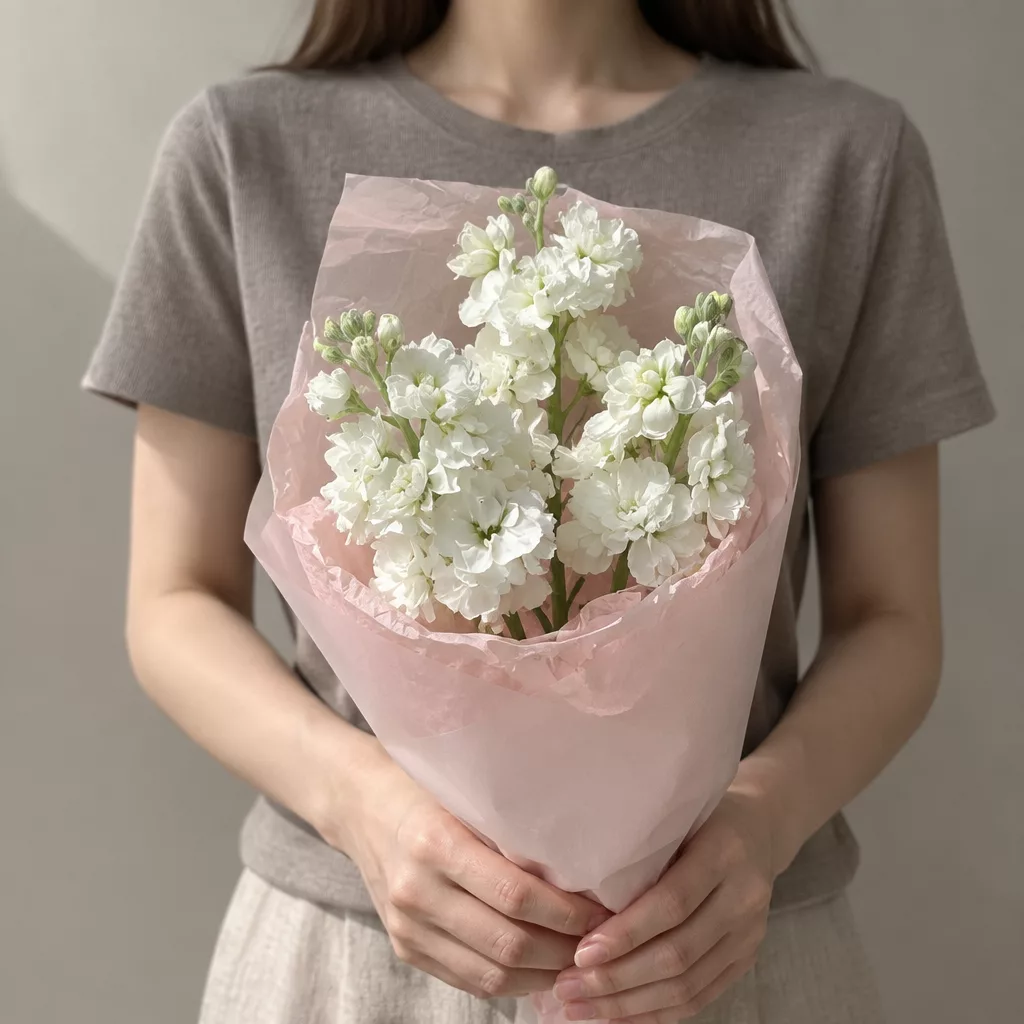
Choosing the Right Moment: Time Zones and Scheduling From Abroad
Uren operates on Moscow Time, which is UTC plus three, with no daylight saving adjustments. If you are ordering from Western Europe, you are two to three hours behind. From the United States East Coast, you are eight hours behind. From California, eleven. This gap is the most common source of confusion for international senders, and getting it wrong means a bouquet arrives at midnight or before anyone is awake.
When you place your order, always think in the recipient's local time, not yours. A morning delivery in Uren — say, between ten and twelve — might mean you need to complete your order the previous evening if you are in New York, or very early morning if you are in London. Build in an extra hour of buffer when you are calculating, especially if you are unfamiliar with the time difference.
Birthdays and anniversaries are the most popular occasions, and for those, a morning delivery tends to land with the most emotional impact — the flowers are waiting when the day begins. If the occasion is an evening dinner or a gathering, a delivery between four and six in the afternoon local time is often better. Communicating a specific delivery window when you place the order is the clearest way to ensure timing works. Vague requests like 'sometime in the afternoon' are harder to honour precisely than a stated two-hour window.
What Flowers Actually Travel Well to a Town Like Uren
Not every flower handles a long transit route equally. For delivery to Uren, especially in cooler months, you want varieties with strong cell structure and low water loss. Roses are the reliable choice — standard garden roses and spray roses both hold their form well when properly hydrated before dispatch. Chrysanthemums are excellent in autumn and winter because they are cold-tolerant and last ten to fourteen days in a vase with fresh water and a clean cut every two days.
Alstroemeria is underrated for long-distance delivery. The buds travel better than open blooms, and they open gradually over a week, which means the recipient gets the experience of watching the arrangement come fully alive. Carnations — particularly the larger-headed varieties — are similarly robust and last well in heated Russian interiors.
In summer, when Uren temperatures rise and transit conditions warm, delicate flowers like garden ranunculus, sweet peas, or open peonies become riskier. They are beautiful but fragile. If you want peonies in June or July, ask for them with the buds still closed: they will open within a day or two of arrival and look spectacular.
In winter, tropical varieties like anthuriums and orchid stems actually travel well in cold conditions because they are cut and wrapped rather than potted. A mixed bouquet of roses, alstroemeria, and eucalyptus branches is one of the most dependable combinations year-round — it photographs beautifully, smells fresh, and lasts.
Russian Flower Customs Worth Knowing Before You Order
If you are not Russian, a few local customs around flowers are worth understanding so your gift lands exactly as intended. The most important is the odd-number rule. In Russia, even numbers of flowers are traditionally associated with mourning and are brought to funerals. When you give flowers as a celebration — a birthday, a promotion, a new baby — the bouquet should contain an odd number of stems: five, seven, eleven, fifteen. Most florists follow this automatically, but it is worth mentioning if you are specifying stem count.
Colour carries meaning too, though it is less rigid than the number rule. Red roses are romantic and unambiguous. White flowers are elegant and appropriate for many occasions, including congratulations and gratitude. Yellow flowers were once considered unlucky in older Russian tradition, but this association has softened considerably among younger generations, and a sunny yellow bouquet is now perfectly acceptable for a birthday or a cheerful gesture.
Wrapping and presentation matter a great deal. Russian recipients expect a properly dressed bouquet — kraft paper, ribbon, and a card are standard. A bare bunch of stems would feel unfinished. When you order, include a personal message for the card: even a few sentences in English are fine, and the card will be printed and included. If you want the message transliterated into Russian, you can request that when placing the order. The card is often kept long after the flowers are gone.
Budget Ranges and What Each One Gets You in Uren
Flower budgets in Russia work differently from what you might expect in Western Europe or North America. The purchasing power relationship between currencies means that a thoughtful, full bouquet is often more affordable than you expect when paying in euros or dollars. That said, the quality difference between budget tiers is real and visible.
At the entry level, you get a compact, single-variety bouquet — typically five to seven roses or a small chrysanthemum arrangement. It is a genuine gift and will be presented well, but it reads as modest. This is appropriate for a colleague, a neighbour, or a thank-you gesture.
In the middle range, you move into mixed bouquets: roses combined with alstroemeria and greenery, or a larger single-variety arrangement with eleven to fifteen stems. This is the most popular tier for birthdays and anniversaries because it feels generous without being overwhelming. The presentation becomes more layered — different textures, a more considered colour palette.
At the higher end, you can request premium varieties like garden roses with large, dense heads, imported Dutch tulips in season, or a full seasonal arrangement with statement flowers like lisianthus or ornamental branches. These bouquets make an impression in any room. For milestone occasions — a fiftieth birthday, a wedding anniversary, a new home — this tier is worth considering. Whatever your budget, specifying the occasion when you order helps the florist make the most of every rouble spent.
Keeping Flowers Fresh in a Russian Home: Advice to Pass On
Part of giving flowers well is making sure the recipient knows how to care for them. Russian homes in winter are often very warm — central heating runs continuously from October through April, and indoor temperatures of twenty-two to twenty-five Celsius are common. This warmth is the biggest enemy of cut flower longevity.
Advise your recipient to keep the bouquet away from radiators and sunny windowsills. A cool corner of the room, or even a hallway that does not get direct heat, will extend vase life noticeably. At night, moving the vase to a cooler spot — a kitchen away from the heating element, or even briefly to a cool entryway — can add two or three extra days to the arrangement.
Water management is simple but often neglected. The vase should be filled with clean, cool water, and the stems should be cut at a diagonal angle before placing them in it. This cut should be repeated every two days. Removing any leaves that sit below the waterline prevents bacterial growth, which is the main reason flowers die faster than they should.
Flower food sachets are sometimes included with the bouquet. If one is provided, it genuinely helps — it contains a mild bactericide and a small amount of sugar that feeds the stems. If no sachet is included, a small pinch of sugar and a drop of bleach in the water achieves a similar effect. Roses and alstroemeria typically last seven to ten days with this care. Chrysanthemums can reach fourteen days easily.
The Practical Steps for Placing Your Order From Outside Russia
Ordering flowers internationally to a Russian address is simpler than it sounds, but there are a few practical points that will make the process smoother. First, have the full delivery address ready in Russian if possible — the street name, house number, apartment number, and the recipient's full name. If you only have the address in transliteration, that works too, but a Russian-script address reduces any ambiguity in the final kilometre of delivery.
Have the recipient's Russian mobile number available. Deliveries to residential addresses in Russia typically involve a call or message to the recipient before arrival — this is standard practice, not a sign that something has gone wrong. If the recipient is at work or away from home, knowing this in advance allows the delivery to be timed better or redirected.
Payment from abroad is handled through international card processing, so your standard Visa or Mastercard will work. If you encounter any difficulty, contact the shop directly — the team at Turboflora is used to working with international customers and can walk you through alternatives.
Finally, include a card message when you order. It costs nothing extra and changes everything about how the gift is received. A few words about why you are sending the flowers — the occasion, the feeling, the memory you share — turn a beautiful object into something personal. The florist will ensure it is printed and attached before the bouquet leaves the shop. That small detail is what the recipient will remember long after the last petal has fallen.
Sending flowers from abroad to someone in Uren is one of the most direct ways to close the distance between you. The logistics are manageable once you understand the time zone, the seasonal climate, and the local customs around presentation and stem count. Choose varieties that travel well, pick a delivery window that suits your recipient's day, and take a moment to write something real on the card. The flowers will do the rest.
Frequently asked questions
Can I order flowers to Uren if I do not speak Russian?
Yes, entirely. The Turboflora website and order process work in English, and the team handles international orders regularly. You can write your card message in English and it will be printed exactly as you write it. If you want it transliterated into Russian for the recipient, simply note that in your order comments.
How far in advance should I place my order from a different time zone?
For a morning delivery in Uren, place your order at least three to four hours before the intended delivery time, calculated in Uren local time, which is Moscow Time UTC plus three. For same-day evening delivery, ordering by early afternoon Uren time is usually sufficient. Building in extra time is always safer when crossing multiple time zones.
What happens if the recipient is not home when the flowers arrive?
The delivery team will typically call or message the recipient before arrival. If there is no answer, they will attempt contact and hold the order for a short window before rescheduling. Providing an accurate mobile number for the recipient when you order significantly reduces the chance of a missed delivery, especially for apartment addresses.
Are there flowers I should avoid sending to Uren in winter?
Delicate open blooms like garden ranunculus, open peonies, and fragile tropical flowers such as bird of paradise can suffer in very cold transit conditions. Roses, chrysanthemums, alstroemeria, and carnations are the most reliable winter choices. If you want something more unusual, ask the florist to suggest what is arriving fresh that week.
Does the number of flowers in the bouquet really matter in Russia?
It genuinely does, particularly for older recipients. An even number of stems is associated with funeral traditions and can feel jarring as a celebratory gift. Always choose an odd number — five, seven, eleven, or more — for birthdays, anniversaries, and any joyful occasion. Turboflora follows this convention automatically, but it is good to be aware of it.
Ready to send flowers?
Pick the city, choose the bouquet, and a local florist takes it from there.
Choose a city →