Sending Flowers to Usman from Abroad: A Florist's Honest Advice
You are sitting somewhere outside Russia — maybe in Berlin, Dubai, or Toronto — and you want a bouquet to arrive at a door in Usman today. The distance feels enormous, but the gesture is simple: you want someone you care about to feel seen. This article walks you through everything that actually matters, from choosing the right flowers for the occasion to understanding what happens between your order and the moment your recipient opens the door.
Why Usman Is Different from Ordering in a Big City
Usman is a small town in Lipetsk Oblast, roughly 450 kilometres south of Moscow. It sits in a continental climate zone, which means summers can be genuinely hot and winters are cold enough to threaten delicate blooms in transit. Knowing this shapes every decision you make as a sender abroad — from which flowers you choose to what time of day you place your order.
Because Usman is not a metropolitan centre, the window for same-day delivery is narrower than in Saint Petersburg or Moscow. Turboflora delivers across Russia within one to two hours, but placing your order before noon local Usman time gives the arrangement the best possible journey. If you are ordering from a time zone several hours behind Russia, set a reminder the night before so you are not rushing at the last moment.
Temperature matters more than most senders realise. In July and August, midday heat in Usman regularly exceeds 30 degrees Celsius. Roses and peonies are especially vulnerable to heat stress during those hours, so a morning delivery protects the blooms far better than an afternoon slot. In January and February, the opposite problem applies: stems can freeze in minutes if left on an unheated porch. Asking your recipient to be available to receive the bouquet personally is always the right move, and it doubles the emotional impact of the surprise.
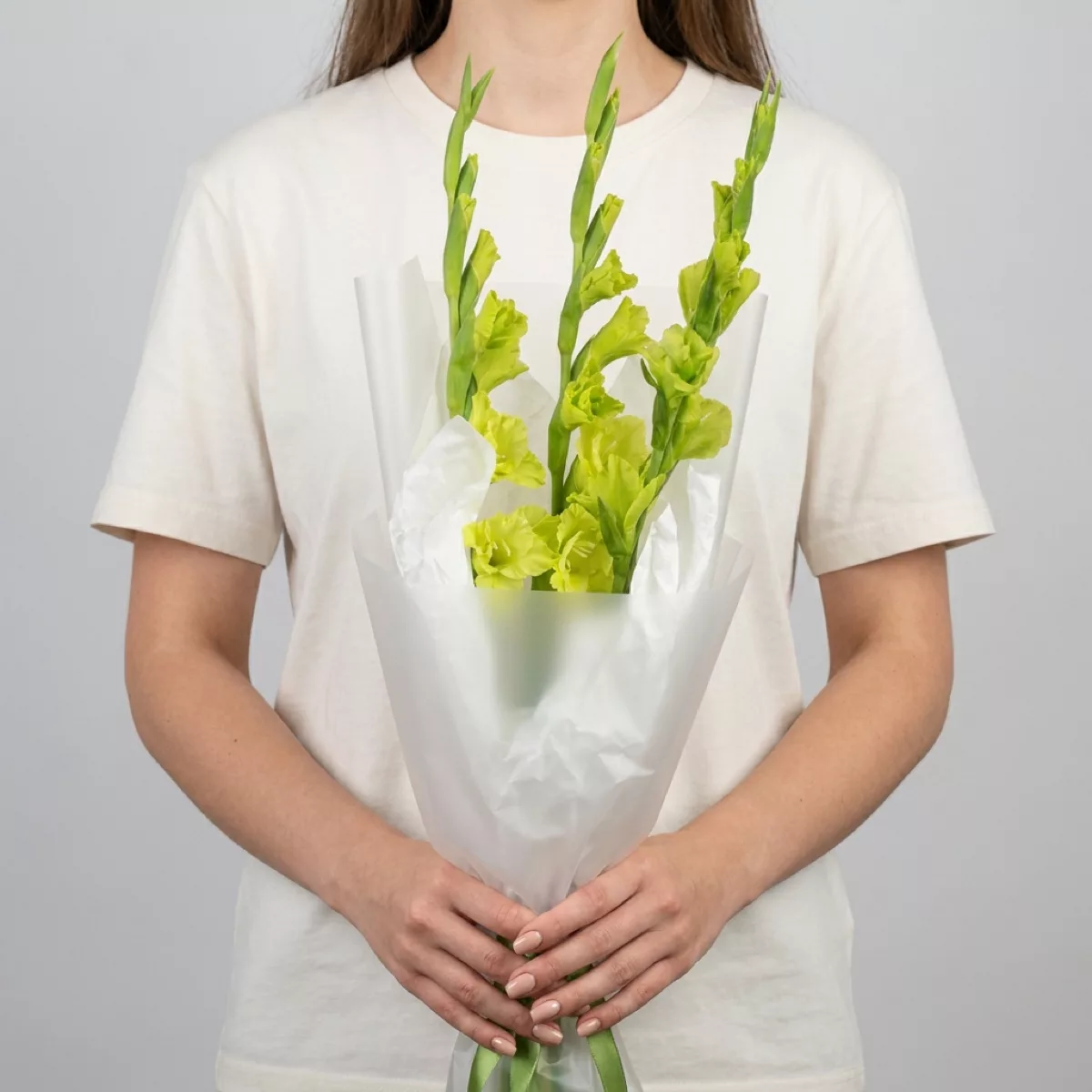
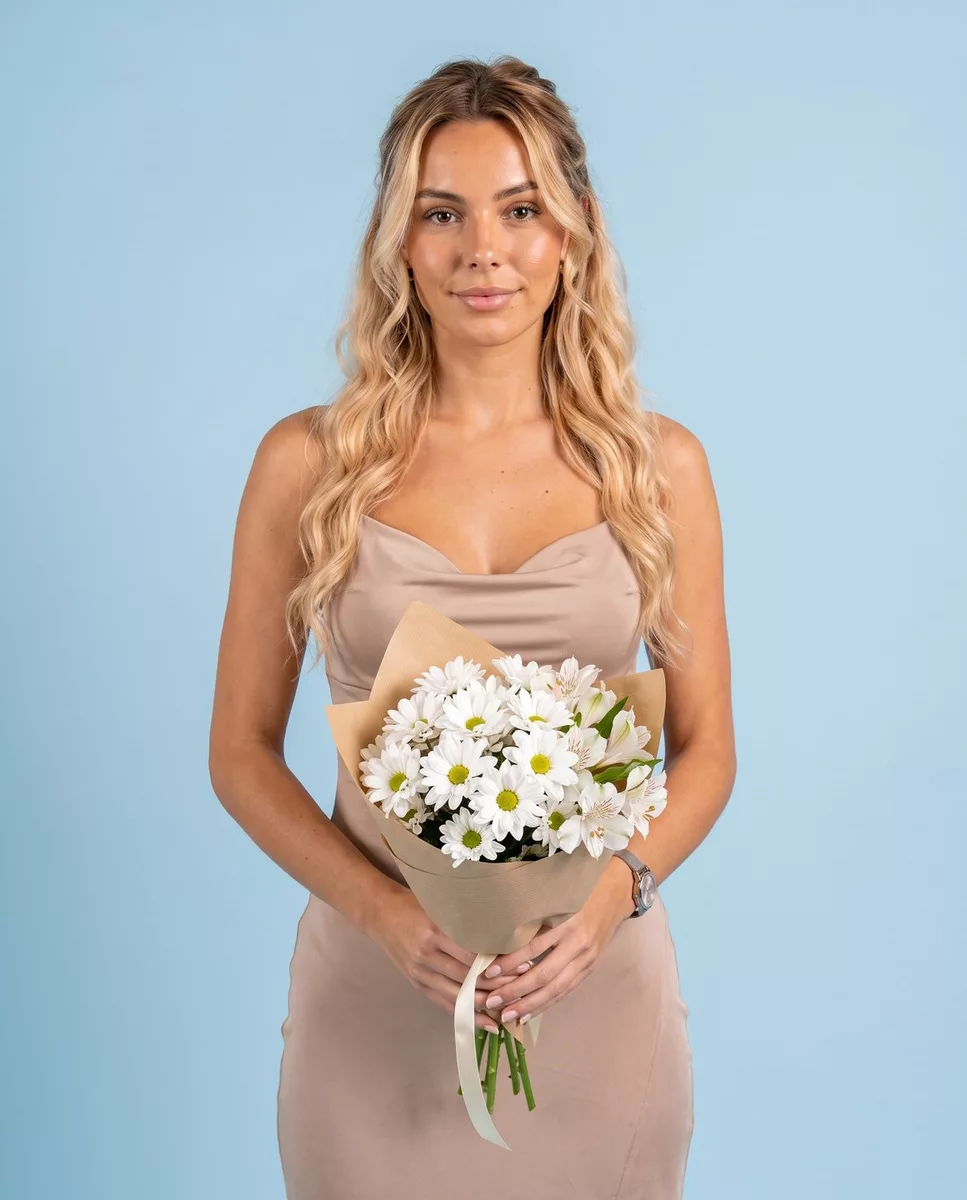
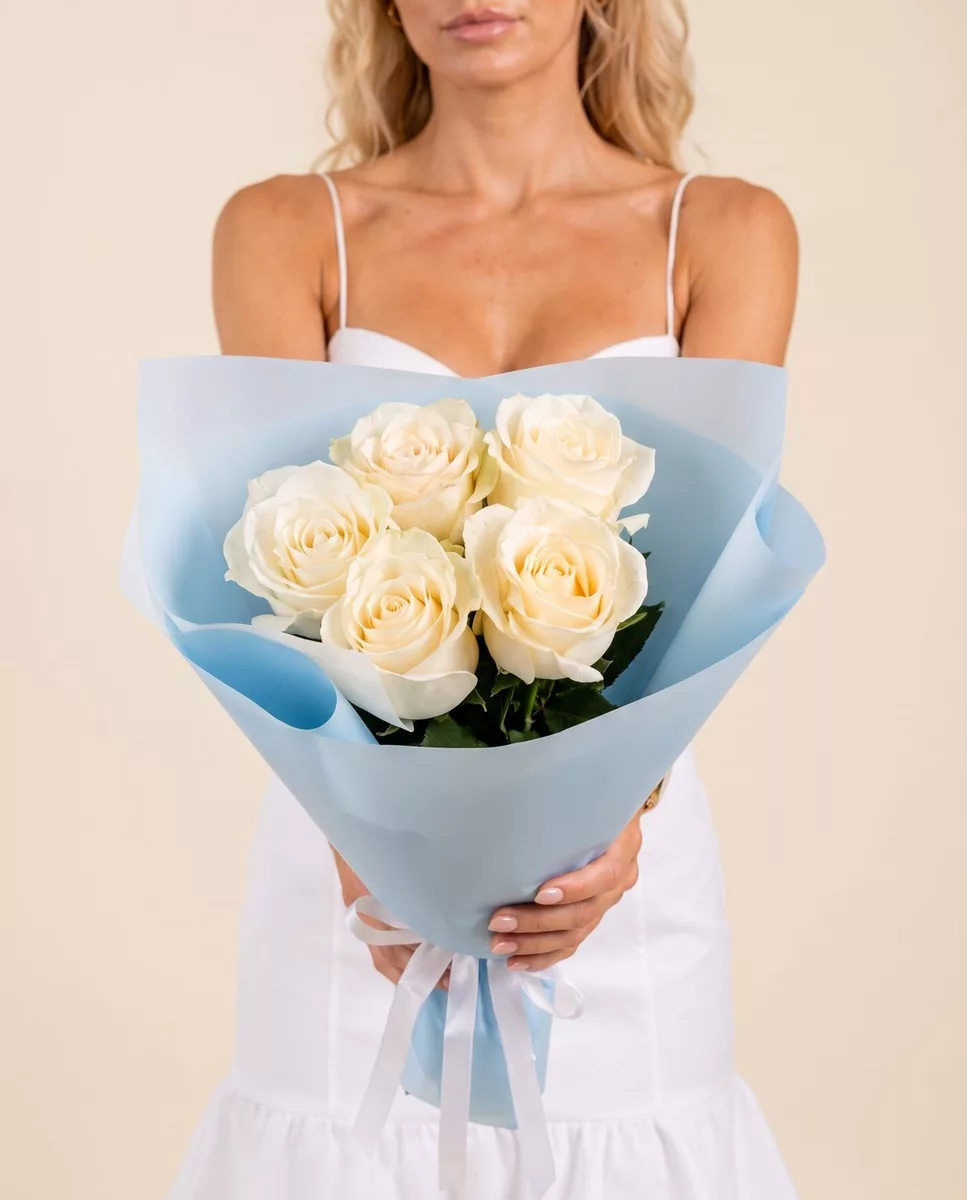
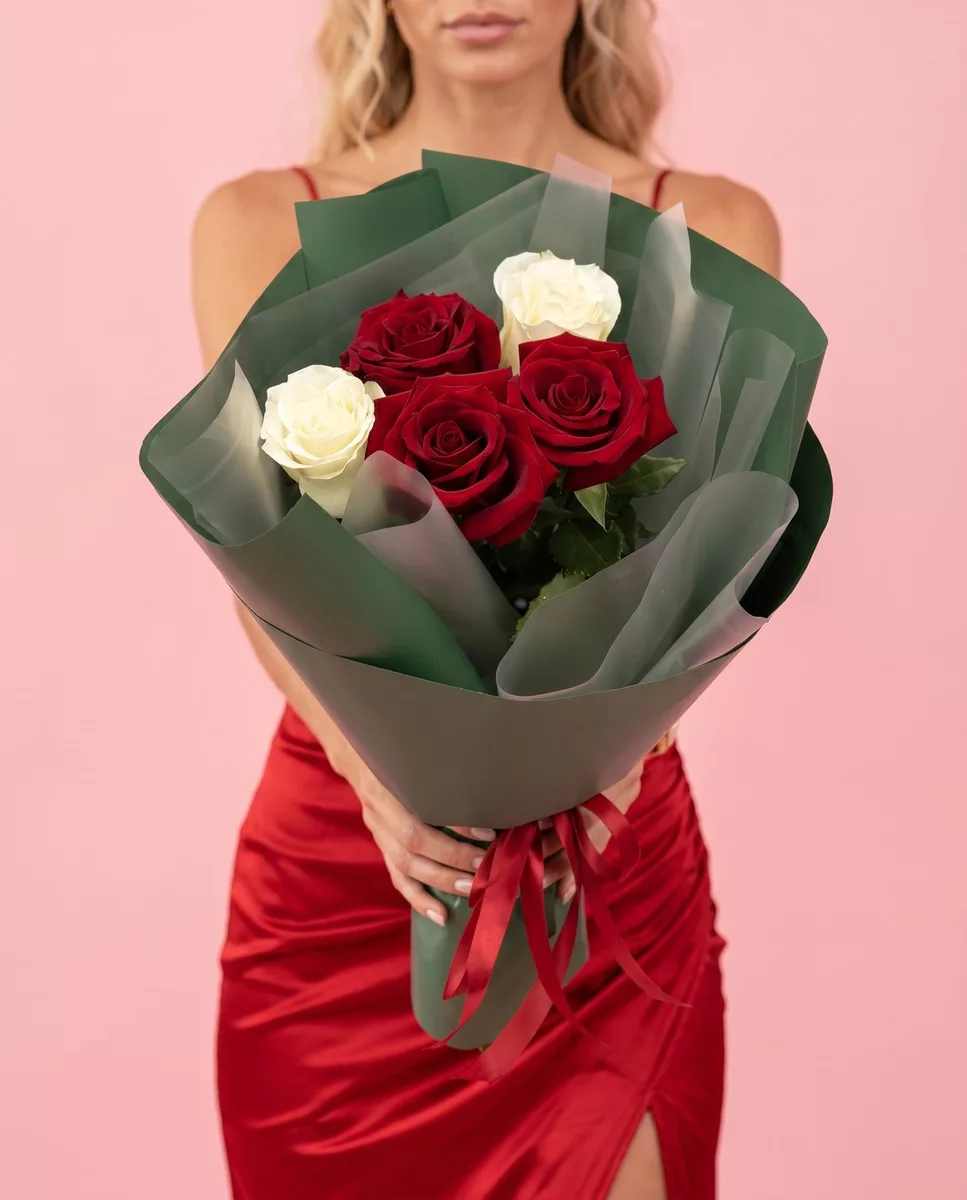
Bouquets we can deliver
Reading the Occasion Before You Pick a Single Stem
Before you think about colour or variety, think about the person and the moment. A bouquet for a grandmother celebrating her birthday reads completely differently from one sent to a young colleague who just defended her thesis. Russian floral culture places a lot of weight on the meaning carried by flowers, and getting that right matters more than matching a favourite colour.
In Russia, odd numbers of flowers are given to the living and even numbers are reserved for mourning. This is one of the most important customs to understand if you have not sent flowers to Russia before. A bouquet of eleven roses or seven tulips is a warm, celebratory gift. A bouquet of ten or twelve can cause genuine discomfort, even if the recipient does not say so directly. Always confirm the count before finalising your order.
Yellow flowers carry complicated associations in Russian tradition. Many people still associate yellow roses or yellow chrysanthemums with parting or infidelity, even if younger generations are less strict about this. If you are unsure of your recipient's views, it is safer to anchor a bouquet in warm pinks, deep reds, whites, or lavender tones and add yellow only as a small accent rather than the dominant shade. When the occasion is joyful — a birthday, a new home, a promotion — lean into colour and abundance. When it is tender and personal — a long-distance anniversary, a thank-you — restraint and a single focal flower often say more.
Choosing Flowers That Travel Well and Last in the Home
Not every beautiful flower is a good traveller. As someone ordering from abroad, you want stems that arrive looking as fresh as they did when they left — and that stay that way for at least a week once your recipient puts them in a vase. This is where variety selection becomes practical rather than just aesthetic.
Spray roses are one of the most reliable choices for distance delivery. They are sturdier than large-headed garden roses, hold their petals well in varying temperatures, and a single stem carries multiple blooms, which makes a bouquet feel generous without requiring a huge stem count. Alstroemeria is another excellent option: it is nearly indestructible in transit, comes in a wide range of colours from soft peach to deep burgundy, and each stem continues to open over seven to ten days.
Eustoma, sometimes called lisianthus, looks like a peony but travels far better and lasts longer in the vase — often two weeks with clean water and a cool spot away from direct sun. Chrysanthemums, both spray and disbud types, are workhorses of the Russian flower market and hold up beautifully in both summer heat and winter cold. Carnations have an unfairly old-fashioned reputation, but modern varieties in blush, coral, and deep claret are elegant and last up to three weeks. If your recipient loves roses specifically, ask for varieties with thick petals — these handle transit and room temperature far better than thin-petalled heritage types.
Budgeting When You Are Paying in a Foreign Currency
Ordering from abroad means you are almost certainly paying in euros, dollars, pounds, or dirhams and watching the exchange rate do its thing. The good news is that even a modest budget, converted to roubles, buys a genuinely impressive bouquet by Russian standards. The key is knowing what each price tier actually looks like in the vase.
At the entry level, you are looking at a compact, well-composed arrangement — five to seven stems of a single variety like spray roses or alstroemeria, wrapped simply and tied with ribbon. It reads as thoughtful rather than lavish, which is exactly right for a colleague, a neighbour, or a thank-you gesture. This tier suits occasions where the flower itself carries the message.
The mid-range opens up the composition considerably. You can mix two or three varieties — for example, eustoma as the focal flower, spray roses as supporting stems, and eucalyptus or ruscus for texture and longevity. This is the sweet spot for birthdays, anniversaries, and celebrations where you want the bouquet to feel like a genuine event. The recipient will notice the thought that went into the combination.
At the upper end, you are working with statement arrangements: large-headed roses, seasonal peonies when available in late spring, or orchid stems woven through a structured bouquet. These are for milestone moments — a significant birthday, a wedding anniversary, a major professional achievement. If you are unsure which tier fits, err toward the middle. A well-composed medium bouquet almost always lands better than an overstuffed large one where the stems compete rather than complement each other.
Navigating the Ordering Process from a Different Country
The practical side of ordering from abroad is simpler than most people expect, but there are a few points where things can go wrong if you are not prepared. The most common mistake is not having the recipient's full address in Russian. Street names in small Russian cities like Usman are often transliterated differently depending on the source, and an address written in English can create confusion. If you have the address in Cyrillic, use it — or ask your recipient to send it to you in that format.
Phone numbers are equally important. Russian mobile numbers follow the format +7 followed by ten digits. The delivery team will call ahead to confirm the recipient is available, especially for surprise deliveries. If you provide a number, make sure it is one the recipient will actually answer from an unknown local number — many people in Russia screen calls from numbers they do not recognise.
Time zone arithmetic is the third common stumbling block. Usman follows Moscow Standard Time, which is UTC plus three hours and does not observe daylight saving. If you are in London in winter, you are three hours behind. If you are in New York in summer, you are seven hours behind. Do the calculation carefully before choosing a delivery slot, and if you are genuinely unsure, choose a morning delivery window — recipients are almost always home and the flowers are protected from afternoon heat or evening cold. Leaving a message in Russian is a warm touch; even a short phrase transliterated phonetically means a great deal to the person receiving it.
What Your Recipient Should Do the Moment the Flowers Arrive
The care a bouquet receives in the first thirty minutes after delivery determines how long it will last. Most recipients in Usman, as elsewhere in Russia, will unwrap the flowers, admire them, and then put them in the first vase they find — often without trimming the stems or changing the water temperature. Knowing this, you can send a short message ahead of delivery with a few simple instructions that will genuinely extend the life of your gift.
The single most important step is cutting the stems. A diagonal cut of one to two centimetres, made with a sharp knife rather than scissors, opens up the stem's water-conducting tissue and lets the flower drink immediately. Scissors can crush the stem's end and restrict uptake. This small action can add three to four days to the life of a rose or eustoma.
Water temperature matters more than most people think. Lukewarm water — roughly the temperature of a comfortable bath — is absorbed far more easily than cold tap water, especially in winter when stems arrive chilled. The vase should be clean, and if the recipient has flower food from a previous purchase, this is the moment to use it. If not, a small pinch of sugar and a drop of bleach in the water does a similar job.
Placement in the room is the final factor. Flowers last longest away from direct sunlight, radiators, and fruit bowls — ripe fruit releases ethylene gas, which accelerates petal drop significantly. A cool spot on a table or windowsill away from heat sources is ideal. Remind your recipient to top up the water every day and recut the stems every two to three days for maximum vase life.
Making the Moment Feel Personal Across the Distance
The flowers are the visible part of your gift, but the message is what the recipient will actually remember. When you are sending from abroad, the geographical distance makes the personal touch even more important — it tells the recipient that you thought specifically of them, not just of the occasion.
A handwritten card, even a short one, is worth more than a long digital message. Ask to include a card with your order and write something specific: a shared memory, an inside reference, a line that only this person would understand. Generic phrases like 'thinking of you' or 'happy birthday' are fine, but one concrete sentence — 'I still think about the summer we spent in Sochi' — transforms a bouquet into a conversation.
If you want to add an element that feels distinctly Russian without overcomplicating things, consider requesting a combination that reflects the season. In spring, tulips and muscari together are a classic pairing that Russians associate with warmth returning after a long winter. In autumn, dahlias and orange spray roses in a wrapped kraft paper bouquet feel grounded and seasonal in a way that imported tropical flowers never quite do.
Finally, do not underestimate the power of timing. A bouquet that arrives at nine in the morning, before the recipient has started their day, sets a completely different emotional tone from one that arrives in the evening. Morning deliveries feel like someone thought of you before anything else happened. That feeling, more than any particular variety or colour, is what stays with a person long after the petals have fallen.
Sending flowers to Usman from the other side of the world is a small act with a large emotional weight. You are telling someone that the distance between you is not a reason to stop marking the moments that matter. Get the stem count right, choose varieties that travel well, plan for the time zone, and write something only you could write on the card. Turboflora handles the rest — from the moment your order is placed to the knock on the door in Usman within one to two hours.
Frequently asked questions
Can I order flowers for Usman if I do not speak Russian?
Yes. You can place your order in English through Turboflora's website. The key practical requirement is having the recipient's address in Cyrillic if possible, and a working Russian mobile number for the delivery call. If you only have the address in English, include as much detail as you can — street, building number, apartment number — and our team will handle the rest.
How far in advance should I order to guarantee same-day delivery to Usman?
Placing your order before noon Usman time — that is noon Moscow Standard Time, UTC plus three — gives the strongest guarantee of same-day delivery. If you are ordering from a time zone significantly behind Russia, set a reminder the evening before. Last-minute orders placed in the afternoon may still arrive the same day, but morning orders allow the most comfortable delivery window.
Are there flowers I should avoid sending to someone in Russia?
Two things matter most: always use an odd number of stems, since even numbers are associated with mourning in Russian tradition. And approach yellow flowers with care — yellow roses or yellow chrysanthemums as the dominant colour can carry associations of parting or bad luck for many recipients, particularly older ones. Using yellow as a small accent within a mixed bouquet is generally fine.
What happens to the flowers if my recipient is not home when delivery arrives?
The delivery team calls ahead to confirm the recipient is available. If there is no answer, they will attempt to reach the contact number provided. For surprise deliveries, it helps to have a trusted neighbour or family member who can accept the bouquet. Leaving flowers on an unattended doorstep in summer heat or winter cold is the fastest way to shorten their vase life significantly.
Which flowers last longest in a vase for a recipient in Usman?
Alstroemeria, carnations, and eustoma consistently give the longest vase life — often ten to fourteen days with basic care. Chrysanthemums are also excellent. Roses last well when stems are recut every two to three days and water is changed regularly. Peonies and tulips are beautiful but shorter-lived, typically five to seven days. For a recipient who may not tend flowers daily, alstroemeria is the most forgiving choice.
Ready to send flowers?
Pick the city, choose the bouquet, and a local florist takes it from there.
Choose a city →