Sending Flowers to Ust-Katav from Abroad? Here Is What to Expect
You are sitting in Berlin, Toronto or Dubai, and someone you love is in Ust-Katav — a quiet industrial town tucked into the southern Urals, far from any international flower hub. You want to send something real, something that arrives fresh and feels personal, not a gift card or a food basket. The good news is that a same-day flower delivery to Ust-Katav is entirely possible when you understand the geography, the climate and a few customs that shape how flowers are given and received in this part of Russia.
Why Ust-Katav Requires a Little More Planning Than Moscow
Ust-Katav sits in the Chelyabinsk Oblast, nestled along the Katav River in the foothills of the southern Urals. It is not a large city, and that matters when you are sending flowers from abroad. The town is genuine Russia — not the cosmopolitan pace of Saint Petersburg or Moscow, but a place where a bouquet arriving at someone's door is still a meaningful, somewhat rare event that people talk about.
Because you are ordering remotely, you cannot walk into a shop and point at what looks freshest that morning. You are trusting a delivery service to make those choices well. That means the service you use needs to have reliable access to fresh stock and a route into the Chelyabinsk region — not just a listing on a website.
Turboflora delivers across Russia, including to the Ural region, within a one-to-two hour window from the moment the order is confirmed. For a sender abroad, the critical step is placing the order early enough in the Russian day. Ust-Katav operates on Yekaterinburg time, which is UTC plus five. If you are in London, that is seven hours ahead of you. If you are in New York, it is eight hours ahead. A bouquet you want delivered at six in the evening local time needs to be ordered well before noon in Ust-Katav — which may mean waking up early or ordering the night before for a morning delivery.
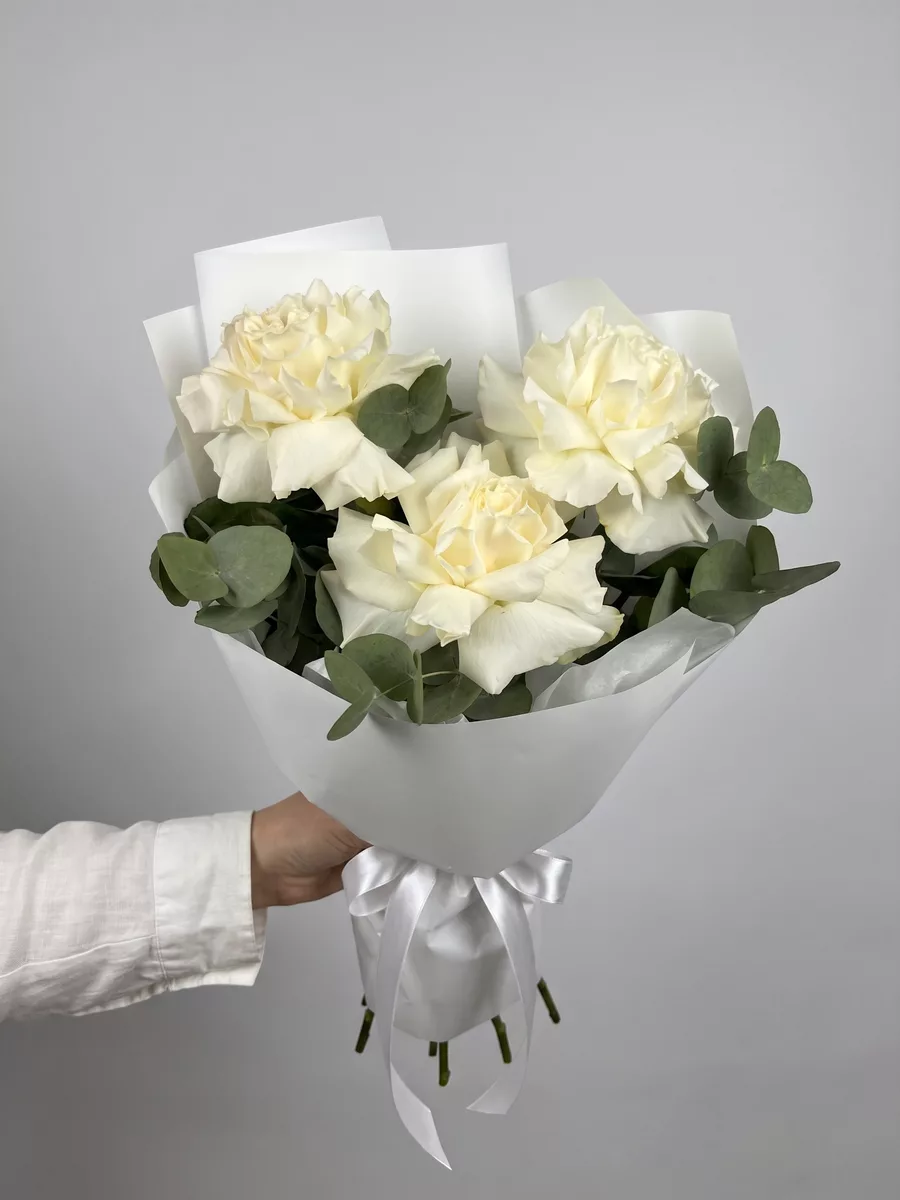
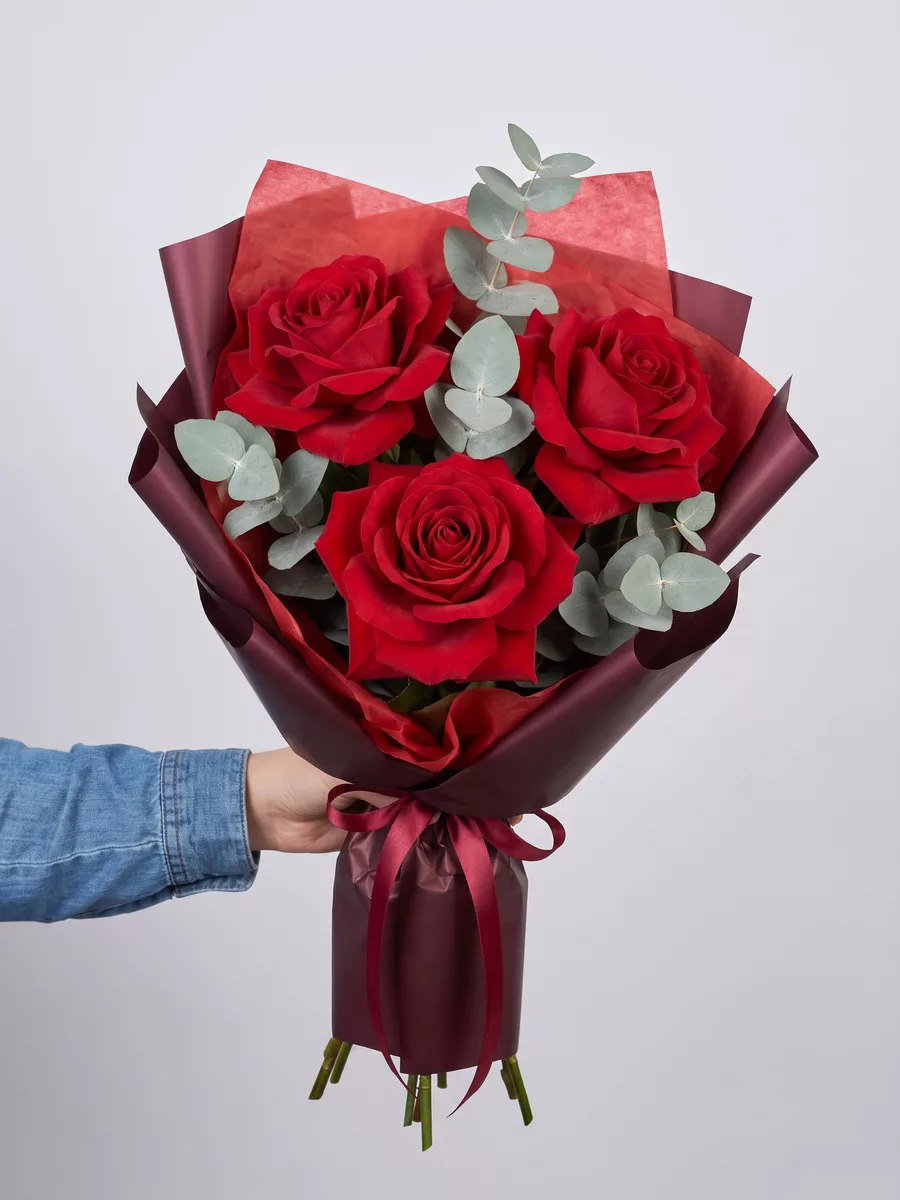
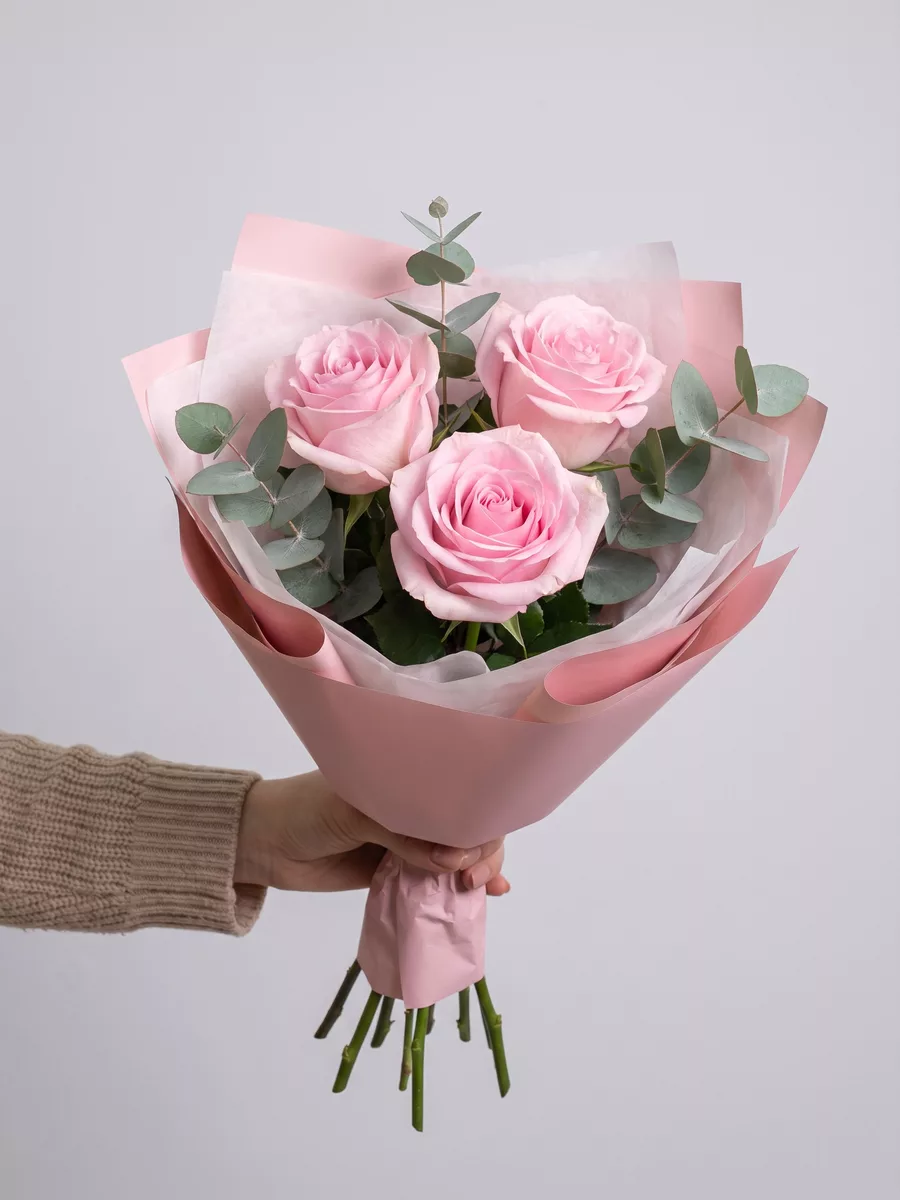
Bouquets we can deliver

What the Recipient Will Actually Feel When the Bouquet Arrives
Think about the moment the door opens. Your person in Ust-Katav is not expecting anything — and then there is a courier with flowers. In a smaller Russian city, that moment lands differently than it does in a capital. It is more surprising, more intimate, and it will almost certainly be shared. Photos will go to family group chats. Neighbors may hear about it. The gesture carries weight precisely because it is unusual.
For a birthday, the feeling you are aiming for is warmth and celebration — something that makes the room feel brighter. Roses in warm tones, ranunculus, or lisianthus work beautifully here because they read as genuinely festive without being stiff or corporate. For a congratulation on a new job or a graduation, the mood shifts slightly toward pride and optimism — a mixed bouquet with sunflowers, gerberas or solidago gives that energy without feeling overblown.
If you are sending flowers simply to say you are thinking of someone — no occasion, just love across a distance — go softer. White and blush tones, garden-style arrangements with alstroemeria or spray roses, feel personal rather than performative. They say the sender thought carefully, which is exactly what someone living far from home wants the recipient to understand.
Always include a personal card message, even a short one. In Russian culture, a bouquet without a few written words can feel slightly impersonal. You can write in English — it will be read and appreciated — but a single line in Russian transliterated from your language is a detail people remember for years.
Choosing the Right Flowers for Ust-Katav's Climate and Season
The southern Urals have a pronounced continental climate. Winters are cold and long, with temperatures regularly dropping to minus twenty Celsius or below from November through February. Summers are warm but short. This matters for flower choice because certain varieties travel and hold better in extreme cold or heat, and because the seasonal mood of the recipient shifts with the landscape around them.
In winter, hardy varieties are your friends. Standard roses, carnations, chrysanthemums and alstroemeria all handle cold transit well. They do not bruise or wilt the way more delicate flowers might when moving through a cold outdoor environment. A wrapped bouquet in winter should be protected — good delivery services use insulated packaging, but you should confirm this when ordering from abroad.
In spring, when Ust-Katav is still shaking off the cold, tulips and hyacinths feel genuinely seasonal and uplifting. They are available from February onward and carry a psychological warmth that fits the mood of someone waiting for the thaw. Peonies arrive in late May and June and are enormously popular in Russia — if the occasion falls then, they are an excellent choice.
In summer, lisianthus, freesia and gerberas are at their best and add color without being heavy. Avoid tropical flowers like anthuriums for summer delivery to the Urals — they are sensitive to temperature swings during transit. In autumn, dahlias, if available, and sunflowers with seasonal foliage make arrangements that feel honest and rooted in the time of year rather than generic.
How to Order Successfully from a Non-Russian Location
Ordering flowers for delivery inside Russia from abroad involves a few practical steps that are worth understanding before you start. The most important is payment. Russian domestic services increasingly accept international cards, but not all do — some require a Russian card or a specific payment gateway. Turboflora accepts international payment methods, which removes the most common barrier for overseas senders.
The second step is the address. Russian addresses follow a specific format: street name, building number, apartment number, city, region, postal code. Ust-Katav has its own postal codes within the Chelyabinsk Oblast. If your recipient has sent you their address in a casual format — just the street and their name — call or message them to confirm the full details, including the apartment number and any entry code for the building door. Russian residential buildings frequently have a locked entrance, and a courier cannot complete delivery without this information.
The third step is timing, as covered earlier. But there is a nuance worth adding: Russian public holidays follow a different calendar from most Western countries. New Year in Russia is celebrated from January first through the eighth, and flowers are in extremely high demand during this period. Women's Day on the eighth of March is the single busiest flower day of the Russian year — comparable to Valentine's Day in the West, but even more widely observed. If you are sending for either of these occasions, place your order at least one to two days in advance and specify your preferred delivery window clearly.
Finally, double-check the recipient's phone number. The courier will call ahead, and a missed call means a missed delivery.
Bouquet Options by Budget and Occasion
You do not need to spend extravagantly to send something that feels generous and considered. The key is matching the scale of the bouquet to the occasion and the relationship, not simply spending more.
For a modest but sincere gesture — a thinking-of-you moment, a small thank-you, or flowers for someone you are not especially close to — a compact arrangement of five to seven stems works well. A tight bunch of spray roses in a single color, or alstroemeria with simple foliage, looks intentional rather than sparse when assembled well. The presentation matters as much as the quantity.
For a birthday or an anniversary, a medium bouquet of eleven to fifteen stems is the more typical Russian choice. An odd number of flowers is traditional in Russia for celebratory occasions — even numbers are associated with mourning, so always confirm your order uses an odd count. A combination of garden roses, lisianthus and eucalyptus reads as modern and elegant. Ranunculus mixed with freesia gives a softer, more romantic feeling.
For a significant milestone — a major anniversary, a graduation after years of study, or congratulations on something genuinely important — a large arrangement of twenty-five stems or more makes an impression that matches the moment. Peonies in season, or long-stemmed roses in a bold color with structured foliage, have the visual presence that says this is not an everyday occasion.
Whatever the budget, ask about packaging. A well-wrapped bouquet with kraft paper, ribbon and a quality card envelope elevates even a simple bunch into something that feels considered and complete.
What Happens After Delivery: Helping Your Recipient Keep Flowers Fresh
You will not be there to help unwrap the bouquet or trim the stems, so it is worth including a few care notes with your card message — or sending a quick message to your recipient after delivery. Fresh flowers in Ust-Katav, as anywhere in Russia, will last significantly longer with a little attention in the first hour after arrival.
The first step is recutting the stems at an angle under running water or while submerged. This removes any air that entered the stem during transport and allows the flower to drink immediately. A sharp knife is better than scissors, which can crush the stem tissue. Even a centimeter removed from the base makes a real difference.
Water temperature matters more than most people realize. Lukewarm water — not cold, not hot — is absorbed most efficiently by most cut flowers. Roses, lisianthus and carnations all prefer this. Tulips are an exception and actually do well in cool water. Change the water every two days and recut the stems slightly each time.
Keep the vase away from direct sunlight, radiators and fruit bowls. Ethylene gas from ripening fruit accelerates wilting in many flowers, particularly roses and carnations. In a Russian apartment in winter, radiators are often running at full capacity — a vase placed near one will lose flowers in half the expected time.
With proper care, roses and chrysanthemums will last seven to ten days. Alstroemeria can go twelve to fourteen days easily. Lisianthus and carnations sit comfortably at ten days. Tulips are shorter-lived at five to seven days but are so striking in the first days that the trade-off is worth it.
Russian Flower Customs a Sender from Abroad Should Know
Flowers in Russia carry a specific cultural grammar that is worth understanding before you order. Getting it right shows care; getting it wrong is rarely catastrophic, but knowing the customs helps your gesture land as intended.
The most important rule is the odd-number convention. Celebratory bouquets — for birthdays, anniversaries, holidays, congratulations — should contain an odd number of stems. Even numbers are reserved for funerals and mourning. This is not a rigid rule that every Russian follows strictly, but it is widespread enough that most recipients will notice. When ordering, confirm the stem count is odd: seven, nine, eleven, fifteen, twenty-five and so on.
Yellow flowers carry a complicated reputation in some parts of Russia. Traditionally, yellow roses in particular were associated with separation or jealousy. This belief is fading among younger generations, but if you are sending to someone older or more traditional, it is safer to choose another color. Yellow sunflowers and yellow gerberas do not carry the same association — it is specifically yellow roses that some people find ambiguous.
White flowers are generally positive and appropriate for most occasions in Russia — they are not exclusively associated with mourning the way they are in some Asian cultures. White roses, white lisianthus and white peonies are all entirely appropriate for celebrations.
Finally, the act of giving flowers in person traditionally involves handing them with both hands or with the right hand — a sign of respect. Since you are delivering remotely, this does not apply, but knowing it helps you understand why flowers are taken seriously as a gesture here. They are not casual. They mean something, and your recipient will receive them that way.
Sending flowers to Ust-Katav from abroad is a more personal act than it might seem from the outside. You are reaching across a significant distance — geographic and sometimes emotional — to place something living and beautiful at someone's door in a town that does not see this happen every day. When you get the timing right, choose varieties that suit the season and the person, and include a genuine card message, the bouquet does not just deliver flowers. It delivers the fact that you thought about them specifically, carefully, and from far away. That is what stays with people long after the last petal falls.
Frequently asked questions
Can I order flowers for delivery to Ust-Katav if I do not speak Russian?
Yes. Turboflora accepts orders in English and supports international customers through the ordering process. You can write your card message in English — it will be delivered exactly as written. The recipient's address should be provided in full Russian format if possible, which your recipient can send you directly.
How far in advance should I order for a specific delivery time in Ust-Katav?
Because Ust-Katav is on UTC plus five, plan for the time difference carefully. For an evening delivery, place your order by early afternoon Ust-Katav time at the latest. For major Russian holidays like Women's Day on March eighth or New Year, ordering one to two days ahead is strongly recommended as demand is very high.
Is it true that yellow roses are a bad choice for Russia?
Among older and more traditional recipients, yellow roses can carry an association with jealousy or separation, so they are best avoided if you are unsure of the recipient's preferences. Yellow gerberas and sunflowers do not carry this association. For a safe, universally positive choice, warm pinks, reds or whites are reliable across all ages.
What if my recipient is not home when the courier arrives?
The courier will call the recipient's phone number before arriving. If there is no answer, delivery may be rescheduled or held. This is why providing a correct and active Russian mobile number for the recipient is essential. Include building entry codes in the address notes when placing your order to avoid any access delays.
Which flowers last longest for someone who might not have a vase ready immediately?
Alstroemeria, chrysanthemums and carnations are the most forgiving — they hold well for ten to fourteen days with basic care and are not sensitive to minor delays in getting into water. Lisianthus is also a strong choice. Avoid tropical varieties and very delicate open blooms like garden roses if you are unsure the recipient will have a vase and fresh water ready within the first hour.
Ready to send flowers?
Pick the city, choose the bouquet, and a local florist takes it from there.
Choose a city →