Sending Flowers to Ust-Kut from Abroad? Here Is What to Expect
Ust-Kut sits deep in the Irkutsk region, roughly 4,500 kilometres east of Moscow, and if someone you love lives there, distance should not stop you from marking a birthday, an anniversary, or simply a day when you want them to feel remembered. Ordering flowers from London, Berlin, Toronto, or Tokyo is entirely possible — but it does require a little more thought than a same-city order. This guide walks you through everything that actually matters: timing, seasonal choices, what the cold does to petals, and how to make sure your bouquet lands looking the way you imagined it.
Why Ust-Kut Is Different from Other Russian Cities
Ust-Kut is not a small village, but it is a remote industrial city on the Lena River, best known as the starting point of the BAM railway. Its population is modest, its winters are severe — temperatures regularly fall below minus thirty Celsius between November and February — and the city is not served by the same dense logistics networks that connect Moscow or Saint Petersburg. That remoteness shapes everything about a flower delivery there.
For a sender abroad, the most important thing to understand is that you are not ordering into a major hub. The city has real infrastructure, real addresses, and real people who love receiving flowers just as much as anyone in a capital city. But the supply chain is longer, which means freshness decisions matter more, not less.
Flowers that travel well in mild weather become fragile in extreme cold. A rose that would survive an hour in a Moscow courier bag may suffer real petal damage if it spends even ten minutes in open air at minus twenty-five. This is not a reason to hesitate — it is simply a reason to order from a florist who understands the route and packages accordingly. Knowing the context of where your flowers are going is the first step toward getting it right.
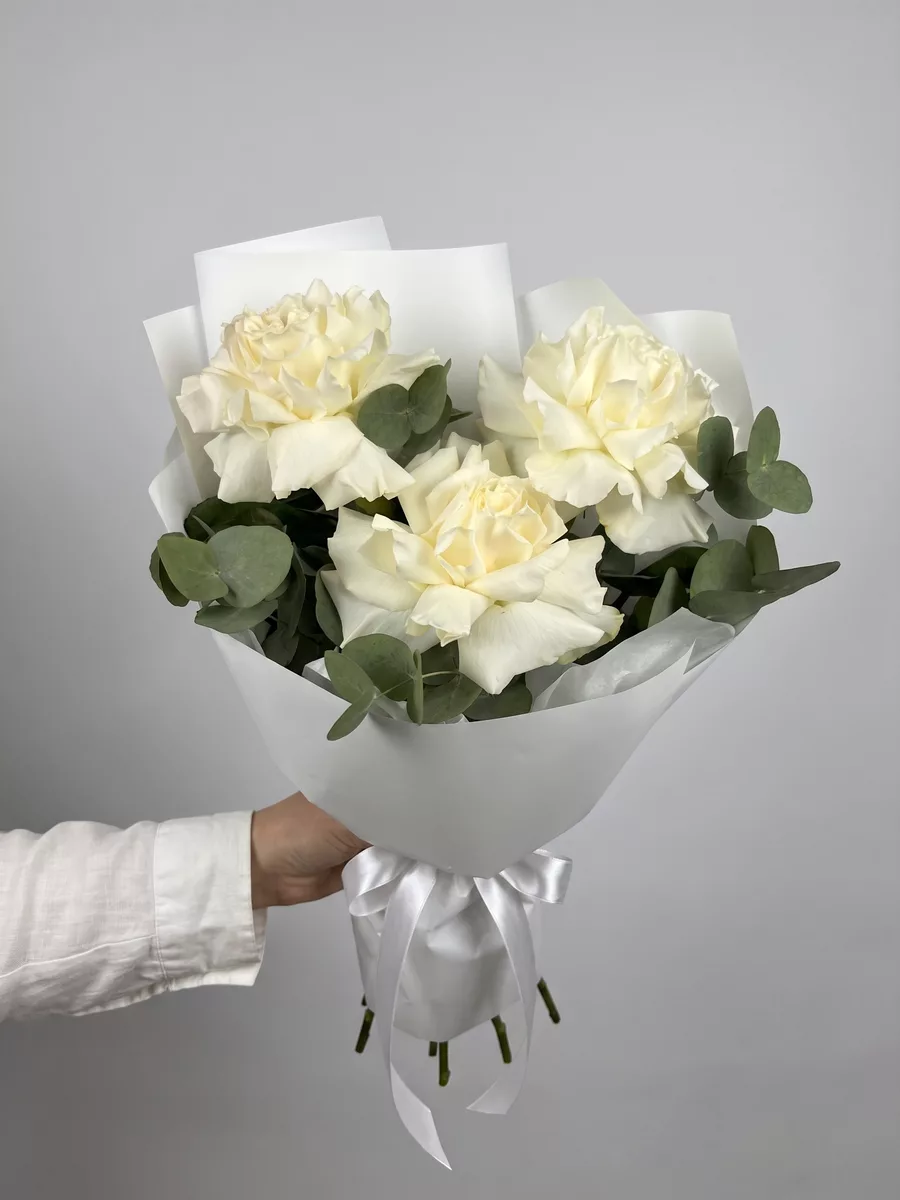
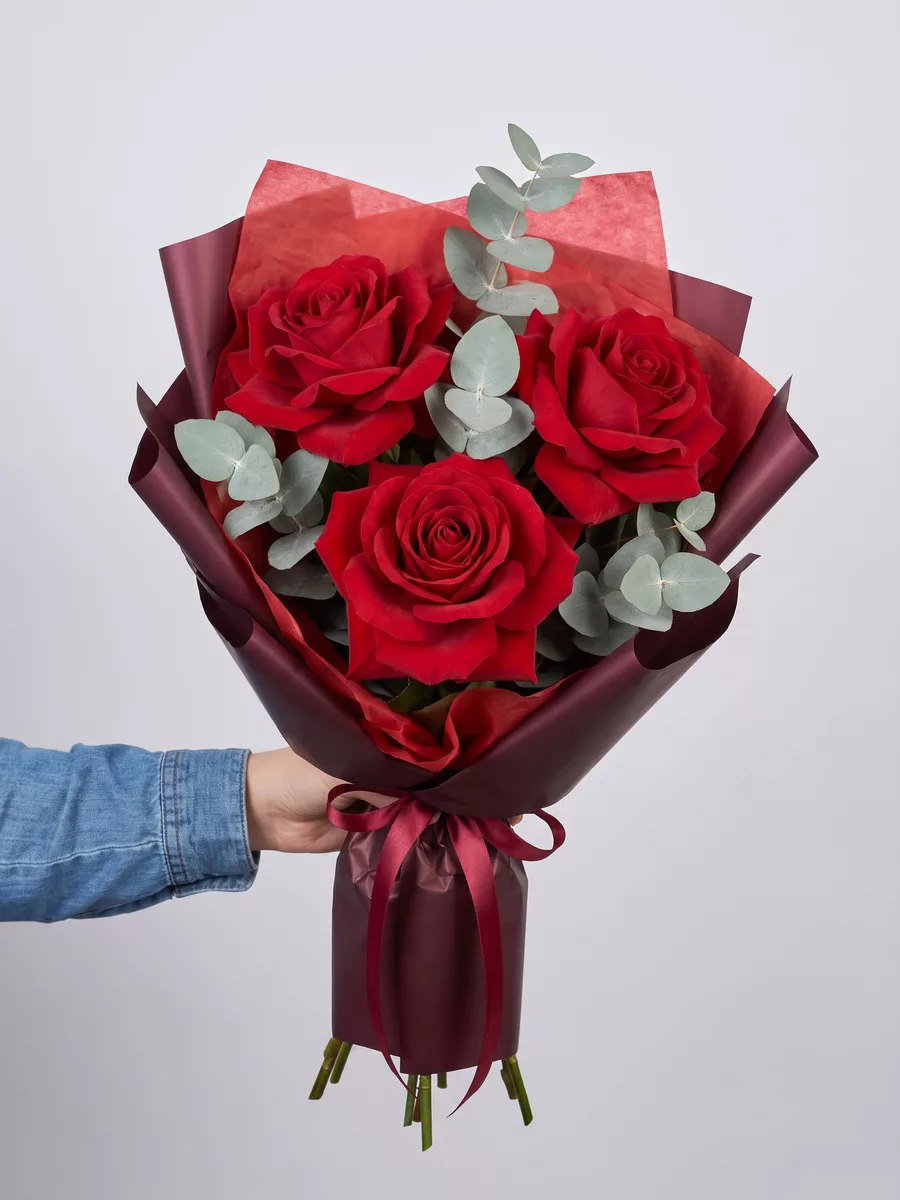
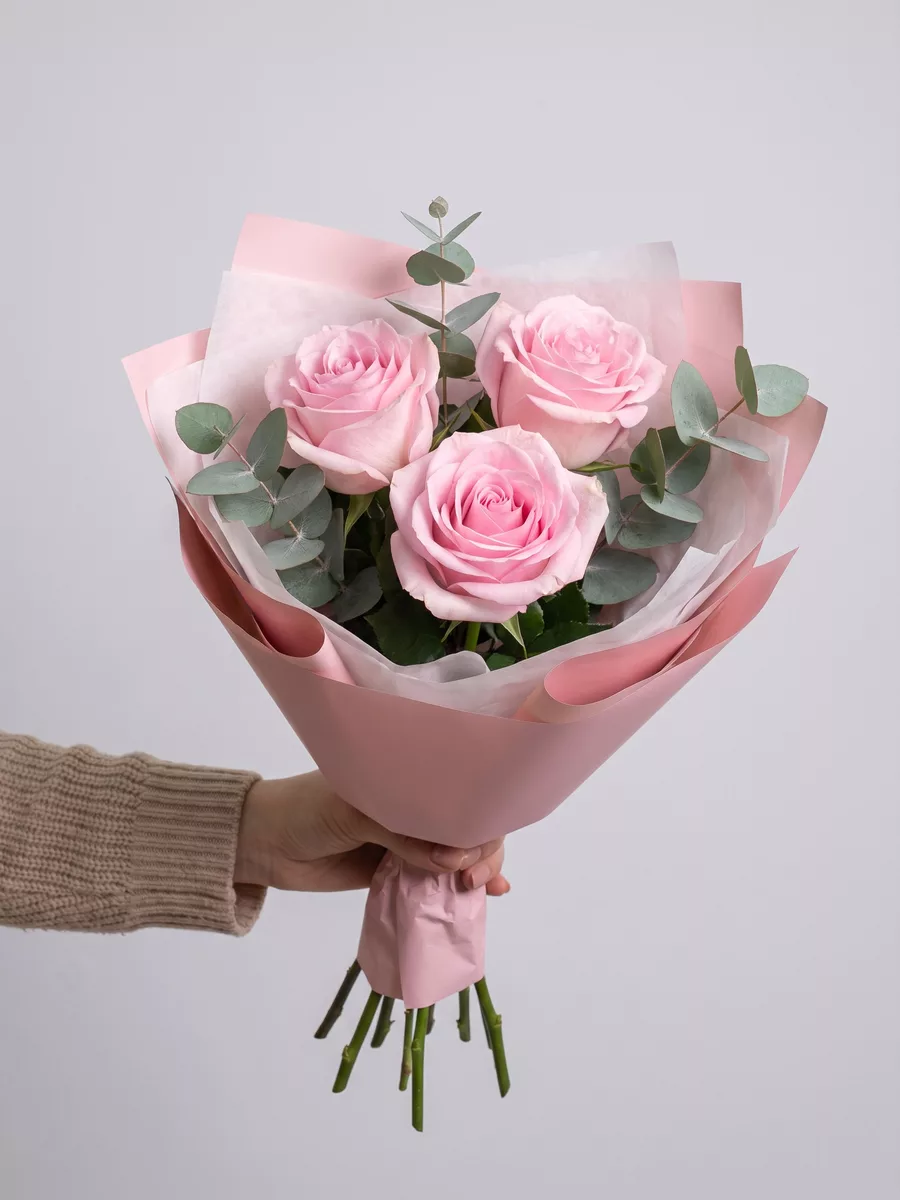
Bouquets we can deliver

The Best Time to Place Your Order Across Time Zones
Ust-Kut operates on Irkutsk Time, which is UTC plus eight. That puts it eight hours ahead of London, eleven hours ahead of New York, and only one hour behind Tokyo. If you are ordering from Western Europe or the Americas, your afternoon is already the recipient's next morning or even next day. This gap is easy to miscalculate, and it is the single most common mistake international senders make.
The practical rule is to place your order at least twenty-four hours before the moment you want the flowers to arrive. If the occasion is a birthday breakfast or a morning surprise, you may want to order thirty-six hours in advance to give yourself a comfortable margin across the time difference. For same-day delivery within Russia, orders typically need to be placed before noon Moscow time — so check what that means in your local timezone before you click confirm.
When you fill in the delivery details, always specify the recipient's local time for arrival, not your own. Write something like "please deliver between 15:00 and 17:00 Irkutsk time" in the order notes. A good florist will work backward from that window. Also factor in Russian public holidays, when delivery schedules can shift. International Women's Day on the eighth of March, for instance, is one of the busiest flower days in Russia, and orders placed late that week may face delays even in larger cities.
Choosing Flowers That Survive the Siberian Cold
Not every flower is suited to a Siberian winter delivery, and choosing wisely is the most loving thing you can do. Roses, chrysanthemums, and carnations are the workhorses of cold-weather bouquets — they handle temperature swings better than most and recover well after being warmed indoors. Spray roses are particularly good because their smaller heads lose heat more slowly than large hybrid tea varieties.
Tulips and ranunculus are beautiful but delicate in extreme cold. Their stems become limp quickly when frozen and do not always recover even after conditioning in warm water. If you are ordering between November and March, it is wiser to lean on sturdier varieties. Alstroemeria is another reliable cold-season choice — it has a long vase life, travels well, and its clusters of blooms look generous without being fragile.
In summer, from June through August, Ust-Kut enjoys warm continental weather, and the range opens up considerably. Peonies, lisianthus, and even sunflowers become practical options. The key question to ask yourself is: what month is it, and what will the flowers face between the door of the shop and the door of the recipient? A florist who knows the route will wrap bouquets in insulating kraft paper and thermal sleeves during winter months, but the flower choice itself should already account for the conditions. When in doubt, ask for a seasonal recommendation when placing your order.
What to Write: Messages and Russian Gifting Customs
In Russia, flowers almost always come with a card, and the message matters more than many international senders expect. A handwritten note — or one that reads as personal — is far more meaningful than a generic printed line. When you order from abroad, you can usually type your message in English or ask for it to be translated; either way, make sure the card is included and clearly attached to the bouquet.
One custom worth knowing: Russians traditionally give flowers in odd numbers for celebratory occasions. Even numbers of flowers are associated with mourning, so a bouquet of twelve roses would feel out of place at a birthday. Most professional florists already follow this convention automatically, but if you are specifying an exact quantity, stick to odd numbers — seven, nine, eleven, fifteen.
Another small but important point: white flowers carry a neutral elegance in Russia and are perfectly appropriate for birthdays, anniversaries, and congratulations. Red roses signal romantic love very directly — more so than in some Western contexts — so consider whether that is the message you intend. Mixed bouquets in warm tones, peach, coral, yellow, and cream, are universally safe and feel genuinely festive. If the recipient is a colleague or a more formal acquaintance, a structured bouquet of white and green tones reads as sophisticated and respectful. When you are unsure of the relationship, warm mixed tones almost never go wrong.
How to Write the Delivery Address Correctly
A wrong or incomplete address is the fastest way to ruin an otherwise perfect order, and in a city like Ust-Kut, where street names may be unfamiliar to an international sender, it pays to be precise. Ask your recipient — or someone who knows them — for the full address in Russian, including the street name, building number, apartment or office number, and the entry code if there is one.
Russian addresses follow a different order from Western ones. The format goes: postcode, region, city, street, building, apartment. The postcode for Ust-Kut begins with 666780. When filling in an order form, enter each field as instructed rather than pasting the whole address into one box, which can cause parts to be missed. If the building has multiple entrances, known in Russian as podezd, note which one and whether there is a door code, called a domofon code. Without this, a courier may not be able to reach the door.
If you are sending to a workplace rather than a home, include the company name and the recipient's full name. Office buildings often require a name at reception. For a home address, the recipient's first name and patronymic — the middle name derived from the father's first name — is the polite form of address in Russia, though a first name alone is increasingly common and always acceptable. When in doubt, include both the first name and the surname so the courier can confirm delivery without confusion.
Vase Life and What to Tell the Recipient
One of the kindest things you can do as a sender is pass along simple care instructions, because a well-tended bouquet can last nearly twice as long as a neglected one. Most florists include a care card, but a personal note from you reinforces the message and shows thought.
The basics are straightforward. Stems should be cut at an angle under running water before being placed in a clean vase — this prevents air bubbles from blocking water uptake. The vase water should be changed every two days, and the stems trimmed slightly each time. Keep the bouquet away from direct sunlight, radiators, and fruit bowls, because ripening fruit releases ethylene gas, which accelerates petal drop in roses and carnations especially.
In Ust-Kut's dry continental climate, indoor heating in winter creates very low humidity, which shortens vase life for delicate flowers. Placing the vase in a cooler room overnight — not cold, just away from the radiator — can extend freshness noticeably. Roses typically last seven to ten days with good care. Chrysanthemums can go two weeks. Alstroemeria is one of the longest-lasting cut flowers available, often reaching twelve to fourteen days when conditioned properly.
If you are sending tulips, warn the recipient that they continue to grow in the vase and will lean toward any light source — rotating the vase daily keeps them upright and symmetrical. These small details show the recipient that the flowers were chosen with care, not just clicked into a basket.
Making the Order Feel Personal from Thousands of Kilometres Away
Distance is not the same as absence, and a flower delivery done thoughtfully can feel more personal than a gift handed over in the same room. The key is specificity — specific flowers, a specific message, a specific time of arrival that fits the recipient's day rather than your convenience.
Think about what the person loves, not just what looks impressive in a photo. If your grandmother in Ust-Kut has always kept a pot of white chrysanthemums on her windowsill, a bouquet of white spray chrysanthemums will mean more to her than an elaborate mixed arrangement she does not recognise. If your partner there mentioned once that they love the smell of freesias, a freesia-forward bouquet shows you were listening.
Consider the occasion in full. An anniversary bouquet for a couple who have been together thirty years calls for something richer and more romantic — deep red roses, garden-style roses in burgundy and blush — than a first-anniversary arrangement. A new job or a graduation calls for something bright and forward-looking: sunflowers in summer, or a bold arrangement of orange and yellow gerbera in winter.
You can also add small extras that travel as part of the order — a box of chocolates, a soft toy, a small candle — to make the delivery feel like a full moment rather than just flowers at the door. These additions are especially meaningful when you cannot be there in person, and they give the recipient something to unwrap alongside the bouquet.
Sending flowers to Ust-Kut from abroad is genuinely possible, and when it works well, it works beautifully. The city is far, the winters are serious, and the time zones require attention — but none of that is an obstacle if you plan a day ahead, choose varieties suited to the season, and write an address that a courier can actually find. The person on the other end will not think about logistics. They will open the door, see fresh flowers, and feel exactly what you wanted them to feel. That is the whole point, and it is worth getting right.
Frequently asked questions
Can I order flowers for Ust-Kut delivery if I do not speak Russian?
Yes. The order form at turboflora.com works in English, and you can write your card message in English or ask for a simple translation in the order notes. The delivery address should ideally be provided in Russian by the recipient or someone who knows them, as Cyrillic spelling avoids any street-name confusion for the courier.
What flowers should I avoid sending to Ust-Kut in January?
Avoid delicate open-faced flowers like anemones, open peonies, and garden roses in deep winter. Their petals bruise easily in severe cold. Tulips are also risky below minus twenty Celsius — stems go limp quickly. Stick to roses, spray roses, chrysanthemums, carnations, or alstroemeria, which all handle cold transport significantly better and recover well indoors.
How far in advance should I place my order from a different country?
At least twenty-four hours before the desired delivery window, and thirty-six hours if the occasion falls in the morning. Ust-Kut is UTC plus eight, so Western European and American senders are already working across a large time gap. Factor in that same-day Russian delivery typically requires an order placed before noon Moscow time.
Is it true that flowers in even numbers are inappropriate in Russia?
Yes, this is a widely observed Russian custom. Even numbers of flowers, such as ten or twelve, are associated with mourning and funerals. For any celebratory occasion — birthdays, anniversaries, congratulations — always choose an odd number: seven, nine, eleven, or fifteen stems. Most professional florists follow this automatically, but it is worth confirming if you specify an exact count.
What happens if nobody is home when the flowers are delivered?
The courier will call the recipient using the phone number you provide in the order. This is why including an accurate local phone number is essential — without it, a missed delivery is much harder to resolve. If the recipient will be away at the specified time, note an alternative window or a neighbour's contact in the order comments so the courier has options.
Ready to send flowers?
Pick the city, choose the bouquet, and a local florist takes it from there.
Choose a city →