Sending Flowers to Vikhorevka from Abroad? Here Is What Actually Matters
You are somewhere outside Russia — maybe in Berlin, Dubai, or Toronto — and someone you love is in Vikhorevka, a small city in the Irkutsk region of Siberia. You want to send them flowers, and you want those flowers to arrive fresh, beautiful, and on time. The distance feels enormous, but the gesture does not have to be complicated. Here is everything a sender abroad genuinely needs to know before placing that order.
Where Vikhorevka Is and Why Location Shapes Your Order
Vikhorevka sits in the Irkutsk region of Eastern Siberia, roughly 4,700 kilometres east of Moscow. That geographic fact matters more than it might seem when you are ordering flowers. The city has a continental climate with cold, long winters and relatively short, warm summers. January temperatures regularly fall to minus twenty-five degrees Celsius or colder, and even late spring can surprise with frost.
This climate directly affects which flowers travel well and when. Delicate open blooms like garden roses or large-headed peonies are vulnerable to freezing during outdoor transit in winter months. Sturdier varieties — spray roses, chrysanthemums, alstroemeria, and carnations — handle cold corridors better because they are naturally more resilient and close up slightly in the cold rather than bruising.
Siberian recipients also tend to have a strong appreciation for bold, generous arrangements. A single slim bouquet can feel underwhelming compared to a full, layered composition. Think about volume and warmth in your choice: deep reds, rich burgundies, and warm corals read as generous and sincere. In summer, when local gardens bloom briefly and intensely, bright sunflowers and vivid gerberas feel perfectly in tune with the season and the mood of the region.
Knowing where your recipient lives also helps you think about delivery timing. Vikhorevka is a working city, and people there keep fairly regular schedules. Mid-morning or early afternoon delivery tends to catch people at home or at a workplace where a bouquet can be received with proper care.
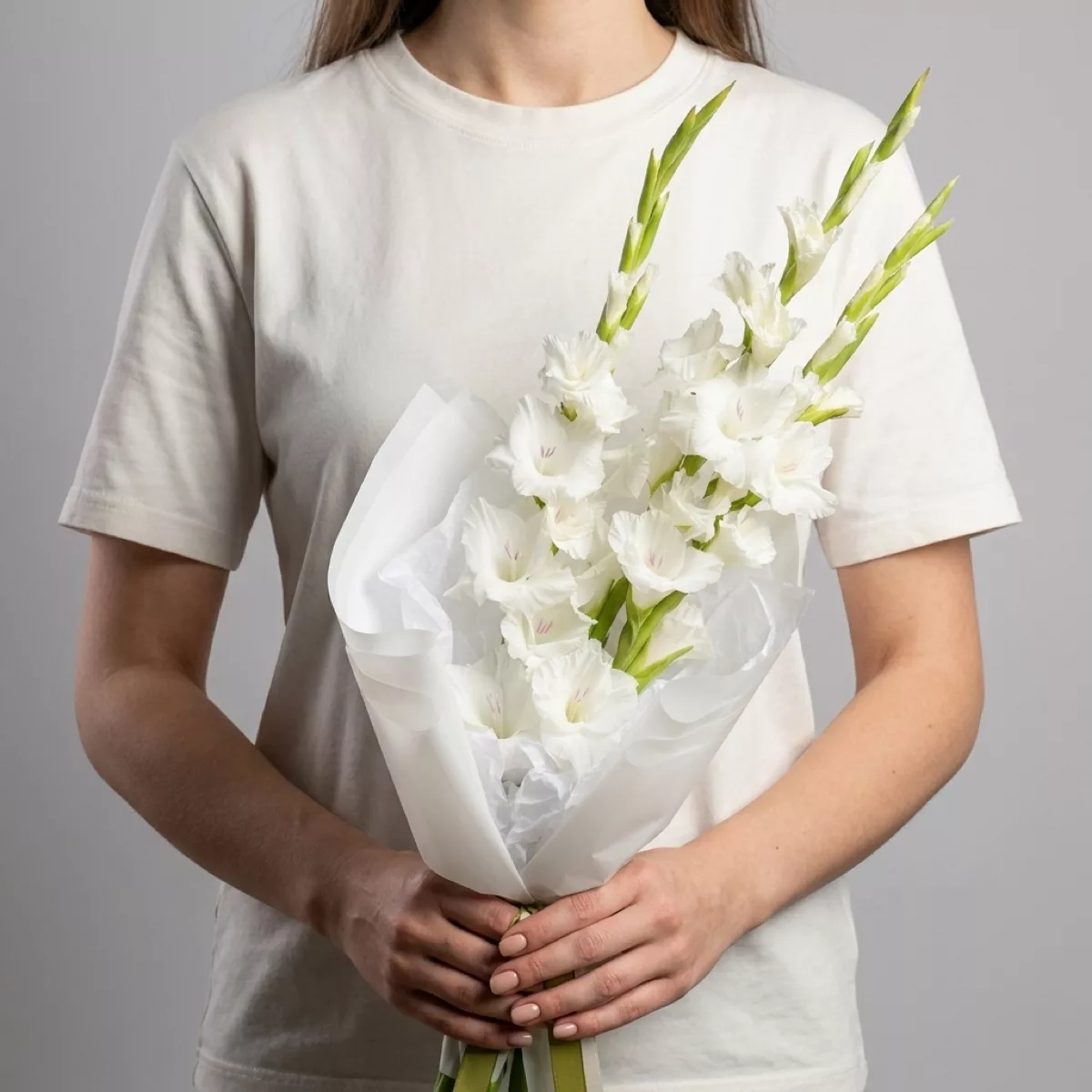
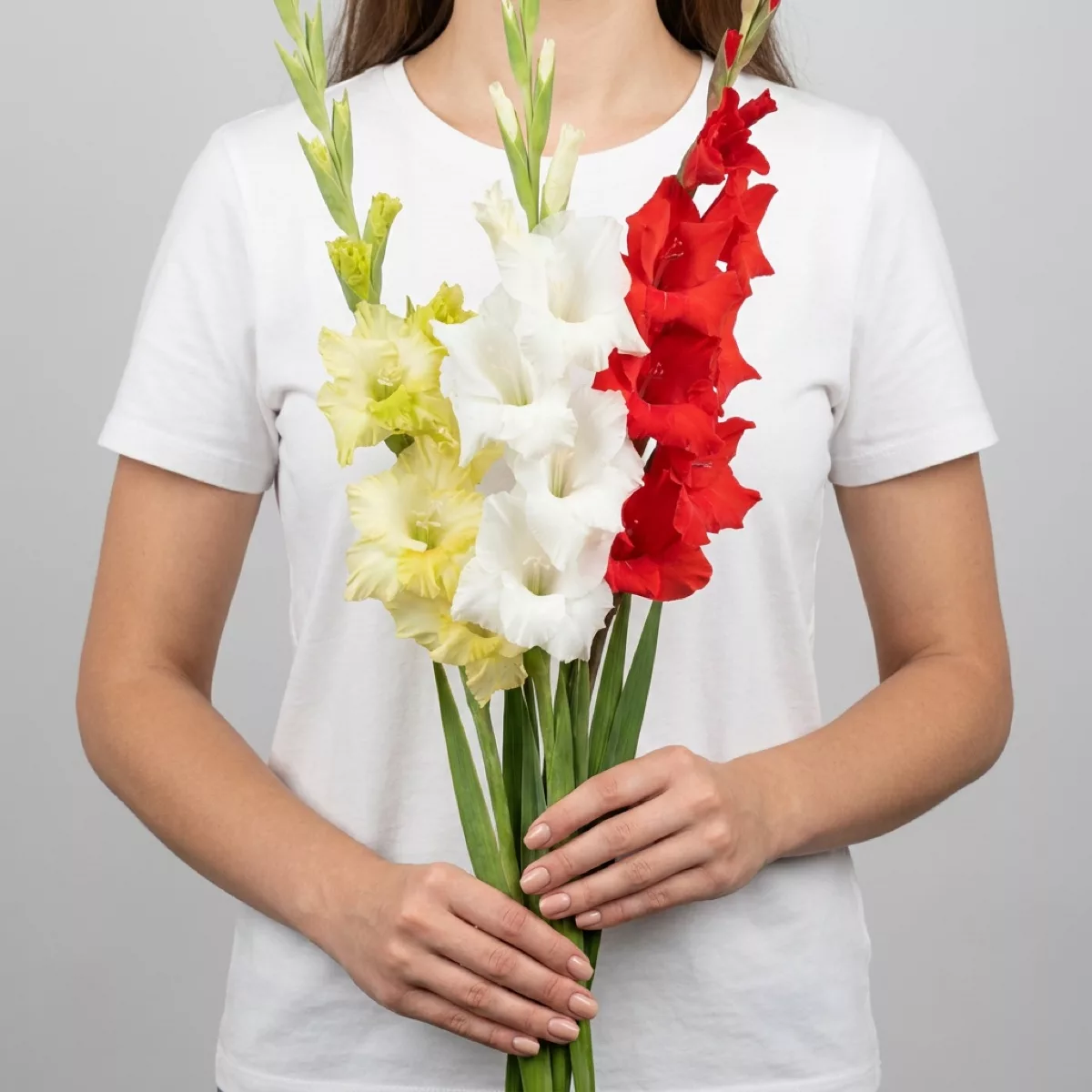
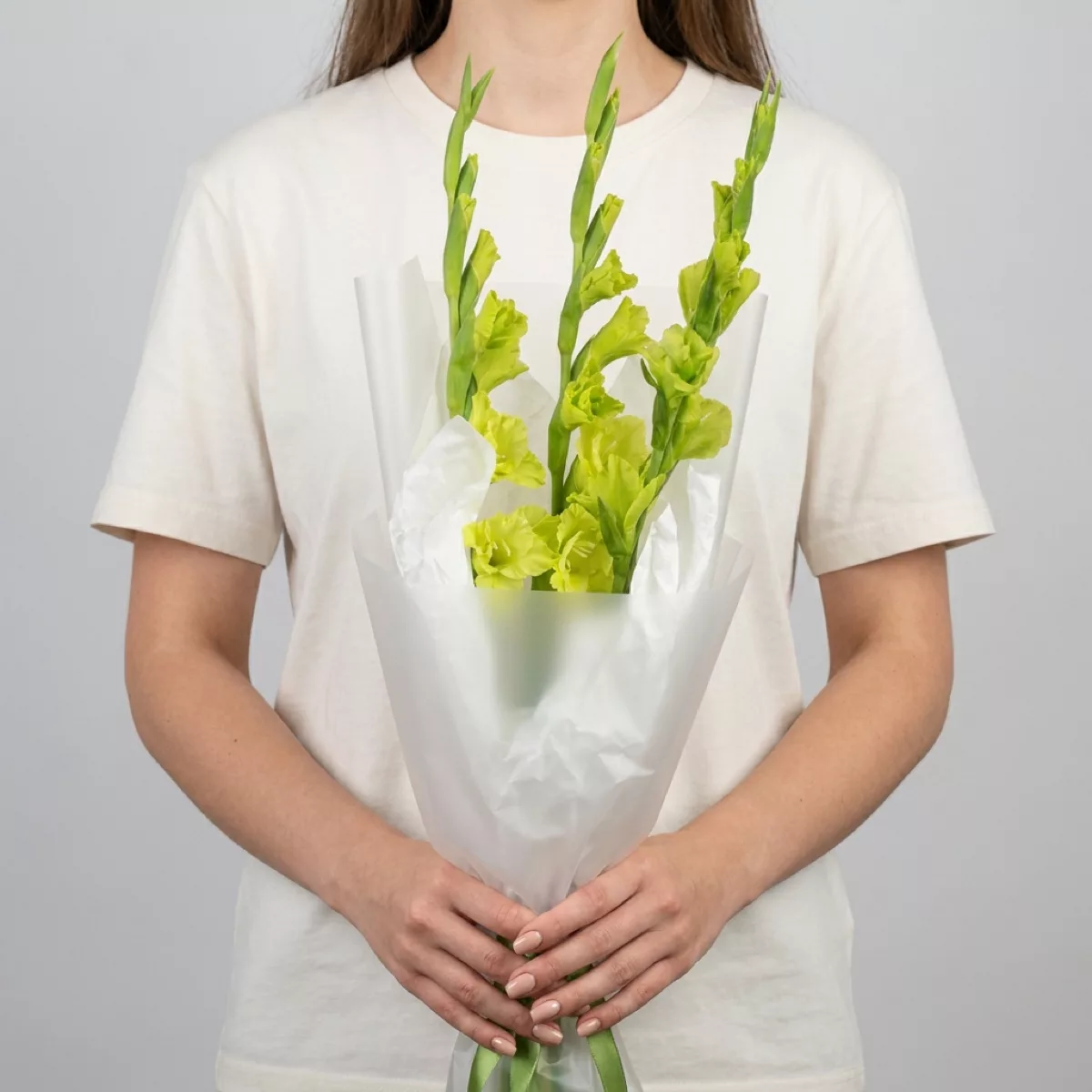
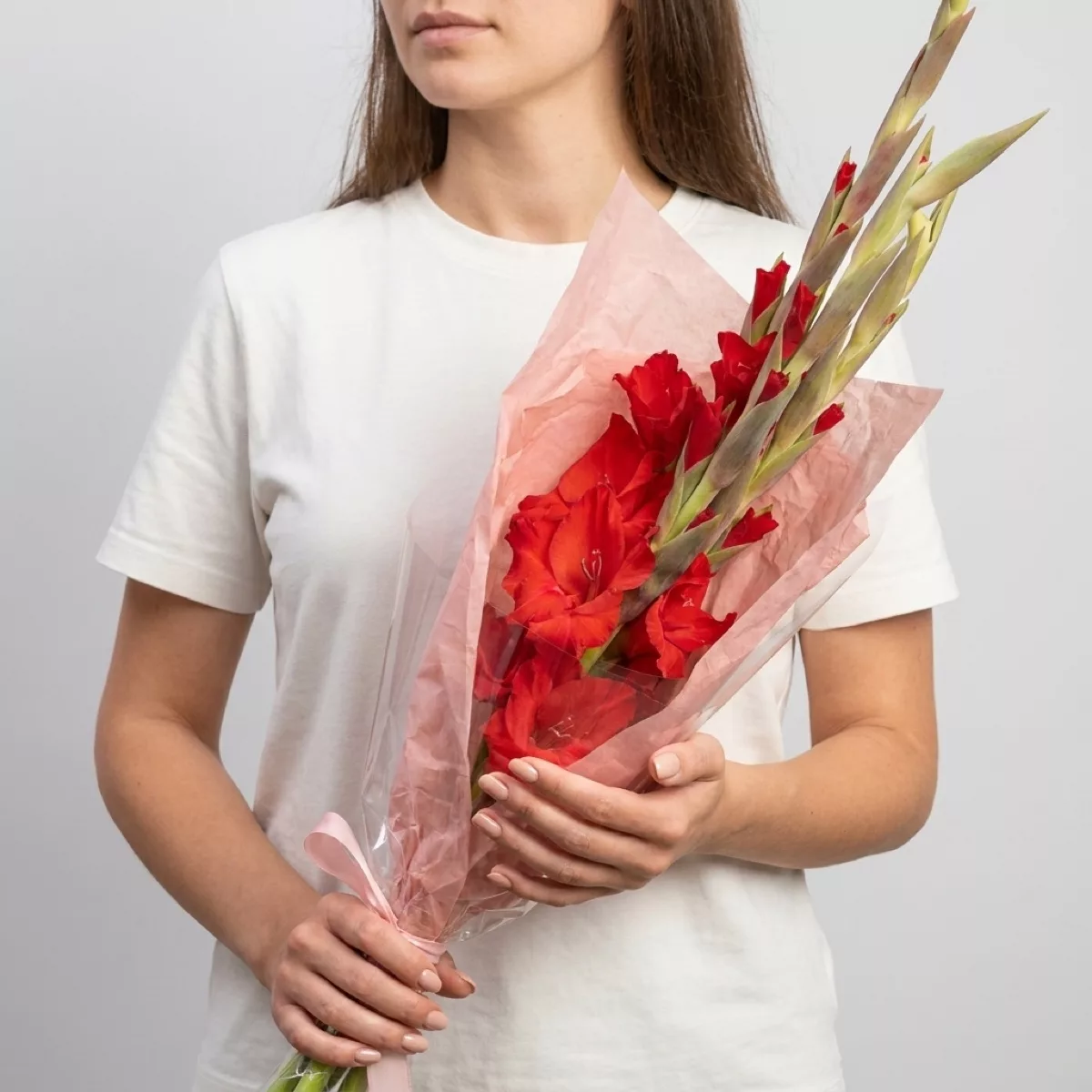
Bouquets we can deliver
The Right Moment: Choosing the Occasion Before the Flower
Before you think about roses versus tulips, think about the person and the moment. Is this a birthday for a woman who loves soft, romantic things? Or a congratulation for a colleague who just had a baby? Is it an anniversary for a couple who met years ago and now live in Siberia while you are abroad? The occasion shapes everything: the palette, the scale, the greenery, even the wrapping.
For birthdays, Russians traditionally give an odd number of flowers — this is a genuine cultural custom, not a superstition to dismiss. Even numbers of flowers are associated with mourning, so a bouquet of twelve roses, however well-intentioned, will read incorrectly to most Russian recipients. Stick to eleven, fifteen, or nineteen stems rather than rounding to a tidy even number.
For new babies, pale pink or white compositions with soft textures — think ranunculus, lisianthus, or white spray roses with eucalyptus — feel appropriate and celebratory without being overwhelming. For anniversaries, red roses remain a classic that carries real emotional weight in Russian culture. They are not considered clichéd here the way they sometimes are in Western Europe; they are a sincere and expected declaration.
For a general thinking-of-you gesture across the distance, a mixed seasonal bouquet with good greenery and one or two statement blooms says warmth without requiring a specific occasion to justify it. Let the composition do the emotional work, and let the card carry your words.
Seasonal Availability: What Flowers to Choose and When
When you are ordering from abroad, you may not know what is actually in season in Russia at the time of delivery. Most flowers arrive through professional cold-chain supply, so Ecuador roses, Colombian carnations, and Dutch-grown tulips and lisianthus are available year-round. But seasonality still matters for quality and freshness.
In winter, from November through March, roses, chrysanthemums, alstroemeria, and carnations are at their most reliable. These varieties are grown in controlled environments and ship well even in cold conditions. Tulips are available in winter but need careful wrapping to survive outdoor transit in Siberian temperatures. Peonies are not reliably available outside their late spring and early summer peak.
From April through June, tulips become both abundant and excellent quality. This is also when ranunculus and anemones are at their best — soft, layered blooms that photograph beautifully and feel luxurious in hand. By June, the first peonies arrive, and they are worth choosing if your timing allows: they open slowly and fill a room with scent over several days.
July and August bring sunflowers, gerberas, and lush mixed garden-style arrangements. These feel celebratory and suit the brief Siberian summer perfectly. September and October are excellent for dahlias, if available, and for warm-toned mixed bouquets with burgundy and amber tones that mirror the autumn landscape.
If you are unsure about what is best for your delivery date, describe the recipient and the occasion when placing your order, and the florist can guide the composition toward what is freshest and most appropriate.
Ordering from Outside Russia: Practical Steps Without the Confusion
Placing a flower order from abroad to a Russian city is simpler than many people expect, but there are a few practical points that trip people up. The most important is the recipient's address and phone number. In Russia, addresses follow a specific format: city, street, building number, apartment number. If your recipient lives in a multi-storey block — which is common in Vikhorevka — you need the apartment number and ideally the entrance number, called a podezd. Without this, delivery to the right door is genuinely difficult.
The recipient's mobile number is equally essential. Russian florists call ahead before arriving, both as a courtesy and to confirm someone is home. If the number is wrong or unreachable, the delivery cannot be completed. Make sure the number you provide is active and local — a Russian mobile number starting with 7 or 8.
Payment from abroad is straightforward through international card options on the Turboflora website. You do not need a Russian bank account or a Russian phone number to place an order. The interface supports orders in English, and the card fields accept international billing addresses.
The card message is worth taking seriously. It is the only part of the experience your recipient will read in your voice. Keep it warm and specific — a general phrase feels less personal than a line that references something real between you. If you write in English, consider including a Russian translation, or ask for help when placing the order. Many recipients will appreciate the effort of even a few words in their language.
Timing Your Delivery: Time Zones and the Right Moment to Arrive
This is where senders from abroad most commonly make mistakes, and it is entirely understandable. Vikhorevka operates on Irkutsk Time, which is UTC plus eight hours. If you are in London, that is eight hours ahead. If you are in New York, it is eleven hours ahead. If you are in Dubai, it is four hours ahead. These gaps are significant when you are trying to time a delivery for a birthday morning or a lunch-hour surprise.
When you place your order, the delivery time you select refers to local Vikhorevka time. So if you want flowers to arrive at noon on a Tuesday in Vikhorevka, and you are placing the order from Paris on Monday evening, you are working across a ten-hour difference. Do the calculation carefully before confirming. A delivery that feels like a morning surprise to you might actually arrive at midnight local time if the time zone arithmetic goes wrong.
Turboflora delivers within one to two hours of order confirmation, which means same-day delivery is possible if you place your order with enough local time remaining in the day. For special occasions where timing is meaningful — a birthday morning, an anniversary dinner — ordering the evening before and scheduling delivery for a specific window is the most reliable approach.
Weekend and holiday deliveries are available, which matters because many Russian celebrations happen on weekends or around public holidays. Russian holidays include New Year through early January, International Women's Day on the eighth of March, and Victory Day on the ninth of May — all occasions when flowers are expected and deeply appreciated. Order early for these dates, as demand is high.
Combinations and Presentation That Feel Generous and Considered
In Russian flower culture, presentation carries significant meaning. A bouquet is not just a collection of stems — it is a statement about how much thought you gave to the person. This is why composition matters as much as the individual flowers you choose.
A single-variety bouquet of roses or tulips reads as classic and sincere. A mixed arrangement with complementary textures — say, garden roses with eucalyptus, waxflower, and a few stems of lisianthus — reads as creative and personal. Both are appropriate; the choice depends on your recipient's personality. Someone who loves elegance and restraint will appreciate a mono-bouquet. Someone who loves abundance and surprise will respond more to a layered, garden-style composition.
Greenery is not filler — it is structure. Eucalyptus adds a subtle, clean scent and gives the arrangement movement. Ruscus provides a dark, glossy backdrop that makes pale blooms pop. Asparagus fern adds a soft, feathery texture that feels romantic. When you see these mentioned in a composition, they are doing real work, not just padding the arrangement.
Wrapping in Turboflora's style uses kraft paper and soft fabric ribbon, which photographs well and feels considered rather than generic. If your recipient is likely to share the moment on social media — and many people do — a well-wrapped bouquet adds to the experience before the flowers are even unwrapped.
For a sender abroad, adding a small extra — a box of chocolates, a soft toy for a new baby, or a candle — alongside the flowers creates a fuller gift moment and shows the kind of attention to detail that distance can otherwise make difficult to express.
Keeping the Flowers Fresh: What to Tell Your Recipient
You will not be there when the flowers arrive, so it helps to give your recipient a few simple instructions — especially if they are not accustomed to caring for cut flowers. Most people in Russia know the basics, but a reminder never hurts, and it shows you thought about more than just the delivery moment.
As soon as the bouquet arrives, the stems should be cut at an angle under running water or submerged in water — about two centimetres from the base. This keeps the cut fresh and maximises water uptake. Scissors or a sharp knife work better than shears, which can crush the stem tissue and block absorption.
The vase should be clean and filled with cool, fresh water. Flower food sachets are sometimes included with the bouquet; if so, dissolve one in the water before adding the stems. Change the water every two days and re-cut the stems each time.
Position matters more than most people realise. Keep the bouquet away from direct sunlight, radiators, and draughts. In Siberian winters, this means avoiding windowsills where cold air seeps through the glass. A cool room — around eighteen degrees Celsius — extends vase life significantly.
Expected vase life varies by variety. Chrysanthemums and carnations typically last ten to fourteen days with good care. Roses last seven to ten days. Tulips, which continue to grow in the vase, last five to seven days and look their best when the water is kept very cool. Lisianthus is a reliable long-lasting choice at ten to twelve days. Knowing this helps your recipient enjoy the flowers fully rather than wondering when they are past their best.
Sending flowers to Vikhorevka from abroad is an act of care that crosses thousands of kilometres, time zones, and sometimes language barriers. The distance is real, but so is the moment when someone opens their door and finds a fresh, beautifully arranged bouquet waiting for them. With the right timing, a thoughtful choice of flowers for the season and the occasion, and a few careful details about the address and the recipient's phone number, everything comes together smoothly. Turboflora handles the Siberian logistics — the cold corridors, the last-mile delivery, the careful wrapping — so that what arrives on your recipient's doorstep reflects the warmth you intended when you placed the order from the other side of the world.
Frequently asked questions
Can I order flowers to Vikhorevka if I do not speak Russian?
Yes. The Turboflora website accepts orders in English, and international payment cards are supported. You do not need a Russian phone number or bank account. Providing the recipient's Russian mobile number and full address — including apartment and entrance number — is the most important step to ensure smooth delivery.
How far in advance should I order for a birthday or holiday?
For standard dates, ordering the evening before with a scheduled morning delivery window works well. For major Russian holidays like International Women's Day on the eighth of March or New Year, order at least two to three days ahead. Demand on those dates is very high, and early orders guarantee both availability of your chosen flowers and your preferred delivery time.
Why does the number of flowers in a bouquet matter in Russia?
Russian custom associates even numbers of flowers with mourning and funerals. For any celebratory occasion — birthdays, anniversaries, congratulations — always choose an odd number of stems: eleven, fifteen, nineteen, or twenty-five, for example. This is a genuine and widely observed custom, not a regional quirk, and most recipients will notice immediately.
What flowers hold up best in Vikhorevka's cold winter temperatures?
Chrysanthemums, carnations, alstroemeria, and spray roses are the most resilient in cold transit conditions. They close slightly in the cold rather than bruising or wilting. Avoid ordering fully open large-headed roses or peonies in January or February unless you are confident about indoor handover. Ask the florist to wrap extra warmly for winter deliveries.
Can I include a message in English on the card?
Yes, and many recipients appreciate it. If you want to add a Russian translation, you can include both languages in your card note when placing the order. Even a short phrase in Russian alongside your English message — such as a simple greeting or the recipient's name written in Cyrillic — adds a personal touch that shows genuine effort across the distance.
Ready to send flowers?
Pick the city, choose the bouquet, and a local florist takes it from there.
Choose a city →