Sending Flowers to Vyatskie Polyany from Abroad: What You Need to Know
You are sitting in Berlin, Toronto, or Almaty, and someone you care about is in Vyatskie Polyany — a quiet industrial town on the Vyatka River in Kirov Oblast. You want flowers on their table by evening. The distance feels enormous, but the process is simpler than you think, as long as you understand a few things about timing, Russian floral customs, and what actually travels well over the last mile of a same-day delivery route.
Why Vyatskie Polyany Is Worth the Extra Planning
Vyatskie Polyany sits roughly 280 kilometres south of Kirov city, and it is the kind of place where a bouquet of fresh flowers genuinely stands out. This is not a metropolis where flower shops are on every corner. When flowers arrive at a door here, they carry real weight — neighbours notice, family members remember, and the recipient feels the effort behind the gesture far more than someone in a large city might.
For a sender abroad, that emotional amplification is exactly why it is worth doing properly. A wilted bunch or a missed delivery slot does not just disappoint — it can feel like a broken promise across thousands of kilometres. So the planning matters.
The town's climate is continental. Winters are cold and long, summers are warm but short. In January and February, temperatures regularly drop below minus fifteen Celsius. In July, the air can be genuinely warm and humid. Both extremes affect which flowers survive transit and how long they last once inside. A florist who understands these seasonal conditions will steer you away from varieties that suffer in the cold van ride and toward ones that arrive looking as though they were just cut that morning.
The good news is that Vyatskie Polyany residents appreciate classic, generous arrangements. Oversized designer compositions are less common here than in Moscow, and a well-made, abundant bouquet of roses or chrysanthemums will be received with genuine delight rather than treated as ordinary.
Bouquets we can deliver

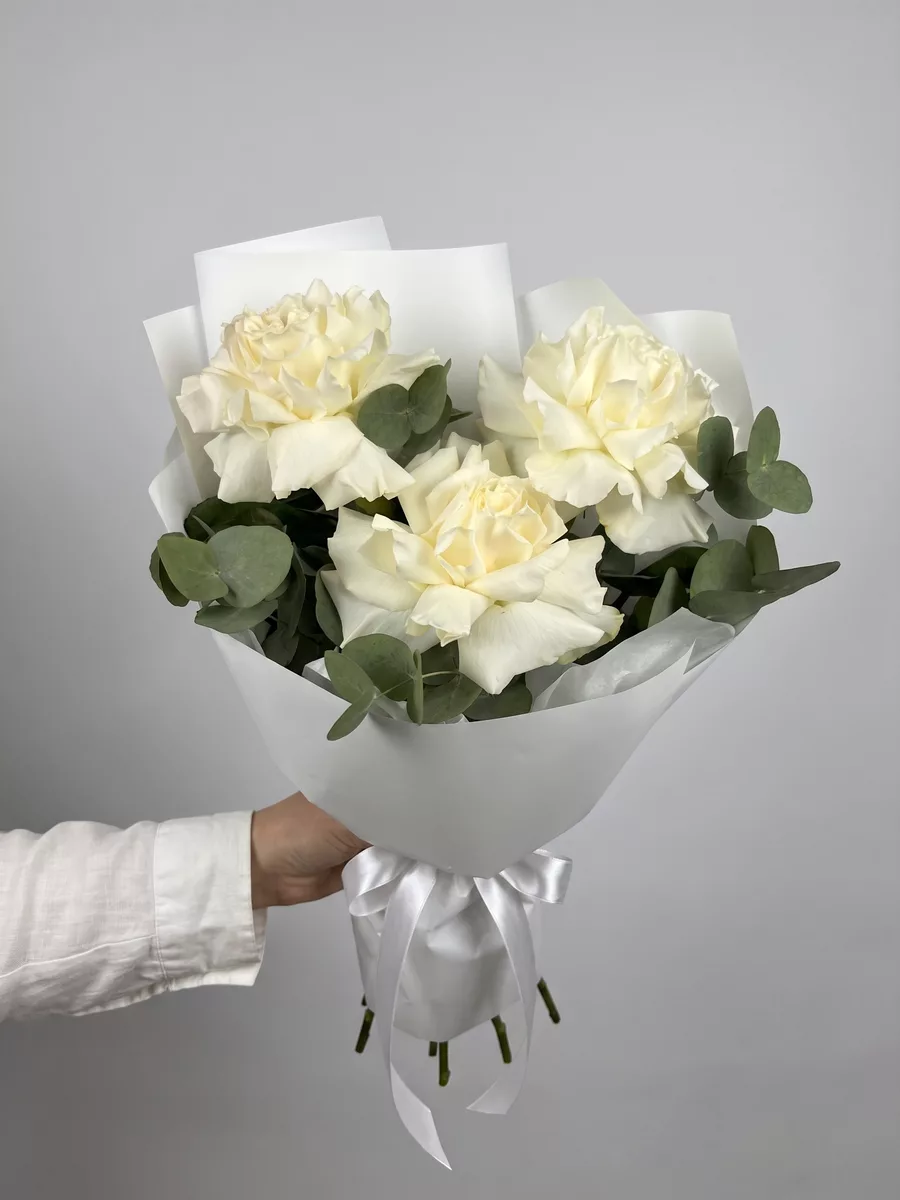
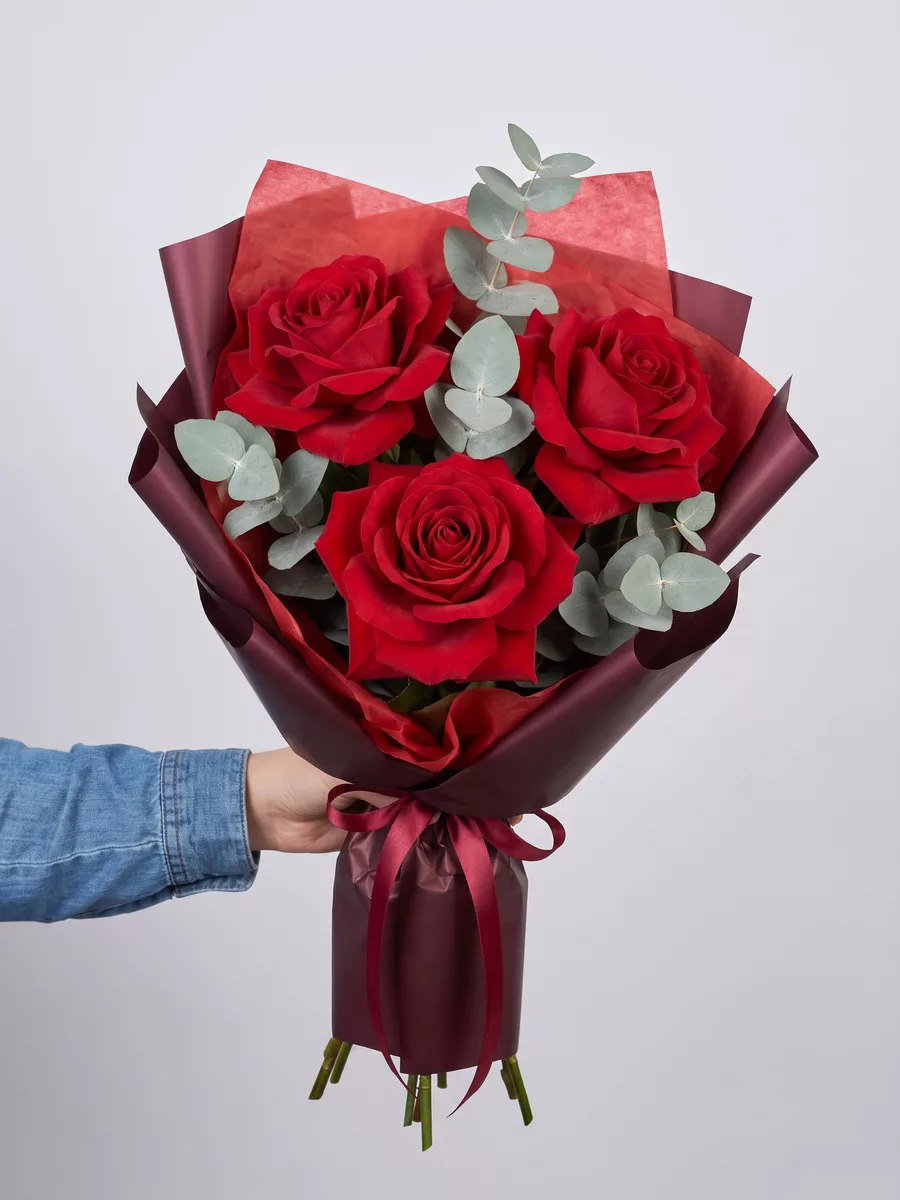
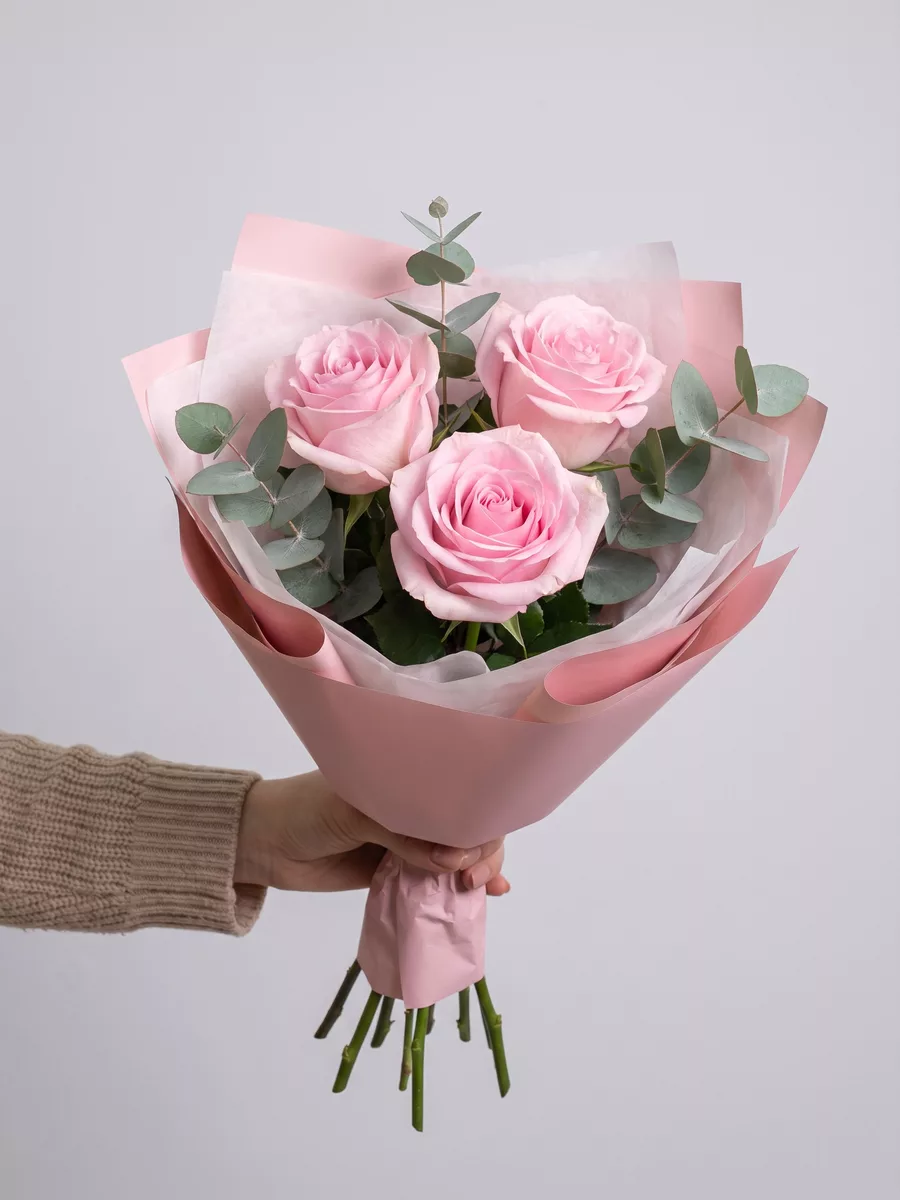
Choosing the Right Occasion Framing Before You Order
Before you think about flower varieties or colours, think about who is receiving the bouquet and what you want them to feel in the first thirty seconds. That feeling is the real product you are sending. A birthday bouquet for a woman in her fifties should feel warm and generous, not minimalist. A congratulatory arrangement for a young couple's anniversary should feel romantic and a little celebratory. A thank-you bouquet for a colleague should feel respectful and cheerful without being excessive.
Russian floral customs have a few conventions that are worth knowing if you are sending from outside the country. Odd numbers of stems are traditional for celebratory occasions — one rose, three, five, seven, eleven, or twenty-five. Even numbers are associated with mourning and are avoided for happy events. If you order a round number like ten or twelve, a thoughtful florist will adjust to eleven or thirteen without needing to be asked.
Colour carries meaning too. Red roses are deeply romantic and appropriate for partners. Yellow flowers were once considered unlucky in Soviet tradition, though that association has largely faded among younger generations. White flowers are elegant and widely appreciated for birthdays and congratulations. Pink and coral tones are universally safe and feel warm across all ages and relationships.
If you are unsure of the recipient's taste, a mixed seasonal arrangement with a clear dominant colour — say, coral roses with white alstroemeria and green eucalyptus — is almost always received well. It reads as thoughtful and considered rather than generic.
Timing Your Order Across Time Zones
Vyatskie Polyany operates on Moscow Time plus two hours, which puts it in the UTC+5 zone. If you are in London, that is four hours ahead of you. If you are in New York, it is eight hours ahead. If you are in Almaty, it is one hour behind Vyatskie Polyany. Getting the time zone right is the single most common mistake senders from abroad make, and it can mean the difference between flowers arriving at midday and flowers arriving after the recipient has gone to bed.
For a birthday delivery, aim for the flowers to arrive between eleven in the morning and two in the afternoon local time. This gives the recipient the whole day to enjoy them and allows time for a second delivery attempt if access to the building is difficult. Early morning deliveries before nine are risky in a residential setting — people may not answer the door, and leaving flowers in a cold entrance hall in winter can damage them quickly.
When placing your order, convert the desired local delivery time into your own time zone and add buffer. If you want delivery at noon in Vyatskie Polyany and you are in Paris (UTC+1 in winter), you need to place the order well before eleven in the morning Paris time at the very latest, and earlier is always better. Same-day orders placed late in the afternoon local time in Vyatskie Polyany carry higher risk of a delayed slot.
For internationally sent orders, placing the order the evening before the occasion — your evening, their morning — is the safest approach and gives the florist full flexibility to prepare the freshest stems.
What to Send by Season: Varieties That Actually Travel Well
The flowers that photograph beautifully in a studio are not always the flowers that survive a delivery route in extreme temperatures. As someone ordering from abroad, you cannot inspect the stems yourself, so choosing varieties with a reputation for hardiness is a practical act of care.
In winter — November through March — roses are your most reliable choice. Dutch and Ecuadorian roses with thick petals, such as varieties in the Explorer or Avalanche families, hold up well in cold conditions and have a vase life of seven to ten days when properly conditioned. Chrysanthemums are another excellent winter choice: they are robust, long-lasting, and come in a wide range of colours. Avoid tropical flowers like anthuriums or bird of paradise in deep winter, as they are sensitive to temperatures below ten Celsius and can blacken in transit.
In spring — April and May — tulips are beloved across Russia and feel genuinely seasonal. They are cheerful and unpretentious, and a generous bunch of forty or fifty tulips makes a strong impression without being formal. Ranunculus and freesia add beautiful texture in spring arrangements and carry a light fragrance that fills a room.
In summer — June through August — sunflowers are widely popular and feel celebratory. Lisianthus, with its ruffled petals and long vase life, is an excellent supporting flower. Hydrangeas work beautifully in summer but need good hydration and do not tolerate heat above twenty-five Celsius in a closed vehicle.
In autumn, dahlias, spray roses, and solidago create warm, rich arrangements that suit the season perfectly and travel reliably.
Bouquet Options by Budget and What Each Feels Like
Budget shapes not just the size of the arrangement but its emotional register. A modest bouquet of seven roses with greenery feels personal and sincere — it says the sender chose carefully rather than spent carelessly. A larger arrangement of twenty-five mixed stems feels celebratory and generous. An abundant, structured composition with premium roses, complementary flowers, and decorative foliage feels impressive and says this occasion matters.
For a modest budget, a single-variety bouquet works best. Seven or nine roses in a strong colour — deep red, coral, or white — with simple greenery like ruscus or pittosporum looks clean and intentional. Avoid mixing too many varieties at this size, as it can look sparse rather than curated.
At a mid-range budget, combinations open up. Roses paired with alstroemeria extend the arrangement beautifully because alstroemeria lasts up to two weeks in a vase, meaning the recipient enjoys the bouquet long after the occasion. Adding a few stems of eucalyptus or wax flower gives texture and a gentle fragrance without overpowering.
At a generous budget, consider a composition that includes premium large-headed roses, lisianthus or ranunculus for softness, and a structural element like a branch of hypericum berries or decorative cotton stems in autumn. Wrapped in kraft paper with a wide satin ribbon, this kind of bouquet photographs well and makes a strong first impression at the door.
Whatever the budget, always include a handwritten card message. In Russia, the card is read aloud and kept. A printed sticker is noticed and slightly disappoints. Ask specifically for a handwritten card when ordering.
Giving Care Instructions That Actually Get Used
Most recipients in Vyatskie Polyany will know the basics of flower care, but a card with a few simple instructions tucked into the bouquet is always appreciated — especially if the flowers are an unusual variety or particularly precious. As the sender, you can request that care instructions be included, and it is a small gesture that extends the life of your gift by days.
The most important step is the first one: the stems should be cut at a diagonal angle under running water as soon as the bouquet arrives, then placed immediately into a clean vase with fresh, cool water. This diagonal cut maximises the surface area for water uptake. Many people skip this step when they are excited about receiving flowers, and the bouquet suffers for it.
Roses and most cut flowers last longest when kept away from direct sunlight, heating radiators, and fruit bowls. Ripening fruit releases ethylene gas, which accelerates petal drop. In a Russian apartment in winter, the heating can be intense — radiators running at full capacity create a dry, warm environment that shortens vase life considerably. Placing the bouquet in a cooler corner of the room, or even moving it to a cool hallway overnight, adds one to three days of vase life.
Water should be changed every two days, and the stems should be re-cut each time. A small pinch of sugar added to the water feeds the flowers, and a drop of bleach prevents bacterial growth in the vase. These are simple steps, but they make a real difference — a bouquet that might last five days with no care can last ten days with basic attention. Your gift deserves that longevity.
Practical Steps for Placing an International Order Smoothly
Ordering flowers for delivery in Russia from outside the country involves a few practical details that are worth addressing before you get to the checkout screen. Having this information ready makes the process faster and reduces the chance of a delay.
The most important piece of information is the recipient's full address in Russian, including the apartment number, floor, and entry code if the building has a secured entrance. Many residential buildings in Russian cities have a door code or an intercom, and without this the delivery cannot reach the door. If you do not have the apartment number, the delivery can be made to the building entrance, but this is less reliable and less personal. Ask your recipient's family member if you do not want to spoil the surprise.
A working Russian mobile phone number for the recipient is essential. Delivery drivers call ahead to confirm arrival, especially in apartment buildings. If the number you provide is a foreign number that the recipient does not answer, the delivery may be delayed or rescheduled. If you are planning a surprise, provide a number for a trusted family member at the same address who can receive the call without revealing the surprise.
When writing your card message, you can write in any language — the florist will transliterate or translate simple messages into Russian if you request it. However, if your recipient reads English, French, or another language comfortably, a message in that language can feel more intimate and personal.
Finally, confirm your own contact details so the florist can reach you if there is a question about the address or timing. A working email or messaging app contact is sufficient, and being responsive in the hours around the delivery window makes everything smoother.
Sending flowers to Vyatskie Polyany from abroad is an act of real attention. The distance between you and the person receiving the bouquet makes the gesture more meaningful, not less — and when the flowers arrive fresh, beautifully arranged, and on time, that distance collapses entirely for a moment. Choose varieties suited to the season, respect the time zone, include a handwritten card, and give the recipient a few simple care instructions. Those details are what turn a flower delivery into a memory.
Frequently asked questions
Can I order flowers for Vyatskie Polyany if I do not speak Russian?
Yes, entirely. You can place your order and write your card message in English. The florist team will handle all communication with the recipient in Russian. For the card, you can write your message in any language — if the recipient reads Russian only, simply request a translation when ordering and it will be written by hand in Russian for you.
What is the safest flower choice for a winter delivery to Vyatskie Polyany?
Roses are the most reliable choice in winter because they handle cold transit better than most varieties. Chrysanthemums are an excellent alternative — robust, long-lasting, and available in many colours. Avoid tropical flowers such as anthuriums or bird of paradise between November and March, as temperatures below ten Celsius can cause irreversible blackening of the petals during the delivery ride.
How far in advance should I place the order from a different country?
Placing the order the evening before the occasion — in your local time — is the safest approach. This gives the florist a full morning to source the freshest stems and prepare the arrangement without time pressure. Same-day orders are accepted, but factor in the time zone difference carefully: Vyatskie Polyany is UTC+5, which is several hours ahead of most European and North American locations.
Do I need to provide the recipient's phone number, and will they be called?
Yes, a Russian mobile number for the recipient is essential. Delivery drivers call ahead to confirm arrival, particularly in apartment buildings with secured entrances. If you are planning a surprise, provide the number of a trusted family member at the same address who can receive the call without revealing anything. A foreign phone number that the recipient does not regularly answer will cause delays.
Can I include a message in a language other than Russian on the card?
Absolutely. If your recipient is comfortable reading English, French, or another language, writing your card in that language often feels more personal and intimate. If the recipient reads Russian only, request a translation when placing your order and the florist will write the message by hand in Russian. Either way, always ask specifically for a handwritten card rather than a printed label.
Ready to send flowers?
Pick the city, choose the bouquet, and a local florist takes it from there.
Choose a city →