Sending Flowers to Yanaul from Abroad: Your Practical Starting Point
Yanaul is a small city in the Republic of Bashkortostan, roughly 200 kilometres north of Ufa, and if you are sitting in Berlin, Toronto or Dubai trying to send someone there a bouquet, the distance can feel overwhelming. It does not have to be. With the right florist, a clear message and a little knowledge of how flower delivery works inside Russia, you can have roses or tulips at someone's door within one to two hours of placing your order — no matter what time zone you are calling from.
Why Yanaul Is Different from Sending Flowers to a Big City
Most international senders are used to ordering for Moscow or Saint Petersburg, where same-day delivery is almost taken for granted. Yanaul operates on a smaller scale, which actually works in your favour in one important way: the city is compact, routes are short, and a courier can cross the key residential districts quickly. What changes is the selection logic. A large metropolitan warehouse carries dozens of varieties at any given moment; a delivery operation serving Yanaul needs to be planned with seasonal availability in mind, and the sender abroad should think in terms of reliable, travel-sturdy flowers rather than the most exotic option on the website.
The climate of Bashkortostan matters here. Winters are genuinely cold, often dropping below minus twenty Celsius, and summers can be hot and dry. Both extremes affect how flowers survive in transit. In January or February, a bouquet sitting in an unheated vehicle for even fifteen minutes can suffer petal damage, particularly on open roses or hydrangeas. In July, direct sun through a car window does the same harm from the opposite direction. A florist who understands these conditions will pack accordingly — insulating wrap in winter, ventilated kraft paper in summer — but it helps enormously when the sender chooses varieties that are naturally robust for the season.
For a sender abroad, the practical takeaway is simple: trust the florist's seasonal recommendation rather than insisting on a specific flower that photographs well but travels poorly in extreme temperatures.
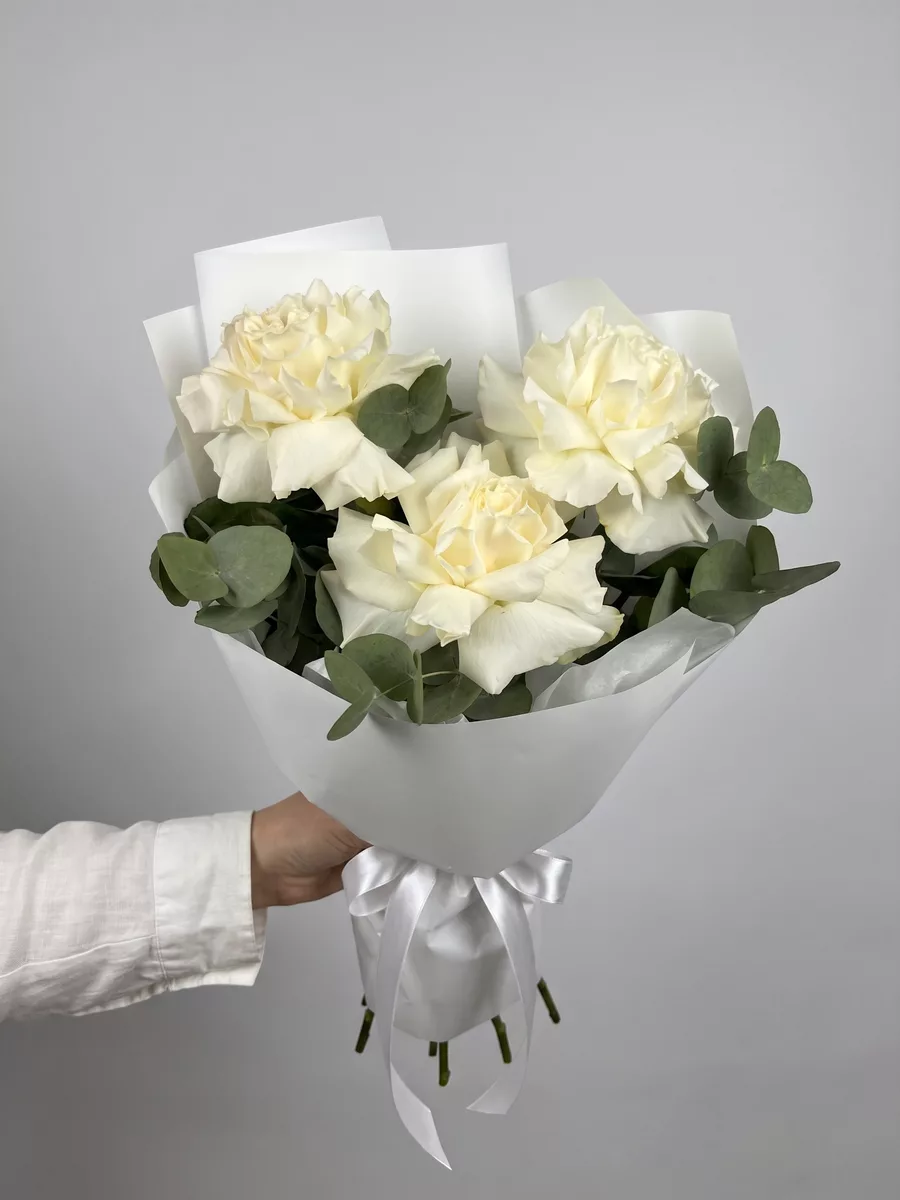
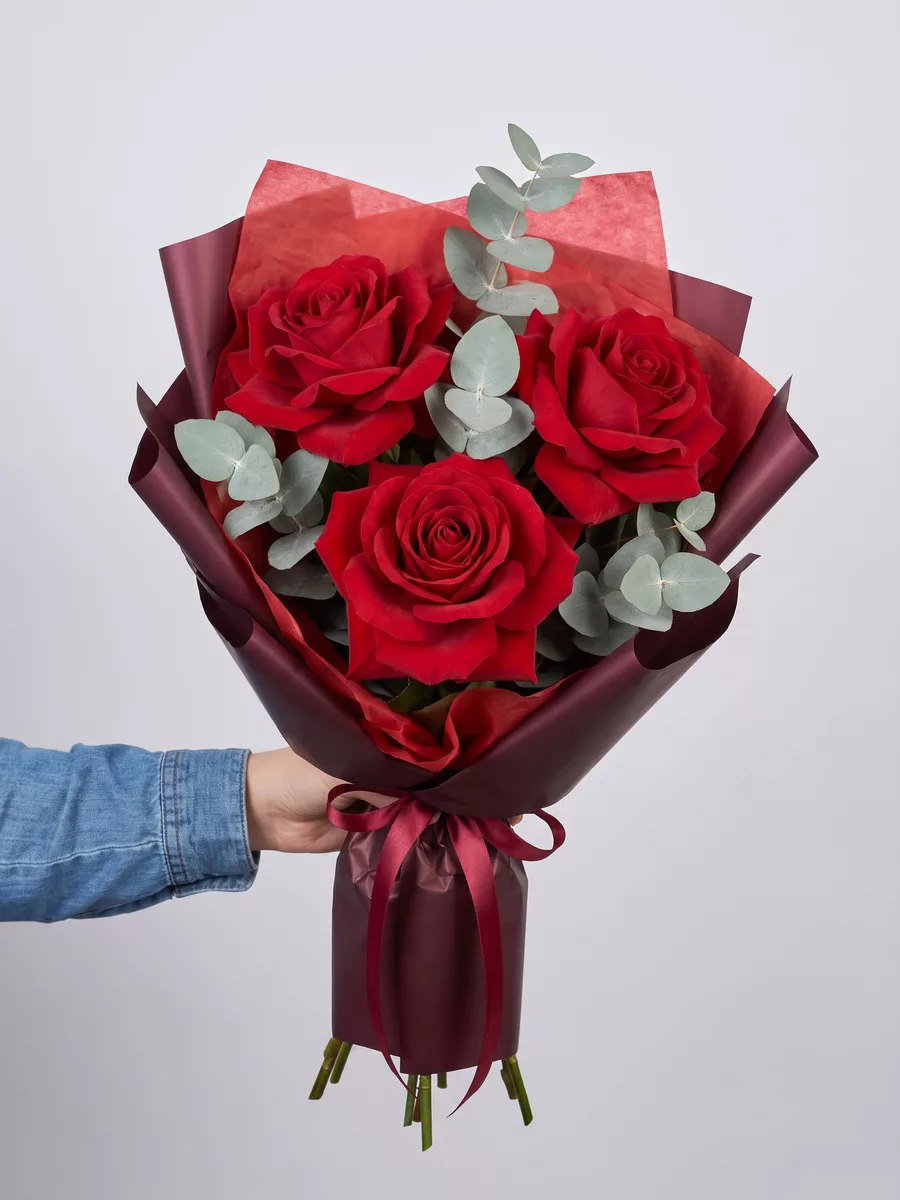
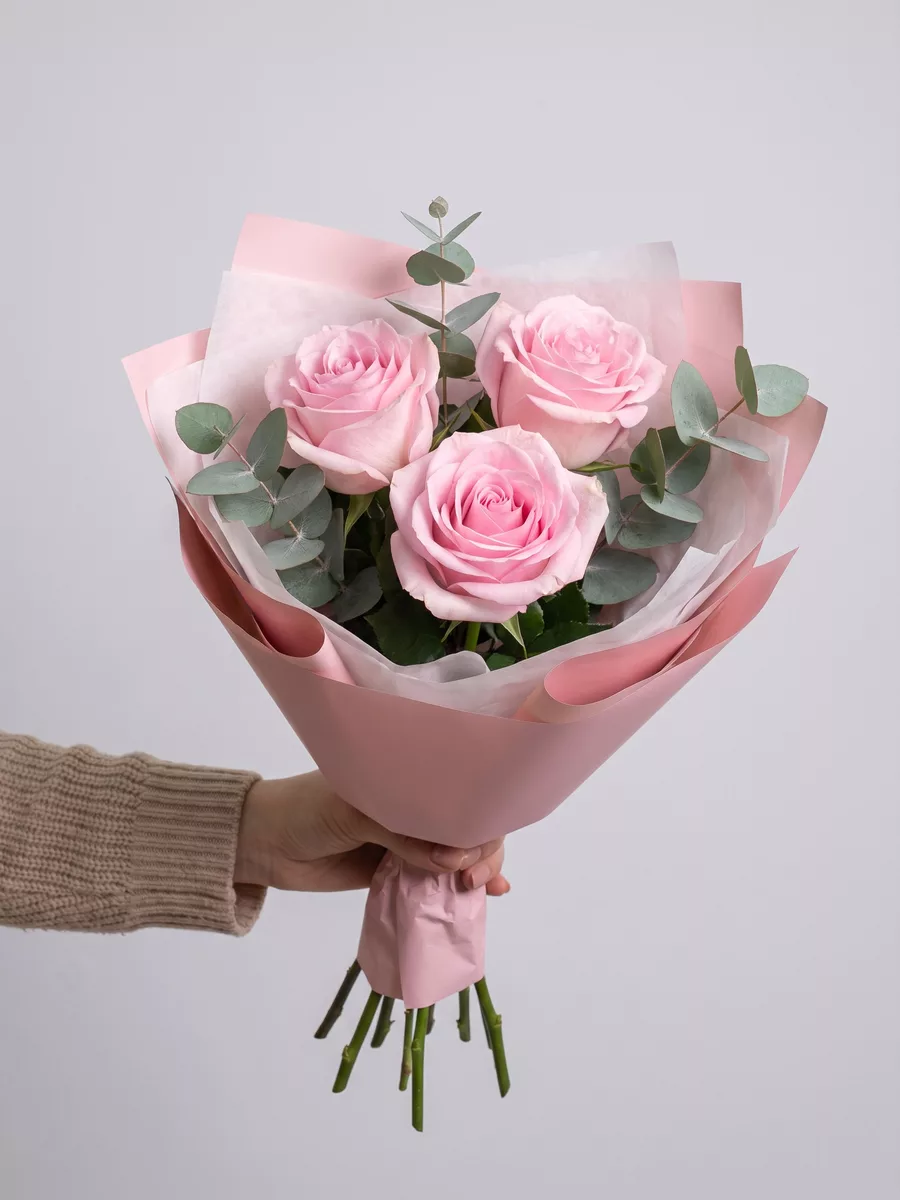
Bouquets we can deliver

Reading the Occasion Before You Pick a Single Stem
Before you look at any product page, spend thirty seconds thinking about the person receiving the bouquet and what this moment means to them. Russian culture places significant weight on the symbolism of flowers, and getting the basics right will make your gift land far more warmly than any expensive upgrade.
The most important rule for a sender who did not grow up with Russian customs: always send an odd number of stems. Even numbers of flowers are associated with funerals and carry a heavy, unwelcome connotation when given as a gift. A bouquet of eleven roses, fifteen tulips or seven peonies reads as celebratory and generous. A bouquet of ten reads as a mistake, even if it cost more. This is not a superstition that is fading — it is observed consistently across generations and across Russian regions including Bashkortostan.
Colour carries meaning too, though it is less rigid. Red roses signal romance and are perfectly appropriate for a partner or spouse. Yellow flowers were once considered unlucky in Soviet-era folklore, but that association has softened considerably among younger recipients, and a well-composed yellow and white arrangement is now widely appreciated. White flowers are elegant and work for birthdays, professional achievements and family celebrations. When in doubt, a mixed bouquet of pink and cream tones reads as warm and universally welcome regardless of the occasion or the recipient's age.
If you are sending to mark a birthday, a work anniversary or a new home, say so clearly in the order notes. A florist who knows the occasion will adjust the composition, the ribbon colour and even the greenery to match the mood.
Choosing Flowers That Actually Arrive in Good Condition
The flowers that look most impressive in a photograph are not always the flowers that survive a delivery route best. As someone ordering from abroad, you will not be there to inspect the bouquet before it leaves, so choosing inherently resilient varieties is the single most practical decision you can make.
Roses are the most reliable choice year-round. High-quality spray roses and standard long-stem roses both hold their structure well during transit, and modern varieties bred for commercial use have strong outer petals that protect the inner bloom. Chrysanthemums are exceptionally tough — they tolerate temperature swings, last ten to fourteen days in a vase and look abundant even in a modest arrangement. Alstroemeria, sometimes called Peruvian lily, is another excellent choice: the stems carry multiple buds that open gradually over a week, so the recipient gets a bouquet that keeps evolving.
In spring, tulips are everywhere in Russia and genuinely beloved. They are slightly more fragile than roses in very cold weather because the stems can bruise if handled roughly while frozen, but a good florist wraps them carefully. From May through August, lisianthus offers a rose-like appearance with remarkable vase life — often ten days or more — and works beautifully in pastel combinations.
Flowers to approach with more caution for long-distance orders: open garden roses with very soft petals, tropical varieties like bird of paradise or anthurium that need specific humidity, and any flower that is already fully open at the time of ordering. Ask for buds that are just beginning to open — they will bloom beautifully in the recipient's home over the next two to three days.
Navigating the Time Zone Gap When You Place Your Order
Yanaul runs on Moscow Time plus two hours, which puts it at UTC plus five. If you are in New York, you are seven hours behind Moscow and nine hours behind Yanaul. If you are in London in winter, you are three hours behind Yanaul. If you are in Tokyo, Yanaul is actually four hours behind you. These gaps matter because they determine when your order reaches a florist's team during working hours, and how much lead time you have before the delivery window you want.
The safest approach from any time zone is to order the evening before the occasion, your local time. This almost always lands the order in the florist's system well before the morning rush in Yanaul, giving the team time to source, compose and dispatch the bouquet for a mid-morning or lunchtime arrival — which most recipients experience as a pleasant surprise during their day rather than a late-evening afterthought.
If the occasion is a birthday and you know the recipient's rough schedule, aim for delivery between ten in the morning and two in the afternoon Yanaul time. Most people are home or reachable during those hours, and a bouquet arriving then has the whole day ahead of it to be admired. Avoid scheduling for after seven in the evening unless you know for certain the recipient will be home — a bouquet left outside in a Bashkortostan winter night, even briefly, can suffer.
When filling in the delivery address, write it in Russian if you can, or provide the Cyrillic version in the notes field. A romanised transliteration works, but Russian script eliminates any ambiguity for the courier.
What to Write on the Card — and How to Write It
A handwritten card tucked into a bouquet is one of the details that transforms a transaction into a genuine gesture, and for a sender who is thousands of kilometres away, it is your voice in the room when the flowers arrive. Think carefully about what you want it to say before you type anything into the order form.
If the recipient reads English, writing in English is perfectly fine and often feels more personal precisely because it sounds like you. If you want to write in Russian but are not a native speaker, keep the message short and honest — a simple phrase like a birthday greeting or an expression of love in Russian is touching even when the grammar is imperfect. Avoid using translation software for long, nuanced messages; the results are often stilted in ways that a native speaker notices immediately.
For a birthday, something warm and specific beats a generic phrase. Mention something you share — a memory, an inside reference, a quality you genuinely admire about the person. For a professional achievement or a new home, a tone of pride and encouragement lands well. For a romantic occasion, brevity is often more powerful than a long declaration.
In Russian tradition, it is common for the sender's name to appear on the card, and some recipients will be genuinely puzzled if a beautiful bouquet arrives with no indication of who sent it. Even if you want to create a moment of surprise, consider signing with a first name only. The florist's team can write the card by hand in neat script, which feels far more personal than a printed label — mention this preference in your order notes and most florists will accommodate it without question.
Budget Thinking: What Your Money Actually Buys
When you are ordering from abroad, currency conversion can make it genuinely difficult to judge whether a bouquet is good value or overpriced. The most useful frame is not the price in roubles but what the composition actually contains: the number of stems, the quality tier of the flowers, the greenery and the packaging.
At a modest budget, a well-made mono-bouquet — fifteen tulips in a single colour, or nine spray roses with eucalyptus — is a complete and beautiful gift. It does not look budget; it looks considered. Florists who know their craft can make a small number of quality stems look genuinely generous with the right wrapping and ribbon choice.
A mid-range budget opens the door to mixed compositions: roses combined with lisianthus, or chrysanthemums layered with wax flower and seasonal greenery. These arrangements have more visual depth and tend to last longer because different flowers have different vase lives, so as one variety fades another is still fresh.
At a higher budget, you are paying for premium stem count, specialty varieties, a decorated box or hat box presentation instead of kraft wrap, and sometimes a small accompanying gift — a candle, a box of chocolates or a soft toy, depending on the occasion. For a significant birthday or a milestone celebration, the presentation upgrade is often worth it: the recipient sees the effort before they even smell the flowers.
One honest note: do not judge a florist's quality by the lowest price on their site. Look at the middle of their range and read the composition description carefully. Eleven good roses are worth more than twenty mediocre ones.
Keeping the Bouquet Beautiful After It Arrives
Your job as the sender ends when the courier hands over the bouquet, but the recipient's experience of your gift depends heavily on what happens in the next hour. A short care note tucked into the card, or sent as a message separately, can double the life of the flowers and leave a lasting impression.
The first step is always a fresh cut. The stems should be trimmed at a forty-five degree angle, about two to three centimetres from the base, using a sharp knife rather than scissors. Scissors compress the stem tissue and reduce water uptake. The cut should be made under running water or immediately before placing the stems in water to prevent air from entering the stem.
The vase water should be cool and clean. Tap water in most Russian cities is fine for flowers; adding the small sachet of flower food that often comes with a florist bouquet will extend vase life noticeably. The sachet contains a mild acidifier, a sugar source and a biocide — all three working together to keep bacteria low and nutrients available. If there is no sachet, a small pinch of sugar and a drop of bleach in a litre of water achieves a similar effect.
Keep the bouquet away from direct sunlight, heating radiators and fruit bowls. Ripening fruit releases ethylene gas, which accelerates petal ageing in roses and tulips particularly. Change the water every two days and re-cut the stems each time. Roses typically last seven to ten days with good care. Chrysanthemums and alstroemeria can reach two weeks. Tulips are shorter-lived at five to seven days, but they continue to grow and move in the vase, which many people find charming.
Sending flowers to Yanaul from abroad is genuinely achievable, and when it goes well, the effect is disproportionate to the effort. A bouquet appearing at someone's door in a small Bashkortostan city, ordered by someone on another continent who took the time to get the details right — the odd number of stems, the seasonal variety, the handwritten card — is not a small thing to the person who receives it. It says that the distance between you did not make them an afterthought. Place your order with enough lead time, trust the florist's seasonal knowledge, give a clear delivery address in Russian script if you can, and let the flowers do the rest.
Frequently asked questions
Can I order flowers for Yanaul delivery if I do not speak Russian?
Yes, entirely. The order form and customer support at Turboflora can be navigated in English. Write your card message in English if you prefer — it will be transcribed exactly. Provide the delivery address in both Latin and Cyrillic if possible, but even a romanised address with a clear street name and apartment number is workable for the courier team.
How far in advance should I place my order from a different time zone?
Ordering the evening before the occasion in your local time is the safest approach from any international time zone. This ensures the order arrives in the system during Yanaul working hours with enough lead time for the florist to prepare and dispatch. For same-day delivery, check what time it currently is in Yanaul — UTC plus five — and order at least three hours before your target delivery window.
Why does the number of stems in a bouquet matter in Russia?
In Russian tradition, even numbers of flowers are given at funerals and carry a strong association with mourning. Sending an even-numbered bouquet as a gift reads as a serious cultural mistake to most Russian recipients, regardless of age or region. Always choose an odd number — seven, nine, eleven, fifteen, twenty-one — for any celebratory or affectionate occasion.
What flowers hold up best in Yanaul's winter temperatures?
Roses, chrysanthemums and alstroemeria are the most cold-tolerant options for winter delivery in Bashkortostan. Their stem structure and petal density give them resilience during brief exposure to sub-zero temperatures in transit. Open, soft-petalled flowers like fully bloomed garden roses or anemones are more vulnerable to frost damage and are better ordered in warmer months.
Can I include a gift alongside the flowers in my order?
Many bouquet options at the higher end of the range can be paired with a small accompanying item such as chocolates, a candle or a soft toy. Mention the occasion clearly in your order notes and the florist will suggest combinations that fit the mood. A decorated box presentation rather than kraft paper wrapping is also available and adds considerably to the unboxing experience for the recipient.
Ready to send flowers?
Pick the city, choose the bouquet, and a local florist takes it from there.
Choose a city →