Sending Flowers to Yarovoe from Abroad? Start Here
Yarovoe is a small resort town in the Altai Krai, sitting beside a salt lake that draws visitors every summer — but people live and celebrate there year-round. If someone you love is in Yarovoe and you are calling from Berlin, Toronto or Almaty, you already know the distance feels enormous. The good news is that a well-chosen bouquet can cross that gap in a couple of hours, arriving fresh and meaningful, as long as you understand a few things about timing, the Russian gifting calendar and what actually survives a delivery in Siberian weather.
Why Yarovoe Is Different from Sending to a Big City
Most international senders picture Moscow or Saint Petersburg when they think of flower delivery in Russia. Yarovoe is a different story. The town sits in the steppe of the Altai Krai, roughly 650 kilometres from Novosibirsk, and its population swells in summer when the salt lake attracts tourists, then quiets considerably in winter. This rhythm matters because the person receiving your flowers may be at a holiday address in July or at their permanent home in February, and those two situations call for different planning.
The climate here is continental in the sharpest sense. Summers are hot and dry, often above 30 degrees Celsius, which means cut flowers left on a doorstep even for twenty minutes can begin to wilt. Winters push well below minus twenty, which creates the opposite problem: stems and petals can freeze between the delivery vehicle and the front door if the bouquet is not properly wrapped. Neither extreme is impossible to work around, but you need to place your order with a florist who is thinking about those conditions, not just about which roses look good in a photograph.
Yarovoe also has a strong sense of local occasion. The town celebrates national holidays with genuine enthusiasm — Victory Day in May, Russia Day in June, and the peak of summer tourism in July and August all create gifting moments that locals take seriously. If you are sending from abroad, knowing these dates helps you time a surprise rather than accidentally missing the moment by a day.
Bouquets we can deliver
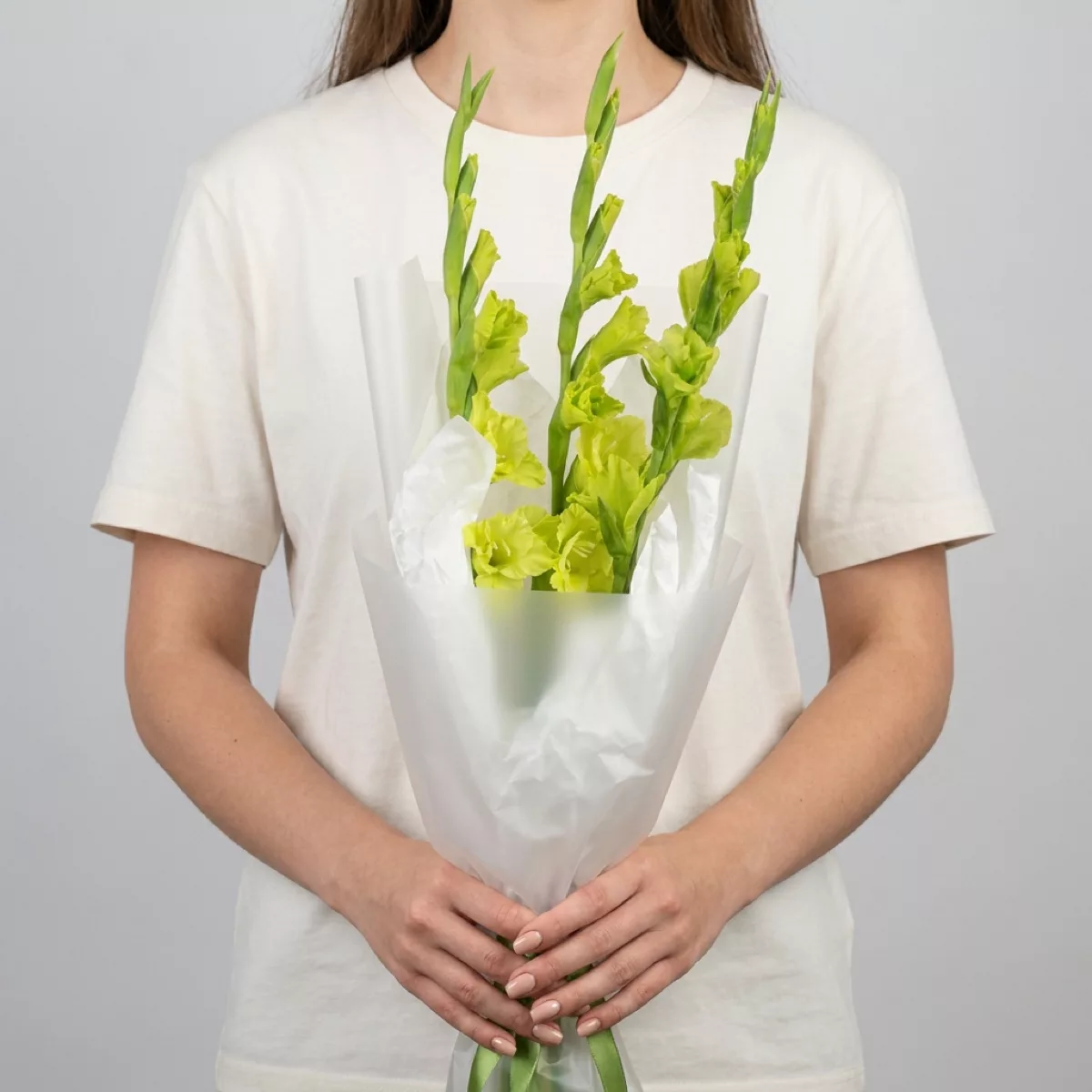
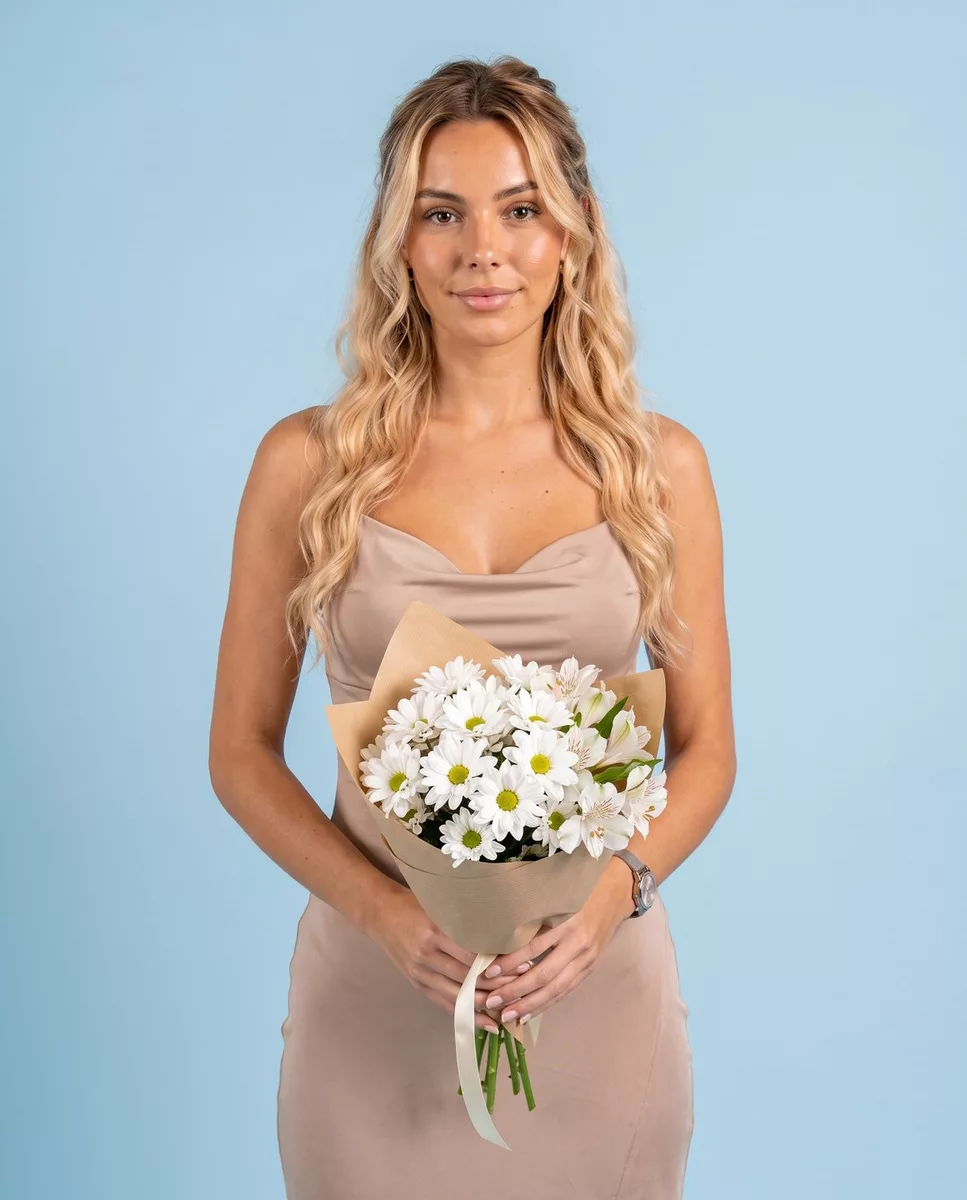
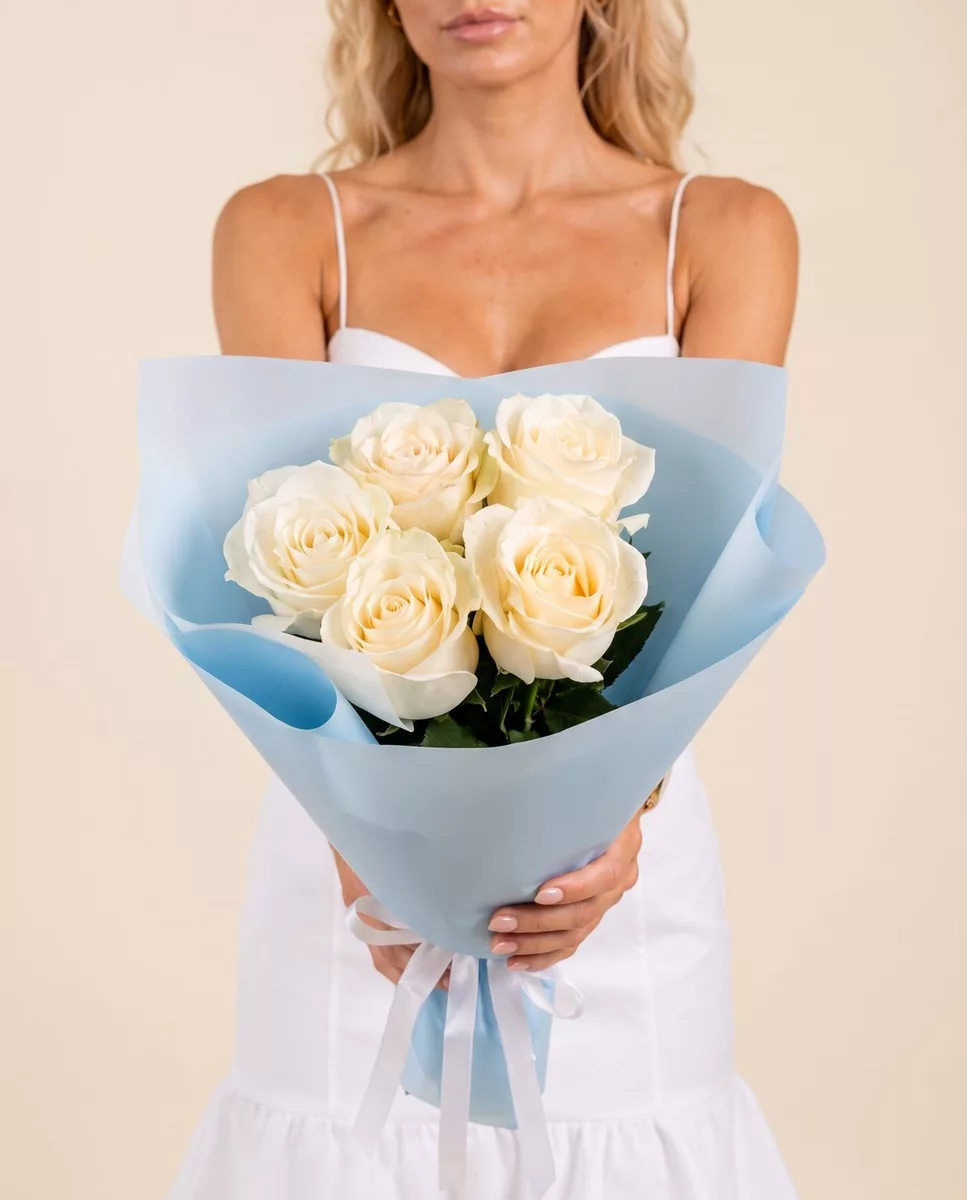
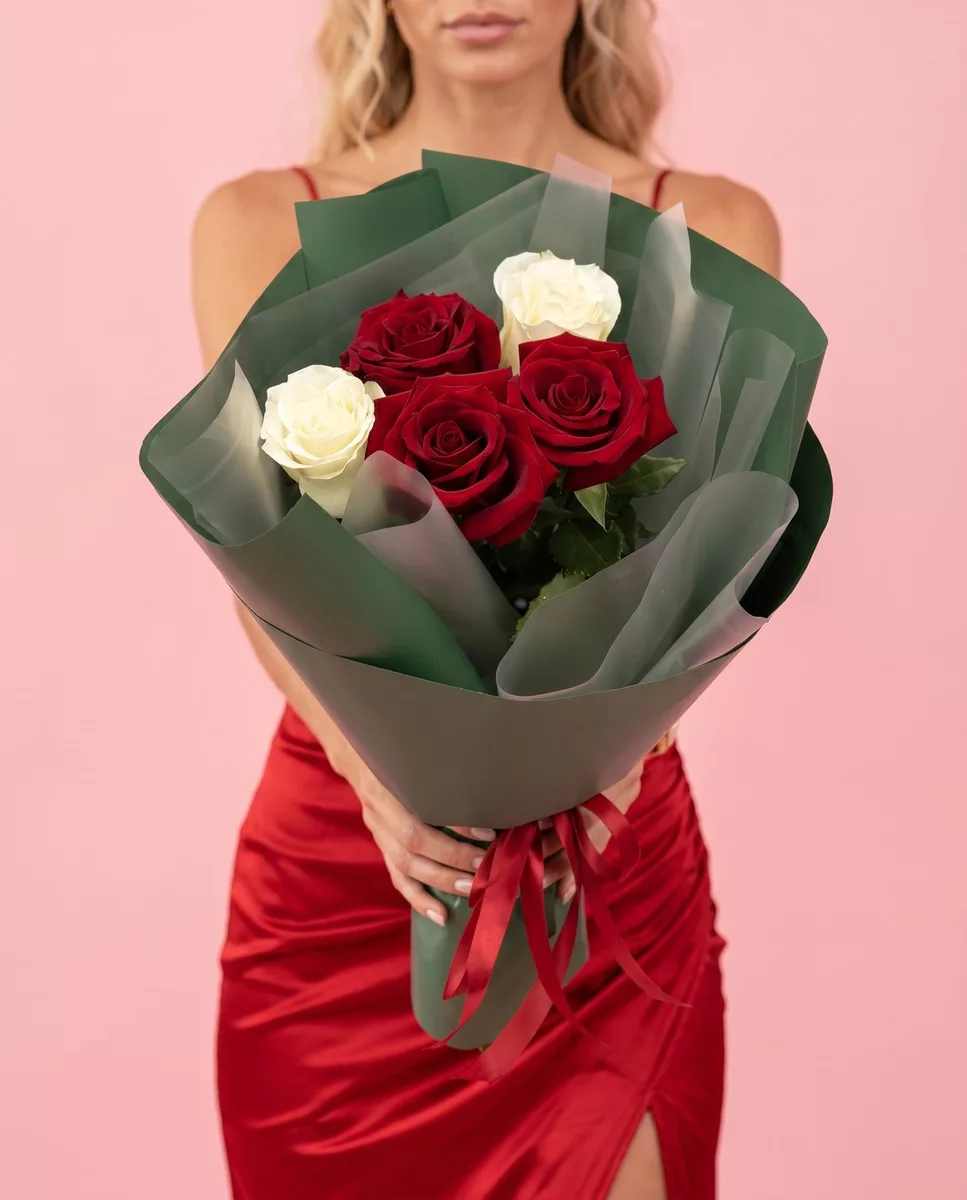
What the Recipient Will Actually Feel When the Flowers Arrive
Before you choose a single stem, think about the person opening the door. In Russian culture, receiving flowers at home is considered a gesture of real warmth and personal attention. It signals that you went out of your way — and when the sender is abroad, that effort is felt even more strongly. The bouquet is not just decoration; it is evidence that someone across the world was thinking of them on this specific day.
For a birthday, the expectation is abundance. A sparse five-stem arrangement can read as an afterthought, even if each stem is expensive. Russians generally appreciate bouquets that feel generous in volume, so combinations that mix focal flowers like garden roses or lisianthus with supportive textures — dusty miller, eucalyptus, waxflower — read as considered and full rather than padded. Odd numbers of stems are the norm for celebratory occasions; even numbers are reserved for mourning, so always confirm your count before finalising.
For a romantic occasion, deep reds and burgundies carry the expected meaning, but a more personal choice often lands better. If you know she prefers soft lavender tones, a mix of lilac spray roses, pale purple statice and white freesia will feel far more intimate than a standard red dozen. The fragrance of freesia in particular travels well through a room and creates an immediate emotional response. When the recipient opens the box and a scent reaches them before they even see the stems clearly, the moment becomes something they remember.
Choosing Flowers for the Season in Altai Krai
Seasonal thinking is not just poetic — it is practical. Flowers that are in season travel better, last longer in the vase and generally look more alive on arrival. In Yarovoe's climate, this matters more than in a temperature-controlled city apartment building with a concierge.
In summer, from June through August, the heat is your main concern. Hardy varieties hold up best: sunflowers are almost made for this season and carry a joyful, open energy that suits the resort atmosphere of the town. Carnations, which many international senders underestimate, are genuinely resilient at high temperatures and can last ten to fourteen days in a vase with proper care. Chrysanthemums in their spray form are another excellent summer choice. Avoid arrangements built primarily around hydrangeas in peak summer — they drink enormous amounts of water and can look exhausted within hours if conditions are warm.
Spring, particularly April and May, is the season of tulips and daffodils in Russia. Tulips arrive in extraordinary variety — from classic single-colour Darwin hybrids to fringed and parrot types — and they are deeply associated with Women's Day on the eighth of March, the single biggest flower-giving date in the Russian calendar. If you are sending in late February or early March, tulips in pink, white or yellow are the most culturally resonant choice you can make.
Autumn suits dahlias, which have a richness of colour and a fullness of form that feels appropriate for the season. Winter is the moment for roses, which travel in bud and open slowly in a warm room, giving the recipient days of unfolding beauty rather than a single peak.
Navigating the Russian Gifting Calendar from Abroad
Russia has a gifting calendar that differs from what most Western or Central Asian senders expect, and missing the key dates by even one day can mean your gesture arrives out of context. The most important date for flowers is the eighth of March, International Women's Day. This is not a minor observance — it is a national holiday on the scale of a major celebration, and virtually every woman in Russia expects to receive flowers, a gift or both. Demand for delivery spikes enormously in the days around this date, so if you are sending from abroad, place your order at least three to four days in advance.
The ninth of May, Victory Day, is another significant date. Flowers are given to veterans and elderly relatives as a mark of respect and gratitude. Red carnations are the traditional choice for this occasion, and they carry specific meaning that other flowers do not replace.
Birthdays follow their own logic. Unlike in some cultures where a surprise arrival on the morning of the birthday is the ideal, Russian recipients are generally happy to receive flowers throughout the day, and an afternoon delivery can feel just as special as a morning one. Name days — the feast day of the saint whose name a person shares — are also celebrated with flowers by some families, though this is more common in older generations.
New Year, celebrated on the first of January, is the biggest family holiday of the year. Sending flowers for New Year from abroad is a meaningful gesture, but remember that many Russians celebrate through the night of the thirty-first and sleep late on the first, so a delivery scheduled for the afternoon of January first is often better received than an early morning one.
Practical Steps for Placing an Order from Outside Russia
The mechanics of ordering from abroad are simpler than many senders expect, but a few concrete steps will make the difference between a smooth delivery and a frustrating one. Start with the address. Russian addresses follow a specific format: city, street, building number, apartment number. For Yarovoe, you will also need the postcode, which begins with 658. If the recipient lives in a multi-storey building — and many do — the apartment number and floor are essential. A delivery to a building entrance without an apartment number will stall.
Phone number for the recipient is the single most important piece of information after the address. Russian couriers will call ahead to confirm delivery, especially in smaller towns where finding a specific building can require local knowledge. If you do not have the recipient's Russian mobile number, ask a mutual contact. Without a reachable number, the delivery becomes a guessing game.
Time zones require attention. Yarovoe is in UTC plus seven, which is Omsk Time. If you are ordering from London, you are seven hours behind. From New York, you are ten hours behind. This means that a same-day delivery you are hoping to place at nine in the morning your time may already be mid-afternoon in Yarovoe. Plan the time zone difference before you sit down to order, not after.
For the card message, write it in Russian if you can, or provide a transliteration of what you want to say. A message in a language the recipient cannot read loses its warmth entirely. Most florists can help with a simple translation of a short phrase if you ask.
Combinations That Work and Mistakes to Avoid
A bouquet built around a single type of flower is elegant and direct, but combinations tend to feel more generous and considered. The most successful combinations balance one or two focal flowers — the ones that draw the eye — with secondary textures that add depth without competing. A classic that works in almost any season is garden roses paired with eucalyptus and white waxflower. The eucalyptus adds a gentle fragrance and a silvery-green tone that makes the roses look richer, while the waxflower provides small details that give the eye somewhere to travel.
For a more dramatic effect, try combining deep burgundy lisianthus with pale blush spray roses and a few stems of dark green ruscus. Lisianthus has ruffled petals that photograph beautifully and last exceptionally well in the vase — often seven to ten days with clean water and a cool room. It is frequently mistaken for a peony in photographs, which is part of its appeal for senders who want that lush, romantic look without the seasonal limitations of actual peonies.
The mistakes that come up most often with international orders are these: choosing flowers based on how they look in a stock photograph rather than how they perform in transit, ordering a bouquet that is too small for the occasion because the sender is unsure of Russian expectations, and forgetting to specify a delivery window. A recipient who works during the day and lives alone cannot accept a delivery at noon. Ask about their schedule if you can, or choose an evening delivery slot.
Also avoid mixing flowers with very different water needs in a single arrangement without asking your florist to account for it. Sunflowers, for instance, drink heavily, while succulents used as accents need almost none.
Vase Life and Care Instructions to Pass Along
One of the kindest things you can do as a sender is pass along basic care instructions to the recipient, especially if they are not experienced with fresh flowers. Many people in Russia keep flowers in a vase but do not know the steps that double the display time, and a bouquet that wilts in three days when it could have lasted ten is a small disappointment you can easily prevent.
The first instruction is water temperature. Cool water, not cold and certainly not warm, is correct for almost all cut flowers. Warm water encourages bacterial growth, which is the main reason flowers die prematurely. The vase should be clean — any residue from a previous arrangement will introduce bacteria immediately. Rinsing with a little white vinegar before filling with fresh water makes a real difference.
Stem cutting is the second key step. Each stem should be cut at an angle, about two centimetres from the bottom, using a sharp knife rather than scissors. Scissors crush the stem's water-conducting tissue; a clean diagonal cut maximises the surface area for drinking. This should be done under running water or immediately before placing the stem in the vase, so no air enters the cut end.
Position matters too. Flowers last longest away from direct sunlight, heating vents and fruit bowls. Ripening fruit releases ethylene gas, which accelerates aging in cut flowers — roses and carnations are particularly sensitive to it. A cool room, ideally between sixteen and twenty degrees Celsius, is the ideal environment.
For roses specifically, if the outer petals look bruised on arrival, remove them gently. These are called guard petals and are left on during transport to protect the inner petals. Removing them reveals the fresh bloom underneath.
Sending flowers to Yarovoe from abroad is an act of real intention, and the recipient will feel that. The distance is part of the message — it says that you planned, that you thought about what they would like, that you did not let geography become an excuse. Choose with the season and the person in mind, get the address and phone number right, account for the time zone, and trust that a well-made bouquet will carry your feeling across every kilometre between you.
Frequently asked questions
Can I order flowers for Yarovoe if I do not speak Russian?
Yes. You can place your order in English through Turboflora's website. For the card message, provide the text in your language and note the language — our team can help with a simple Russian transliteration or translation of a short personal phrase so the recipient can read it comfortably.
How far in advance should I order for the eighth of March from abroad?
At least three to four days before the date. International Women's Day is the busiest single day in the Russian flower calendar, and demand in all cities and towns, including Yarovoe, rises sharply in the days leading up to it. Ordering early also gives you more choice of varieties and delivery time slots.
What happens if the recipient is not home when the flowers arrive?
Our courier calls ahead using the phone number you provide. If the recipient is temporarily unavailable, we coordinate a revised delivery window. This is why a working Russian mobile number for the recipient is essential — without it, rescheduling becomes difficult, particularly in a smaller town like Yarovoe.
Are there flowers I should avoid sending to Yarovoe in summer?
Hydrangeas struggle in high heat because they require constant hydration and wilt quickly if conditions are warm. Anemones are also delicate in summer temperatures. Carnations, sunflowers, chrysanthemums and roses in bud are much better choices for the hot months of July and August in Altai Krai's continental climate.
Is it appropriate to send flowers for a birthday in Russia, or is a different gift expected?
Flowers are entirely appropriate and genuinely appreciated for birthdays in Russia. The key cultural points are to use an odd number of stems for celebratory occasions, choose a bouquet that feels generous rather than minimal, and if possible, include a handwritten card message. Flowers alone, without any other gift, are a completely acceptable and warm gesture.
Ready to send flowers?
Pick the city, choose the bouquet, and a local florist takes it from there.
Choose a city →