Sending Flowers to Yurev-Polsky from Abroad: What You Need to Know
You are somewhere far from Russia — London, Berlin, Dubai, New York — and you want to send flowers to someone in Yurev-Polsky, a quiet historic town in the Vladimir region. The distance feels enormous, but the gesture does not have to be complicated. What matters is knowing a few practical things about timing, seasonal availability, Russian flower customs, and what happens on the other end when that bouquet arrives at a door in a small Russian city.
Who Receives Flowers in Yurev-Polsky and What They Expect
Yurev-Polsky is a small town, and that changes how a flower delivery feels. When a bouquet arrives at someone's home or workplace there, it is an event. Neighbours notice. The recipient will almost certainly post a photograph. This means presentation matters even more than it might in a large anonymous city — the wrapping, the ribbon, the card message all carry weight.
Russian recipients generally expect generous, full-looking bouquets rather than minimal Scandinavian arrangements. A single stem feels incomplete unless it is something truly dramatic, like a large peony or a tall sunflower given deliberately as a bold statement. Most people appreciate an odd number of flowers — this is a genuine cultural habit in Russia, not a myth. Even numbers are traditionally associated with mourning, so a bouquet of eleven roses reads as celebratory while ten would feel off to many recipients.
If you are sending to a woman for her birthday or a holiday, bright colours land well: deep red roses, coral spray roses, vivid gerberas, or seasonal tulips in spring. For a colleague or a male recipient, something more structured works — think of a combination of white chrysanthemums with eucalyptus, or sunflowers with solid green foliage. Knowing your recipient's taste is always the best guide, but when in doubt, lean toward warmth and abundance rather than restraint. A florist who understands the local context will build something that feels right the moment the door opens.
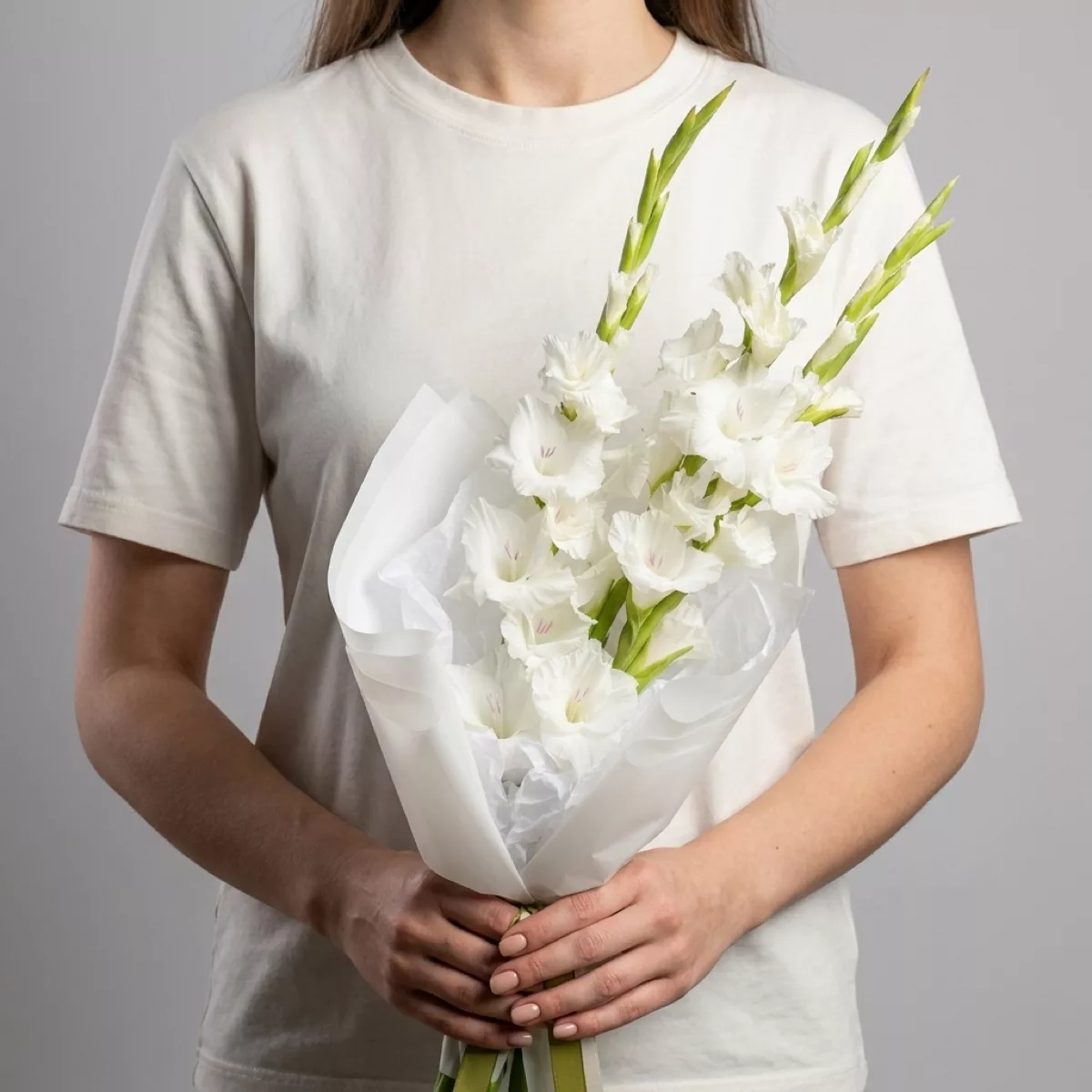
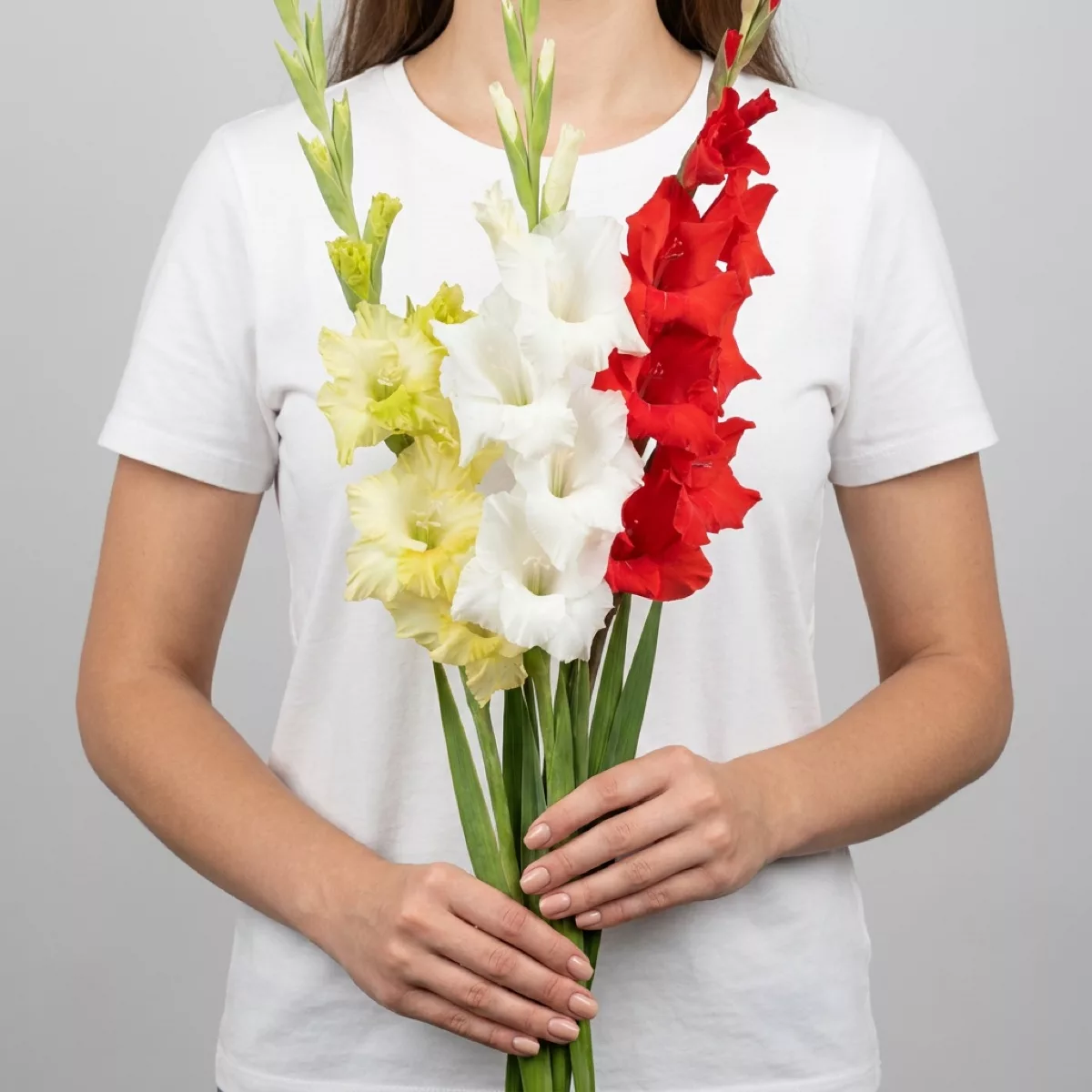
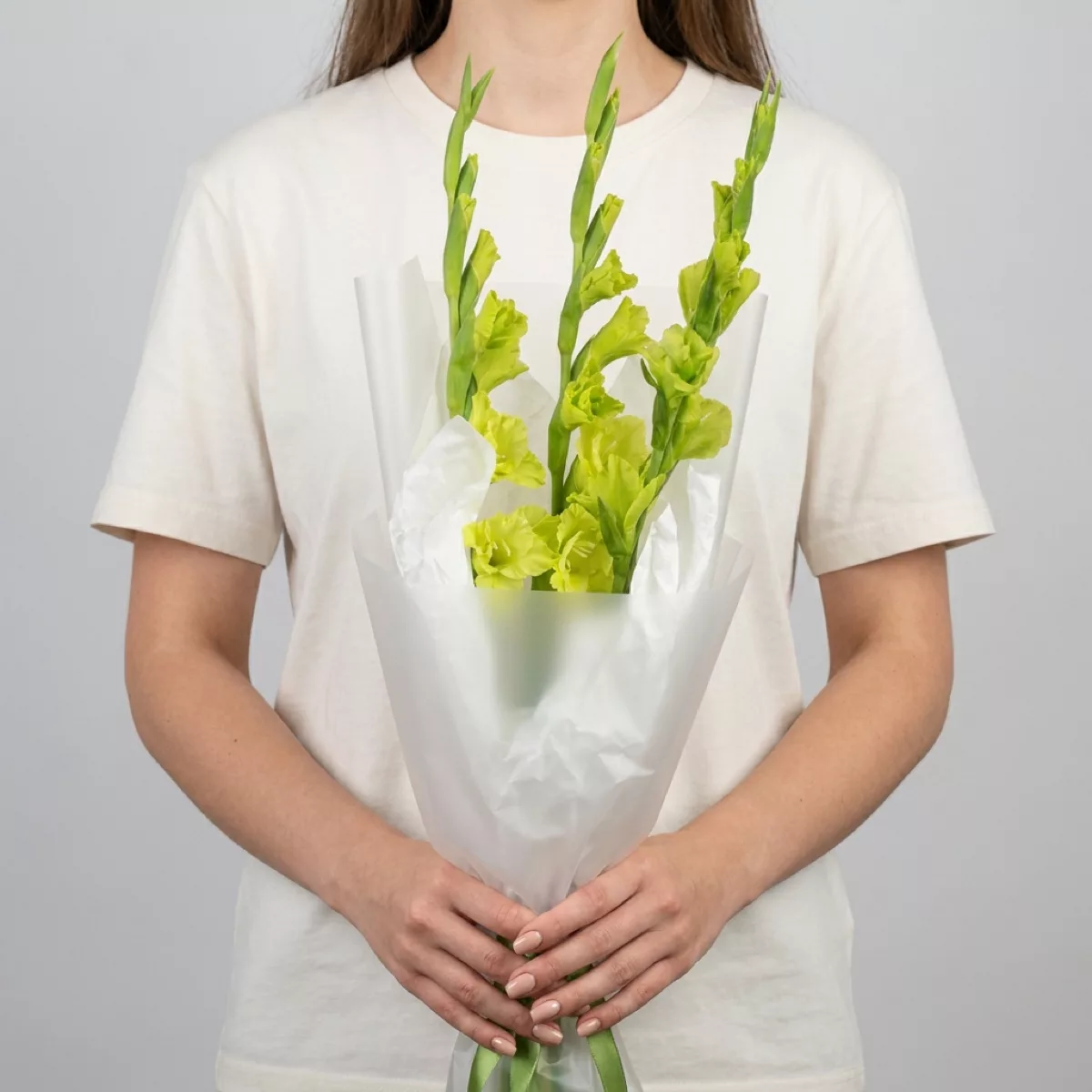
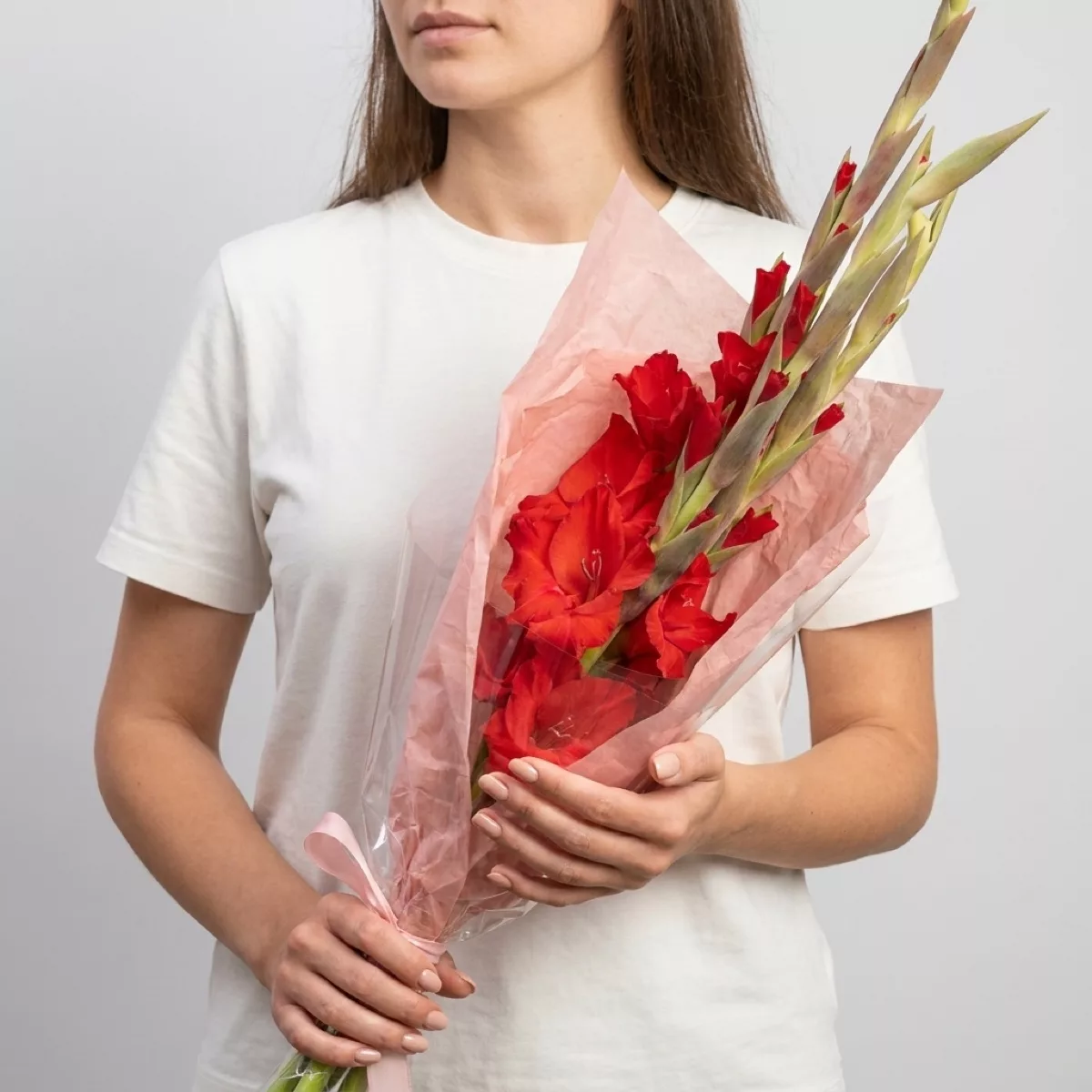
Bouquets we can deliver
Timing Your Order Across Time Zones
Yurev-Polsky runs on Moscow Time, which is UTC+3 with no daylight saving adjustment. Russia abolished seasonal clock changes in 2014, so the offset from your location stays constant year-round. If you are in Western Europe, Moscow Time is two or three hours ahead of you depending on the season. From the East Coast of the United States, it is eight hours ahead. From the Gulf region, it is one hour ahead.
This matters because you need to place your order while the delivery window is still open for the same day. Early morning orders from Europe are straightforward. Orders placed in the afternoon from the Americas may land after the last viable delivery slot for that calendar day. The safest approach is to order the evening before from any timezone west of Moscow, specifying the exact delivery date and a preferred time window.
For major Russian holidays — International Women's Day on March 8th, Valentine's Day, and the New Year period — demand spikes sharply even in smaller cities. Place those orders two to three days in advance without hesitation. On March 8th in particular, tulips and mimosa are everywhere in Russia, and stock moves extremely fast. If you miss the window on a key date, a next-morning delivery with a heartfelt card message still lands warmly. Rushing a same-day order on a peak holiday and getting the wrong flowers is worse than a short delay with the right ones. Timing and intention together make the gift work.
Seasonal Flowers That Make Sense for Yurev-Polsky
The Vladimir region has a genuinely continental climate. Winters are cold and long, summers are warm and short, and spring arrives later than in Western Europe. This affects what looks natural and beautiful in a bouquet at different times of year.
From late February through April, tulips are the flower of the moment across Russia. They are inexpensive, cheerful, and deeply associated with the arrival of spring and with Women's Day. Yellow, pink, and white tulips feel fresh and seasonal. Avoid sending tropical flowers like anthuriums or birds of paradise in winter — they can look slightly incongruous in a snowy Russian town, though they will survive indoors perfectly well.
By June and July, peonies become the star. Russian people have a genuine love for peonies — full, fragrant, and lush, they feel like a proper summer celebration. If your recipient's birthday falls between late May and early July, a bouquet built around garden roses or peonies in blush, cream, or deep pink will feel exactly right for the season.
In autumn, dahlias, chrysanthemums, and sunflowers carry that harvest warmth. A mix of burnt-orange and yellow chrysanthemums with a few stems of solidago and dark foliage is a beautiful September or October combination that suits the landscape outside the window.
Winter calls for roses — reliably available year-round — combined with evergreen elements like ruscus or pittosporum, which hold up well in cold conditions during transport and look rich and deliberate rather than sparse.
Writing a Card Message When You Do Not Speak Russian
Most recipients in Yurev-Polsky will read a message in Russian more easily than in English, but writing in your own language is still meaningful and personal. The best approach is to write your message sincerely in English and include a transliterated or translated version if you can manage it. Even a simple phrase like "S dnem rozhdeniya" — Happy Birthday — shows that you made an effort, and that effort is noticed and appreciated.
If you want to go further, a few phrases are worth knowing. "Ya dumayu o tebe" means I am thinking of you. "S lyubovyu" means with love. "Ot vsego serdtsa" means from the heart. These are not elaborate, but they carry warmth in Russian and will be read with a smile.
For professional or formal occasions — a colleague's promotion, a business anniversary, a thank-you to a host — keep the message brief and warm rather than effusive. Russians appreciate sincerity but can find overly gushing messages slightly awkward in a formal context. Something like "Congratulations on this achievement, wishing you continued success" translates cleanly and lands well.
If you are sending for a birthday, it is perfectly normal in Russia to wish the person health above all else — "Zhelayu zdorovya, schastya i uspekha" means wishing you health, happiness and success. This is not a cliché in Russia the way it might feel in other cultures; it is genuinely heartfelt. When placing your order, type your message clearly and specify whether you want it printed in English or if you need translation assistance.
What Happens During Delivery in a Small Russian Town
Yurev-Polsky has a population of around twenty thousand people. Delivery in a town this size works differently from a major city. Streets are quieter, buildings are lower, and the courier will almost certainly reach the door rather than leaving a bouquet with a lobby concierge. This is actually an advantage — the delivery feels personal and direct.
However, it also means that address accuracy is essential. Russian addresses follow a specific order: country, region, city, street, building number, apartment number. The Vladimir region is the oblast, Yurev-Polsky is the city, and from there you need the street name in Russian if possible, the building number, and the apartment or office number. If the recipient lives in a private house rather than an apartment block — which is common in smaller Russian towns — there may be no apartment number, just a house number and sometimes a plot number.
If you are not sure of the exact address, the most reliable approach is to contact your recipient informally and ask them to confirm it, framing it as something casual. Alternatively, if you have a mutual contact in Russia, they can verify the address. Sending to a workplace is often simpler — office addresses tend to be precise and someone is always present to receive.
Couriers will call ahead before arriving, which is standard practice in Russia. Make sure the phone number you provide is current and reachable. If your recipient is elderly and may not have a mobile, a landline number is fine — just note it clearly when ordering.
Keeping the Flowers Fresh After Delivery
Russian homes in the Vladimir region are typically well-heated in winter, sometimes very warm by Western standards. Central heating runs from October through April and keeps indoor temperatures high — often above twenty-two degrees Celsius. This is beautiful for comfort but hard on cut flowers. Your recipient will get the most from the bouquet with a few simple steps, and it is worth including care instructions with the delivery if possible.
Roses, tulips, and gerberas will last longest when placed in clean water that is changed every two days. The stems should be trimmed at an angle before going into the vase — this is the single most effective thing a recipient can do to extend vase life. Removing any leaves that sit below the waterline prevents bacterial growth, which is what shortens a bouquet's life faster than anything else.
In a warm Russian apartment, tulips will open fully within twenty-four to forty-eight hours. They are beautiful at this stage but will not last as long as roses. If your recipient wants to slow the process slightly, placing the vase in a cooler room overnight helps. Roses in good condition should last seven to ten days with proper care. Spray roses and chrysanthemums often outlast large-headed roses by several days.
Peonies are the exception — they arrive tightly closed and open slowly over two to three days into their full, spectacular form. Recipients who have not received peonies before sometimes worry that the buds will not open, but they will, especially in a warm room. Advise your recipient to be patient and to place them in a bright spot away from direct sunlight.
Occasions That Call for Flowers in Russian Culture
If you are sending from abroad, you may be familiar with birthdays and anniversaries as the main occasions for flowers. In Russia, the calendar of flower-giving moments is broader, and knowing a few of them helps you send at the right time with the right message.
International Women's Day on March 8th is the biggest flower holiday in Russia by far. Every woman — mother, wife, colleague, teacher, friend — receives flowers. Tulips are the traditional choice, though roses and mixed spring bouquets are equally welcome. If you have a woman in your life in Yurev-Polsky, this date matters more than Valentine's Day in terms of local significance.
New Year, celebrated on January 1st, is the biggest holiday of the Russian year. Sending flowers just before the New Year — between December 28th and 31st — is a warm and slightly unexpected gesture that will be remembered. White roses with fir branches or deep red roses with dark foliage suit the season beautifully.
Teacher's Day on October 5th is an occasion when students and parents send flowers to educators. If your recipient is a teacher, this is a meaningful date. September 1st, the first day of the school year, is another moment when flowers appear everywhere — children traditionally bring bouquets to their teachers on this day.
For professional milestones — a new job, a promotion, a successful project — flowers are an entirely appropriate gift in Russian business culture, especially for women. A structured, elegant bouquet of white or cream roses signals respect and congratulations without being overly personal.
Sending flowers from abroad to Yurev-Polsky is a gesture that crosses a real distance — geographic, cultural, and sometimes linguistic. The person on the other end will feel all of that distance collapse the moment the bouquet arrives at their door. Getting the timing right, choosing flowers that suit the season and the occasion, writing a message that comes from you personally, and making sure the address is precise: these are the things that turn a simple order into something genuinely felt. The flowers themselves do the rest.
Frequently asked questions
Can I order flowers for Yurev-Polsky delivery in English?
Yes, you can place your order entirely in English. Provide the recipient's address in Russian if you have it, or in transliterated form — we will work with what you send. The card message can be written in English and we will print it exactly as you write it, or you can ask for a simple translation when placing the order.
How far in advance should I order for a specific delivery date?
For regular dates, ordering the day before gives you the most flexibility with delivery time slots. For major Russian holidays like March 8th or New Year, place your order two to three days ahead. Peak periods see high demand even in smaller cities, and early orders guarantee both the flowers you want and the time window that suits your recipient.
What if my recipient is not home when the flowers arrive?
The courier will call the recipient before arriving, which is standard practice. If there is no answer, we will attempt to reach the contact number you provided at the time of order. It helps to let your recipient know a delivery is coming, even without revealing the full surprise — simply saying something is arriving on a certain day avoids a missed delivery.
Are there flowers I should avoid sending to Russia for cultural reasons?
Even numbers of flowers are traditionally associated with mourning in Russia, so bouquets are built in odd numbers — seven, nine, eleven, fifteen. Yellow flowers were once considered unlucky in Soviet-era culture, though this has faded significantly among younger generations. If you are unsure, a mix of colours in an odd count is always safe and well-received.
How long will the flowers last once delivered to Yurev-Polsky in winter?
Russian apartments are heated warmly in winter, which speeds up blooming. Roses typically last seven to ten days with daily water changes and trimmed stems. Tulips open quickly in warm rooms and look spectacular for four to six days. Chrysanthemums are the most durable winter choice and can last up to two weeks with basic care.
Ready to send flowers?
Pick the city, choose the bouquet, and a local florist takes it from there.
Choose a city →