Sending Flowers to Yuzha from Abroad? Here Is Everything That Matters
You are sitting in Berlin, Toronto or Dubai, and someone you love is in Yuzha — a quiet city in the Ivanovo region, far from the noise of Moscow but full of people who deserve a beautiful bouquet on their birthday, anniversary or just because you are thinking of them. The distance feels enormous, but the flowers do not have to. This guide walks you through everything a sender outside Russia needs to know: how Russian gifting customs shape what you order, which varieties travel well to Yuzha's climate, and how to make sure the bouquet lands looking exactly the way you imagined it.
Why Yuzha Is Different from Sending to a Major Russian City
Most people ordering flowers internationally default to Moscow or Saint Petersburg in their mental picture of Russia. Yuzha is a smaller city in the Ivanovo region, roughly 350 kilometres northeast of Moscow. That geography matters for a few practical reasons. Delivery routes are longer than a metropolitan same-day run, so timing your order correctly becomes more important, not less. A bouquet placed in the morning has the best chance of arriving while the recipient is still at home, awake and ready to be surprised.
The city itself has a certain character worth knowing. Yuzha is a textile town with a close-knit community feel. Flowers there carry real social weight — a neighbour will notice a delivery, a colleague will ask about the bouquet at lunch. This means presentation matters as much as the flowers themselves. A loosely wrapped bunch looks careless; a well-composed, neatly tied arrangement reads as genuine care and effort from someone far away.
The Ivanovo region also experiences real winters. From November through March, temperatures regularly fall below minus ten degrees Celsius. That affects which flowers survive the short journey from the delivery vehicle to the front door. Roses and chrysanthemums handle brief cold exposure better than tropical stems like anthuriums or orchid sprays, which can show frost damage on petals even after a few minutes outside. Knowing this before you choose your arrangement prevents disappointment on both sides of the world.
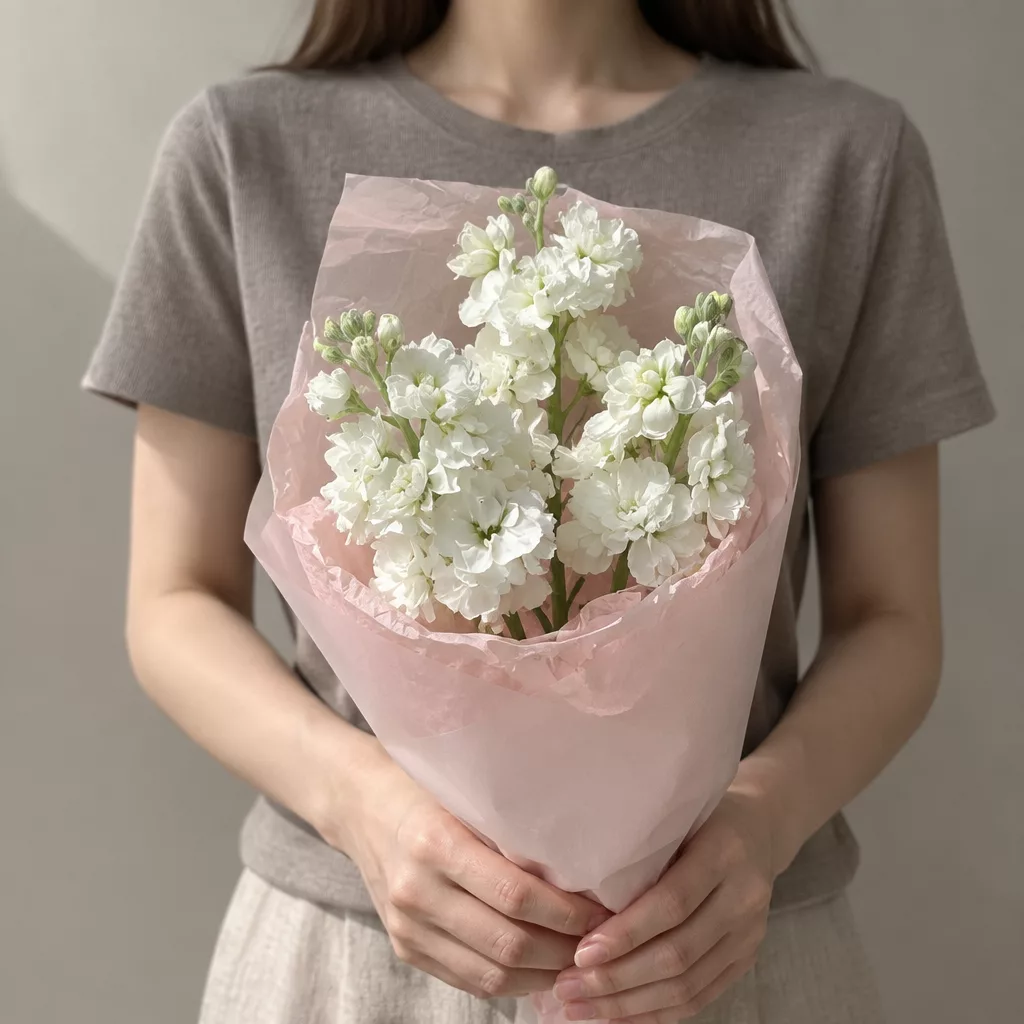
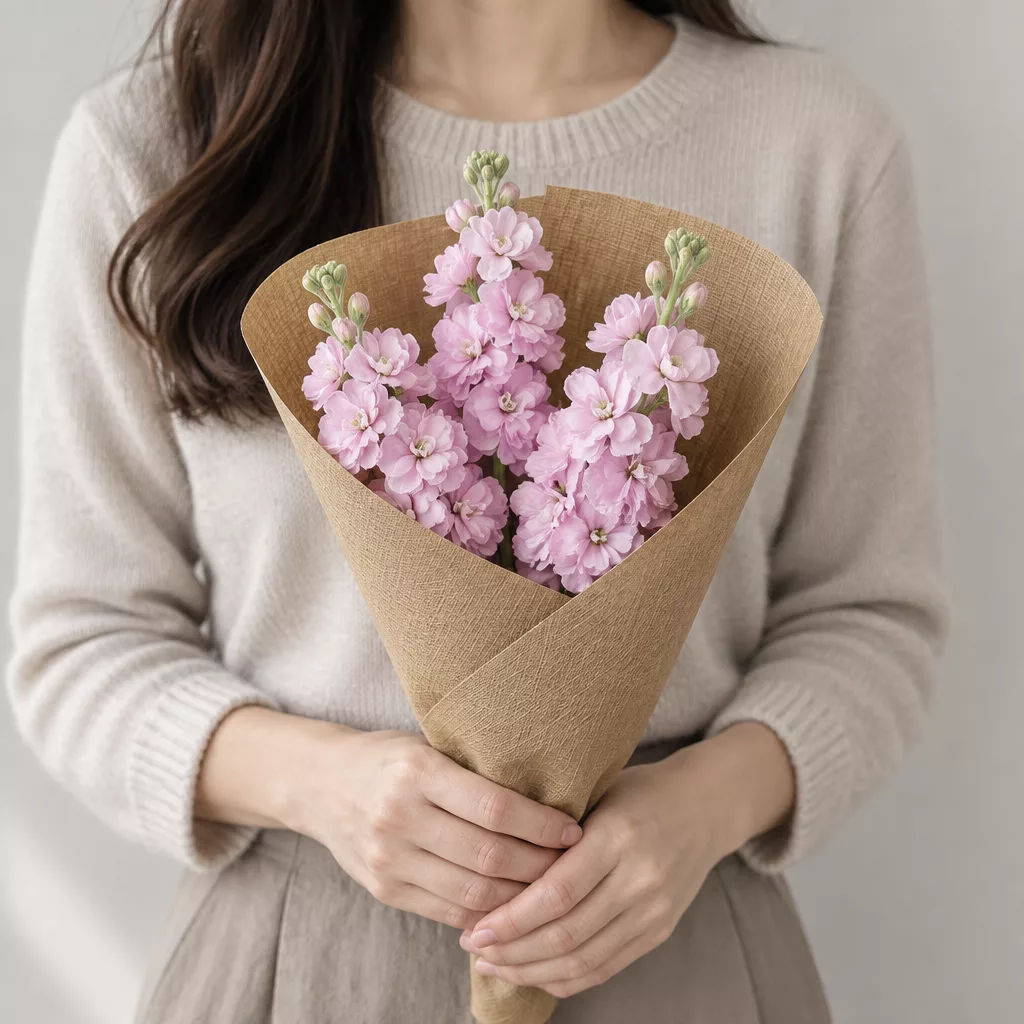
Bouquets we can deliver


Understanding Russian Flower Customs Before You Order
Russian flower-giving has a few rules that are genuinely different from Western habits, and knowing them protects you from an accidental misstep. The most important one: always send an odd number of stems. Even numbers — two roses, four tulips, six gerberas — are reserved for funerals and carry a heavy association with mourning. A bouquet of eleven roses or fifteen tulips, on the other hand, signals celebration and warmth. Most reputable florists build their arrangements around this principle automatically, but if you are customising a bouquet, count the stems yourself.
Colour carries meaning too, though less rigidly than the odd-even rule. Yellow flowers have a reputation in some Russian circles for signalling a coming separation, though this is softening among younger generations. If you are sending to someone traditional or older, choosing warm whites, pinks, reds or mixed seasonal palettes is the safer and more universally appreciated choice. Deep burgundy roses or blush peonies read as genuinely luxurious without any ambiguity.
Wrapping and presentation are taken seriously. A Russian recipient expects the bouquet to look finished — ribbon, paper, perhaps a small card with a handwritten-style message. Showing up with bare stems in a plastic sleeve would feel incomplete. When you place your order, specify that you want a card included with your message written out in full. If you write your note in English, a good florist will ensure it reaches the recipient exactly as you wrote it, which can itself feel touching and personal from someone abroad.
Choosing Flowers for the Season and the Occasion
Yuzha follows four distinct seasons, and the best florists work with that rhythm rather than against it. In spring, from March through May, tulips are the defining flower — they arrive in abundance from Dutch and domestic growers and look spectacular in single-colour bundles of fifteen or twenty-one stems. Peonies appear in late May and early June and are considered one of the most romantic and generous gifts a sender can choose. They are voluminous, fragrant and unmistakably celebratory.
Summer brings sunflowers, lisianthus and garden roses, all of which hold up well in warm temperatures if they are properly conditioned before dispatch. Autumn is the season of chrysanthemums, which are genuinely beloved in Russia and last longer in the vase than almost any other cut flower — up to three weeks with basic care. They are not a second-choice flower here; a large white or bronze chrysanthemum arrangement is considered a thoughtful and generous gift.
Winter orders should lean toward roses, spray carnations and alstroemeria. These varieties are robust enough to survive brief cold exposure during the final delivery step. Avoid delicate single-petal flowers or anything with thin, papery petals in January or February. If the occasion calls for something truly special in winter, a bouquet built around garden roses in deep red or ivory, supplemented with eucalyptus or ruscus greenery, photographs beautifully and arrives looking composed even after a chilly doorstep handover. Matching the flower to the season is one of the simplest ways to ensure the bouquet looks its best on arrival.
How to Time Your Order Across Time Zones
Yuzha operates on Moscow Time, which is UTC plus three hours with no daylight saving adjustment. That means if you are in London, Yuzha is three hours ahead. If you are in New York, it is eight hours ahead. If you are in Los Angeles, the difference is eleven hours. These gaps matter enormously when you want a birthday bouquet to arrive before the birthday lunch, not after dinner.
A reliable rule of thumb: place your order the evening before by your local time if you are in a Western time zone. This gives the florist a full morning window to prepare and dispatch the arrangement while the recipient is still likely to be at home. For milestone occasions — a significant birthday, an anniversary, a graduation — ordering a day in advance removes almost all timing risk and allows for more careful composition.
If you need same-day delivery and you are calling or ordering from abroad, check what time it currently is in Yuzha before you finalise. Orders placed after midday Yuzha time for same-day delivery are harder to guarantee, not because of unwillingness but because preparation and transit take real time. A well-composed bouquet of roses or peonies is not assembled in ten minutes.
When you fill in the order form, include the recipient's phone number. A brief call or message before the delivery attempt ensures someone is home to receive the flowers, which matters especially in smaller cities where leaving a bouquet unattended outside is not a reliable option in cold months. This small step saves a great deal of back-and-forth.
Budget Ranges and What They Actually Look Like
Ordering from abroad often comes with uncertainty about what a given spend actually produces in the destination city. In Yuzha, the flower market is more modest than Moscow, which works in your favour — a mid-range budget goes further in terms of volume and presentation than it might in a capital city.
At the entry level, you can expect a clean, single-variety bouquet: perhaps eleven tulips in spring, or seven to nine roses in a complementary paper wrap with a ribbon. This is a perfectly respectable gift for a colleague's birthday or a thank-you gesture. It does not feel sparse if it is well-assembled and neatly presented.
A mid-range order opens up mixed arrangements — roses combined with lisianthus or waxflower, or a peony bouquet supplemented with eucalyptus and ranunculus for texture. These combinations photograph well and feel considered. The recipient understands that thought went into the selection, not just the transaction.
At the upper end, you are looking at large-format arrangements: twenty-five or thirty-one roses in a gradient of shades, or a lush mixed bouquet incorporating garden roses, freesia, matthiola and seasonal greenery. These are the kinds of bouquets that get photographed and shared, that stay in the vase for a week and draw comments from everyone who visits. If the occasion is significant — a mother's birthday, a milestone anniversary — investing at this level communicates something that a smaller arrangement simply cannot. The size and generosity of a bouquet speaks before the card is even read.
Communicating with the Recipient Without Spoiling the Surprise
One of the trickier parts of sending flowers internationally is managing the logistics without accidentally revealing the surprise. The delivery team will typically call the recipient before arriving to confirm someone is home. This is standard practice and necessary, especially in a smaller city where a second delivery attempt is not always simple to arrange. The call itself does not spoil the surprise — most people do not connect a phone call from an unfamiliar number to an incoming bouquet.
If you want to be extra careful, you can ask a trusted person who lives nearby — a sibling, a neighbour — to be available to receive the flowers if the recipient is out. Mention this contact in the order notes with their phone number. This is a common and appreciated arrangement, and it ensures the bouquet arrives in perfect condition rather than sitting in a vehicle waiting for a second attempt.
For the card message, write it in whatever language feels natural between you and the recipient. A message in English from someone living abroad carries its own warmth and authenticity. If you want the message in Russian and you are not a native speaker, write it in English and indicate clearly in the order notes that you would like it transliterated or translated — a good florist will handle this with care.
Finally, consider the timing of your own message. If you are sending a surprise, do not text the recipient asking if they liked the flowers before the delivery window has passed. Give the process a few hours, then reach out. The moment they call you from their doorstep, flowers in hand, is worth the patience.
Keeping the Bouquet Beautiful After Delivery
A bouquet that arrives looking magnificent can fade within two days if it is not cared for properly. Since you are not there to give instructions in person, including a short care note with the delivery is one of the most thoughtful things you can do. Most recipients appreciate the guidance, especially for varieties they have not received before.
The basics apply universally. Stems should be cut at an angle before being placed in water — a diagonal cut increases the surface area for water uptake. The vase should be clean, and the water changed every two days. Any leaves that fall below the waterline should be removed immediately, as they rot quickly and contaminate the water, shortening the life of every stem in the arrangement.
Different varieties have different lifespans. Chrysanthemums, as mentioned, can last up to three weeks in good conditions. Roses typically give seven to ten days with proper care. Tulips are shorter-lived at five to seven days but are dramatic while they last. Peonies last five to seven days and open gradually, which means the recipient gets to watch the bouquet transform over several days — one of the great pleasures of receiving them.
Keep flowers away from direct sunlight and heat sources, and away from ripening fruit. Fruit emits ethylene gas, which accelerates petal drop in roses and tulips noticeably. A cool room — between fifteen and eighteen degrees Celsius — is ideal. In Yuzha's cold winters, a recipient might be tempted to place flowers near a radiator for warmth; gently advising against this in your card message can add several days to the bouquet's life.
Sending flowers to Yuzha from the other side of the world is a genuinely meaningful act. The distance makes the gesture larger, not smaller — a bouquet that travelled through time zones and logistics to reach someone's door on a Tuesday afternoon in the Ivanovo region says something that a local delivery simply cannot replicate. Get the timing right, choose varieties that suit the season, follow the odd-number rule, and write something true on the card. The rest takes care of itself.
Frequently asked questions
Can I order flowers for Yuzha delivery if I do not speak Russian?
Yes, entirely. You can write your card message in English and note in the order comments that you are ordering from abroad. The delivery process does not require you to communicate in Russian at any stage. Include the recipient's phone number so the delivery team can coordinate arrival, and the rest is handled on your behalf.
How far in advance should I place an order from a different time zone?
If you are in a Western European or American time zone, placing your order the evening before by your local time is the safest approach. This lands the order in the morning window for Yuzha, giving the florist ample preparation time. For very important occasions, ordering a full day ahead removes almost all risk of timing issues.
What flowers are best to send to Yuzha in winter?
Roses, spray carnations and alstroemeria handle brief cold exposure during doorstep delivery better than tropical or thin-petalled varieties. Deep red or ivory garden roses with eucalyptus greenery make a particularly strong winter arrangement. Avoid anthuriums, orchid sprays or lisianthus as the sole focus of a winter bouquet, as they are more vulnerable to frost damage.
Why does the number of stems matter in a Russian bouquet?
In Russian tradition, even numbers of flowers are associated with mourning and are used at funerals. Odd numbers — eleven roses, fifteen tulips, twenty-one stems — signal celebration and goodwill. This is taken seriously across generations and regions, including in smaller cities like Yuzha. Always confirm your bouquet has an odd stem count before finalising the order.
What happens if the recipient is not home when the flowers arrive?
The delivery team will call ahead to confirm someone is available. If the recipient is unexpectedly out, you can designate a nearby contact — a neighbour or family member — to receive the bouquet. Include their name and phone number in the order notes. This is a common arrangement and ensures the flowers arrive in perfect condition without requiring a second delivery attempt.
Ready to send flowers?
Pick the city, choose the bouquet, and a local florist takes it from there.
Choose a city →