Sending Flowers to Yuzhnouralsk from Abroad: What You Need to Know
You are somewhere far from Russia — another country, another time zone — and someone in Yuzhnouralsk matters enough that you want flowers on their doorstep today. That distance does not have to mean delay or guesswork. With the right florist and a clear picture of what to expect, you can send a bouquet that arrives fresh, on time, and exactly right for the moment.
Who Is Receiving the Flowers and Why It Matters First
Before you think about roses versus tulips, think about the person opening the door. A grandmother celebrating her birthday in Yuzhnouralsk has different expectations from a colleague receiving a thank-you arrangement or a young partner surprised on an anniversary. Russian recipients generally appreciate abundance — a bouquet that looks generous and full, not sparse or minimalist. Odd numbers of stems are traditional for living recipients in Russia, so a bouquet of fifteen or twenty-one roses reads as intentional and culturally correct rather than accidental.
The occasion shapes the colour palette just as much as the flower choice. Warm reds and deep pinks signal romantic feeling. Bright yellows and oranges work beautifully for birthdays and celebrations. White arrangements are elegant for professional settings — a promotion, a business milestone — but in a personal context they can feel cool, so it is worth mixing white blooms with soft peach or cream tones to add warmth.
If you are sending to someone you know well, a personal note in Russian makes an enormous difference. Even a short phrase — a name, a date, a reason — transforms a bouquet into a message. You can write your note in English and ask the florist to translate it, or type a transliterated Russian phrase you have looked up. That small gesture lands with real warmth, especially when the sender is far away and cannot be present in person.
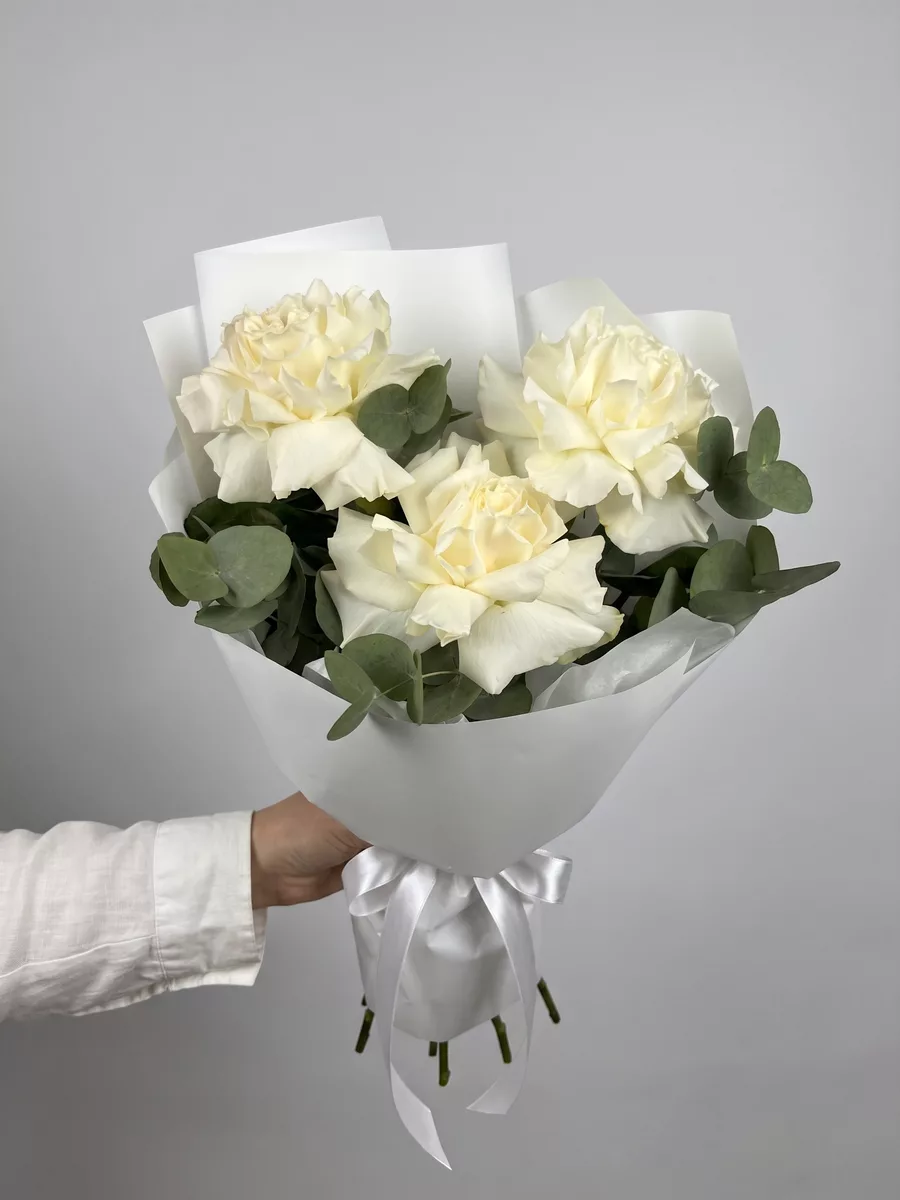
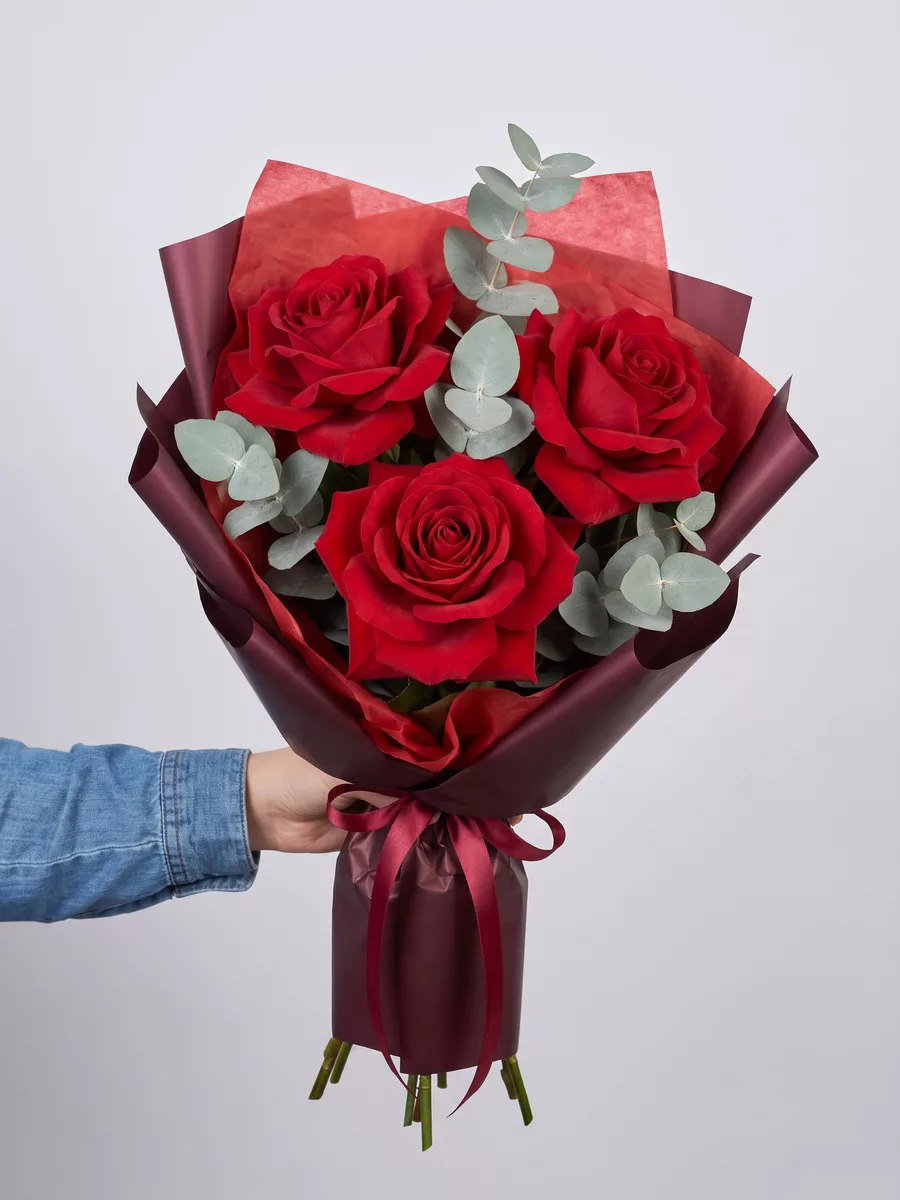
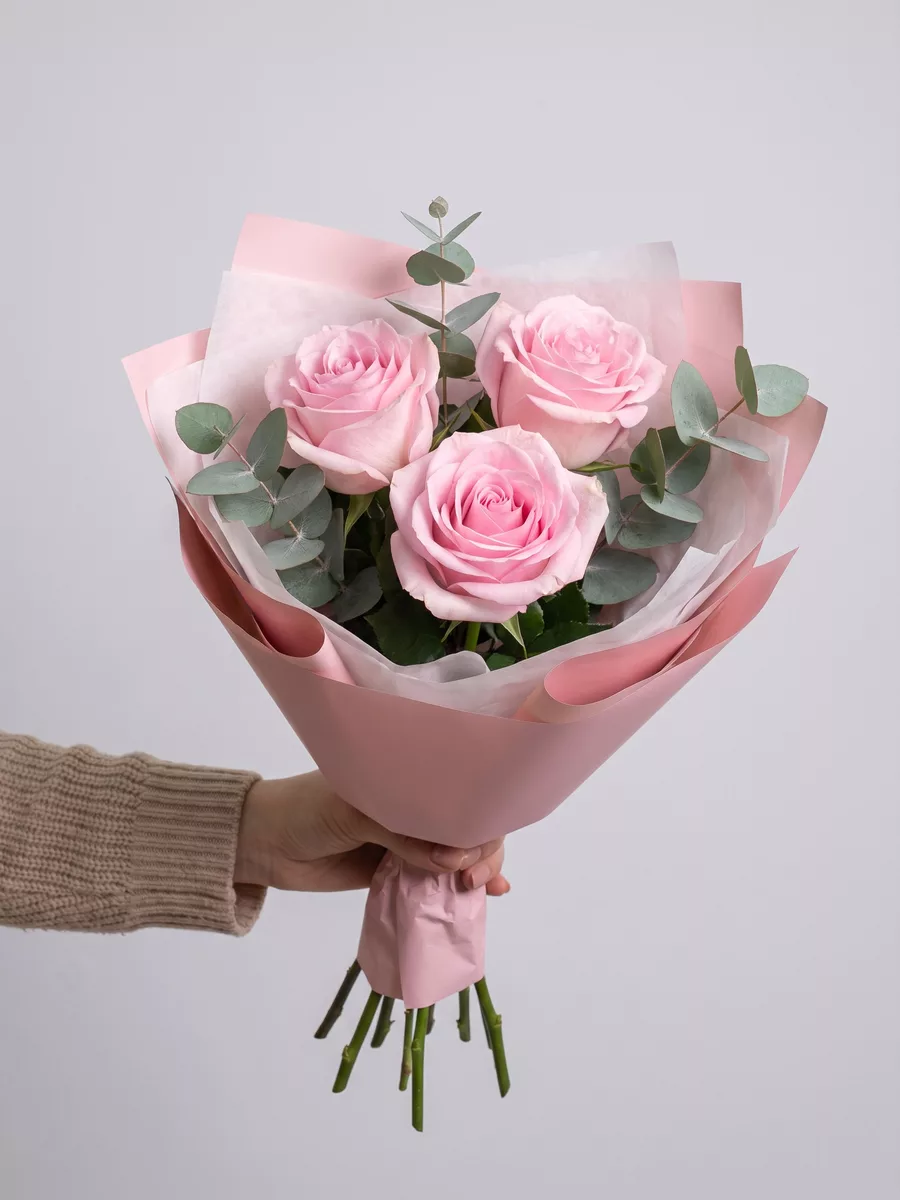
Bouquets we can deliver

Understanding Yuzhnouralsk: Climate, Distance, and What That Means for Flowers
Yuzhnouralsk sits in the Chelyabinsk Oblast of the Southern Urals, roughly 1,700 kilometres east of Moscow. It is an industrial city of modest size, and its continental climate is one of the most important factors in flower care. Winters here are genuinely cold, with temperatures regularly dropping below minus twenty degrees Celsius between November and February. Summers are warm and can be dry. That temperature range affects how bouquets travel and how long they last once delivered.
In winter, flowers need insulated packaging for outdoor transit. Even a few minutes of exposure to severe frost can damage delicate petals — roses blacken at the edges, ranunculus collapse, and anemones lose their structure entirely. A professional florist accounts for this with proper wrapping and timed delivery routes. When you order in December or January, ask specifically how the bouquet is protected against cold. This is not overcaution; it is the practical reality of sending flowers to the Urals in winter.
In summer, the challenge flips. Heat above twenty-five degrees shortens vase life noticeably, especially for garden roses and peonies. Delivery timing matters more in July and August — a bouquet dispatched at midday and left in a warm hallway for two hours will look tired by evening. Morning or early afternoon delivery slots are preferable in warm months. Knowing the recipient's schedule helps: flowers delivered to a door they open promptly look far better than ones waiting on a warm step.
How to Order from Outside Russia Without Confusion
Ordering internationally is straightforward once you understand the mechanics. You need the recipient's full address in Russian — street name, building number, apartment number, and the postal code. Yuzhnouralsk addresses follow the standard Russian format: city, street, building, apartment. If you only have an address written in Latin characters, convert it carefully; a wrong building number means a missed delivery and a disappointed recipient.
Payment from abroad is handled online, so you do not need a Russian bank account or card. Most international credit and debit cards work through the checkout, and the currency conversion happens automatically. Keep in mind the time zone: Yuzhnouralsk operates on Yekaterinburg Time, which is UTC plus five. If you are placing an order from Western Europe in the evening, it may already be the following morning in Yuzhnouralsk. Factor that into your chosen delivery slot so the bouquet does not arrive before anyone is home.
The order form asks for a recipient phone number. This is important for delivery confirmation — the courier may call ahead to arrange access to a building or confirm the apartment. Provide a working Russian mobile number if you have one, or ask the recipient subtly without giving away the surprise. If the address includes a building with a door code or intercom, include that in the order notes. Florists delivering in Russian cities deal with secured entrances constantly, and a clear note saves time and ensures the bouquet arrives in the best condition.
Choosing Flowers That Travel Well and Last Beautifully
Some flowers are simply better suited to gifting in a city like Yuzhnouralsk, where the climate tests arrangements at both extremes. Spray roses are remarkably resilient — their smaller heads hold moisture well, and a bunch of twenty or thirty stems creates an impressive, full look that photographs beautifully and lasts seven to ten days with basic care. Standard hybrid tea roses are classic and always appreciated, but they need fresh water within hours of delivery to open properly.
Chryanthemums are underrated for long-distance gifting. They last two weeks or more in a vase, they handle temperature fluctuation better than most cut flowers, and they come in a wide range of colours — from pure white to deep burgundy and golden yellow. Pairing chrysanthemums with eucalyptus or ruscus greens gives the arrangement a modern, polished look that feels neither old-fashioned nor generic.
For spring and early summer orders, tulips from the Netherlands are a strong choice — they continue to grow and open in the vase, which recipients often find charming. Peonies are beloved in Russia and deeply associated with warmth and celebration, but they have a short season running roughly from late May through June. Outside that window, asking for peonies usually means getting an inferior product. Alstroemeria is an excellent budget-friendly filler that adds colour and extends the life of any mixed bouquet. Avoid delphinium and sweet peas for Yuzhnouralsk in winter — they are simply too fragile for cold-weather transit.
Occasions Russians Celebrate and How Flowers Fit Each One
If you are sending from abroad, you may not be familiar with the calendar of celebrations that matter in Russian daily life. International Women's Day on the eighth of March is the single biggest flower-giving day of the year — demand surges enormously, and ordering at least two or three days in advance is essential. Yellow mimosa is the traditional flower of that day, but tulips, roses, and mixed spring arrangements are equally popular and often more practical to source in good condition.
Birthdays are celebrated with great enthusiasm in Russia, and flowers are an expected part of the gesture. A bouquet delivered to someone's home on their birthday morning carries real emotional weight — it signals that the sender remembered, planned ahead, and made an effort across distance. For milestone birthdays — fortieth, fiftieth, sixtieth — a larger, more dramatic arrangement is appropriate. Think fifty stems of red roses or a mixed bouquet with multiple varieties and structured greenery.
New Year is celebrated on the first of January with a warmth that rivals Christmas in other cultures. Sending flowers for New Year's Eve delivery — the evening of the thirty-first — is a beautiful gesture. White and red combinations, or arrangements featuring winter berries and evergreen accents, feel seasonally right. Valentine's Day on the fourteenth of February is observed, particularly by younger Russians, and red roses are the expected choice. Teacher's Day in early October and other professional holidays are occasions when flowers to a colleague or mentor are entirely normal and warmly received.
What Happens After Delivery: Helping Your Recipient Care for the Bouquet
A well-chosen bouquet deserves a few days of proper care, and most recipients appreciate a brief note with the flowers explaining what to do. If you are sending from abroad and cannot explain in person, include care instructions in the card message or ask the florist to add a printed note. The basics are simple but make a real difference to vase life.
The stems should be cut at an angle under running water immediately after unwrapping — this reopens the water channels that close during transit. A sharp knife or scissors work; avoid tearing. Remove any leaves that would sit below the waterline in the vase, because submerged foliage rots quickly and clouds the water with bacteria that shorten bloom life. Change the water every two days and recut the stems each time.
Keep the vase away from direct sunlight, radiators, and fruit bowls. Ripening fruit releases ethylene gas, which accelerates petal drop — a bowl of apples next to roses can shorten their life by two or three days. In Yuzhnouralsk's dry winter interiors, where central heating pulls moisture from the air, a light misting of the petals with clean water once a day helps them stay fresh longer. Roses and spray roses benefit from being placed in a cool room overnight if possible — a hallway or a room with the heating turned down. This small step can add another two or three days to the arrangement's life and keeps the colours vivid.
Common Mistakes Senders from Abroad Make and How to Avoid Them
The most frequent mistake is underestimating the time zone difference. Yuzhnouralsk is five hours ahead of UTC, which means it is seven hours ahead of Western Europe and twelve or thirteen hours ahead of the United States East Coast. Placing an order at what feels like a reasonable afternoon hour in your location can mean the delivery window has already closed in Yuzhnouralsk. Always convert the time before confirming a delivery slot, and build in a buffer of at least an hour.
The second common mistake is providing an incomplete address. Russian addresses require the city, street name, building number, and apartment number. Many international senders omit the apartment number, assuming the building entrance will suffice. In a multi-storey residential building — which describes most Yuzhnouralsk housing — this makes delivery impossible. Double-check every field and include the entrance number and floor if you have them.
Sending the wrong flowers for the season is another avoidable error. Asking for peonies in November or tulips in August means either a substitution or disappointment. A good florist will advise you, but if you are placing an order independently, check what is in season and choose accordingly. Finally, some senders from abroad add too many flowers to a bouquet thinking bigger is always better. In reality, a well-composed arrangement of one or two varieties looks more intentional and elegant than an overloaded mix of seven different flowers with no visual coherence. Trust the florist's composition judgment and specify a colour palette rather than a long list of specific stems.
Sending flowers to Yuzhnouralsk from another country is genuinely achievable, and when it goes right, the effect is profound — someone in a city in the Southern Urals opens their door to a fresh bouquet and understands immediately that the person who sent it thought carefully about them. The distance collapses. That is what flowers across borders are really for, and with the right preparation — correct address, right season, right timing, right flowers for the recipient — it happens exactly as you imagined it.
Frequently asked questions
Can I order flowers to Yuzhnouralsk if I do not speak Russian?
Yes. The Turboflora website and order form work in English, and you can write your card message in English — we can help with a Russian translation if needed. The key information to have ready is the recipient's full Russian address, including apartment number, and a working Russian mobile phone number for delivery confirmation.
How far in advance should I order for a specific delivery time?
For same-day delivery, place your order at least two to three hours before your chosen slot, accounting for Yuzhnouralsk's time zone, which is UTC plus five. For major holidays like International Women's Day on March eighth or New Year's Eve, ordering two to three days ahead is strongly recommended, as demand is very high and popular varieties sell out quickly.
What flowers are available in Yuzhnouralsk in winter?
Roses, spray roses, chrysanthemums, alstroemeria, and carnations are reliably available and travel well in cold weather with proper packaging. Tropical flowers like anthuriums and orchid stems are also available year-round. Avoid requesting peonies, sweet peas, or delphinium in winter — they are either out of season or too fragile for cold-weather transit in the Urals.
Will the recipient know the flowers came from abroad?
Only if you tell them in the card message. The bouquet is assembled and delivered locally in Yuzhnouralsk, so it arrives fresh and presented normally. If you want the sender's location mentioned — which can make the gesture feel even more meaningful — simply include it in your card text, for example noting the city you are writing from.
Is it appropriate to send flowers to a Russian colleague or professional contact?
Yes, flowers for professional occasions are entirely normal in Russian culture. A bouquet for a colleague's birthday, a promotion, or a professional holiday such as Teacher's Day is warmly received. Choose white, cream, or soft mixed arrangements for a professional tone, and keep the card message warm but brief. Avoid overly romantic colours like deep red for strictly professional recipients.
Ready to send flowers?
Pick the city, choose the bouquet, and a local florist takes it from there.
Choose a city →