How to Send Flowers to Zaraysk from Abroad the Right Way
You are somewhere far from Russia — maybe London, Dubai, New York or Berlin — and someone you love is in Zaraysk, a quiet historic town in the Moscow Oblast. You want to send them flowers, but you are not sure how the process works from this distance, what arrives fresh, or what a bouquet means to a Russian recipient. This article answers all of that plainly, from a florist's point of view.
What Zaraysk Is and Why Distance Delivery There Requires a Bit of Planning
Zaraysk sits in the south-east corner of Moscow Oblast, roughly 150 kilometres from central Moscow. It is a small town with a genuine kremlin, wide streets and a pace of life that feels nothing like the capital. Most of the people who live there have strong ties to family and tradition, so a flower delivery lands with real emotional weight — it is not a routine gesture here.
Because Zaraysk is not a major metropolitan centre, delivery logistics matter more than they would in Saint Petersburg or Moscow. Turboflora dispatches from its base and covers the route so that flowers arrive within the promised window, but as a sender abroad you need to place your order with enough lead time. A same-day order placed at 7 a.m. Moscow time is realistic; one placed at 4 p.m. Moscow time for an early-evening surprise is tighter and worth confirming before you finalise.
Moscow time is UTC plus three, with no daylight saving adjustment. That means if you are in New York, you are eight or nine hours behind. If you are in the Gulf, you are one hour ahead. Keep that gap in mind when you choose a delivery slot — what feels like morning to you may already be afternoon in Zaraysk. A quick mental calculation before you order prevents the most common timing mistake international senders make.
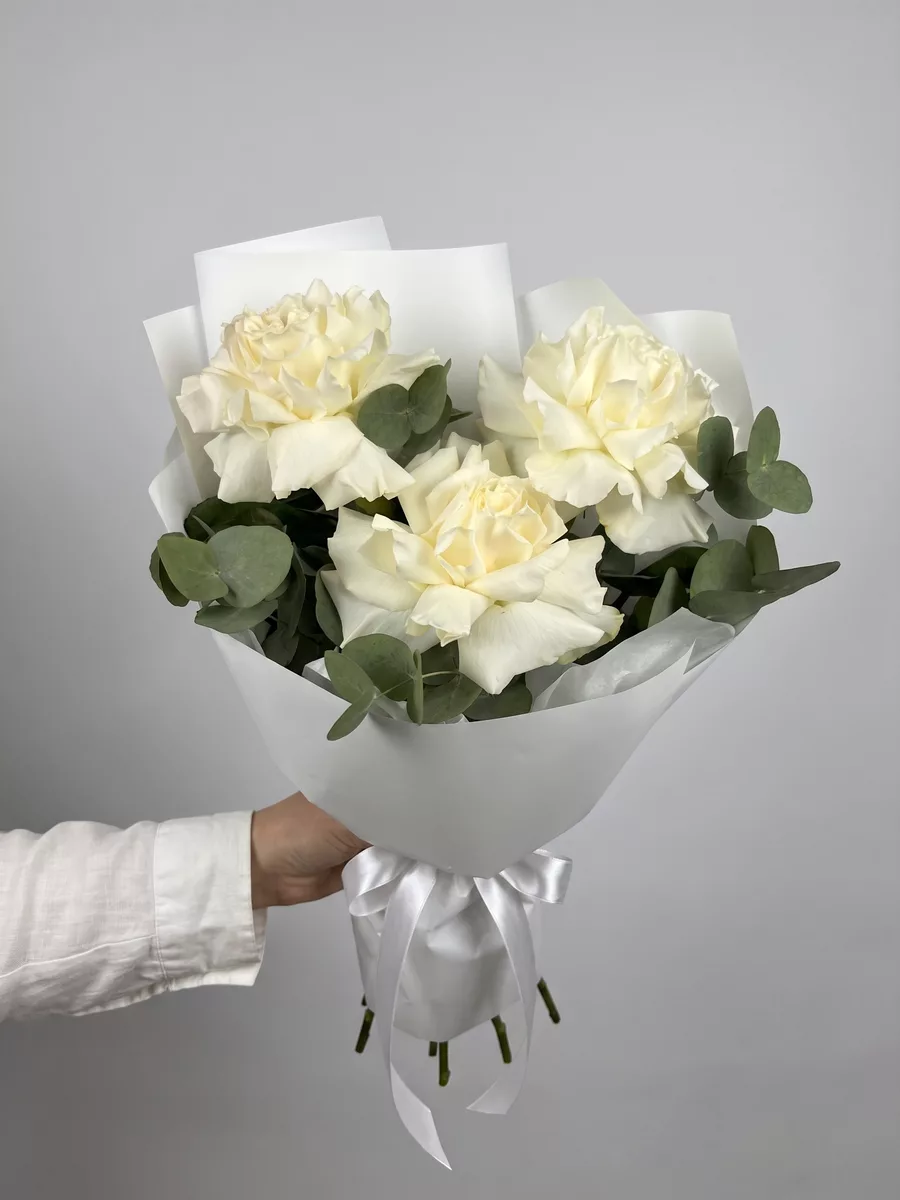
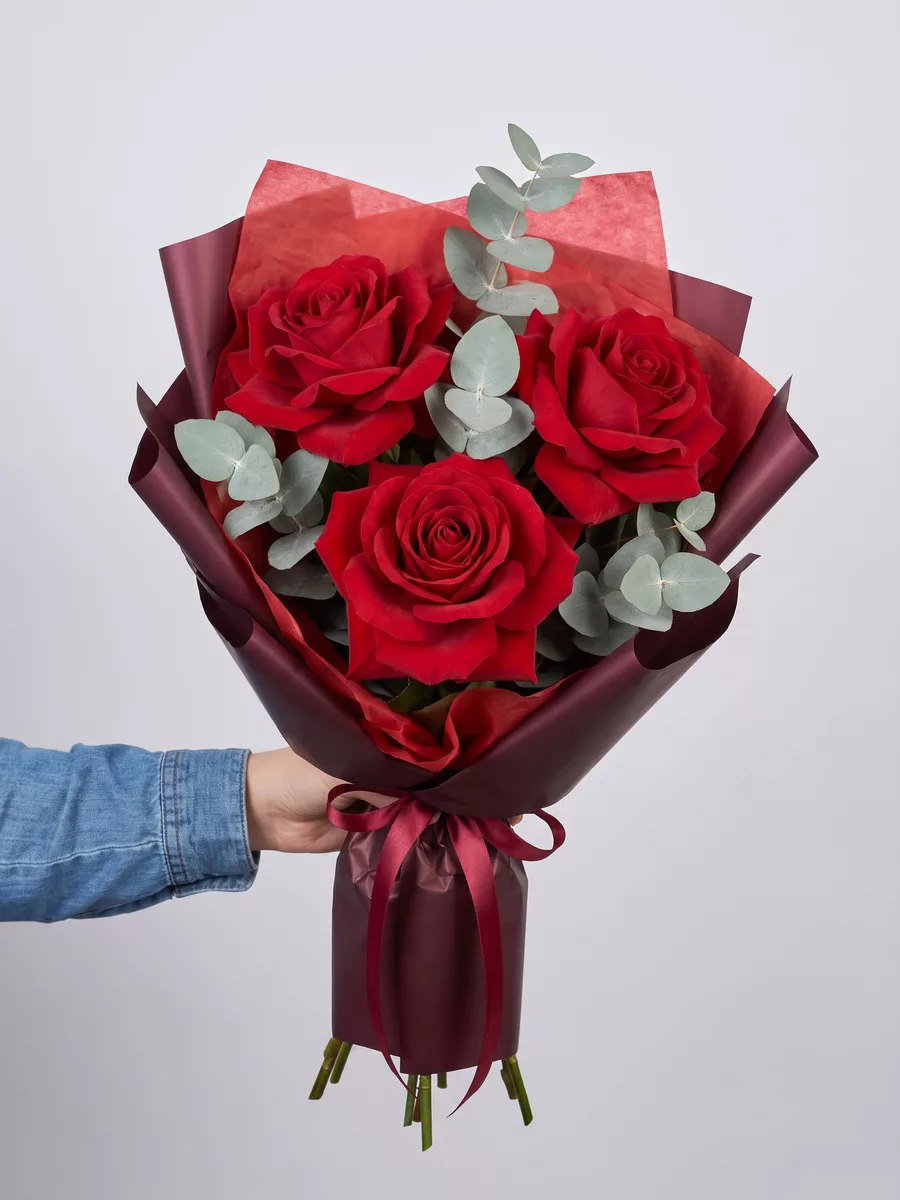
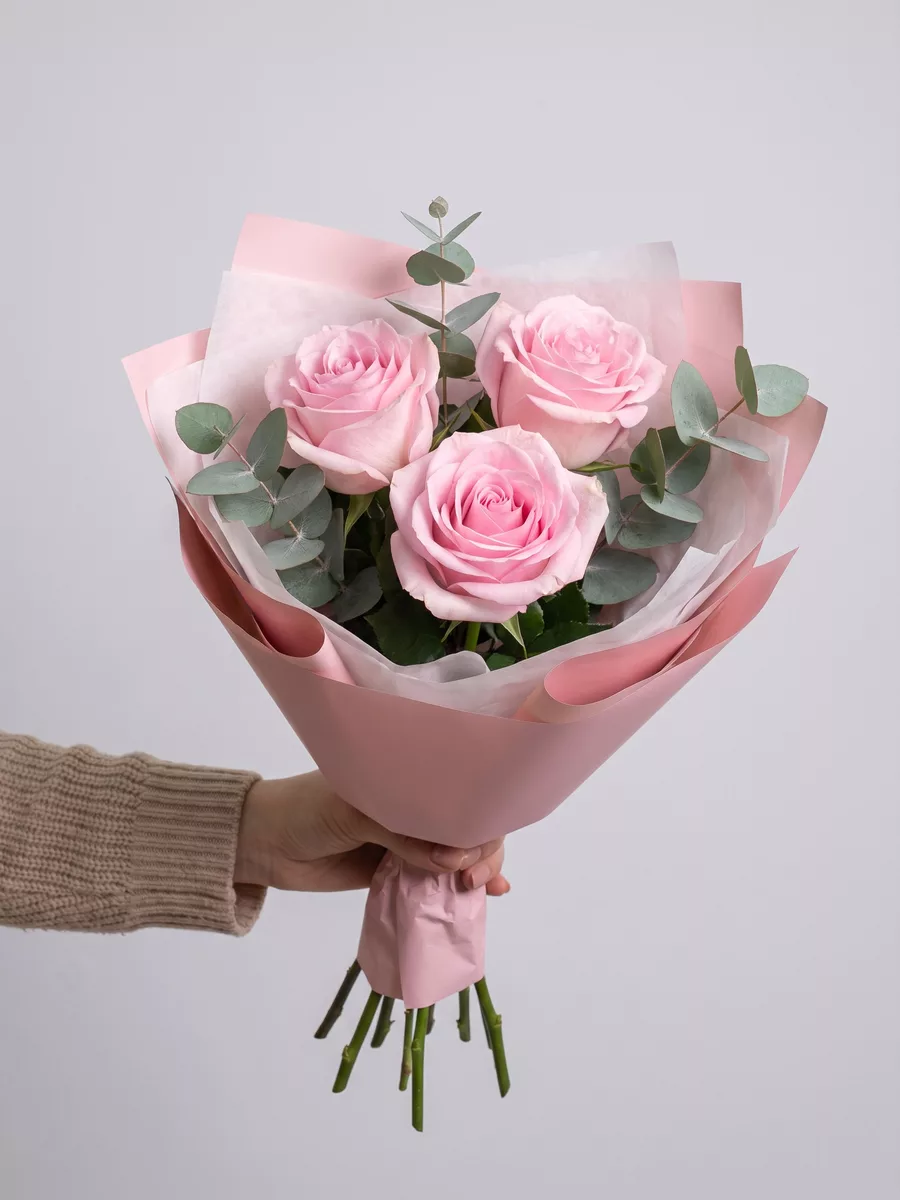
Bouquets we can deliver

Reading the Occasion Before You Choose a Single Stem
Russian flower-giving culture is specific in ways that can surprise a sender from outside the country. The number of stems in a bouquet carries meaning: an odd number is for celebrations and living people, while an even number is associated with mourning. This is not a superstition to dismiss — your recipient will notice immediately, and so will anyone standing nearby. Always confirm your bouquet has an odd stem count: five, seven, nine, eleven and so on.
The occasion shapes everything else. A birthday calls for something generous and colourful — full-headed garden roses, lisianthus in cream or violet, or a mixed bouquet with seasonal greenery. A new baby in the family traditionally calls for soft whites and pale pinks, often with delicate fillers like gypsophila or waxflower. An anniversary leans toward elegance: long-stemmed roses in a single colour, or peonies in season, wrapped simply rather than crowded with accessories.
If you are celebrating a professional achievement — a promotion, a defence of a dissertation, a first day at a new job — Russians often give flowers for these moments too, and a bouquet that feels bold and deliberate suits the occasion well. Sunflowers, bright gerberas or a structured arrangement with solidago and spray roses all read as confident and celebratory. When in doubt about the occasion, choose warmth over minimalism: a generous bouquet is almost never the wrong call in Russian culture.
Seasonal Realities: What Grows, What Travels and What Arrives Beautifully
Zaraysk has a continental climate with cold winters and warm summers. January and February bring temperatures that regularly drop below minus fifteen Celsius, which affects how flowers are transported and how long they survive once delivered. In deep winter, tropical varieties like anthuriums and strelitzia are vulnerable to cold shock during the last stretch of delivery. Roses, carnations, chrysanthemums and alstroemeria handle cold transit far better and are the reliable choices for January through March orders.
Spring is one of the most rewarding times to send flowers to Russia. From late March onward, tulips are everywhere and they carry enormous cultural significance — they are the flower of International Women's Day on 8 March, which is the single biggest flower-giving day in the Russian calendar. If your recipient's birthday or anniversary falls near that date, lean into tulips: mixed colours, single colours or even a monochrome white arrangement all work beautifully.
Summer in Zaraysk is warm and humid, which means cut flowers need water quickly after delivery. Peonies peak in late May and June and are genuinely beloved by Russian recipients — a full, fragrant peony bouquet is considered one of the most luxurious gifts a florist can offer. Sunflowers thrive in July and August and feel right for the season. Autumn brings dahlias, lisianthus and the last garden roses before the cold returns. Knowing the season lets you choose something that looks intentional rather than generic.
Choosing by the Recipient, Not Just by the Flower Name
Think about the person first. A woman in her sixties who keeps a dacha garden will respond to something that looks like it was cut that morning — loose stems of eustoma, branches of hypericum berry, or garden roses with open faces rather than tight buds. She knows flowers and will appreciate a bouquet that does not look like it came from a supermarket shelf.
A younger recipient in her twenties or thirties might love something more graphic and contemporary — a tightly packed dome of spray roses in a single tone, a monochrome arrangement of white ranunculus, or a structured bouquet with strong foliage like eucalyptus or ruscus. This generation is influenced by the same visual trends you see internationally, and a bouquet that feels considered and stylish will resonate.
For a man — and Russians do give flowers to men, particularly for birthdays and professional milestones — choose something structured and bold rather than delicate. A bouquet built around deep burgundy roses, strong stems of alstroemeria, or sunflowers with minimal filler reads as a genuine gift rather than an afterthought. The presentation matters as much as the flowers: clean wrapping in kraft paper or a solid-colour sleeve looks more intentional than cellophane with ribbons.
Children and teenagers are a category senders sometimes overlook. A small, cheerful bouquet of bright gerberas or mixed tulips in vivid colours is a lovely gesture for a graduation, a recital or a school achievement. Keep it simple and energetic rather than formal.
The Ordering Process When You Are Outside Russia
Placing an order from abroad is straightforward, but a few practical points make it go more smoothly. The delivery address needs to be complete: in Zaraysk, that means the street name in Russian if possible, the building number, the apartment or flat number, and a working phone number for the recipient. Russian addresses follow a specific format — oblast, city, street, building, apartment — and a missing apartment number is the most common reason a delivery is delayed or requires a callback.
If you do not know the exact address, you can sometimes arrange delivery to a workplace or a public meeting point, but a residential address is always cleaner. Ask your recipient casually, or check with a mutual contact. It is also worth knowing whether the recipient lives in a building with an entry code or an intercom — your florist will need that information to get to the door.
Payment from abroad is handled online in most cases. International cards are accepted, and the currency conversion happens automatically. The price you see is in Russian roubles, so check the equivalent in your currency before confirming. Some senders prefer to add a handwritten card message — this is absolutely possible, and you can write it in English if your recipient reads English, or ask for transliteration help if you want to write something in Russian. A personal message, even a short one, transforms a flower delivery into something genuinely memorable for the person receiving it.
What Your Recipient Should Do When the Flowers Arrive
Many people outside Russia assume the recipient will know exactly how to care for cut flowers, but this is worth spelling out — especially if you want the bouquet to last. The first thing your recipient should do is unwrap the flowers immediately and cut the stems at a diagonal, about two centimetres from the bottom, using scissors rather than tearing. A diagonal cut increases the surface area through which the stem draws water.
The vase should be clean and filled with cool, not cold, water. Flower food sachets, if included with the bouquet, should be dissolved in the water before the stems go in. Remove any leaves that would sit below the waterline — they rot quickly and cloud the water, which shortens the life of the entire bouquet. Change the water every two days and re-cut the stems each time.
Placement in the room matters more than most people realise. Flowers last significantly longer away from direct sunlight, heating radiators and draughts. In a Zaraysk apartment in winter, the radiators run hot — a spot on a cool windowsill away from the heat source is ideal. In summer, avoid leaving flowers near an open window in direct afternoon sun.
Roses typically last seven to ten days with good care. Tulips are shorter-lived but open beautifully over three to five days. Chrysanthemums and alstroemeria are among the longest-lasting cut flowers and can hold for two weeks if the water is changed regularly. Peonies, though brief, are spectacular for five to seven days and fill a room with fragrance.
Common Mistakes Senders from Abroad Make and How to Avoid Them
The most frequent mistake is underestimating the time zone difference and placing an order too late for same-day delivery. If you want flowers to arrive at a specific time — during a birthday dinner, for example, or before a guest leaves the house — work backwards from that moment using Moscow time, not your local time. Building in an extra hour of buffer is always worth it.
The second common mistake is choosing an even number of stems without realising the cultural implication. This is easy to avoid: simply confirm the stem count when you order, or let the florist compose the bouquet with the occasion in mind. A florist who understands the occasion will automatically use the right count.
A third mistake is writing a card message that is too formal or too brief. Russian recipients are expressive and warm, and a card that says only Happy Birthday feels thin compared to what the gesture deserves. Write something genuine, even if it is two or three sentences. If you are not sure how to phrase it, imagine speaking directly to the person and write that.
Finally, some senders forget to include a phone number for the recipient, or provide a number that is switched off. The delivery driver may need to call ahead, especially in a building with a locked entrance. Double-check that the number is current and that your recipient's phone will be on during the delivery window. These small details are the difference between a smooth delivery and a frustrating one for everyone involved.
Sending flowers to Zaraysk from abroad is entirely possible and, when done with a little preparation, genuinely moving for the person who receives them. The distance between you and your recipient does not have to show in the bouquet — a well-chosen arrangement, delivered on time with a personal message, says everything you want it to say. Think about who they are, what the moment means, and what will still be beautiful on their table three days later. The rest is logistics, and that part is handled for you.
Frequently asked questions
Can I send flowers to Zaraysk from abroad on the same day I order?
Yes, same-day delivery is possible if you place your order early enough in the Moscow time zone, which is UTC plus three. Orders placed before early afternoon Moscow time typically reach recipients the same day. If you are ordering from a significantly different time zone, calculate the Moscow time first to avoid missing the window.
Does the number of flowers in a Russian bouquet really matter?
It matters very much to Russian recipients. An odd number of stems is the standard for any celebratory or personal gift — birthdays, anniversaries, professional milestones. An even number is associated with mourning and will be noticed immediately. Always confirm your bouquet has an odd stem count, or let the florist compose it with the occasion in mind.
What flowers hold up best in Zaraysk's cold winters during delivery?
Roses, carnations, chrysanthemums and alstroemeria are the most cold-tolerant cut flowers and travel well even in sub-zero temperatures. Tropical varieties like anthuriums and strelitzia are more vulnerable to cold shock during transit in January and February. Sticking to cold-hardy varieties in winter gives your recipient a bouquet that arrives in full condition.
Can I write the card message in English for a Russian recipient?
Absolutely. If your recipient reads English, an English message is perfectly fine and often feels more personal because it is your natural voice. If you would like the message transliterated into Russian or written in Cyrillic, mention this when placing your order and the florist can assist. A genuine message in any language means more than a formal phrase in the wrong one.
How do I provide the delivery address if I do not know it in Russian?
You can write the address in Latin characters and the florist will convert it. The essential details are the street name, building number, apartment number and a working mobile number for the recipient. The apartment number and phone number are the two most critical pieces — without them, delivery in a residential building becomes significantly more complicated and may require a callback.
Ready to send flowers?
Pick the city, choose the bouquet, and a local florist takes it from there.
Choose a city →