Sending Flowers to Zavolzhe from Abroad? Read This First
You are somewhere far from Russia — maybe London, Dubai, New York or Berlin — and someone you love is in Zavolzhe, a quiet industrial town on the Volga in the Nizhny Novgorod region. You want to send them flowers, but you are not sure how delivery works across that distance, what to order, or whether the bouquet will actually arrive looking the way it does in the photograph. These are exactly the right questions to ask before you place the order, and this article answers all of them plainly.
Why Zavolzhe Is Worth Getting Right
Zavolzhe sits on the left bank of the Volga, directly across from Gorodets, and it is the kind of town where a flower delivery is genuinely noticed. This is not a city where people receive bouquets every other week. When flowers arrive at a door in Zavolzhe, they carry real weight — neighbours see them, family members talk about them, and the recipient remembers the gesture for a long time. That context should shape everything you choose, from the variety to the wrapping.
For a sender abroad, the emotional stakes are even higher. You cannot be there in person, so the bouquet is doing the work of your presence. It needs to look generous, feel considered, and arrive in a condition that says the sender cared enough to get the details right. A wilted bouquet or a generic supermarket-style arrangement would undercut everything you intended.
Turboflora delivers to Zavolzhe from Saint Petersburg with a one-to-two-hour delivery window, which means the flowers leave our studio fresh and travel fast. The distance is real, but the logistics are built for it. Your job as the sender is to choose the right flowers for the person and the season, and to give us a reliable contact number for the recipient so the courier can coordinate arrival. Everything else is handled on the Russian end.
Bouquets we can deliver

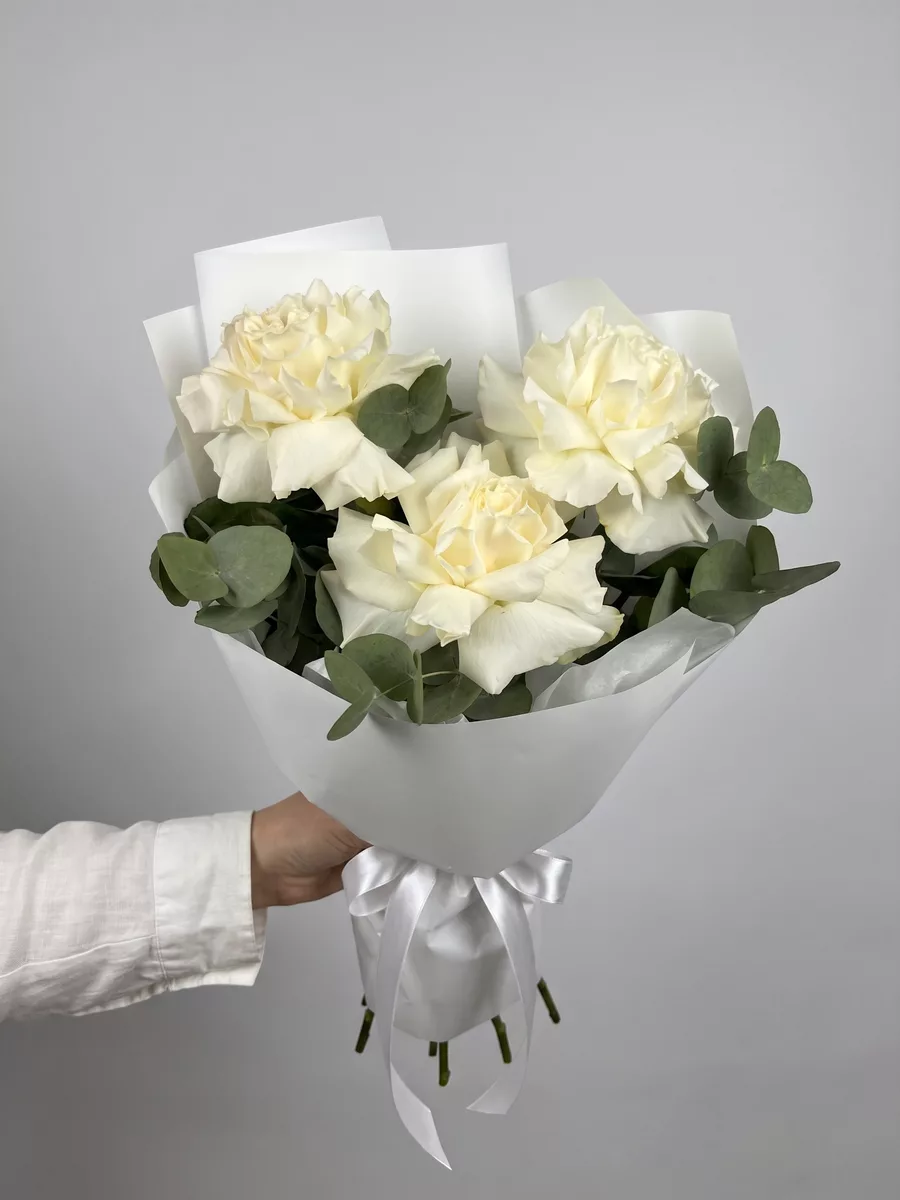
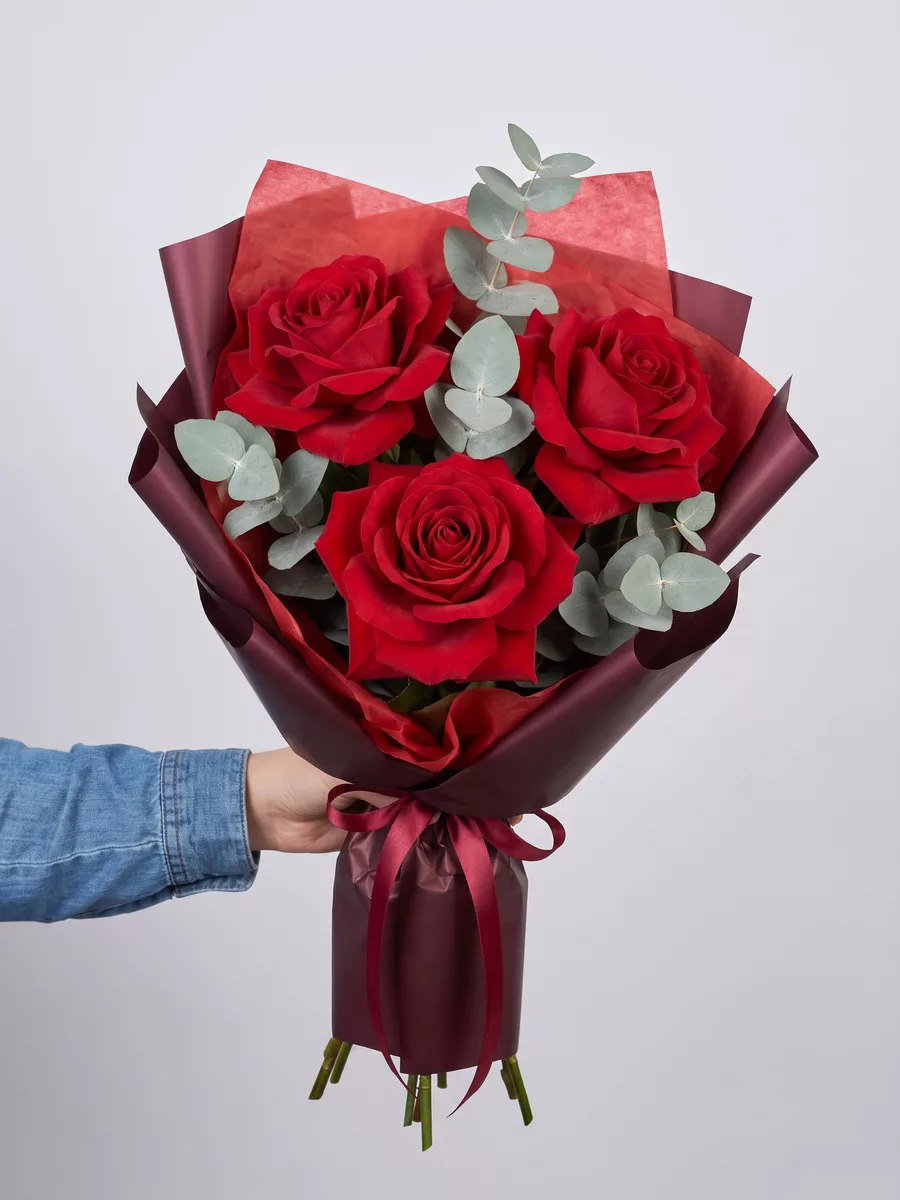
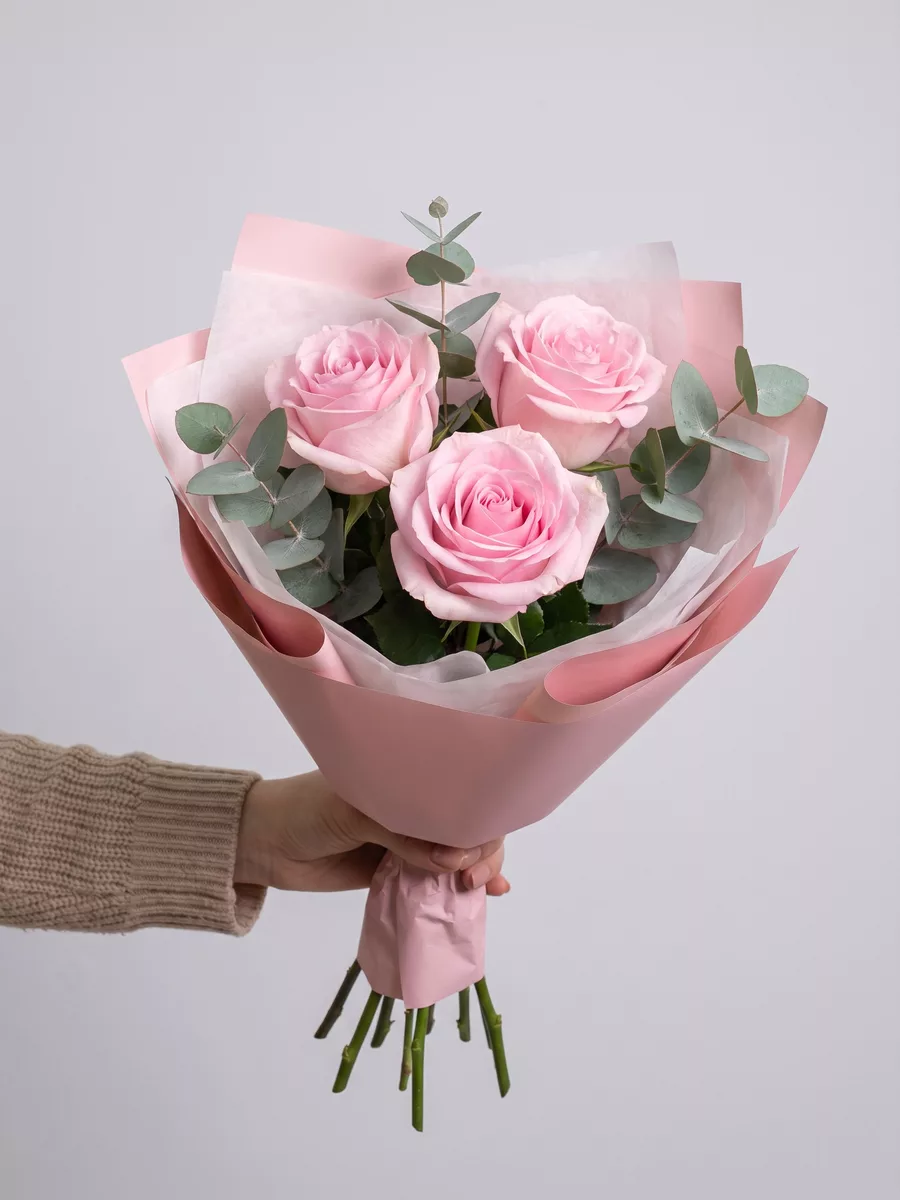
Understanding the Russian Gifting Tradition Before You Order
Russia has a few flower customs that catch international senders off guard, and knowing them in advance saves you from an awkward moment on the recipient's end. The most important one is the odd-number rule. In Russian tradition, even numbers of flowers are associated with mourning and funerals, so bouquets are always made with an odd count — five roses, seven stems of alstroemeria, eleven tulips. This is not a superstition that only older generations follow; it is widely observed across all ages and regions, including Zavolzhe.
When you are ordering from abroad, check that the bouquet you select follows this convention. At Turboflora, our arrangements are composed with this in mind, so you do not need to count stems yourself — but it is worth knowing why the numbers look the way they do.
A second custom worth understanding is the Russian appreciation for lush, full bouquets. A single-stem rose reads as romantic in some Western contexts, but in Russia a bouquet that feels abundant signals generosity and genuine affection. Volume matters. Combining a focal flower like a peony or a garden rose with supporting textures — eucalyptus, waxflower, ruscus — creates the sense of fullness that Russian recipients tend to associate with a meaningful gift. If you are sending for a birthday or a professional achievement, lean toward a bouquet that feels celebratory in scale, not minimal.
Choosing Flowers for the Season in the Volga Region
Zavolzhe experiences a proper continental climate. Winters are cold and long, with temperatures regularly dropping below minus fifteen degrees Celsius between December and February. Summers are warm and sometimes hot, reaching thirty degrees in July and August. The season you are sending in should directly influence what you order, both for aesthetic reasons and for practical ones.
In winter, cold-hardy flowers travel better and look more appropriate. Roses, chrysanthemums, and alstroemeria hold up well in low temperatures and feel seasonally right. Avoid tropical varieties like bird of paradise or anthuriums in deep winter deliveries — not because they cannot survive transport, but because they can look incongruous against the snow and frost of a Volga January. Spray roses and hypericum berries make beautiful winter combinations that feel warm and considered.
Spring is tulip season across Russia, and Zavolzhe is no exception. Between late February and early April, tulips — especially parrot varieties and double tulips like Angelique — are the flower most associated with celebration and new beginnings. This is the season of International Women's Day on the eighth of March, when flower gifting peaks across the country. If you are sending around that date, order early in the week and specify a morning delivery to avoid the heaviest demand window.
Summer opens up peonies, lisianthus, and garden roses. Autumn calls for dahlias, sunflowers, and rich berry tones. Matching the season makes the bouquet feel genuinely thoughtful rather than ordered from a catalogue without context.
How to Choose by the Occasion and the Person
Start with the recipient, not the flower. A woman in her sixties who tends a dacha garden will respond differently to a bouquet than a young professional woman celebrating a promotion. The first might love something that echoes her garden — stocks, sweet william, garden roses in soft pinks and creams. The second might appreciate something bolder and more architectural — calla lilies, anthuriums, or a monochromatic rose arrangement in deep burgundy or coral.
For birthdays, the guiding principle is abundance and warmth. Peonies in season are almost universally beloved in Russia and read as a luxury gift. Out of season, large-headed garden roses or premium David Austin varieties carry the same emotional register. Pair them with eucalyptus for fragrance and texture, and you have something that feels genuinely special rather than routine.
For professional achievements or congratulations — a graduation, a new job, a work anniversary — flowers that feel structured and confident work well. White and cream tones with green accents feel polished. Eustoma, also called lisianthus, is an excellent choice here: it looks expensive, lasts well in a vase, and is not so commonly seen that it feels generic.
For a thank-you or a gesture of affection between friends, mixed seasonal bouquets with a clear colour story — all warm tones, or all cool blues and purples — feel personal without being overly romantic. Irises, anemones, and ranunculus all work beautifully in this register and are widely available through most of the year.
Navigating the Order Process from Outside Russia
Ordering from abroad is straightforward, but a few practical details make the difference between a smooth delivery and a stressful one. The most critical piece of information is the recipient's phone number in correct Russian format. Russian mobile numbers follow the pattern plus seven followed by ten digits. If you only have the number in a local format without the country code, add the plus seven prefix before the ten-digit number. The courier will call ahead to confirm arrival, and without a working number the delivery cannot proceed.
Address precision matters more in smaller towns than in large cities. Zavolzhe has a relatively compact layout, but building numbers, apartment numbers, and entrance codes for residential buildings are all necessary. If you are not sure of the full address, ask the recipient's family member or a mutual friend — framing it as wanting to send a surprise usually keeps the secret intact.
Time zones are another thing to plan around. Zavolzhe operates on Moscow Time, which is UTC plus three. There is no daylight saving adjustment in Russia, so the offset from your location is fixed year-round. If you are in Western Europe, Moscow Time is two or three hours ahead of you depending on the season. If you are in North America, the difference is eight to eleven hours. Place your order in the morning Zavolzhe time to allow the widest delivery window and to ensure the flowers arrive while the recipient is likely to be home.
Leave a note with your order specifying any message you want included on the card. We translate nothing automatically, so write the card text in Russian if you can, or in English if you prefer — our team will handle the presentation.
What Happens to the Flowers After Delivery: Care in a Russian Home
Once the bouquet arrives, its vase life depends almost entirely on what the recipient does in the first hour. Most Russian homes have a good instinct for flower care — cutting stems and changing water is common knowledge — but a short note with the delivery can reinforce the right habits and extend the life of what you sent.
For roses, a diagonal cut of about two centimetres under running water, followed by placement in a clean vase with cool water, is the baseline. Roses last five to ten days with daily water changes and a trim every two days. Keep them away from direct sunlight and away from fruit bowls — ethylene gas from ripening fruit shortens vase life noticeably.
Tulips continue to grow after cutting and will lean toward any light source in the room. A recipient who wants them to stay upright should rotate the vase every day and keep the water cold — tulips prefer cooler water than roses do. They typically last five to seven days.
Peonies, when they arrive in bud, can take a day or two to open fully. This is normal and not a sign that something went wrong. Placing them in a warm room speeds opening; a cooler room slows it and extends their display life. Once fully open, peonies last four to six days.
Lisianthus and alstroemeria are among the longest-lasting cut flowers available, often remaining presentable for ten to fourteen days with basic care. These are excellent choices if you know the recipient has a busy week and may not be home to tend to a more delicate arrangement every day.
Common Mistakes Senders from Abroad Make and How to Avoid Them
The most common mistake is ordering too late in the day for the recipient's time zone. A sender in Los Angeles placing an order at noon their time is placing it at eleven in the evening Moscow Time. The order may be processed, but delivery will fall the following morning at the earliest. If the occasion is time-sensitive — a birthday morning, an anniversary dinner — calculate the delivery window in Zavolzhe time, not your local time, and order accordingly.
A second mistake is choosing flowers based on what looks impressive in a website photograph rather than what suits the person or the season. Large tropical arrangements with birds of paradise and proteas look striking on screen but can feel out of place in a domestic Zavolzhe apartment in February. Choosing something seasonally appropriate and personally suited to the recipient will always land better than something visually dramatic but contextually wrong.
Third, some senders forget to include a card or write a message too briefly. In Russian gifting culture, the accompanying note carries real significance. Even a few warm sentences — written in either language — make the difference between a beautiful anonymous delivery and a gift that clearly came from someone who thought about it. If you are writing in English, keep the language simple and warm; overly formal or corporate phrasing can feel cold.
Finally, do not assume the recipient will be home. If they work daytime hours, a lunchtime or early evening delivery window is more reliable than a morning one. If you know their schedule, share it with us in the order notes. A missed delivery in a small town is harder to reroute than in a large city, so getting the timing right from the start protects the entire gesture.
Sending flowers to Zavolzhe from the other side of the world is a genuinely meaningful act, and it is more achievable than it might seem from a distance. The key is in the details: the right flowers for the season and the person, a confirmed phone number and full address, a delivery window that accounts for the time zone, and a card that says something real. When all of those elements come together, what arrives at the door in Zavolzhe is not just a bouquet — it is the clearest possible signal that someone far away was thinking carefully about the person receiving it.
Frequently asked questions
Why does Turboflora send from Saint Petersburg rather than from a florist already in Zavolzhe?
Zavolzhe is a small town without the kind of professional studio infrastructure that can reliably produce a considered bouquet at short notice. Sending from Saint Petersburg means the flowers are arranged by experienced florists using fresh stock, then couriered directly to the address. The one-to-two-hour delivery window is tight enough that quality holds from studio to door.
Does the odd-number rule apply to every bouquet I send to Zavolzhe, or only funerals?
Even numbers are reserved for mourning in Russian tradition, so for any celebratory or affectionate occasion you want an odd count — three, five, seven, nine stems or more. This applies whether you are sending for a birthday, an anniversary, a name day or simply to say you are thinking of someone. It is one of those details that recipients notice immediately and that signals the sender understood the culture.
What flowers actually travel well on the route from Saint Petersburg to Zavolzhe without losing their appearance?
Roses, chrysanthemums, alstroemerias and spray carnations are all reliable travellers. They hold their shape under courier conditions and open properly once they are in water at the recipient's home. Delicate open blooms like garden peonies or ranunculus are better ordered in season when they are at their sturdiest, rather than forced out of season when they bruise more easily in transit.
The person I am sending to lives alone in Zavolzhe — how do I make sure the bouquet actually reaches them?
The most important step is giving us a working mobile number for the recipient. The courier will call ahead to confirm they are home before making the final approach. If you want the delivery to be a surprise, a trusted neighbour or family member can receive it instead. Zavolzhe is the kind of close-knit town where that arrangement is perfectly natural and neighbours are usually willing.
I am sending flowers to Zavolzhe for a birthday but I do not know what the recipient's taste is — what is a safe combination that still feels generous?
A mixed bouquet built around roses with supporting texture from greenery or smaller seasonal flowers reads as warm and considered without being too specific. Avoid all-white arrangements for celebrations, as white carries funerary associations for many Russian recipients. Soft pinks, corals, yellows and creams are universally well received and photograph beautifully, which matters because in a town like Zavolzhe the bouquet will almost certainly be shared on social media or shown to family.
Ready to send flowers?
Pick the city, choose the bouquet, and a local florist takes it from there.
Choose a city →