Sending Flowers to Zelenokumsk from Abroad: A Sender's Practical Guide
Zelenokumsk sits in the Stavropol region of southern Russia, a city where a flower delivery from someone overseas carries real weight. The gesture alone says something — that you thought of this person across time zones, figured out the logistics, and made it happen. This article is for exactly that sender: someone outside Russia who wants the flowers to arrive fresh, to look generous, and to mean something to the person opening the door.
Why Zelenokumsk Is Worth the Extra Planning
Zelenokumsk is not Moscow or Saint Petersburg. It is a mid-sized city in the Stavropol Krai, a region with a warm continental climate and a strong culture of celebration around flowers. People here receive bouquets for birthdays, anniversaries, graduations, and professional milestones with genuine enthusiasm. A delivery from abroad will likely be talked about — in the best way possible.
Because the city is not a major logistics hub, the sender needs to plan a little more carefully than they would for a capital city order. Lead time matters. Ordering several hours ahead of the desired delivery window is strongly recommended, and same-day orders placed before noon local Zelenokumsk time have the best chance of arriving within that same afternoon.
Zelenokumsk is in the UTC+3 time zone, the same as Moscow. If you are calling or messaging from Western Europe, that is two hours ahead of you. From the United States East Coast, it is eight hours ahead. Keep that gap in mind when you are deciding when to place your order, because a message sent at 9 p.m. your time may land at 4 a.m. local time — too late for a morning surprise but perfectly timed for an afternoon one.
The city's relatively warm summers and mild autumns mean that heat is a genuine concern from May through September. Choosing heat-tolerant varieties during those months will make a visible difference in how the bouquet looks when it arrives at the door.
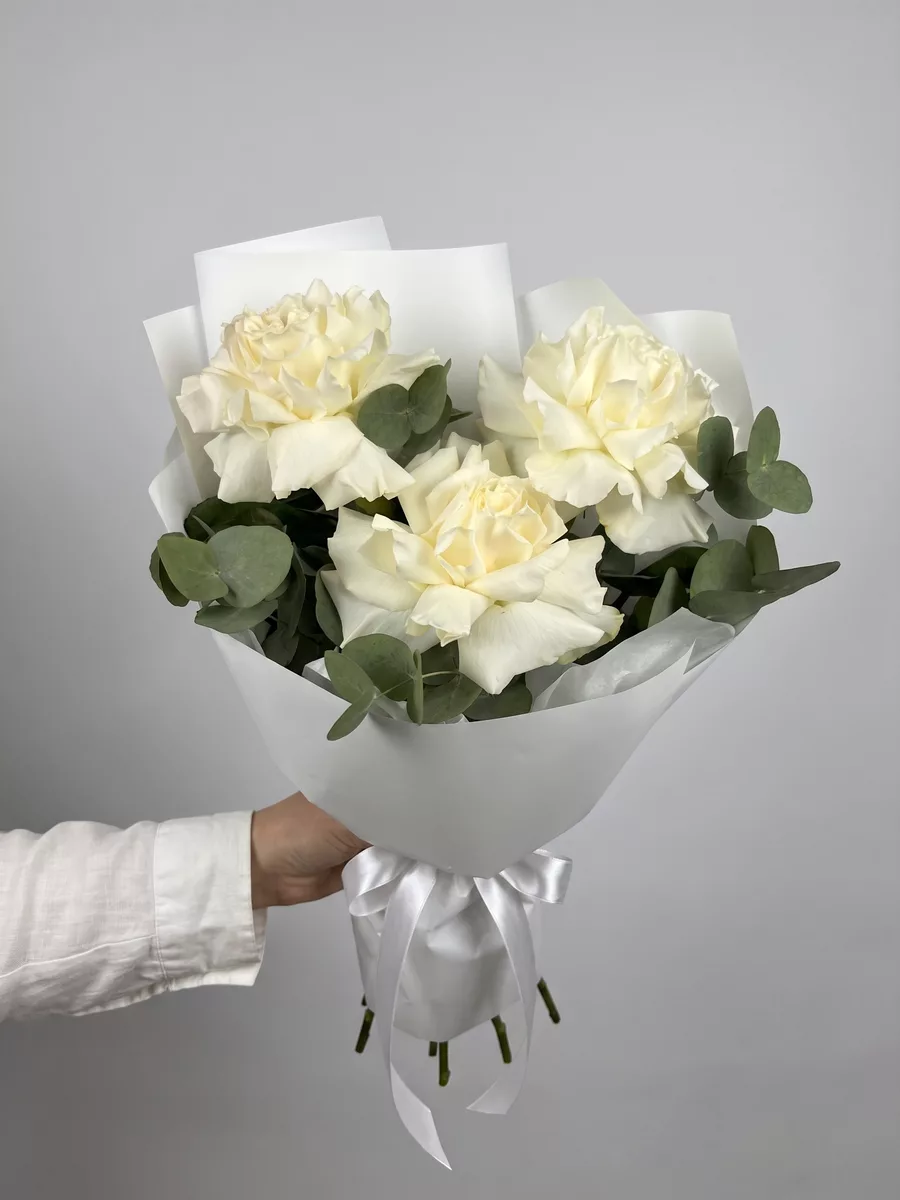
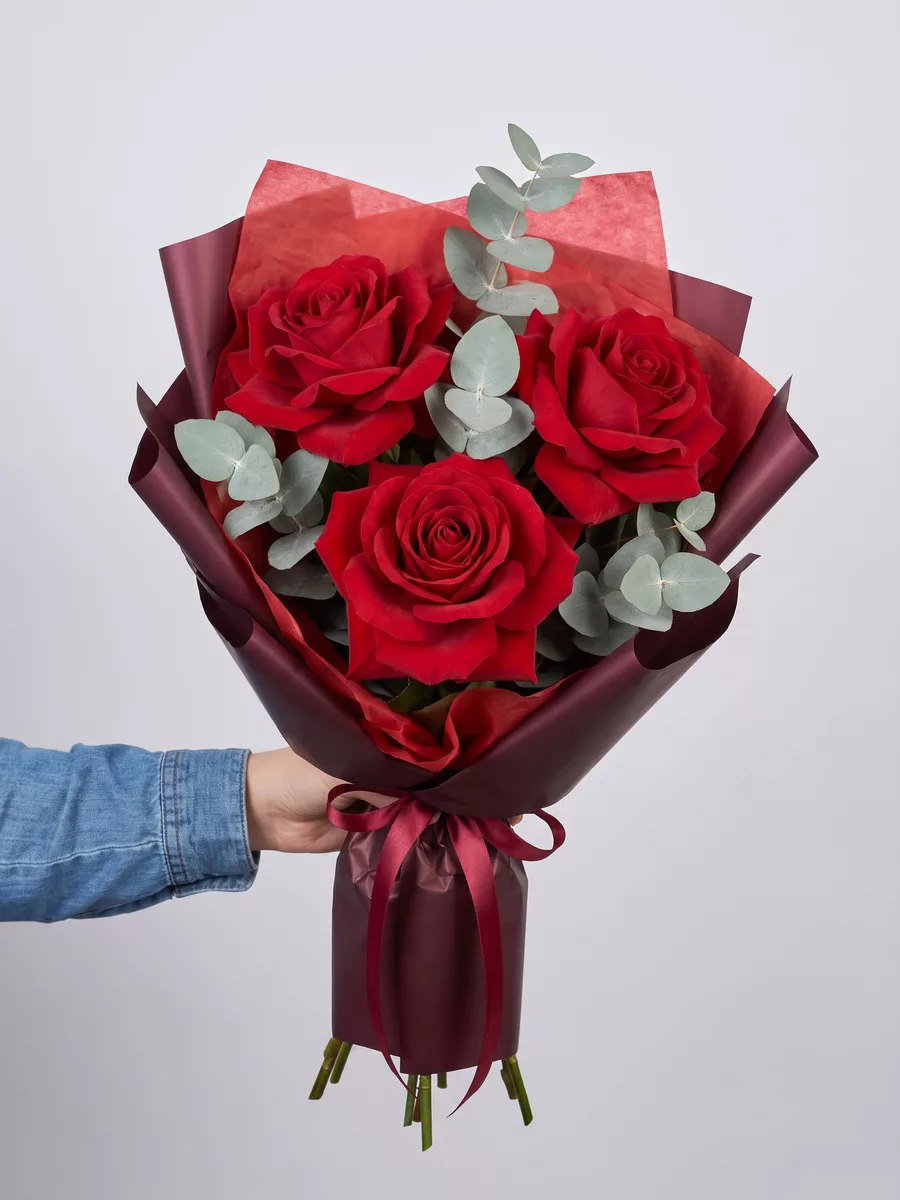
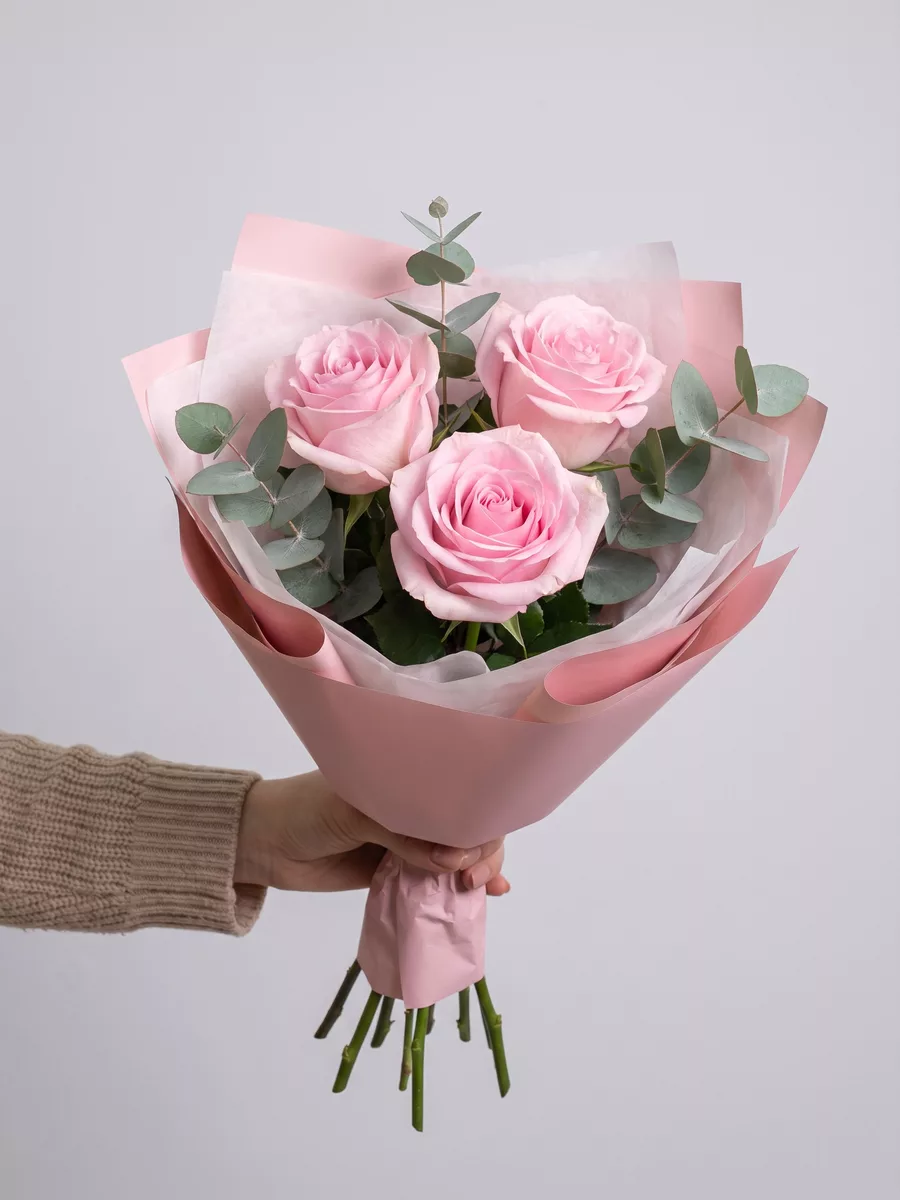
Bouquets we can deliver

Reading the Occasion Before You Choose the Flowers
The flowers you send should start with the person, not the catalogue. Think about who is receiving them and what they will feel when they open the door. A woman turning fifty wants something different from a young colleague celebrating a promotion. A grandmother who grew up in Soviet-era Russia has a different relationship with carnations than a twenty-five-year-old who sees them as retro-chic.
In Russian flower culture, odd numbers are the rule for celebratory bouquets. A bouquet of seven roses, nine peonies, or eleven mixed stems reads as festive and intentional. Even numbers are reserved for mourning, so avoid them entirely. This is one of the most important things an international sender can know, because it is not obvious from outside the culture and a well-meaning even-numbered bouquet can cause confusion.
Colour carries meaning too, though less rigidly than the number rule. Red roses signal romantic love clearly and universally. White flowers are elegant but have associations with formality and solemnity, so they work better as accents than as the dominant colour in a celebratory arrangement. Warm tones — coral, peach, yellow, deep orange — read as joyful and are rarely misread in any context.
If you are unsure of the recipient's taste, a mixed bouquet built around a single focal flower with complementary greenery almost always lands well. Roses with eucalyptus, lisianthus with ruscus, or spray chrysanthemums with seasonal foliage are combinations that feel considered without being risky. Asking yourself what would make this specific person smile is always the right starting point.
Seasonal Realities and What Grows Well in Southern Russia
The Stavropol region has genuine seasons, and they affect what flowers look their best at any given time of year. Spring, from March through May, is the prime season. This is when tulips, ranunculus, and early peonies are at their freshest and most affordable. March 8th, International Women's Day, is the single biggest flower holiday in Russia — demand spikes dramatically in the week before it, so ordering early is not just helpful, it is essential.
Summer brings heat that stresses delicate varieties. Roses hold up reasonably well if they are cut and conditioned properly, but garden-style arrangements with lisianthus, alstroemeria, and statice travel better in warm temperatures than arrangements built around hydrangeas or sweet peas. Hydrangeas wilt quickly above 25 degrees Celsius and should be avoided in July and August deliveries unless the recipient has immediate access to a cool interior.
Autumn is an underrated season for Zelenokumsk deliveries. Chrysanthemums, which are enormously popular across Russia and not the funeral flower they are sometimes considered in Western Europe, come into their peak season in September and October. A large-headed chrysanthemum arrangement in rust, burgundy, or gold looks genuinely seasonal and impressive. Dahlias are another strong autumn choice when available.
Winter deliveries from December through February lean heavily on roses, carnations, and imported tropical stems like anthuriums and orchid branches. These varieties are bred for long transit and handle cold packaging well. A monobouquet of long-stemmed red or white roses in winter is a classic that never feels lazy when presented with good wrapping and a handwritten note.
Budget and What It Actually Gets You
Thinking about budget from abroad often means guessing what a Russian flower order actually looks like in real terms. The honest answer is that the number of stems matters less than the composition and presentation. A tight bouquet of fifteen alstroemeria wrapped in kraft paper with a satin ribbon looks more generous than a loose arrangement of the same number of mixed stems thrown together without structure.
At a modest budget, a single-variety bouquet is almost always the right choice. Seven or nine spray roses, a bunch of seasonal tulips in spring, or a wrapped bundle of lisianthus all read as intentional and complete. They do not look like the sender cut corners — they look like the sender made a clear decision.
At a mid-range budget, you can introduce a focal flower and supporting elements. Think of a central cluster of garden roses surrounded by wax flower and eucalyptus, or a peony-forward arrangement with ranunculus and Italian ruscus filling the gaps. These combinations have visual depth and photograph beautifully, which matters because the recipient will almost certainly take a picture to send you.
At a higher budget, scale and drama become available. Large-headed roses in a dense round arrangement, a tall statement bouquet of mixed seasonal flowers with premium greenery, or a box arrangement rather than a wrapped bouquet all signal real generosity. Box arrangements — flowers packed into a decorative box or hat box rather than wrapped in paper — have become extremely popular across Russia in the last several years and are often perceived as more luxurious than a traditional bouquet of the same value.
Whatever the budget, always add a card. It is the detail that makes the delivery feel complete.
How to Place an Order from Outside Russia Without Confusion
Ordering internationally to Zelenokumsk is straightforward if you approach it methodically. The first thing to confirm is the recipient's exact address, including the apartment number, entrance number, and floor. Russian apartment buildings — called mnogokvartirnye doma — often have multiple entrances on the same street address, and a delivery without the entrance number can be delayed or missed entirely.
When you place the order, write the recipient's name as it appears on their door or as they would recognise it. Using a romanised version of a Russian name can cause confusion. If you know the name in Cyrillic, include it. If not, write it phonetically and add a note.
Provide a working local phone number for the recipient. Delivery staff will call ahead to confirm the person is home, especially for apartment buildings. If the recipient is at work or away from home during the delivery window, let the florist know in advance so they can coordinate timing. Surprise deliveries to workplaces are entirely possible and often very well received — just confirm the workplace address and any reception or security desk instructions.
Pay attention to the card message. This is your voice in the room. Write something specific rather than generic. A message that references a shared memory, an inside joke, or a specific reason for the occasion will mean far more than a standard greeting. You can write in English and request that it be printed as-is — the recipient will appreciate the personal touch even if they need a moment to translate it.
Keeping the Flowers Fresh After Delivery
You will not be in the room when the flowers arrive, but you can still influence how long they last by including care instructions with the order or by sending them separately. Most recipients appreciate a simple note that tells them what to do, especially if they are not in the habit of receiving fresh flower deliveries regularly.
The first step is always a fresh cut. Stems should be cut at a diagonal with a sharp knife or scissors, removing about two centimetres from the bottom. This opens the vascular tissue and allows the stem to draw water efficiently. Cutting underwater or immediately transferring to water after cutting makes a noticeable difference in vase life.
Water temperature matters depending on the variety. Most cut flowers prefer cool water, around 15 to 18 degrees Celsius. Tulips and spring bulb flowers are particularly sensitive to warm water and will open too quickly and droop if placed in anything above room temperature. Roses are more forgiving but still benefit from cool, clean water changed every two days.
The vase location is just as important as the water. Flowers placed near a radiator, in direct sunlight, or next to a bowl of fruit will decline much faster. Ethylene gas from ripening fruit is a genuine enemy of cut flowers — it accelerates petal drop in roses and causes premature wilting in lisianthus and carnations. A cool corner away from heat sources is ideal.
Removing any leaves that sit below the waterline prevents bacterial growth, which is the most common cause of early stem blockage and wilting. A clean vase, clean water, and a cool spot will reliably add three to five days of vase life to almost any bouquet.
Making the Gesture Feel Personal from Thousands of Kilometres Away
The logistics of an international flower delivery can absorb so much attention that the personal dimension gets lost. Do not let that happen. The flowers are a vehicle for something you want the recipient to feel, and the details around the bouquet are what carry that feeling.
A handwritten card is always more powerful than a printed one, but since you cannot hand-write from abroad, the next best thing is a message that sounds like you wrote it. Avoid templates. Write the way you would speak to this person if you were in the same room. Reference something specific — their new job, the trip you took together, the years of friendship, the child who just started school. Specificity is warmth.
If the occasion is a significant birthday or anniversary, consider timing the delivery to arrive at a specific moment: first thing in the morning before work, or at the end of a workday as a closing surprise. Morning deliveries feel celebratory and set a tone for the whole day. Evening deliveries feel like an exclamation point at the end of one.
You can also coordinate with someone local — a friend or family member of the recipient — to be present when the delivery arrives, or to photograph the moment and send it to you. This turns a one-directional gesture into a shared experience across the distance.
Finally, follow up. Send a message a few hours after the expected delivery time to ask how they liked the flowers. It closes the loop and turns the delivery from a transaction into a conversation. That follow-up message is often what the recipient remembers most warmly.
Sending flowers to Zelenokumsk from abroad is one of those gestures that lands harder than almost anything you could ship in a box. It is immediate, sensory, and completely unexpected for someone who knows you are thousands of kilometres away. With the right timing, a thoughtful variety choice, and a card message that sounds like you, the bouquet becomes a real moment in that person's day — one they will remember and likely photograph and share. The distance does not diminish the gesture. If anything, it amplifies it.
Frequently asked questions
How far in advance should I order flowers to Zelenokumsk from abroad?
Ordering at least four to six hours before your desired delivery time gives the best results. For major dates like March 8th or February 14th, place the order one to two days ahead. Same-day orders placed before noon Zelenokumsk time — UTC+3 — are generally achievable, but earlier is always safer when you are coordinating across time zones.
Can I write the card message in English for a recipient in Zelenokumsk?
Yes, and many senders do. An English-language card from someone abroad actually adds to the personal feel of the delivery. If you prefer, you can write the message in your own language and add a Russian translation, but an honest message in English from someone the recipient knows and loves will be understood and appreciated exactly as intended.
What flowers should I avoid sending to Zelenokumsk in summer?
Hydrangeas, sweet peas, and garden anemones struggle in temperatures above 25 degrees Celsius and may arrive wilted during July and August. Stick to roses, alstroemeria, lisianthus, carnations, and statice in summer — these varieties are bred for resilience and handle the warm conditions of the Stavropol region much better during the hottest months.
Is it true that even-numbered bouquets are inappropriate in Russia?
Yes, this is a genuine cultural convention across Russia. Even numbers of flowers are associated with mourning and are brought to funerals. For any celebratory occasion — birthdays, anniversaries, promotions, or just a warm gesture — always choose an odd number of stems. Seven, nine, eleven, and fifteen are all common and well-received counts for a bouquet.
What if the recipient is not home when the flowers are delivered?
The delivery team will call the recipient's phone number before arriving. If no one answers and access to the building is not possible, they will attempt to reschedule or coordinate with you. Providing a working local phone number for the recipient when placing the order is the single most important step to ensuring a smooth delivery, especially to an apartment address.
Ready to send flowers?
Pick the city, choose the bouquet, and a local florist takes it from there.
Choose a city →