How to Order Flowers to Zheleznogorsk-Ilimsky from Another Country
You are somewhere far from Russia — another country, another time zone — and you want someone in Zheleznogorsk-Ilimsky to open their door and feel genuinely surprised and cared for. That is a specific wish, and it deserves a specific answer. This town in the Irkutsk region sits deep in Siberia, and sending flowers there from abroad involves a few practical details that are worth understanding before you place your order. Get them right, and what arrives will be exactly what you imagined.
Why Zheleznogorsk-Ilimsky Is Different from Sending to a Big City
Most people ordering from abroad default to thinking about Moscow or Saint Petersburg. Zheleznogorsk-Ilimsky is a smaller town in the Irkutsk region of Eastern Siberia, and that geography shapes everything about how a flower delivery works there. The distance from major flower-trading hubs means that logistics need to be planned with more care, and the local climate plays a direct role in which flowers survive the journey and which do not.
The town sits at a latitude where winters are long and genuinely cold, with temperatures regularly dropping well below minus twenty Celsius from November through March. That is not a backdrop detail — it affects which blooms are realistic to send and how they must be packaged for the final stretch of delivery. A delicate garden rose that travels beautifully in a mild European spring needs very different handling here in January.
At the same time, summer in this part of Siberia is surprisingly warm and bright, with long daylight hours that make seasonal flowers particularly vivid and fresh. Understanding this rhythm — cold and dark for much of the year, then genuinely luminous in June and July — helps you choose something that feels right for the moment your recipient will experience it, not just something that looks appealing in a photograph on a website.
Bouquets we can deliver

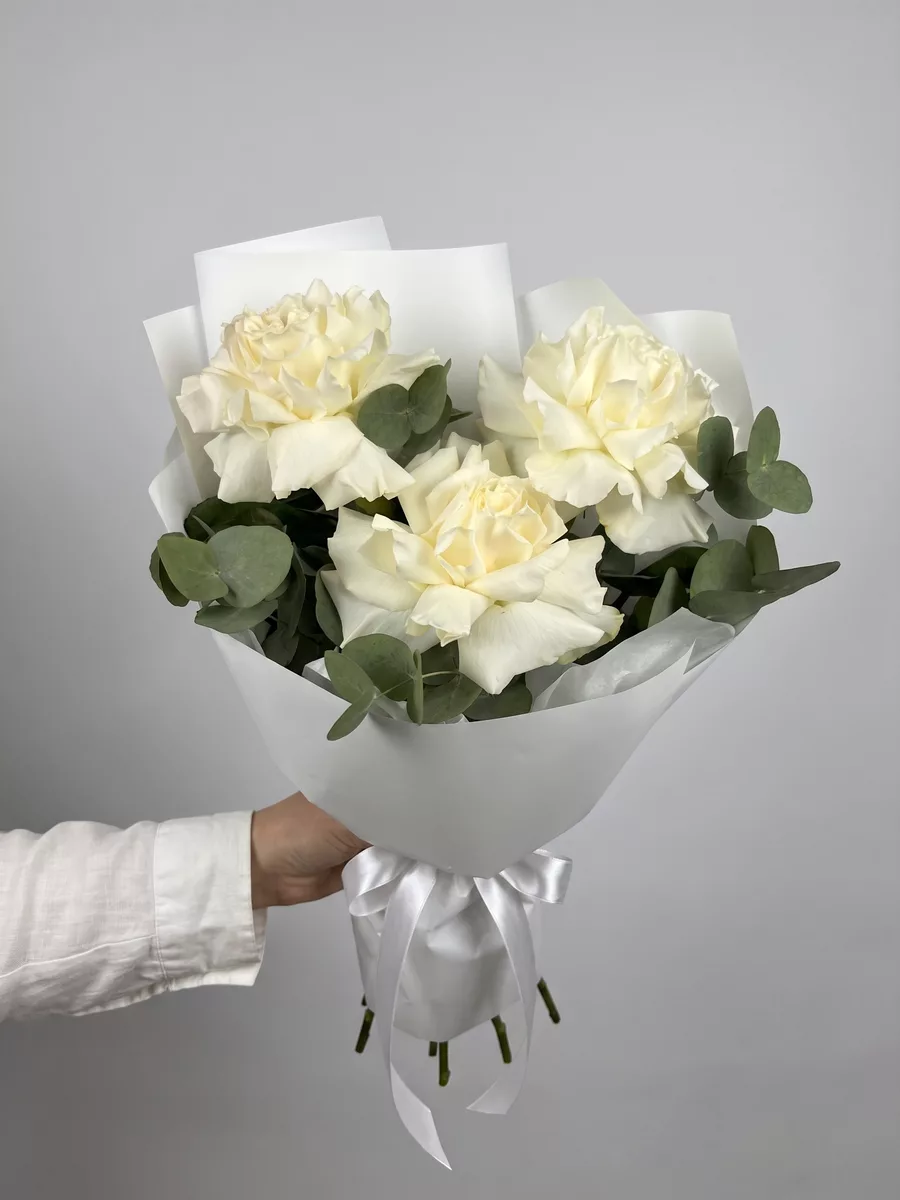
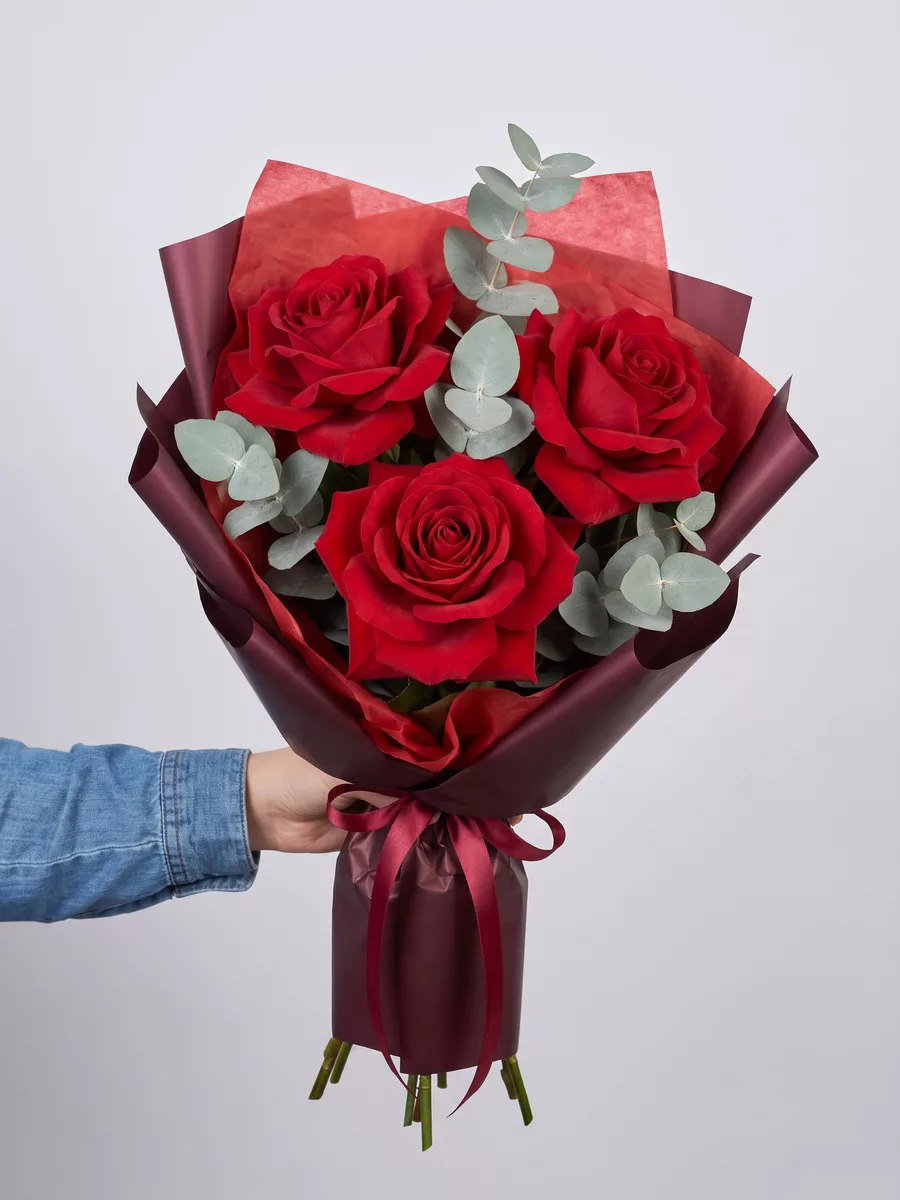
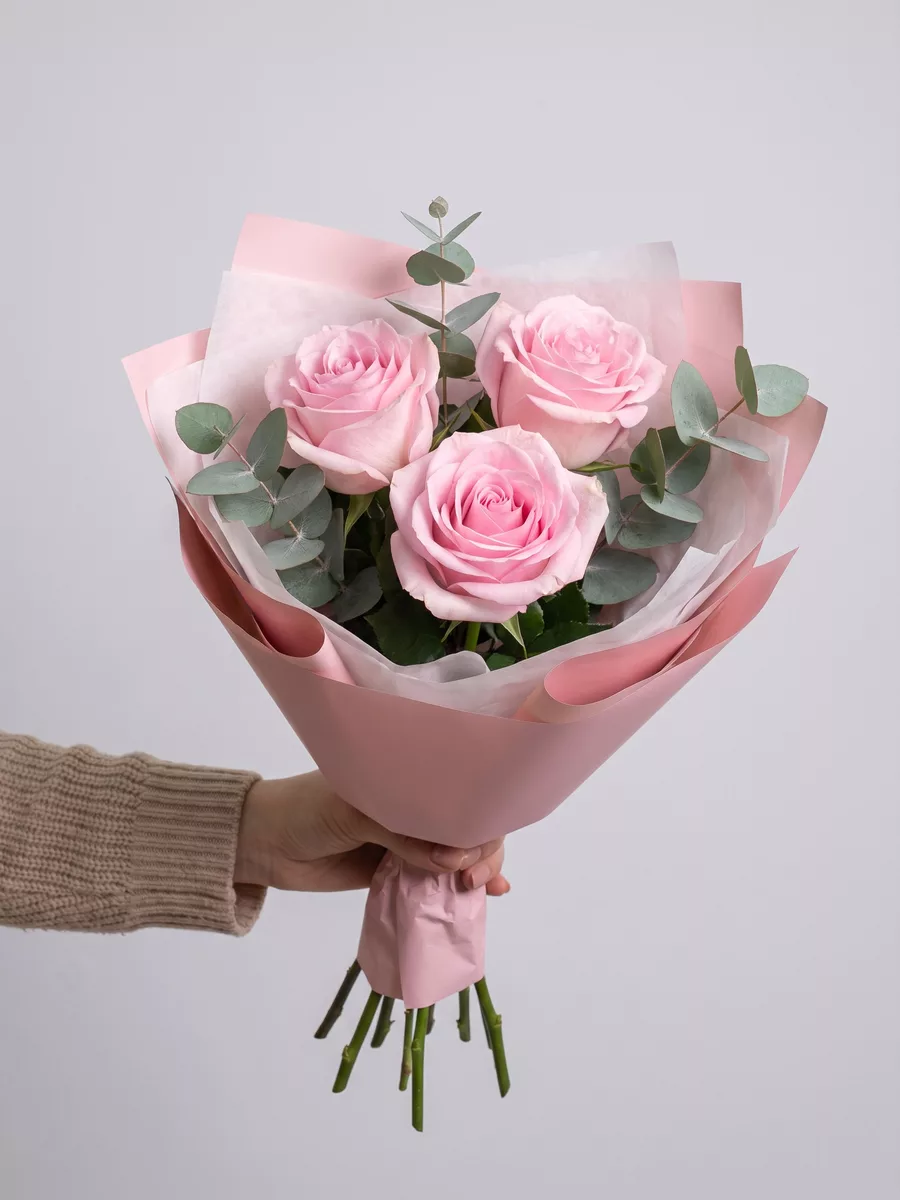
Timing Your Order Across Time Zones: The Detail Most Senders Miss
Zheleznogorsk-Ilimsky operates on Irkutsk Time, which is UTC plus eight. If you are placing an order from Western Europe, you are looking at a six to seven hour difference depending on daylight saving. From the east coast of North America, the gap is eleven to twelve hours. From Australia's east coast, you are actually only one hour behind. These numbers matter because they determine whether your order lands during working hours or sits waiting until the next morning.
The most common mistake senders from abroad make is placing an order at what feels like a reasonable afternoon hour in their own city, not realising it is already late evening in Zheleznogorsk-Ilimsky. The flowers may be beautiful, but if they arrive at nine in the evening unexpectedly, the moment is different from the one you planned. Conversely, placing an order the night before — timed to arrive mid-morning Irkutsk time — often creates the best experience for the recipient.
When you order through Turboflora, delivery across Russia including to Zheleznogorsk-Ilimsky is handled within one to two hours of your chosen delivery window. The key is choosing that window with the local time in mind, not your own. A small calculation before you confirm the order makes an enormous difference to how the whole thing feels from the other side of the door.
Choosing Flowers for a Siberian Climate: What Travels and What Does Not
Not every flower that looks stunning in a London or Paris florist window is suited to travelling through a Siberian winter. The good news is that some of the most beloved and expressive varieties are also the most resilient. Spray chrysanthemums, alstroemeria, and standard carnations hold their structure and colour exceptionally well in cold conditions and have a vase life of ten to fourteen days even in centrally heated apartments. These are not compromise choices — they are genuinely beautiful and work well in mixed arrangements.
Roses are the most requested flower worldwide and are absolutely deliverable to Zheleznogorsk-Ilimsky, but variety selection matters. Large-headed garden-style roses with very thin petals are more vulnerable to temperature shock during the final outdoor leg of delivery. Hybrid tea roses with tighter, more structured blooms — varieties like Red Naomi or Mondial — handle the transition from warm van to cold air and back into a warm apartment far better.
In summer, the options expand considerably. Lisianthus, eustoma, and even sunflowers are entirely realistic choices from June through August, and they photograph and display beautifully in the long Siberian light. Peonies, which bloom in early summer, are enormously popular across Russia and feel genuinely festive and generous as a gift. If you are ordering in late May or June, a full peony bouquet is one of the most emotionally resonant choices you can make for someone in this region.
What Occasions Matter Most and How Russians Typically Mark Them
If you are sending flowers from abroad to someone in Russia, it helps to understand which occasions carry the most weight culturally, because the scale of the bouquet and the flower choice often signal how seriously you are taking the moment. Birthdays are celebrated with genuine enthusiasm, and it is completely normal to send a large, abundant arrangement — Russians tend to give odd numbers of stems, and a bouquet of fifteen or twenty-one roses reads as genuinely celebratory rather than excessive.
International Women's Day on the eighth of March is the single biggest flower-giving occasion in Russia, far larger than Valentine's Day in terms of volume and cultural significance. Almost every woman receives flowers on this day — from partners, from children, from colleagues. If your recipient is a woman and the date falls near the eighth of March, ordering a few days in advance is wise, as demand is extremely high.
New Year in Russia is celebrated on the first of January and is the main family holiday of the year, equivalent in warmth and scale to Christmas in many Western countries. Flowers for New Year are usually combined with something festive — winter-white arrangements with eucalyptus, or rich red roses paired with dark green foliage — to match the celebratory mood. If you are marking a professional achievement, a graduation, or a new home, a structured bouquet with a strong central flower like a large-headed rose surrounded by complementary greenery is the most widely appreciated style.
How to Write Your Message When You Cannot Write in Russian
A card in English is perfectly fine and will be read and appreciated. Your recipient will almost certainly understand that a message from abroad in the sender's own language is genuine and personal, and that matters far more than grammatical perfection in Russian. If you want to include a phrase in Russian, simple expressions like s dnyom rozhdeniya (happy birthday) or ya skuchayu po tebe (I miss you) transliterated into Latin letters are completely readable and add a warm personal touch without requiring you to type in Cyrillic.
When writing your message, be specific rather than generic. Instead of writing simply that you are thinking of the person, name something you share — a memory, a plan, an inside reference. Flowers carry emotion, but a card that connects them to something real between you and the recipient makes the whole gesture land differently. A florist reading this note before attaching it to the bouquet will also take slightly more care with the arrangement, knowing it carries real meaning.
Keep the delivery address as complete as possible. In Russia, addresses follow a specific order: city, street, building number, apartment number. If your recipient lives in a multi-storey building — which is very common in Russian towns — the apartment number and floor are essential. A missing apartment number is the single most frequent cause of delivery delays, and it is entirely avoidable. Double-check this detail before confirming your order, and if possible, confirm the address directly with your recipient rather than working from memory.
Presentation Styles That Feel Right for This Region
Russian flower culture has its own visual language, and understanding it helps you order something that feels native rather than foreign. The classic Russian bouquet is generous and round, with a clear focal flower — usually roses or peonies — and supporting blooms and foliage that frame rather than compete. It is typically wrapped in paper rather than placed in a box, and the wrapping itself is considered part of the presentation, often in a colour that complements the flowers.
Box arrangements and hat-box styles have become increasingly popular in Russian cities over the past decade and are now entirely familiar in regional towns as well. A hat-box filled with spray roses or mixed blooms in a single tonal palette — soft pinks, creams, and whites together, or deep burgundy and forest green — feels modern and considered. These arrangements also have a practical advantage in cold weather: the box provides an extra layer of insulation during delivery.
For someone receiving flowers in a smaller town like Zheleznogorsk-Ilimsky, the presentation often matters as much as the specific varieties. A well-wrapped bouquet with clean, fresh stems and thoughtfully chosen ribbon communicates that real attention went into the order. Avoid requesting very minimalist or deconstructed styles — they can read as unfinished rather than artistic to a recipient who is not expecting that aesthetic. Fullness and generosity of form are the qualities that feel most celebratory and warm in this context.
Caring for the Flowers Once They Arrive: What to Tell Your Recipient
Flowers that have been delivered through a cold Siberian winter need a few minutes to adjust before they are unwrapped. If your recipient brings a cold bouquet directly from the door into a warm apartment and immediately cuts it open, the sudden temperature change can cause condensation inside the wrapping and stress the blooms. Telling them to let the wrapped bouquet rest at room temperature for five to ten minutes first is a small but genuinely useful piece of advice.
Once unwrapped, stems should be cut at a diagonal under running water — about two centimetres from the base — and placed immediately into a clean vase with fresh, cool water. Removing all leaves that would sit below the waterline prevents bacterial growth, which is the main reason flowers fade quickly. Chrysanthemums and alstroemeria particularly benefit from this: kept in clean water changed every two days, they will easily last twelve to fourteen days.
The placement of the vase matters more than most people realise. Central heating in Russian apartments is often very strong in winter, and a vase placed near a radiator or in direct sunlight will lose its blooms two to three times faster than one kept in a cooler spot. A windowsill away from the radiator, or a dining table in a room that is not overheated, is ideal. Roses appreciate a small amount of flower food dissolved in the water, which helps maintain the sugar balance the cut stems can no longer draw from a plant. Most bouquets from Turboflora include a sachet of this — encourage your recipient to use it.
Sending flowers to Zheleznogorsk-Ilimsky from abroad is genuinely possible and genuinely worth doing. The distance between you and your recipient does not diminish the moment — if anything, a bouquet that arrives from across the world carries a particular weight. The practical details covered here are not obstacles; they are the things that, once understood, make the whole experience feel smooth and intentional. Choose the right flowers for the season, get the time zone right, write something personal on the card, and what opens at that door in Siberia will be exactly what you hoped to send.
Frequently asked questions
Can I order flowers to Zheleznogorsk-Ilimsky if I do not speak Russian?
Yes, entirely. The ordering process on Turboflora works in a way that does not require Russian language skills, and your card message can be written in English or any language you are comfortable with. Your recipient will understand that a message from abroad in your own language is personal and genuine. If you need help with the address format, customer support can assist you.
What is the safest flower choice for a winter delivery to this part of Siberia?
Spray chrysanthemums, alstroemeria, and hybrid tea roses with structured blooms handle cold-weather delivery best. They are resilient to temperature fluctuation during the outdoor portion of delivery and have excellent vase life once inside a warm apartment. Avoid very thin-petalled garden roses or tropical flowers like anthuriums in winter months, as these are more sensitive to cold stress during the final delivery leg.
How far in advance should I order for a specific date like a birthday or Women's Day?
For birthdays and most occasions, ordering the evening before — timed to the recipient's local morning — works very well. For the eighth of March, International Women's Day, place your order at least two to three days in advance. Demand across Russia on that date is exceptionally high, and early ordering ensures both availability of your preferred flowers and a delivery window that matches the moment you want to create.
Do I need to be present or reachable when the flowers are delivered?
You do not need to be present — you are abroad. However, it is helpful to provide a working phone number for the recipient so the courier can call ahead or confirm the address on arrival. If the recipient is at work or otherwise unavailable, include a note about this when ordering so the delivery can be scheduled for a time when they will be home. A surprise works best when someone is actually there to receive it.
Can I include a gift with the flowers, such as chocolates or a small toy?
Yes, Turboflora can include add-ons such as chocolates, soft toys, or balloons alongside the bouquet. These are popular choices for birthdays and for sending to children. When ordering from abroad, select the add-on during the checkout process and note any preference in the comments field. A combined gift and flower delivery feels more complete and tends to make a stronger impression than flowers alone.
Ready to send flowers?
Pick the city, choose the bouquet, and a local florist takes it from there.
Choose a city →