Sending Flowers to Zheleznovodsk from Abroad: What You Need to Know
You are somewhere in Europe, the Gulf, or further east, and someone you care about is spending time in Zheleznovodsk — perhaps taking a spa cure, celebrating a birthday, or simply living there. You want to send flowers that arrive fresh, look generous, and feel personal. The distance between you and the Caucasus Mineral Waters region does not have to matter at all, as long as you understand a few practical things before you place your order.
Why Zheleznovodsk Is Different from Other Russian Cities
Zheleznovodsk sits at roughly 640 metres above sea level in the foothills of the Caucasus, and that elevation shapes everything about delivering flowers there. Summer days are warm but evenings cool down noticeably, which is actually good news for cut flowers — they are not sitting in the kind of humid heat that wilts roses in an hour. Winter brings genuine cold, and a bouquet left on an unheated porch for even twenty minutes can suffer frost damage on the outer petals of roses or gerberas.
The city itself is compact and built around the mineral springs and parkland that draw visitors from across Russia. Many recipients are not permanent residents — they are guests at sanatoriums, spa hotels, or health resorts. This matters when you are filling in the delivery address. A room number and the full name of the establishment are just as important as the street address, and a working Russian mobile number for the recipient is essential so the courier can confirm arrival.
Zheleznovodsk is also a city where flowers carry real social weight. Guests at health resorts often receive visitors and mark personal milestones away from home, which makes a delivered bouquet feel especially meaningful. Knowing that your recipient may be in a shared or semi-public space is worth keeping in mind when choosing size and presentation — a tall, dramatic arrangement travels and displays better than a low, wide one in a hotel-style room.
Bouquets we can deliver

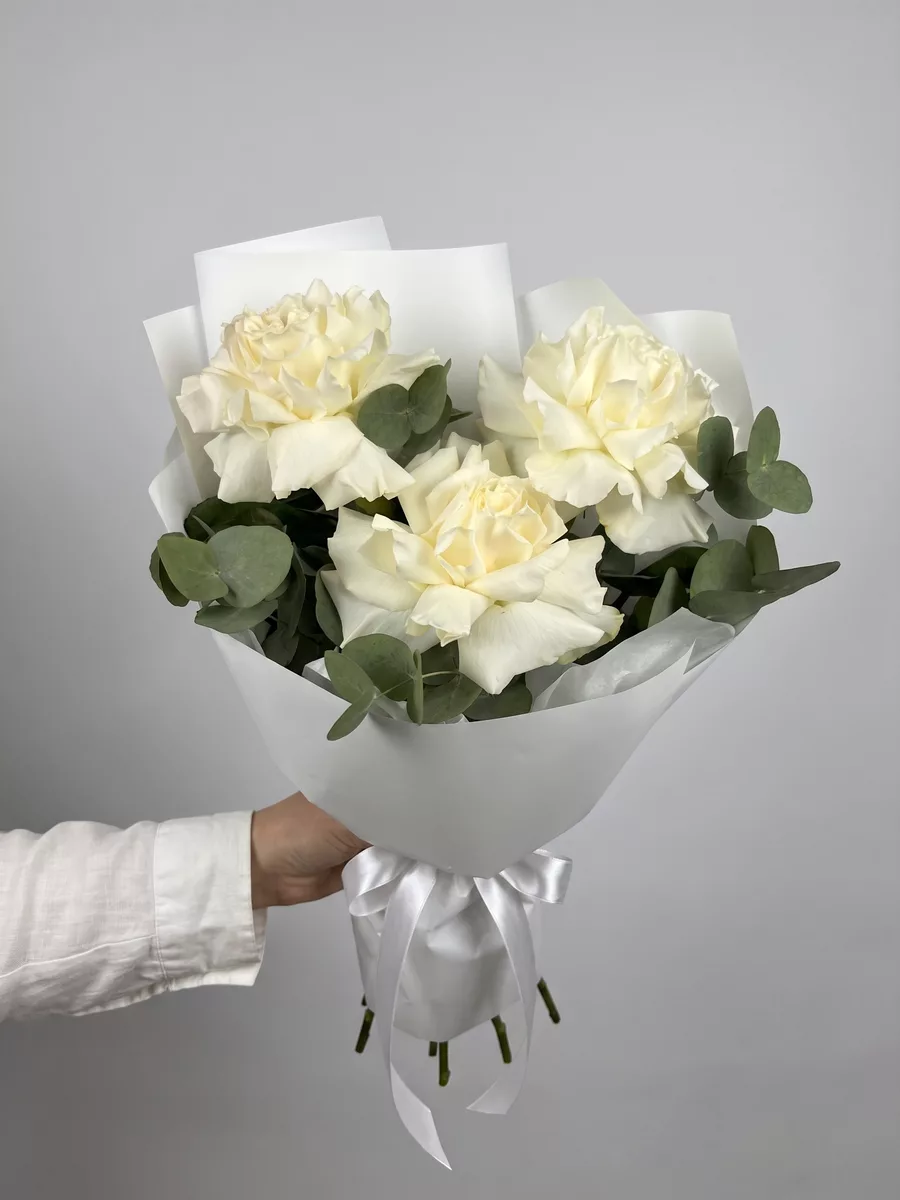
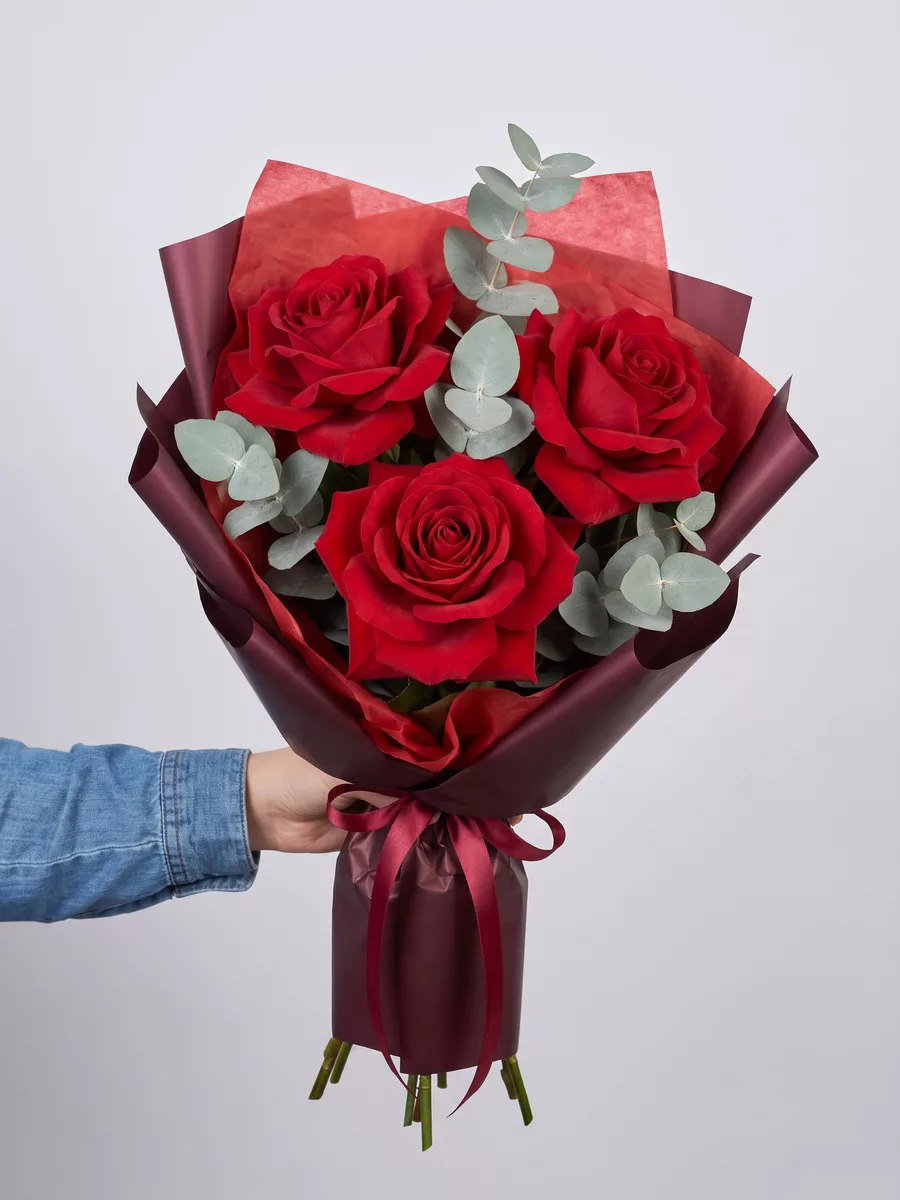
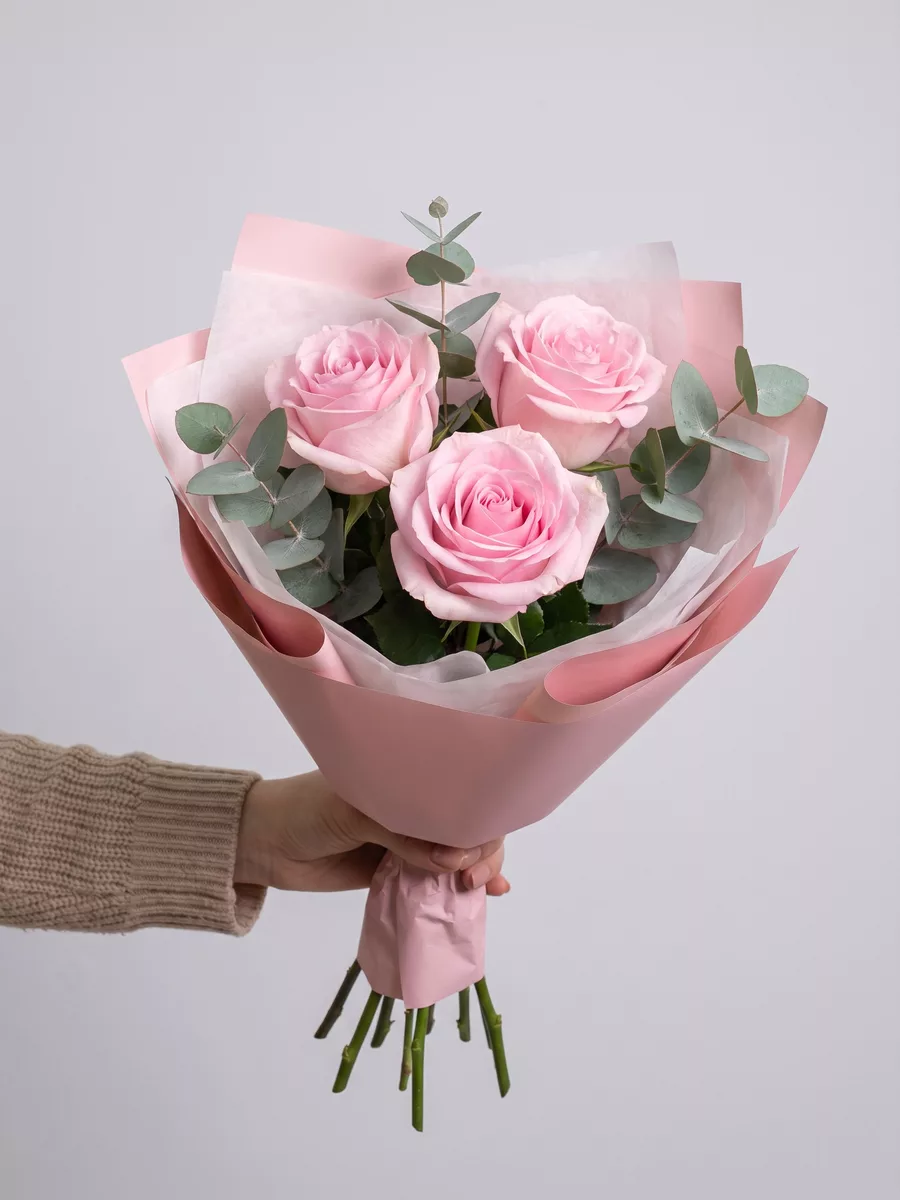
Choosing the Right Occasion and Mood Before You Pick a Single Stem
Before you think about roses versus peonies, think about the person and the moment. A woman celebrating her birthday at a Zheleznovodsk sanatorium wants something that feels festive and personal, not clinical. A bouquet of blush and cream garden roses mixed with white lisianthus and soft eucalyptus says celebration without shouting. It photographs beautifully in a spa setting and the recipient can carry it to dinner without feeling self-conscious.
For a romantic gesture — perhaps an anniversary or simply missing someone — deep red or burgundy roses remain the clearest signal in Russian culture. Combining them with dark greenery like ruscus or salal keeps the arrangement from looking generic. If your recipient is more contemporary in taste, consider a monochromatic bouquet of different textures: blush spray roses, pale pink ranunculus in season, and dried pampas grass accents hold up well in transit and look considered rather than conventional.
For a thank-you or a friendly gesture — say, sending flowers to a colleague who is recovering at a resort — white and yellow combinations read as warm and cheerful without crossing into romantic territory. White chrysanthemums, yellow solidago, and a few stems of alstroemeria make a long-lasting, generous-looking arrangement that does not require the recipient to own a large vase. Alstroemeria in particular is an excellent choice for resort deliveries because it continues to open for days after arrival, giving the recipient a changing, living display rather than a single peak moment.
Timing Your Order Across Time Zones
This is where senders from abroad make the most common mistakes, and it is entirely understandable. Zheleznovodsk operates on Moscow Time, which is UTC plus three hours with no daylight saving adjustment. If you are ordering from London in summer, that is a four-hour gap. From Dubai it is one hour behind Moscow. From New York in winter, Moscow is eight hours ahead.
Turboflora delivers across Russia within one to two hours of order confirmation. That window refers to local time in the destination city. So if you want flowers to arrive at a sanatorium by noon Zheleznovodsk time, your order needs to be placed and confirmed well before 10 a.m. local time there — which may be 7 a.m. in London or 2 a.m. in New York. Planning a same-day delivery from a significantly different time zone requires you to be awake and ready to order during what may be an inconvenient hour for you.
The cleanest approach for international senders is to order a day ahead and schedule the delivery window for mid-morning local time. This gives the florist time to prepare the freshest stems, avoids any rush, and ensures the recipient is likely to be awake and reachable. If you are ordering for a specific event like a birthday dinner, target a delivery two to three hours before the occasion rather than attempting to hit an exact minute. Flowers that arrive a little early sit in water; flowers that arrive late miss the moment entirely. Always double-check the time zone before you submit your order.
What to Order by Season in Zheleznovodsk
The Caucasus Mineral Waters region has a more varied climate than Moscow or Saint Petersburg, and the seasons genuinely affect which flowers look their best and travel most reliably. In spring, from March through May, peonies begin appearing in Russian markets by late April and into May — if your recipient is there during that window, a full peony bouquet is one of the most generous things you can send. Tulips are excellent in early spring, and because they continue to grow after cutting, they develop an organic, relaxed shape in the vase that feels less formal than roses.
Summer, from June through August, is peak season for the resort. Garden roses, lisianthus, and matthiola all perform beautifully in moderate Caucasus temperatures. Sunflowers are a popular Russian summer choice and genuinely cheerful in a hotel room. Avoid delicate flowers like lily of the valley for summer deliveries — they are exquisite but fragile in heat and have a very short vase life.
Autumn brings dahlias, which are bold and long-lasting, and chrysanthemums in every form — spray, button, and standard. These are genuinely underrated by international senders who associate them with formality, but in Russia they are everyday flowers used for every kind of celebration. In winter, roses and carnations are the most reliable choices because they are hardy in cold transit. A tightly wrapped bouquet with insulating kraft paper protects outer petals from frost damage during the final steps of delivery. Ask for winter packaging when ordering between November and February.
Navigating Russian Flower Customs Without Getting It Wrong
If you are not familiar with Russian flower-giving customs, a few things are worth knowing before you choose your bouquet. The most important is the even-number rule. In Russia, even numbers of flowers are associated with mourning and funerals, and sending a bouquet of twelve roses or ten tulips to a living recipient is considered a serious faux pas. Always choose an odd number — eleven roses, fifteen tulips, seven stems of lisianthus. Professional florists follow this automatically, but if you are customising an order and specifying stem counts, keep odd numbers in mind.
Colour carries meaning too, though Russian conventions are somewhat different from Western ones. Yellow flowers are not universally associated with farewell or bad luck in Russia — that belief varies by region and generation — but if you are uncertain, a mixed bouquet avoids any ambiguity. White flowers are perfectly appropriate for celebrations, unlike in some East Asian cultures where they signal mourning. Red flowers, especially roses, are unambiguously romantic, so use them intentionally.
Wrapping and presentation matter enormously in Russian flower culture. A bouquet that arrives in elegant kraft paper or transparent cellophane with a proper ribbon is expected, not optional. A bare bunch of stems, however fresh, would feel incomplete. When you add a message card, keep in mind that the florist will write or print it — use clear, simple language if you are writing in English, and consider whether your recipient reads English comfortably. If not, you can write your message in Russian transliteration or ask the florist to help translate a short phrase.
How to Give the Right Delivery Information from Outside Russia
Providing an accurate delivery address from abroad is the single most practical challenge for international senders, and a small amount of preparation makes it entirely manageable. Zheleznovodsk addresses follow the standard Russian format: street name, building number, apartment or room number, city, and postal code. The postal code for central Zheleznovodsk is 357400, though specific buildings may have variations — confirm with your recipient if possible.
For deliveries to sanatoriums and health resorts, the name of the establishment is more useful than the street address alone. Russian resort facilities are well known to local couriers, and a clear establishment name plus the guest's room number and full name will get flowers to the right door. If your recipient is staying at a private address, a landmark reference in the order notes — near a particular park entrance or metro stop equivalent — can help in a city where some residential areas have complex numbering.
The recipient's mobile phone number is non-negotiable. Russian couriers will call ahead to confirm delivery, and without a reachable number the order may be delayed or returned. If your recipient does not have a Russian SIM, confirm that their international number receives calls within Russia, or provide an alternative contact such as a front desk number for their accommodation. When you place your order, include the country code for the recipient's number if it is not a Russian number. Write the delivery notes in simple, direct language — the florist reads them carefully and a clear note prevents any confusion about timing or location.
Helping Your Recipient Keep the Flowers Fresh Longer
Flowers delivered to a resort or hotel room face a particular challenge: the recipient may not have a proper vase, scissors, or flower food to hand. A little guidance in your message card goes a long way. Ask the florist to include a note with basic care instructions, or include them in your personal message. The essentials are simple: trim the stems at an angle with whatever cutting tool is available, place the bouquet in the tallest vessel the room offers — even a large water jug or a bucket from housekeeping — and change the water every two days.
Roses last longest when the lower leaves are removed so no foliage sits below the waterline. Lisianthus and alstroemeria are naturally long-lasting and need very little intervention. Tulips continue to grow toward light, so placing them near a window will make them lean dramatically — a charming effect, but the recipient should know it is normal rather than a sign that the flowers are failing.
Room temperature matters. Most Russian sanatoriums and hotels keep rooms at 20 to 22 degrees Celsius, which is comfortable for people and reasonable for flowers. Placing a bouquet near a radiator will shorten its life significantly. A windowsill in winter, conversely, may be cold enough to damage tropical varieties. The best spot is a table away from direct heat sources and out of strong direct sunlight. With good basic care, roses should last five to seven days, alstroemeria seven to ten, and chrysanthemums up to two weeks — giving your recipient a long, daily reminder that someone far away was thinking of them.
Sending flowers to Zheleznovodsk from another country is genuinely achievable, and when it works well it is one of the most personal things you can do across a long distance. The keys are simple: order with the time zone firmly in mind, choose an odd number of stems, give the courier a reachable phone number, and think about what your recipient will feel when the door opens rather than just what the bouquet looks like in a photograph. A well-chosen arrangement delivered on time to a health resort in the Caucasus foothills carries the same warmth as being there in person.
Frequently asked questions
Can I order flowers for Zheleznovodsk delivery if I do not speak Russian?
Yes. The order form and customer support at Turboflora are accessible in English. You can write your message card text in English as well, though it helps to confirm your recipient reads English comfortably. For a short personal phrase in Russian, the florist can assist with a simple translation if you explain the sentiment clearly in your order notes.
What is the best flower choice for someone staying at a sanatorium in Zheleznovodsk?
Alstroemeria, spray roses, and lisianthus are ideal for resort deliveries — they are long-lasting, do not require a large vase, and continue to open over several days. Avoid very large structural arrangements that are difficult to keep in a hotel room. A compact but full bouquet in the recipient's favourite colours is almost always the right call.
How far in advance should I place my order from a different time zone?
Ordering the day before and scheduling a mid-morning delivery Zheleznovodsk time is the most reliable approach for international senders. This avoids the challenge of placing a same-day order during hours that may be inconvenient in your local time, and gives the florist full preparation time to select the freshest available stems for your arrangement.
Will the bouquet be affected by cold weather during winter delivery?
Turboflora uses insulated winter packaging between November and February to protect flowers during the final stage of delivery. Outer petals of roses and gerberas are most vulnerable to brief frost exposure. Requesting winter packaging in your order notes is a good habit. Hardy varieties like carnations and chrysanthemums tolerate cold transit significantly better than tropical or very delicate flowers.
Is it true I should never send an even number of flowers in Russia?
Yes, this is a genuine and widely observed custom. Even numbers of flowers are associated with mourning in Russian culture and would make most recipients uncomfortable. Always choose an odd number — eleven, fifteen, or twenty-one stems are all common and perfectly appropriate. Professional florists building your bouquet will follow this rule automatically unless you specify otherwise.
Ready to send flowers?
Pick the city, choose the bouquet, and a local florist takes it from there.
Choose a city →