Sending Flowers to Zhukovka from Abroad? Here Is What to Know First
You are sitting in another country, thinking about someone in Zhukovka — a birthday, an anniversary, a moment you wish you could share in person. The distance feels wide, but a well-chosen bouquet can close it faster than you might expect. Ordering from abroad takes a little more planning than a local click-and-send, so here is everything a sender outside Russia needs to know to get it right.
Why Zhukovka Is Worth Getting Right
Zhukovka is a small but distinctive settlement in the Odintsovsky district of Moscow Oblast, close enough to Moscow to feel connected to the capital yet with its own quiet, residential character. Many recipients here expect a certain level of quality — this is not a place where a hurried, generic bunch will go unnoticed. The person receiving your flowers likely has a good eye for presentation and freshness.
When you send from abroad, you carry the added weight of expectation. The recipient knows you went out of your way across time zones and unfamiliar systems to make something happen. That effort deserves a bouquet that actually looks like effort — not a wilted arrangement that arrived half a day late.
Zhukovka is reachable within the delivery radius of a Saint Petersburg-based florist operating across Russia, which means same-day and express delivery within one to two hours is genuinely possible when you plan ahead. The key is understanding the logistics before you place your order, not after. A little preparation on your side translates directly into a better experience for the person opening the door.
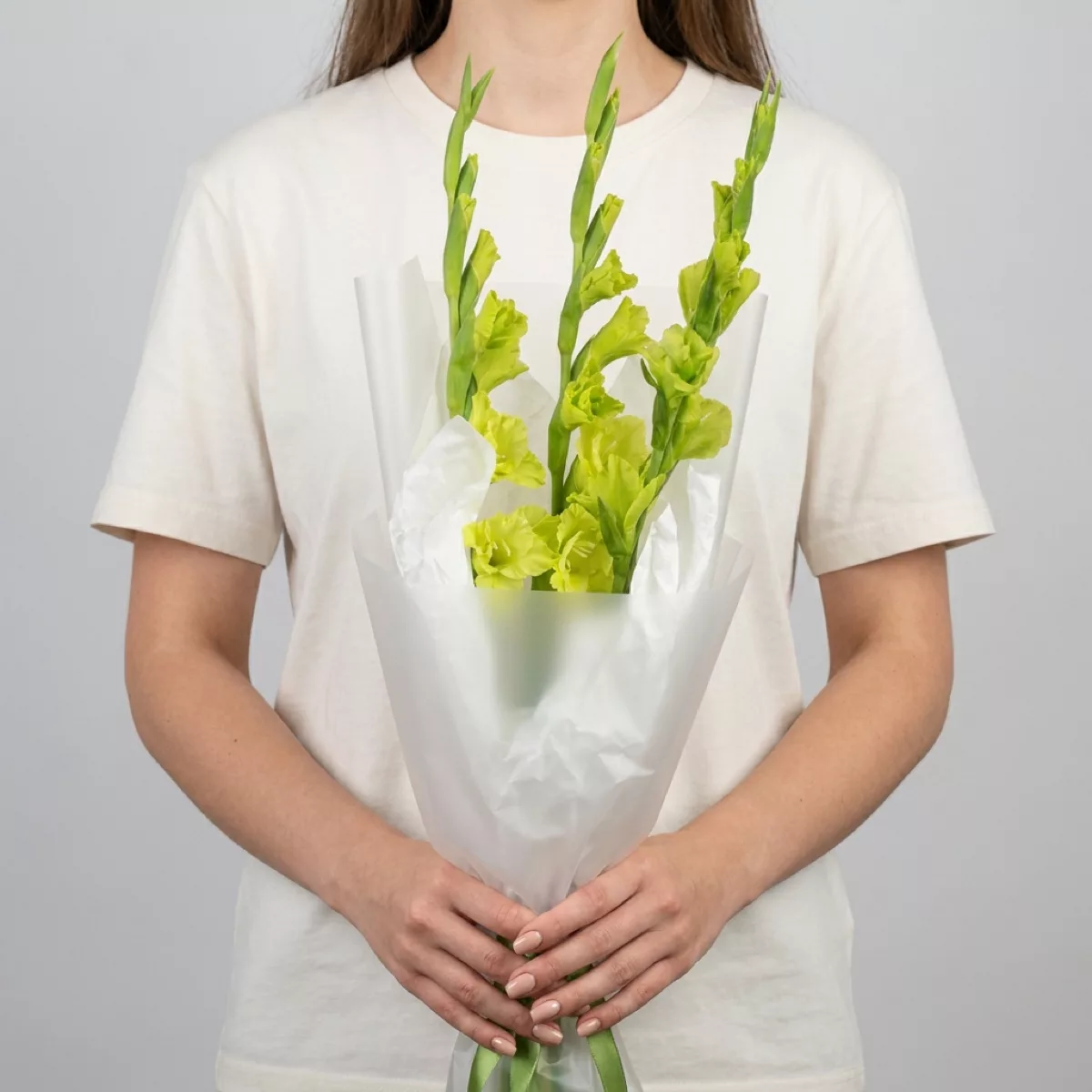
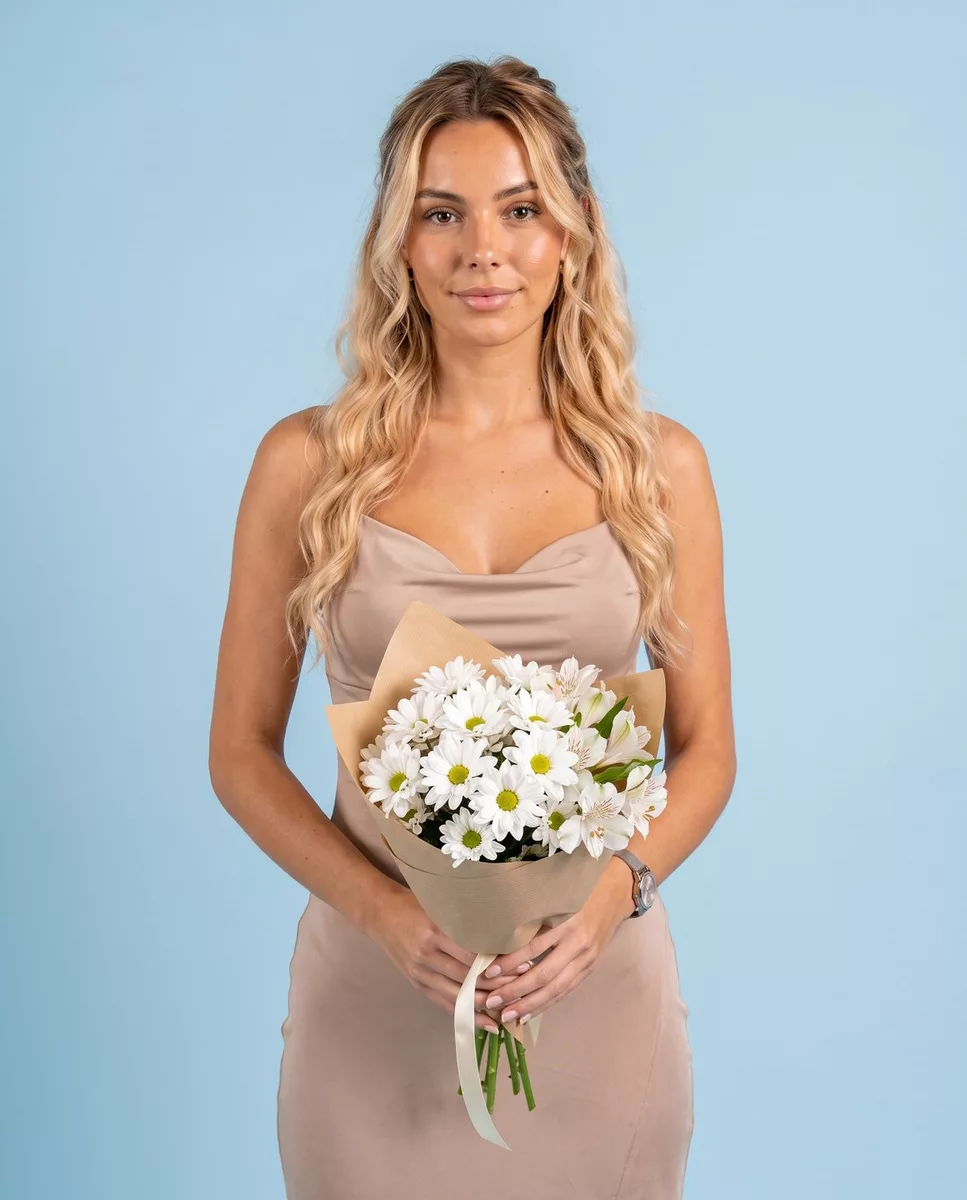
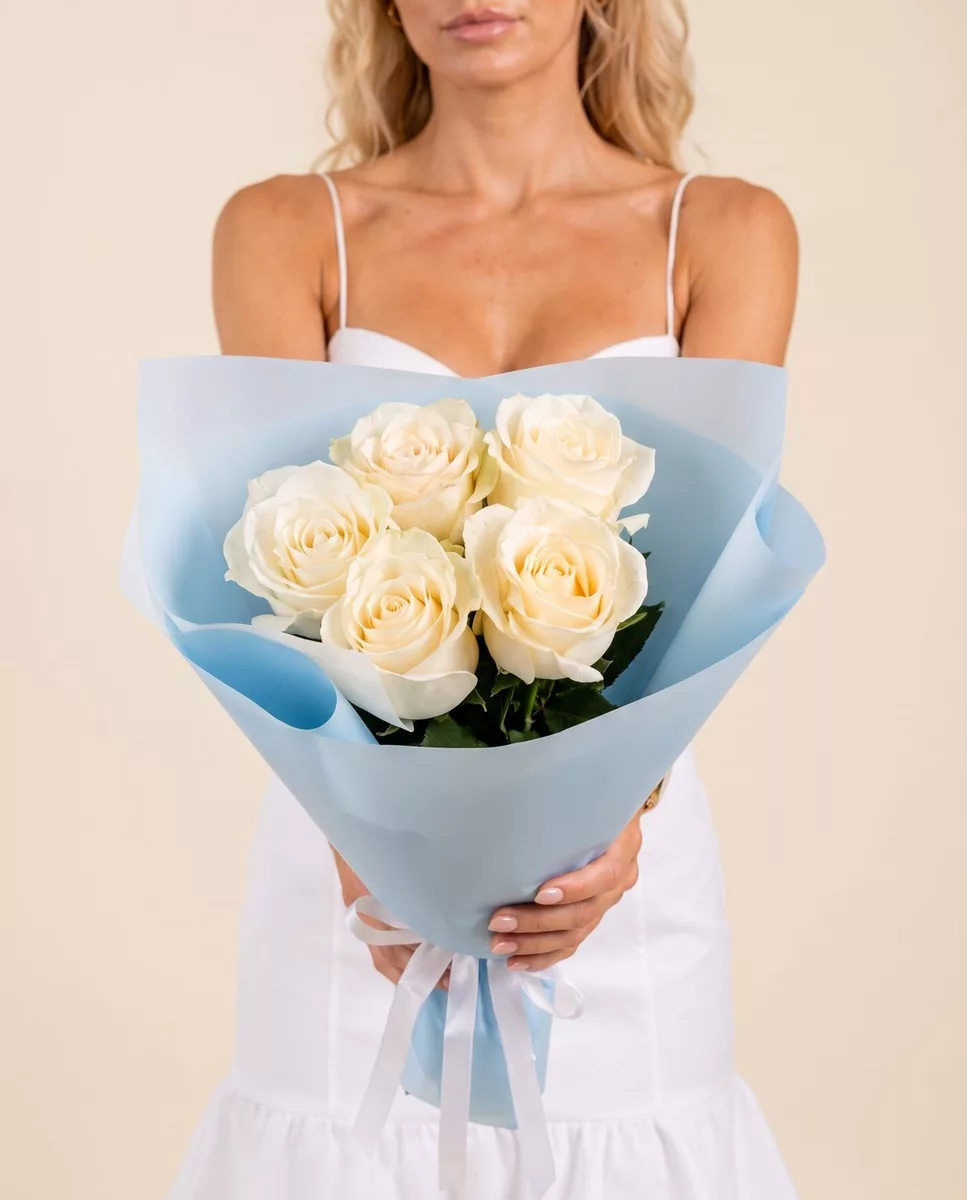
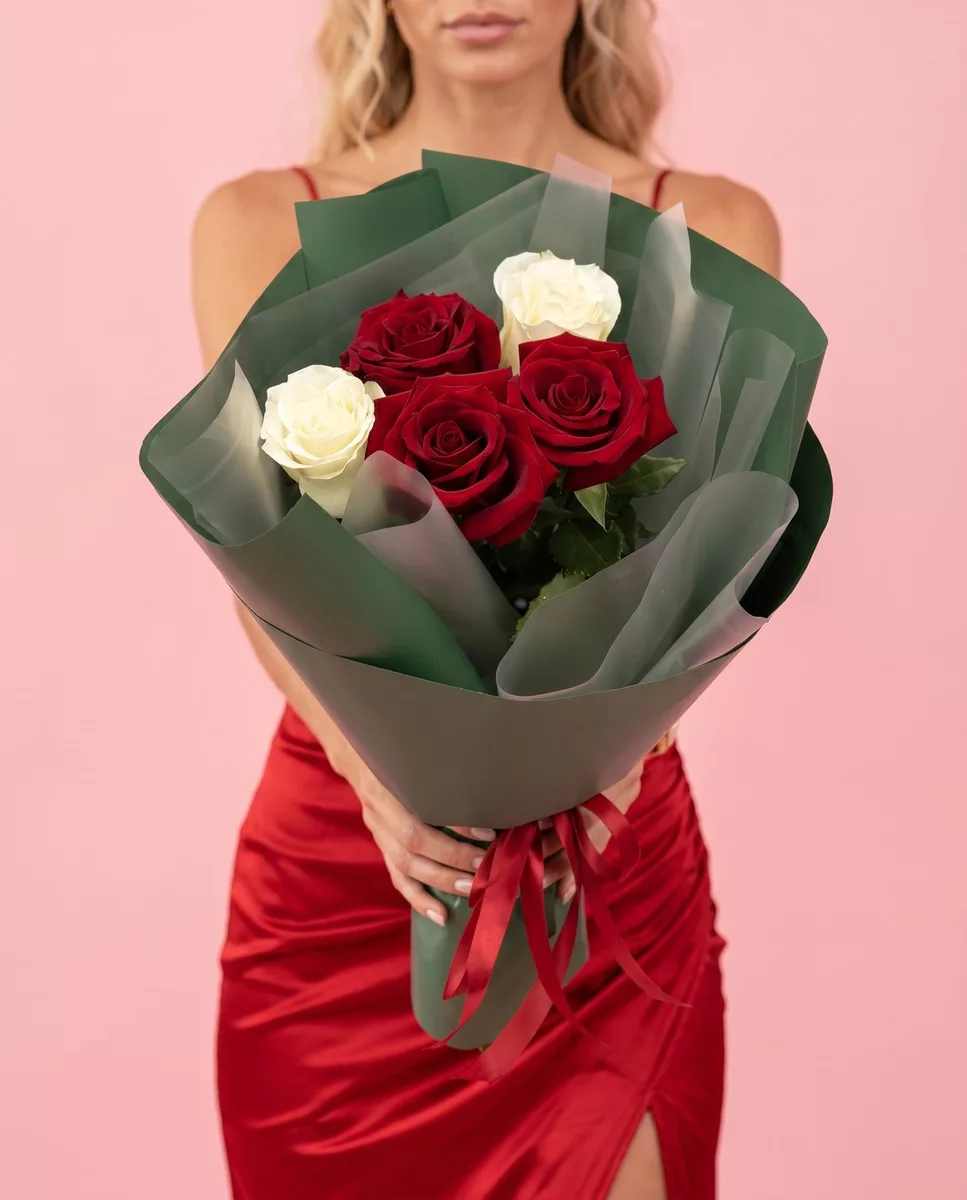
Bouquets we can deliver
Choosing the Right Moment: Timing Across Time Zones
The single most common mistake international senders make is placing an order without accounting for the time difference. Moscow Standard Time is UTC+3, which means that if you are in New York, London, or Tokyo, the florist's working day may already be ending while you are still planning your morning. Zhukovka follows Moscow time, so your recipient's evening starts earlier than you might assume.
For a truly timely delivery — one that arrives while the person is home and awake — aim to place your order at least three to four hours before the desired delivery window, accounting for the time difference. A birthday bouquet meant for a 7 p.m. surprise in Zhukovka needs to be ordered no later than early afternoon Moscow time, which could be the middle of the night for you in California.
The safest approach is to order the evening before your local time, specifying a delivery window for the following afternoon in Zhukovka. This gives the florist time to source the freshest stems, compose the arrangement thoughtfully, and dispatch it without rushing. Express delivery within one to two hours works best when the order is already in the queue, not when it is placed at the last possible moment. Set a phone reminder, calculate the time difference once carefully, and your timing will be solid.
What Russian Recipients Actually Appreciate
If you are not familiar with Russian flower culture, a few things are worth knowing before you choose your arrangement. First, odd numbers matter. Bouquets in Russia are traditionally given in odd numbers of stems — three, five, seven, eleven — and even numbers are associated with mourning. This is not a superstition most recipients will mention, but it is one they will notice. A good florist will automatically follow this convention, but it is worth confirming.
Roses remain enormously popular across Russia, and in Zhukovka specifically, a composed rose bouquet — particularly in blush, white, or deep red — reads as both generous and elegant. Peonies are adored in late spring and early summer. Ranunculus, lisianthus, and garden-style arrangements with textural greenery have grown steadily in popularity and feel fresh without being unfamiliar.
Presentation matters as much as the flowers themselves. Russian recipients respond warmly to wrapped bouquets — kraft paper, fabric, or structured box arrangements — rather than bare stems handed over at the door. A handwritten card in Russian, even a short phrase, adds a personal touch that a printed English label simply cannot replicate. If you know a few words, use them. If not, ask the florist to write your message in Russian on your behalf — most are happy to help with a simple translation.
Seasonal Choices and What Travels Best
Flowers are a seasonal product, and what looks beautiful in a photograph may not be available or at its best when you are ordering. Zhukovka experiences proper Russian winters — temperatures can drop well below minus fifteen Celsius from December through February — which affects both what grows locally and how flowers behave during delivery.
In winter, hardy varieties are your friends. Roses, chrysanthemums, alstroemeria, and carnations hold up well in cold transit. Tropical stems like anthuriums or birds of paradise are more vulnerable to temperature shock and are better avoided in the coldest months. Eucalyptus and dried elements add texture and survive temperature changes gracefully.
Spring brings tulips, which Russians love deeply — a large, generous bunch of tulips around March is one of the most culturally resonant gifts you can send. International Women's Day on March 8th is the single biggest flower holiday in Russia, and demand is enormous. If you are planning a delivery around that date, order several days in advance without exception.
Summer opens up peonies, sunflowers, dahlias, and garden roses. These are lush, full-headed flowers that photograph beautifully and feel celebratory. Autumn calls for warm tones — burgundy, orange, and rust — with seasonal foliage adding depth. Matching your choice to the season is not just practical; it shows the recipient that someone thought carefully about the moment.
How to Communicate Clearly When Ordering from Outside Russia
Language can feel like a barrier, but it rarely needs to be. When placing an order from abroad, the most important details to communicate clearly are the recipient's full name, their exact address including apartment number and entry code if applicable, a working Russian mobile number for the recipient, and your preferred delivery window. Missing any one of these can delay or prevent delivery entirely.
Zhukovka addresses can sometimes be formatted differently from what international senders expect. The street, building number, and apartment number are all essential. If you are unsure of the full address, contact the recipient indirectly — ask a mutual friend, check a previous letter, or simply ask the recipient themselves under a light pretext. A florist cannot deliver to a vague description of a neighbourhood.
For your message card, decide in advance whether you want it written in English or Russian. If the recipient speaks both, either works. If they are more comfortable in Russian, a translated message will mean more. Keep the message warm and direct — florists are not editors, and a simple, sincere sentence lands better than an elaborate paragraph that loses something in translation.
Paying from abroad is straightforward with major international cards. If you encounter any difficulty, reach out directly through the website's contact options — a brief message explaining your situation and the delivery details is usually enough to resolve any technical issue quickly.
Caring for the Bouquet After Delivery: What to Tell Your Recipient
A beautiful bouquet deserves a few days of proper care, and recipients who know the basics will get significantly more from the flowers you sent. If you are messaging your recipient ahead of or just after delivery, a short note about care is a thoughtful addition that extends the life of your gift.
The first step is always a fresh diagonal cut at the base of each stem, ideally under running water or submerged in a bowl. This removes the air pocket that forms when stems are out of water and allows immediate hydration. A clean vase matters more than most people realise — bacteria from an unwashed vase will shorten vase life by several days regardless of flower quality.
Roses in good condition last seven to ten days with daily water changes and a cool room. Tulips last five to seven days but are sensitive to ethylene gas from fruit, so keep them away from the fruit bowl. Peonies, if received in tight bud, will open over two to three days and reach peak beauty around day three or four — they are worth the wait.
In winter, recipients should avoid placing the bouquet near radiators, which are working hard in Russian homes during the cold months. A windowsill away from direct heat and away from draughts is ideal. In summer, air conditioning can dry stems quickly, so daily water top-ups become even more important. These are small habits that make a real difference.
Making the Occasion Feel Complete from a Distance
Flowers alone carry a great deal, but when you are sending from another country, the small details around the bouquet are what turn a delivery into a memory. Think about what the recipient will experience from the moment they hear the doorbell: the wrapping, the card, the first impression of colour and scent.
For a birthday, a generous, full-bodied arrangement in the recipient's favourite colours — or in warm, celebratory tones if you are unsure — communicates abundance and joy. A tightly composed, elegant bouquet in white or blush suits an anniversary or a professional milestone. If you are celebrating a new home, a mix of seasonal blooms with interesting greenery feels welcoming rather than formal.
Consider adding a brief personal note that references something specific — a shared memory, an inside joke, a detail that only you and the recipient would understand. This is what separates a flower delivery from a flower gift. The card is read long after the petals have fallen.
From abroad, you cannot be in the room, but you can be present in the thought behind every choice. The variety you selected, the colour you chose, the message you wrote — these are all evidence of attention. Zhukovka recipients, like people everywhere, respond not just to beauty but to the feeling that someone on the other side of the world was thinking specifically about them. That is the real gift, and flowers are simply the most eloquent way to say it.
Sending flowers to Zhukovka from outside Russia is entirely achievable when you plan around the time difference, follow the local customs that matter, and choose varieties suited to the season and the occasion. The distance between you and your recipient does not have to show in the bouquet — with the right preparation, what arrives at the door will feel as warm and personal as if you had chosen it yourself, standing in the shop.
Frequently asked questions
Can I really get flowers delivered to Zhukovka within one to two hours from an international order?
Yes, the one-to-two-hour delivery window applies to the dispatch and delivery stage within Russia. As an international sender, your job is to place the order in advance and account for the time difference. Once the order is confirmed and in the queue, the delivery timeline in Zhukovka itself is the same as for any local order.
Do I need to speak Russian to place an order from abroad?
No. The ordering process works in English, and you can communicate delivery details and card messages in English. If you would like your card written in Russian for the recipient, simply include your message in English and request a Russian translation — the florist will handle it as part of the order.
What if I do not have the recipient's exact address in Zhukovka?
Delivery cannot be completed without a full address including street, building, and apartment number. If you do not have it, find a way to obtain it before ordering — ask a mutual friend or contact the recipient under a neutral pretext. A neighbourhood name or landmark is not sufficient for a successful delivery.
Are there flowers I should avoid sending to Russia in winter?
Tropical and heat-sensitive varieties such as birds of paradise or certain orchid types can suffer in very cold transit conditions. In winter, roses, chrysanthemums, alstroemeria, and carnations are reliable choices. Eucalyptus and dried elements also travel well. Your florist will advise on the best available options for the current season.
Is March 8th really as significant as people say for flower orders in Russia?
Absolutely. International Women's Day on March 8th is the largest flower-giving occasion in Russia by a wide margin — larger than Valentine's Day. Demand peaks sharply in the days leading up to it. If you are planning a delivery around that date, order at least three to four days ahead to secure your preferred arrangement and delivery window.
Ready to send flowers?
Pick the city, choose the bouquet, and a local florist takes it from there.
Choose a city →