Sending Flowers to a Russian School on September 1 From Overseas
Your child is starting first grade in Saint Petersburg, or your niece is walking into her final year in Novosibirsk, and you are sitting in Berlin or Toronto watching the clock. September 1 — Knowledge Day — is one of the most photographed mornings in Russian family life, and a bouquet is not optional. It is the thing every student carries through the school gates. Getting that bouquet there on time, to the right address, from another country, feels complicated until someone walks you through it step by step.
What Knowledge Day Actually Looks Like at a Russian School
On the first of September, Russian schools hold a formal outdoor ceremony called Lineika — a word that simply means line-up. Students gather in the school yard by class, teachers stand at the front, and the youngest first-graders are introduced to the school. A senior student traditionally carries a first-grader on their shoulders while the child rings a hand bell to open the academic year. It is brief, usually thirty to forty minutes, but it is deeply ceremonial.
Every child arrives holding flowers. This is not a suggestion — it is a social norm so embedded that arriving without a bouquet would feel as strange as arriving without a school bag. The flowers are presented to the class teacher at the end of the ceremony as a gesture of respect and gratitude for the year ahead. Teachers receive dozens of bouquets that morning, so yours needs to be handed to the student before the ceremony begins, not after.
The ceremony typically starts between eight and nine in the morning depending on the school. In large cities like Moscow and Saint Petersburg, some schools stagger their start times, but most begin at eight-thirty. If you are ordering from a time zone several hours behind Russia, that means placing your order the evening before is not early enough — you need to plan at least a full day ahead, ideally two. Understanding this rhythm is the first practical step to getting the delivery right.
Bouquets we can deliver

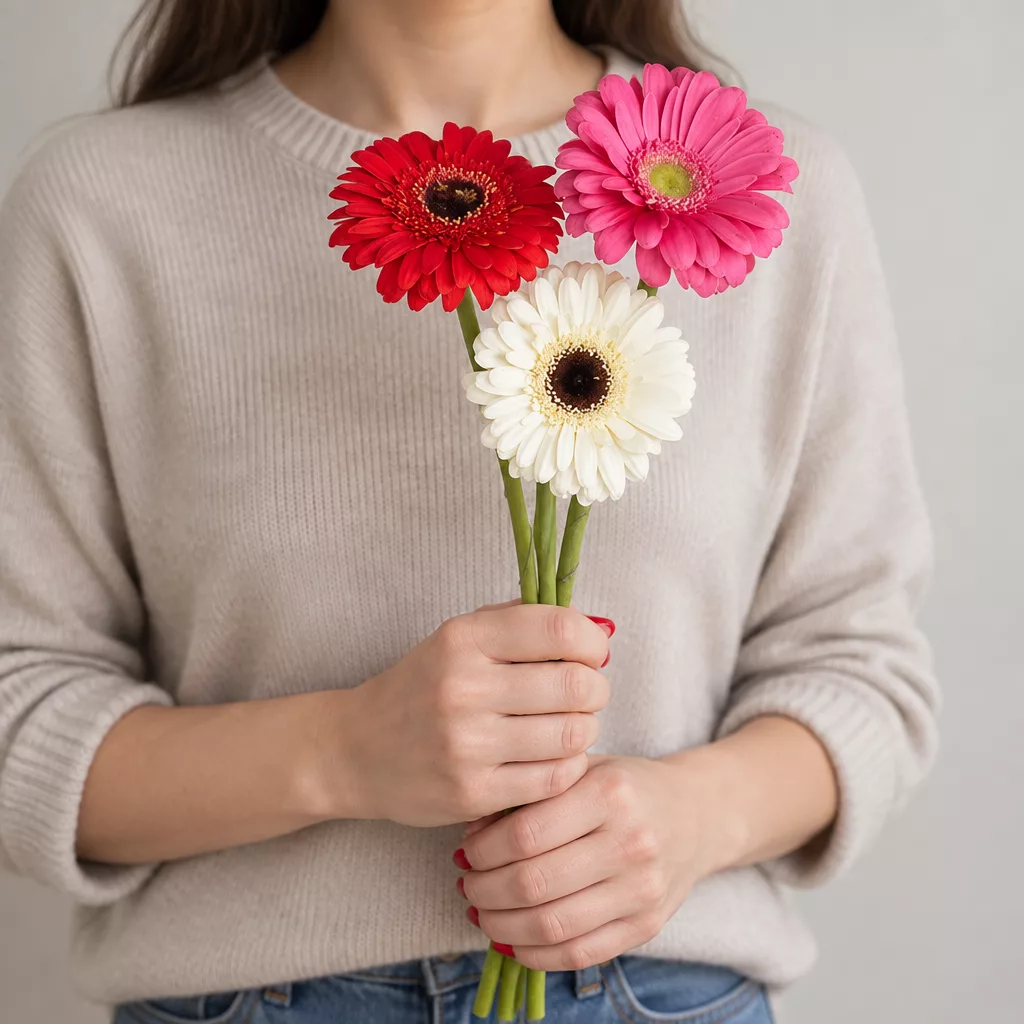

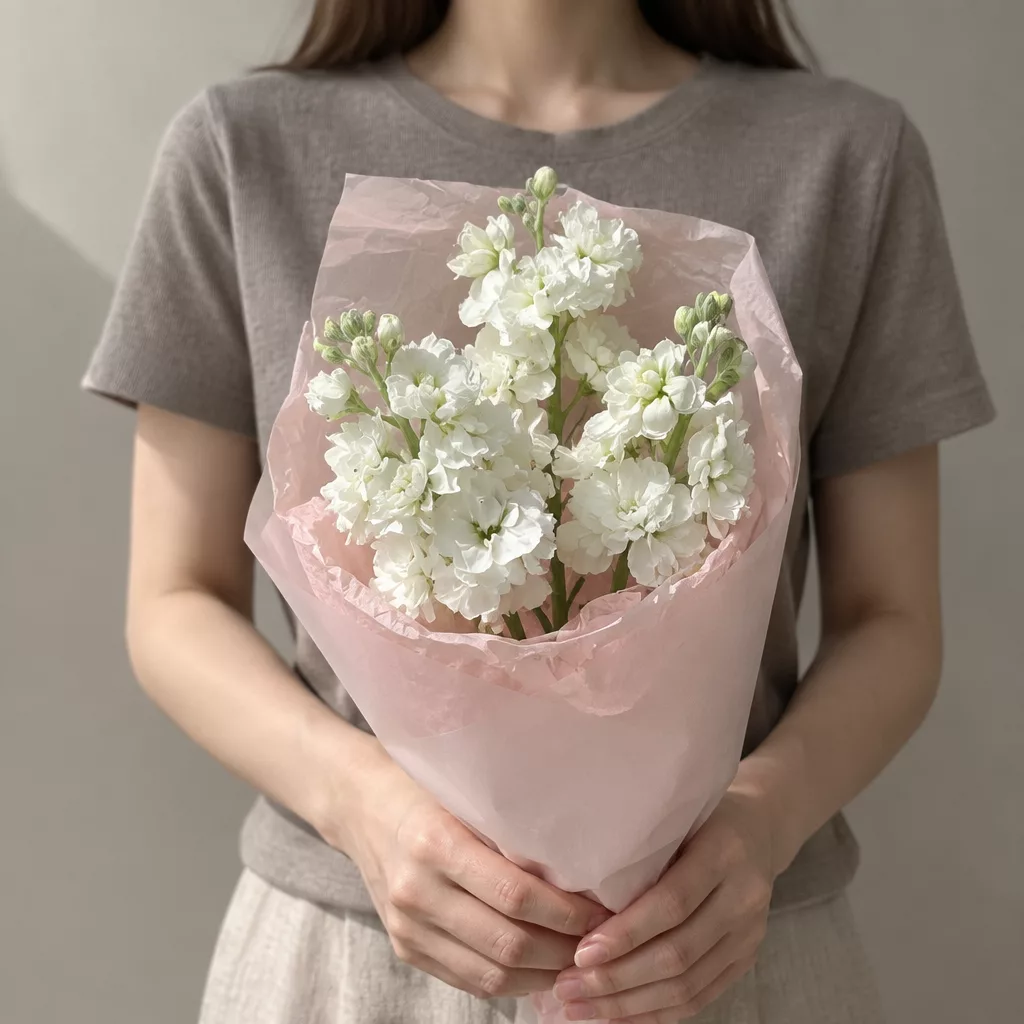
Why Delivering to a School Address Is Different From a Home Delivery
Sending flowers to a home address gives you flexibility. Someone is usually there to open the door, and if timing slips by thirty minutes, the bouquet still arrives fresh and appreciated. A school delivery on September 1 has a hard deadline attached to a public event, which changes everything about how you should plan.
Schools in Russia are not set up as delivery reception points. There is no front desk in the Western hotel sense. The building typically has a security post — a small booth near the entrance staffed by a guard whose job is to control who enters, not to hold parcels. Leaving a bouquet with the guard is possible but not ideal, because the guard may not know which class your child is in or how to find them in a crowd of several hundred students.
The cleanest solution is to coordinate with a parent, grandparent, or family friend who will be physically present at the school. The bouquet is delivered to that person — either at the school entrance or at a nearby address minutes away — and they hand it to the student before the ceremony. If no one will be there in person, the delivery can go to the home address early that morning so the child carries it from home. Either way, the address you provide must be precise: building number, entrance number if applicable, floor, and a working Russian mobile number for the recipient. Russian addresses often include a korpus — a secondary building number on the same plot — and missing it means the courier cannot find the door.
Choosing the Right Bouquet for a Student on This Day
The classic Knowledge Day bouquet in Russia leans toward white and soft yellow — colours associated with new beginnings and academic brightness. White chrysanthemums have been the traditional choice for decades, and they remain popular because they are sturdy, long-lasting, and easy for a child to carry. A single-variety bouquet of white spray chrysanthemums wrapped in kraft paper with a ribbon is still one of the most requested combinations on September 1.
That said, tastes have shifted. Younger parents now often choose something more contemporary — a mixed bouquet of white eustoma, pale yellow alstroemeria, and eucalyptus gives a softer, more florist-designed feel without straying from the pale palette. For older students, especially those in their final years, roses work beautifully: a tight bunch of garden roses in cream or blush, possibly accented with white veronica or light-green bupleurum, feels grown-up without being too formal.
For a first-grader, consider the physical weight of the bouquet. A child of six or seven will be carrying it for up to an hour, often while standing. A compact, round bouquet of fifteen to twenty stems is much easier to hold than a tall architectural arrangement. The wrapping matters too — soft tissue and paper rather than hard cellophane means the child can grip it comfortably. Avoid flowers with strong fragrance like lilies if the ceremony is outdoors on a warm September morning, as the scent can become overwhelming in heat. Turboflora assembles bouquets with the carrier in mind, not just the visual result.
Timing Your Order When You Are in a Different Time Zone
Russia spans eleven time zones, but the cities where most international customers are sending flowers — Moscow, Saint Petersburg, Kazan, Yekaterinburg — are between two and five hours ahead of Western Europe, and between eight and eleven hours ahead of the North American east coast. That gap is the most common reason overseas orders arrive too late.
Moscow Standard Time does not observe daylight saving, so the offset is fixed year-round: UTC plus three. Saint Petersburg is the same. If you are in London in early September, Russia is three hours ahead of you. If you are in New York, Russia is eight hours ahead. When the school ceremony begins at eight-thirty Moscow time, it is five-thirty in the morning in London and half past midnight in New York.
The practical rule is this: place your order no later than the evening of August 30, Russian time. That gives the shop time to source the freshest stems for September 1 morning, prepare the bouquet, and schedule the courier for an early window. Turboflora accepts orders around the clock through its website, and the order form asks for a preferred delivery time — select the earliest available morning slot for September 1. If you are unsure what time zone to use when filling in the form, enter the delivery time in local Russian time for the recipient's city and note your own time zone in the comments field. The team will confirm the slot and contact you if there is any question about the address.
What to Write on the Card — and Why It Matters
A card with a bouquet on Knowledge Day is read aloud more often than you might expect. A grandmother will read it to the first-grader. A parent will photograph it and post it. The teacher may read it in front of the class. So what you write carries a small but real social weight, and a card that feels genuinely warm rather than generic makes the moment land.
If you are writing in English for a child who speaks Russian, keep the message short and use simple words — the child may try to read it themselves or have it translated by a parent. Something like: Happy first day of school. I am so proud of you and I am thinking of you today. That is enough. Warmth over length.
If you want the card written in Russian, include your message in English in the order comments and ask for it to be translated and written by hand. A handwritten card in Russian will feel far more personal than a printed label, and for a Knowledge Day bouquet it is entirely appropriate to request that. Avoid generic phrases like Congratulations on Knowledge Day — they read like a telegram. Instead, say something specific: mention the subject the child loves, or reference a memory you share. The florist writing the card cannot invent that detail for you, so include it in your order notes.
For a bouquet going to a teacher rather than a student, a simple expression of gratitude for their work is exactly right. Russian teachers are accustomed to formal appreciation, and a phrase like Thank you for everything you do for our children reads as genuinely sincere rather than over the top.
Keeping the Bouquet Fresh From Door to Ceremony
September in most Russian cities is still warm — Saint Petersburg averages around sixteen degrees Celsius in early September, while cities further south like Krasnodar or Rostov can sit at twenty-three or higher. A bouquet left in a warm car or a sunny entrance hall for an hour will begin to wilt visibly, and wilted flowers on a ceremonial morning are a disappointment.
Turboflora uses temperature-controlled transport for deliveries, which means the stems arrive cold and hydrated. Once the bouquet is in the recipient's hands, the goal is to keep it out of direct sun and away from heat sources until the ceremony. If the family is at home before leaving for school, standing the bouquet in a few centimetres of cool water for even twenty minutes will help the stems drink and stay firm.
Chrysanthemums and alstroemeria are the most forgiving varieties in warm conditions — they hold their shape for several hours without water. Roses and eustoma are more sensitive and benefit from that brief drink before the ceremony. After the ceremony, when the bouquet reaches the teacher or returns home, re-cutting the stems at a diagonal under running water and placing them in a clean vase with fresh water extends vase life significantly. Chrysanthemums last seven to ten days in a vase. Eustoma lasts five to seven. Roses, if well-conditioned on arrival, last five to eight days depending on the variety and room temperature. Remind the recipient in your card message to give the flowers a fresh cut when they get home — it is a small detail that makes a real difference.
Common Mistakes Overseas Senders Make — and How to Avoid Them
The single most common mistake is ordering too late. Many international customers assume that a one-to-two-hour delivery window means they can order on the morning of September 1 and everything will work out. What they do not account for is the surge in orders on that date — it is one of the busiest floral days in the Russian calendar, comparable to International Women's Day on March 8. Ordering two days in advance is not excessive; it is sensible.
The second mistake is providing an incomplete address. Russian postal addresses require the city, street, building number, and often a korpus number and apartment number. For a school delivery, you also need the full name of the school if it is a large campus, because some school complexes have multiple buildings on the same street. If you are not sure of the exact address, ask the parent or grandparent at the school to send you a screenshot of the address from a map application.
A third mistake is not providing a working local phone number. The courier needs to be able to reach the recipient by phone if the building entrance is unclear or if the recipient has moved to a different spot. An overseas number will not work for a Russian courier making a same-morning call. Always provide a Russian mobile number — the recipient's own phone, or the phone of whoever will be meeting the courier.
Finally, do not choose the largest, most elaborate bouquet assuming bigger means better. A towering arrangement is genuinely difficult for a young child to carry and may not fit the tone of the occasion. Trust the florist's recommendation for the age of the student.
Knowledge Day is one of those mornings that families remember for years — the photograph of the child in their pressed uniform, holding flowers at the school gate. Arranging that detail from overseas is entirely possible when you plan two days ahead, provide a precise address with a local contact number, choose a bouquet suited to the student's age, and place your order before the September 1 rush begins. Turboflora delivers across Russia within one to two hours, and the team is used to working with international customers who need the timing to be exact. The ceremony will not wait, but with the right preparation, your flowers will be there before it starts.
Frequently asked questions
Can Turboflora deliver directly to the school building entrance on September 1?
Yes. Provide the full school address, the name of the person who will receive the bouquet at the entrance, and their Russian mobile number. The courier will call ahead and meet the recipient outside the building. For schools with restricted entry, meeting at the gate or a nearby address is the most reliable option.
What if I do not know anyone who will be physically at the school?
Order a home delivery for the early morning of September 1 — before seven-thirty local time if possible — so the student carries the bouquet from home. Include a note in your order specifying the earliest available delivery window. This is the most common arrangement for families where grandparents or other relatives are not attending the ceremony.
Which flowers hold up best if the ceremony is outdoors in warm weather?
Chrysanthemums and alstroemeria are the most heat-tolerant options and will stay fresh for several hours without water. Roses and eustoma are more delicate in warmth. If the forecast shows temperatures above twenty degrees Celsius, ask for a chrysanthemum-based bouquet and keep it shaded until the ceremony begins.
How do I write the recipient's address correctly if I am not sure of the Russian format?
Ask the recipient to send you their address as it appears in a Russian map application such as Yandex Maps. Copy it exactly, including the korpus number if one exists. Paste it into the order form's address field and add the apartment number separately. Include a Russian mobile number — this is essential for the courier.
Is September 1 a public holiday in Russia, and does that affect delivery?
Knowledge Day is an official commemorative day but not a public holiday in the legal sense — schools and businesses operate normally. Turboflora delivers on September 1 as on any working day, though demand is very high. Ordering by August 30 Russian time ensures your preferred delivery slot is available and the bouquet is prepared with the freshest morning stock.
Ready to send flowers?
Pick the city, choose the bouquet, and a local florist takes it from there.
Choose a city →