Snapdragons in a Russian Bouquet: When to Use Them and How to Keep Them
Snapdragons arrive in a bouquet and immediately change the whole feeling of it. Those tall, tapering spikes covered in soft florets give height, movement, and a kind of cheerful drama that round flowers simply cannot provide. If you have been wondering whether snapdragons are worth choosing for your next delivery — or how to keep them alive once they arrive — this is exactly what you need to read.
What Makes Snapdragons Special in a Russian Context
In Russia, flowers carry a strong cultural weight. Birthdays, teacher appreciation days, graduations, and the first day of September — known as Knowledge Day — all call for generous, expressive bouquets. Snapdragons, known in Russian as lviny zev or lion's mouth, fit this tradition beautifully because they are tall enough to anchor large arrangements without feeling heavy or formal.
Unlike roses, which read as romantic almost by default, snapdragons feel warm and celebratory without being tied to a single meaning. They work for a colleague, a grandmother, a teacher, or a friend turning thirty. That versatility makes them one of the most useful accent flowers a florist can reach for.
They also photograph exceptionally well, which matters more than ever when bouquets are shared on social media or sent as a gift to someone you cannot visit in person. The vertical lines and layered florets create natural depth in a photo. When you order a delivery and want the recipient to feel genuinely surprised and delighted rather than just adequately gifted, snapdragons help make that happen. They are a flower that looks considered, not generic.
Bouquets we can deliver


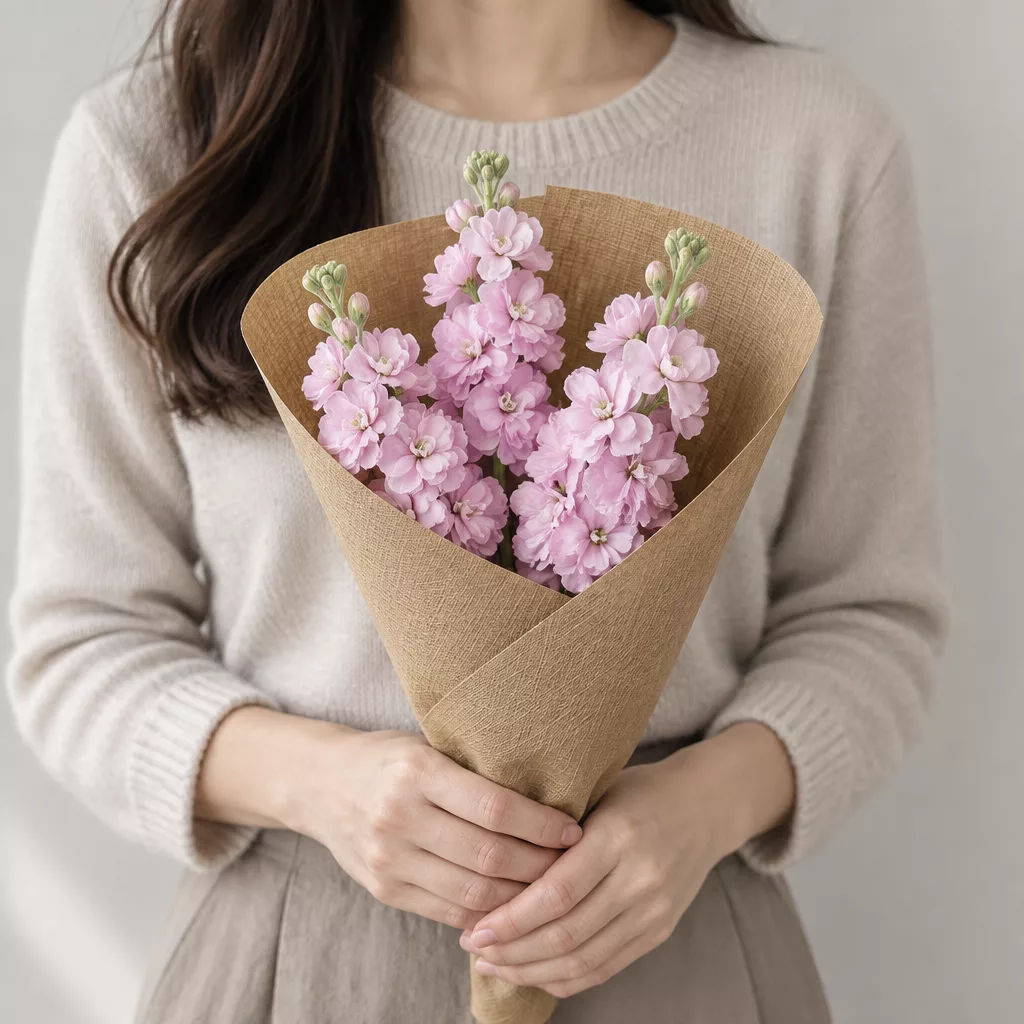
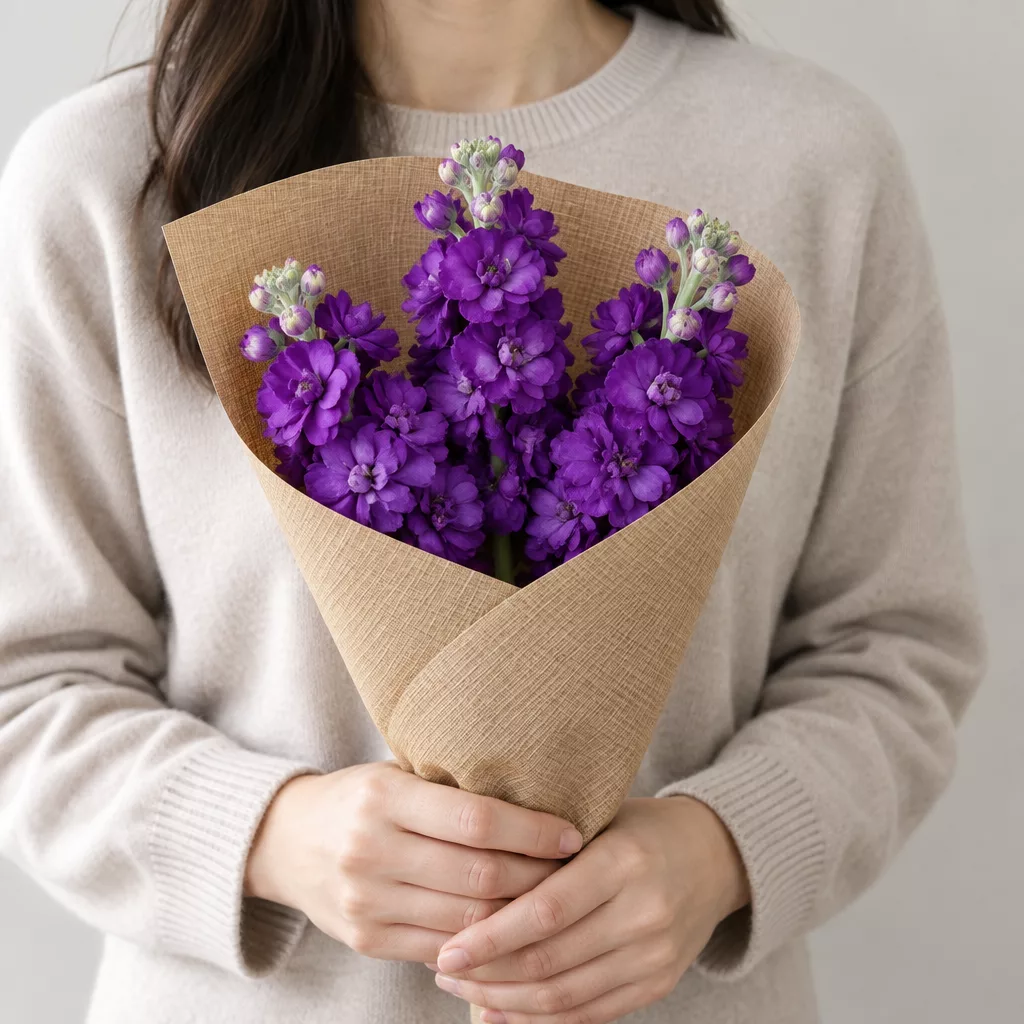
When Snapdragons Are Easiest to Source in Russia
Snapdragons are a cool-season flower, and that shapes everything about when they are at their best in Russia. Domestically grown stems peak twice a year: in late spring from roughly May through June, and again in early autumn from late August through October. During these windows, locally sourced snapdragons are fresher, more affordable, and available in a wider range of colours including deep burgundy, coral, pale yellow, and the classic white-and-pink bicolours.
During the winter months, most snapdragons in Russian flower shops come from Dutch auctions or greenhouse growers in warmer climates. These imported stems are perfectly fine, but they travel further and can be more expensive. The quality is reliable, though the colour selection may be narrower depending on what was available at auction that week.
Midsummer, particularly July and August, is the trickiest period. Heat is hard on snapdragons at every stage — in the field, in transit, and in the vase. If you are ordering in the height of summer, a good florist will condition the stems carefully and pack them with cool packs for delivery. At Turboflora we monitor stem temperature during transit because a snapdragon that has cooked in a hot van for an hour will wilt within a day regardless of how well you care for it at home. Choosing a morning or early evening delivery slot in summer is always a sensible idea.
Choosing Snapdragons for the Person and the Occasion
The first thing to think about is not colour but scale. Snapdragons come in dwarf, intermediate, and tall varieties. For a hand-tied bouquet meant to be carried and unwrapped, intermediate stems around fifty to seventy centimetres work best. They give presence without being unmanageable. Tall stems above eighty centimetres are magnificent in a vase arrangement but can be awkward to transport and receive.
Colour carries a different kind of meaning. Deep red and burgundy snapdragons feel rich and celebratory — excellent alongside garden roses for a significant birthday. Pale pink and white combinations read as soft and romantic, making them a lovely choice for a new mother or a spring anniversary. Yellow and peach snapdragons bring warmth and energy to a get-well bouquet or a congratulations arrangement.
For Knowledge Day on September 1st, when children across Russia bring flowers to their teachers, snapdragons are a genuinely thoughtful choice. A bunch of white and violet snapdragons mixed with small seasonal dahlias or asters looks abundant without being fussy, and it suits the slightly formal, celebratory mood of the day.
If you are sending to someone who does not have a large vase, ask for the stems to be cut shorter before arrangement. A compact bunch of snapdragons in a wide-mouthed jar looks intentional and stylish rather than cramped. The florist can adjust the stem length at packing so the bouquet works in a typical Russian apartment kitchen, which is often where flowers end up being displayed.
Budget Options and What You Get at Each Level
Snapdragons are one of the more accessible accent flowers in the Russian market, which is part of their appeal. At a modest budget, you can build a genuinely beautiful bouquet by pairing five to seven snapdragon stems with inexpensive seasonal greenery such as ruscus or pittosporum. The height and texture of the snapdragons do most of the visual work, so you do not need many stems to make an impression.
At a mid-range budget, snapdragons combine wonderfully with spray chrysanthemums, alstroemeria, or stock flowers. These combinations have a full, generous look that suits Russian gifting culture, where a bouquet that looks abundant is seen as more heartfelt. A mix of two or three flower types with snapdragons as the tallest element feels considered and layered.
At a higher budget, snapdragons work beautifully alongside garden roses, lisianthus, or peonies when in season. Here the snapdragons play a supporting role, adding verticality and a slightly wild, garden-gathered quality to what might otherwise be a formal arrangement. Varieties with ruffled or double florets, such as those in the Madame Butterfly group, are particularly striking in premium arrangements because the florets open wide and resemble small orchids.
One practical note: because snapdragons are sold by the stem rather than by the bunch in most Russian wholesale contexts, a florist can add just three or four stems to an existing order to lift the whole arrangement. If you are working with a tight budget, this is worth knowing — a few well-placed snapdragons can transform a simple rose bouquet into something that feels genuinely designed.
Caring for Snapdragons Once They Arrive
The single most important thing you can do when snapdragons arrive is to cut the stems immediately under cool running water and place them in a clean vase with fresh water. Cut at an angle, removing at least two to three centimetres from the base. This is not a formality — snapdragons seal their cut ends quickly, and a sealed stem cannot drink. An angled cut gives a larger surface area and keeps the stem from resting flat against the bottom of the vase.
Keep snapdragons away from direct sunlight, heating radiators, and fruit bowls. Ethylene gas released by ripening fruit is particularly damaging to snapdragons and will cause the florets to drop within a day or two. In Russian apartments during winter, radiators are often running at full heat, so finding a cooler corner of the room — or even a cool hallway — can add several days to the vase life.
Change the water every two days and re-cut the stems each time. If the lower florets begin to drop but the upper buds are still closed, remove the spent florets gently by hand. The upper buds will continue opening, and the spike will look fresh for longer. A flower food sachet, which Turboflora includes with every order, helps maintain water clarity and provides a small amount of sugar to support the opening of the upper buds.
Expect a vase life of seven to ten days under good conditions. In a cool room below eighteen degrees Celsius, well-conditioned stems can last up to twelve days, which is exceptional for a cut flower.
Common Mistakes That Shorten Vase Life
The most frequent mistake people make with snapdragons is leaving them in a warm room in too little water. Snapdragons are thirsty flowers and will drink a surprising amount in the first twenty-four hours after cutting. Check the water level on the first day and top it up if needed — a vase that is half empty by morning is a sign the stems are drinking well, but they need more water to keep going.
Another common error is overcrowding. When snapdragons are packed tightly with other flowers, the lower florets bruise and the stems cannot get enough airflow. Give them a little space in the vase, even if the bouquet looks slightly less full at first. The flowers will open over the next two to three days and the arrangement will fill out naturally.
Some people remove all the leaves from snapdragon stems, thinking this is best practice for all flowers. With snapdragons it is only necessary to remove leaves that will sit below the waterline, where they would rot and cloud the water. Leaves above the waterline are fine to leave and actually help the stem look fuller.
Finally, do not place snapdragons in a vase that has not been properly cleaned. Bacteria from a previous arrangement will shorten vase life significantly. A quick rinse with a small amount of bleach solution and then a thorough rinse with clean water takes thirty seconds and can add two or three days to the life of the flowers. This applies to any vase but matters especially for snapdragons, which are sensitive to bacterial buildup in the water.
Combining Snapdragons with Other Flowers for Maximum Effect
Snapdragons are what florists call a line flower — they create direction and height rather than focal points. This means they work best when paired with round or clustered flowers that anchor the eye. The classic pairing in Russian bouquets is snapdragons with roses, and it works because the spiky vertical lines of the snapdragon contrast perfectly with the dense, circular form of the rose head.
For a spring arrangement, try snapdragons with ranunculus and eucalyptus. The ranunculus provides delicate, layered focal flowers, the eucalyptus adds a silvery-grey texture and a subtle fragrance, and the snapdragons lift everything upward. This combination works in pale colours — blush pink, cream, and sage green — and photographs beautifully for gifts shared on social media.
In autumn, snapdragons pair naturally with dahlias and seasonal berries. Deep orange or burgundy snapdragons alongside café au lait dahlias and a few sprigs of hypericum berries create a rich, harvest-season feeling that suits September and October celebrations in Russia, including anniversaries and the autumn wave of corporate gifting.
For a simpler, more graphic look, try snapdragons with just one other flower type and a single foliage. Five white snapdragon stems with five deep purple lisianthus and a few stems of dark ruscus is an arrangement that looks expensive and deliberate. The contrast between the vertical snapdragons and the cupped lisianthus florets creates natural movement without needing many different elements. Sometimes restraint produces the most striking result, and snapdragons are one of the flowers that reward a confident, edited approach.
Snapdragons reward a little attention. When you choose them with the season in mind, pair them thoughtfully, and give them clean water and a cool spot, they last longer and look better than most people expect. Whether you are sending a bouquet across Saint Petersburg or arranging a delivery to another Russian city, adding snapdragons to the order is one of the simplest ways to make a bouquet feel genuinely alive rather than merely adequate. They are a flower that the recipient notices, touches, and remembers — and that is exactly what a good gift should do. We deliver bouquets across Russia in 1–2 hours.
Frequently asked questions
Are snapdragons available year-round for delivery in Russia?
Yes, snapdragons are available throughout the year, though the source changes by season. In spring and early autumn, locally grown stems are fresher and more varied in colour. In winter and midsummer, most stems come from Dutch or greenhouse suppliers. Quality remains good year-round, but spring and autumn offer the widest selection and the best value.
How long will snapdragons last in a vase at home?
Under good conditions — clean water, a cool room, and stems re-cut every two days — snapdragons typically last seven to ten days. In a room kept below eighteen degrees Celsius, well-conditioned stems can reach twelve days. The upper buds continue opening after the lower florets drop, so the spike looks fresh for longer than you might expect.
Can I send snapdragons as a standalone bouquet or do they need other flowers?
A mono-bouquet of snapdragons in a single colour or a gradient of related shades is a striking and underused choice. Ten to fifteen stems of tall white or deep burgundy snapdragons wrapped simply look intentional and elegant. They do not need supporting flowers to make an impression, though adding a little greenery gives the stems context and helps them stand upright in the vase.
Are snapdragons suitable for Knowledge Day bouquets on September 1st?
Snapdragons are an excellent choice for Knowledge Day. They are in their domestic growing season in early September, so stems are fresh and reasonably priced. White, violet, or yellow snapdragons mixed with asters or small dahlias suit the celebratory, slightly formal mood of the day and look generous without being overly expensive for a teacher's gift.
Why are my snapdragons wilting even though I just received them?
The most likely cause is that the stems sealed during delivery and cannot draw water. Re-cut at least two to three centimetres from the base under cool running water immediately, then place in a clean vase. If the room is warm or near a radiator, move the flowers somewhere cooler. Snapdragons recover quickly once they can drink, and most wilt cases resolve within a few hours of re-cutting.
Ready to send flowers?
Pick the city, choose the bouquet, and a local florist takes it from there.
Choose a city →