Spray Roses in Russia: How They Differ from Single-Head Roses
You are looking at two bouquets side by side — one built around large, open blooms, the other a cloud of smaller flowers on branching stems — and you are not sure which one actually says what you want to say. That confusion is completely normal. Spray roses and standard single-head roses are sold in almost every flower shop across Russia, yet most buyers have never been told what makes them different, when each one works better, or why the price gap between them exists. This article answers all of that plainly, from a florist's point of view.
What Spray Roses Actually Are and Why Russians Love Them
A spray rose is a rose variety bred to produce multiple small flower heads on a single branching stem, rather than one large bloom on a single upright cane. Each stem typically carries between three and nine buds at different stages of opening, which creates that layered, garden-gathered look that has become extremely popular in Russia over the last decade. Varieties like Lydia, Pepita, and Majolika are common in Russian wholesale markets and you will find them in bouquets from Vladivostok to Kaliningrad.
The appeal in Russian gifting culture is partly aesthetic and partly practical. Russians tend to give flowers in odd numbers — three, five, seven, eleven stems — and a bouquet of spray roses can look genuinely full and generous at a stem count that would look sparse with large-headed roses. That matters when the gift needs to feel abundant without the price climbing steeply.
Spray roses also carry a softer, more romantic visual weight than their single-head cousins. The smaller blooms feel less formal, which suits birthday gifts, thank-you gestures, and everyday expressions of affection. In cities like Saint Petersburg, where the aesthetic tends toward the refined rather than the showy, florists reach for spray roses constantly when building arrangements that need texture and movement rather than a single dramatic focal point. They are a workhorse bloom that photographs beautifully and travels well.
Bouquets we can deliver



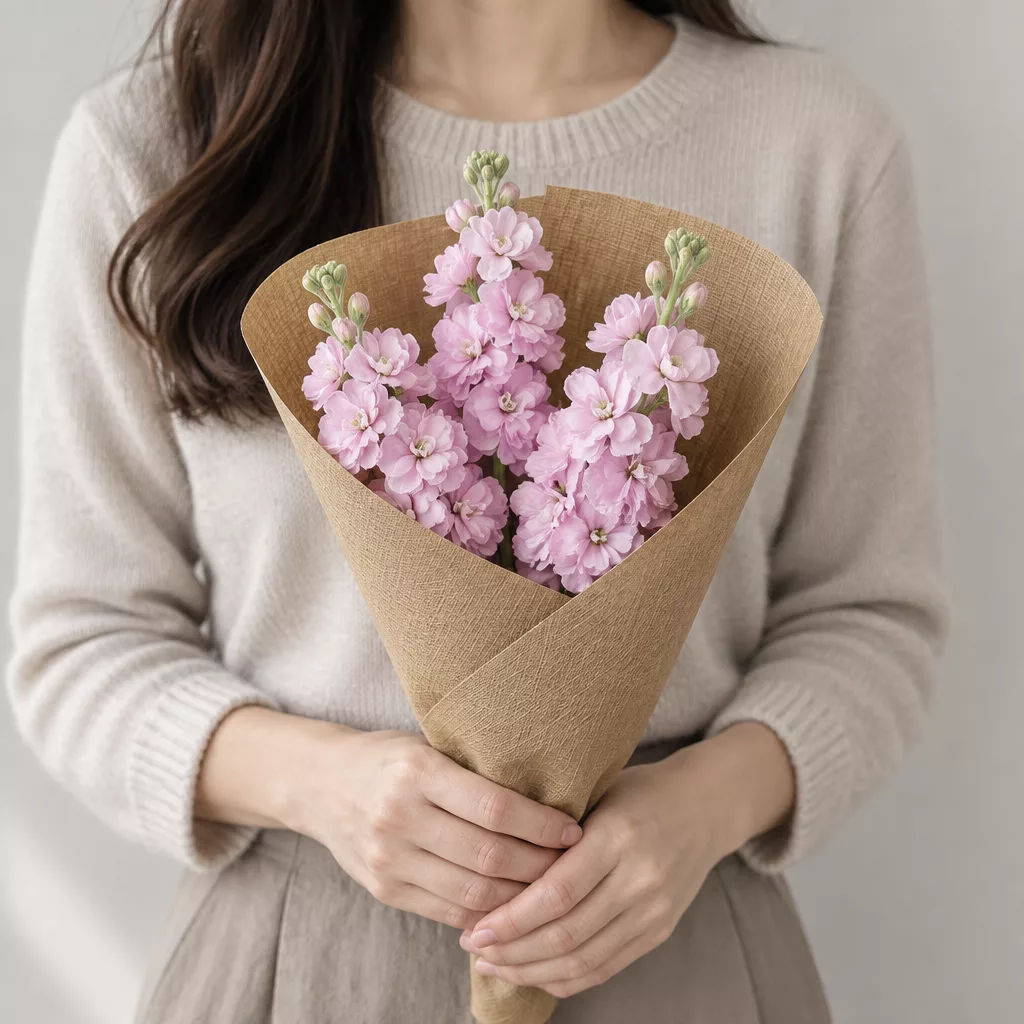
Single-Head Roses: When the Classic Choice Is the Right One
Standard single-head roses — varieties like Explorer, Red Naomi, Avalanche, and the ever-present Ecuadorian long-stem reds — are what most people picture when they hear the word rose. One stem, one large bloom, a clean upright line. In Russia they carry a specific cultural weight: they are the rose of formal occasions, of anniversaries, of the kind of gesture that is meant to be unmistakable.
The number given matters enormously in Russian tradition. A single red rose is an intimate, pointed declaration. Eleven or twenty-one long-stem roses in a box signal serious intention or celebration. Presenting a woman with a large bouquet of classic roses on March 8th — International Women's Day, which is the single biggest flower-giving day in Russia — is as conventional as it gets, and most recipients expect exactly that.
Single-head roses also dominate when presentation format matters. A hatbox or a round bouquet built entirely from large Avalanche or White O'Hara roses has a visual impact that spray roses simply cannot replicate. The scale of each bloom fills space differently, and when a recipient opens a box to find twenty creamy white heads all at the same stage of opening, the effect is immediate and unmistakable. For corporate gifting, teacher appreciation, and significant milestone birthdays, the single-head rose remains the default choice for good reason. It reads as serious, considered, and generous without needing explanation.
Cost Differences and What You Actually Get for the Money
Spray roses are consistently less expensive per stem than premium single-head roses, and the reason is straightforward: the flower heads are smaller, the growing cycle is shorter, and more stems fit into a standard transport box. When you are ordering from a shop like Turboflora that sources and delivers directly, that cost efficiency passes through to the final bouquet price.
However, comparing cost per stem misses the point. The more useful comparison is cost per visual unit — meaning how full and finished the bouquet looks for the money spent. A spray rose stem contributes five to eight flower heads to an arrangement. A single Ecuadorian rose contributes one, albeit a large one. This means that a mixed bouquet using spray roses as a supporting element alongside a smaller number of large focal flowers can achieve a very full, luxurious look at a price that stays reasonable.
Where buyers often overspend is in ordering large quantities of premium single-head roses when the occasion would be served just as well — or better — by a thoughtfully composed mixed arrangement. A florist who knows both bloom types will tell you that fifteen stems of large roses in a plain round bunch can feel less considered than a smaller number of focal roses surrounded by spray roses, seasonal foliage, and complementary filler. The mixed approach often photographs better, lasts longer in the vase because different blooms peak at different times, and signals that someone thought carefully about what they were sending rather than simply ordering by the dozen.
Building Bouquets: How to Combine Spray and Single-Head Roses Well
The most successful rose bouquets in a Russian florist's hands are rarely all one type. Spray roses and single-head roses were practically made to work together because their scales complement each other — the large blooms create focal points while the spray stems fill the space between them with texture and movement.
A reliable combination for a romantic or celebratory bouquet is three to five large focal roses — Red Naomi for drama, Avalanche for elegance, or a garden rose like David Austin's Juliet for something softer — surrounded by spray roses in a harmonious or contrasting tone. Add a layer of eucalyptus or ruscus and the arrangement has depth without looking overworked. This structure works in a hand-tied bouquet, in a hatbox, and in a tall vase arrangement.
Colour pairing is where many home arrangers go wrong. Mixing a deep red single-head rose with a pale pink spray rose can look muddy unless there is a clear tonal bridge — white spray roses or silver-grey foliage often provide that. Florists in Saint Petersburg tend to favour tonal bouquets — different shades of the same colour family — because they photograph cleanly and suit the city's restrained aesthetic. A bouquet moving from blush to dusty rose to ivory, using both spray and single-head varieties, is almost universally received well and works across a wide range of occasions from birthdays to new baby visits to housewarming gifts.
For very large statement arrangements, spray roses work as a mid-layer between tall focal blooms and low-lying greenery, giving the whole composition a full, florist-made quality that single stem types alone cannot achieve.
Vase Life: Which Rose Actually Lasts Longer at Home
This is the question buyers ask most often and the answer depends on several factors that have nothing to do with which type of rose is more expensive. Both spray roses and single-head roses, when cut correctly and kept in the right conditions, will last seven to twelve days in a home vase. The differences come from how they are handled before and after delivery.
Spray roses have a practical advantage in one specific situation: because each stem carries multiple buds at different stages, you get a longer show of fresh-looking blooms. As the first buds open fully and begin to fade, the tighter buds behind them are just starting to open. This staggered opening means the arrangement continues to look alive and changing for longer, even if the individual blooms are not lasting longer than single-head roses.
Single-head roses, particularly large Ecuadorian varieties grown at high altitude, are bred for stem strength and bloom longevity. A well-conditioned Avalanche rose in clean water in a cool room — below 20 degrees Celsius is ideal — can hold its form beautifully for ten days or more. The mistake most Russian households make is placing roses near a radiator in winter. Central heating in Russian apartments runs hot from October through April, and a vase sitting on a windowsill above a radiator will shorten vase life by half.
For both types: cut one to two centimetres from the stem at a diagonal on day one and again on day four, change the water every two days, remove any leaves sitting below the waterline, and keep the bouquet away from direct sunlight and ripening fruit. These four steps matter more than which variety you chose.
Choosing Between Them for the Occasion You Have in Mind
Think first about the recipient and the feeling you want to land, then about the format, and let the variety follow from there rather than the other way around.
For a romantic declaration or a significant anniversary, single-head roses in a classic format — long stems, a single colour, a generous count — carry the cultural weight the moment calls for. In Russia this is understood without explanation by both sender and recipient. The gesture is legible and intentional.
For a birthday, a thank-you, a new job celebration, or a visit to a friend who has just moved into a new apartment, spray roses either alone or mixed with complementary blooms are often the warmer and more personal choice. They feel less like a statement and more like a gift chosen with care for that specific person. A bouquet of soft peach and cream spray roses with a few stems of ranunculus and some eucalyptus says something different from a dozen red roses, and for many occasions that difference is exactly right.
For children's events, teacher gifts, and informal celebrations, spray roses in bright mixed tones — varieties like Sombrero or Lambada bring clear warm colours — are cheerful without being overwhelming. They also hold up well during transit in warm weather, which matters when you are sending flowers to arrive at a party that will run for several hours.
When you are genuinely unsure, a mixed bouquet that uses both types gives the florist the most to work with and tends to produce the most complete-looking result. Tell the florist the occasion and the recipient's general taste — that information is worth more than specifying a variety by name.
Spray roses and single-head roses are not competing products — they are two different tools that a florist uses to say different things. Single-head roses carry formality, scale, and cultural weight. Spray roses bring texture, warmth, and visual generosity at a pace the budget can follow. Knowing which one fits the moment, or knowing when to combine them, is the difference between a bouquet that is simply flowers and one that the recipient remembers. Turboflora's team delivers across Russia within one to two hours, which means the flowers that arrive are fresh enough to make either choice work exactly as it should.
Frequently asked questions
Are spray roses considered less impressive than single-head roses as a gift in Russia?
Not at all. Spray roses are widely appreciated and very commonly given. The perception depends on the bouquet's overall presentation and the occasion. A beautifully composed spray rose arrangement reads as thoughtful and stylish. Single-head roses carry more formal weight for milestone occasions, but spray roses are entirely appropriate for most gifting situations and are often preferred for their softer, more personal feel.
Can spray roses be used in a bouquet for March 8th, International Women's Day?
Yes, and they are used frequently. While large single-head roses dominate the traditional March 8th image, many recipients genuinely prefer the fuller, more garden-like look of spray rose arrangements. A mixed bouquet combining some classic roses with spray varieties and seasonal greenery is a strong choice that feels both celebratory and considered, particularly for younger recipients or those with a more contemporary aesthetic.
How do I stop my roses from drooping in the first day after delivery?
Re-cut the stems diagonally as soon as the bouquet arrives, removing one to two centimetres. Place them immediately in clean cool water. Avoid warm rooms, direct sunlight, and any position near a radiator or heating vent. If a head droops, try wrapping the whole bouquet tightly in paper and standing it in deep cool water for two hours — this often revives stems that have dried slightly during transit.
Do spray roses and single-head roses need different care at home?
The basic care is the same for both: clean water, cool temperature, regular stem re-cuts, and leaves kept out of the water. One practical difference is that spray rose stems branch, so you should remove any small leaves and side shoots sitting below the waterline more carefully. With single-head roses, watch for guard petals — the outermost petals that may look bruised — and remove them gently to reveal the cleaner bloom underneath.
Is it possible to order a bouquet that mixes spray roses and large single-head roses?
Absolutely, and mixed bouquets like this are among the most popular choices. Combining a smaller number of large focal roses with spray roses and foliage produces a full, layered arrangement that looks professionally composed. When ordering, simply mention the occasion and any colour preferences — the florist will balance the varieties to create something that works as a whole rather than as two separate flowers placed together.
Ready to send flowers?
Pick the city, choose the bouquet, and a local florist takes it from there.
Choose a city →