Spring Flowers for March 8: What Is Really Available Across Russia
March 8 is the biggest flower day of the year in Russia — bigger than Valentine's Day, bigger than any wedding season peak. Every woman in the country expects flowers, and the shops know it. That means the market moves fast, prices climb in the final days, and certain flowers disappear from warehouses before most people have even started thinking about what to order. If you are sending flowers to someone in Russia and want them to arrive looking genuinely beautiful rather than like a last-minute rescue, it helps to understand what is actually growing and what is being flown in — and when each of those options runs out.
Why March 8 Is Unlike Any Other Flower Holiday
International Women's Day on March 8 is a public holiday in Russia with deep cultural roots. It is not a romantic occasion in the Western sense — it is celebrated across generations, from grandmothers to schoolgirls, and men give flowers to mothers, colleagues, teachers, and partners alike. The expectation is almost universal: if there is a woman in your life, she receives flowers that day.
This creates a logistical situation that has no real equivalent in Western Europe or North America. Russian flower wholesalers import enormous volumes in the two weeks before March 8, and local growers in the south of the country — particularly in the Krasnodar region — push their greenhouses hard to meet demand. Despite all of that preparation, popular varieties still sell out. Tulips, which are the symbolic flower of the holiday, are the first to go.
For anyone sending flowers from abroad, or ordering online for a recipient in another Russian city, the practical lesson is simple: order earlier than feels necessary. What is available on March 5 will look very different from what remains on March 7 evening. A florist working with fresh stock can build a genuinely lovely arrangement; a florist scraping together what is left will do their best, but the result reflects the circumstances. Understanding the seasonal supply picture helps you make a better choice — and helps you know when to trust a substitute.
Bouquets we can deliver


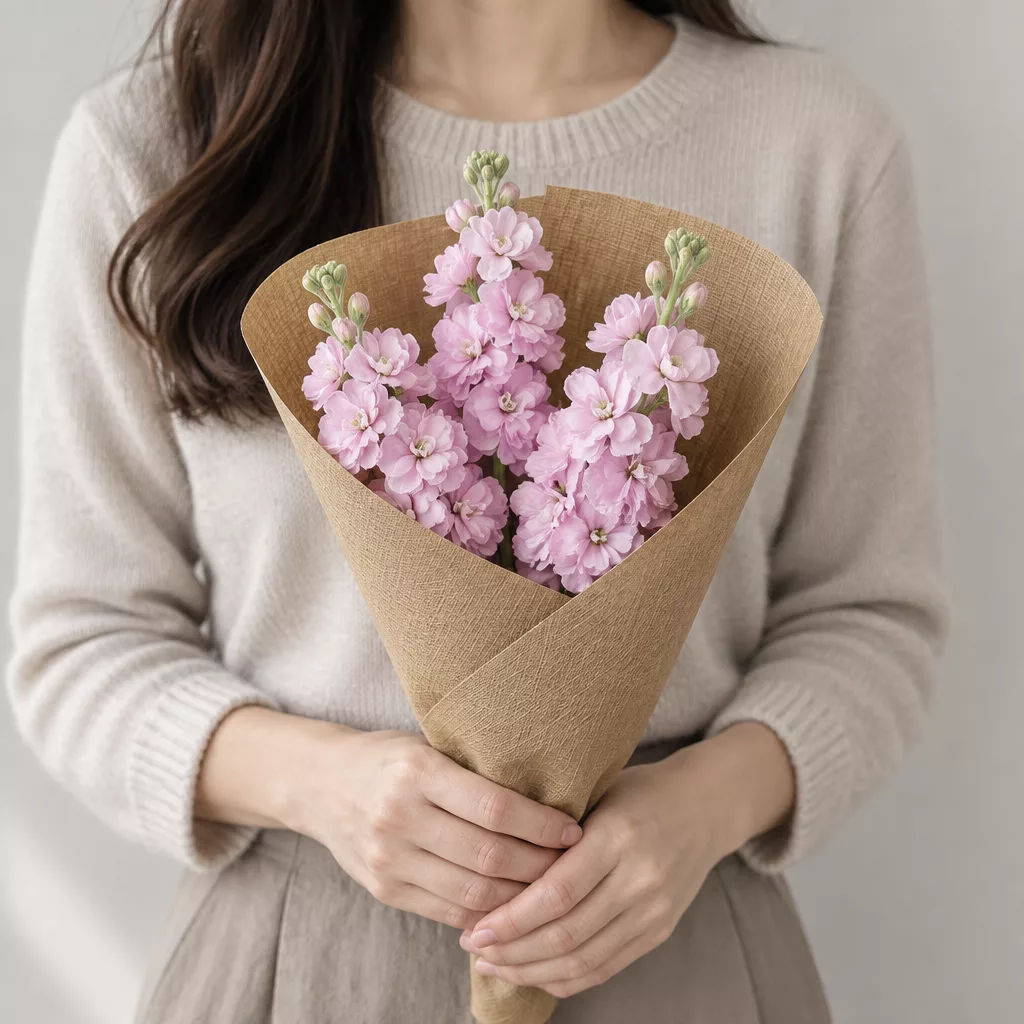
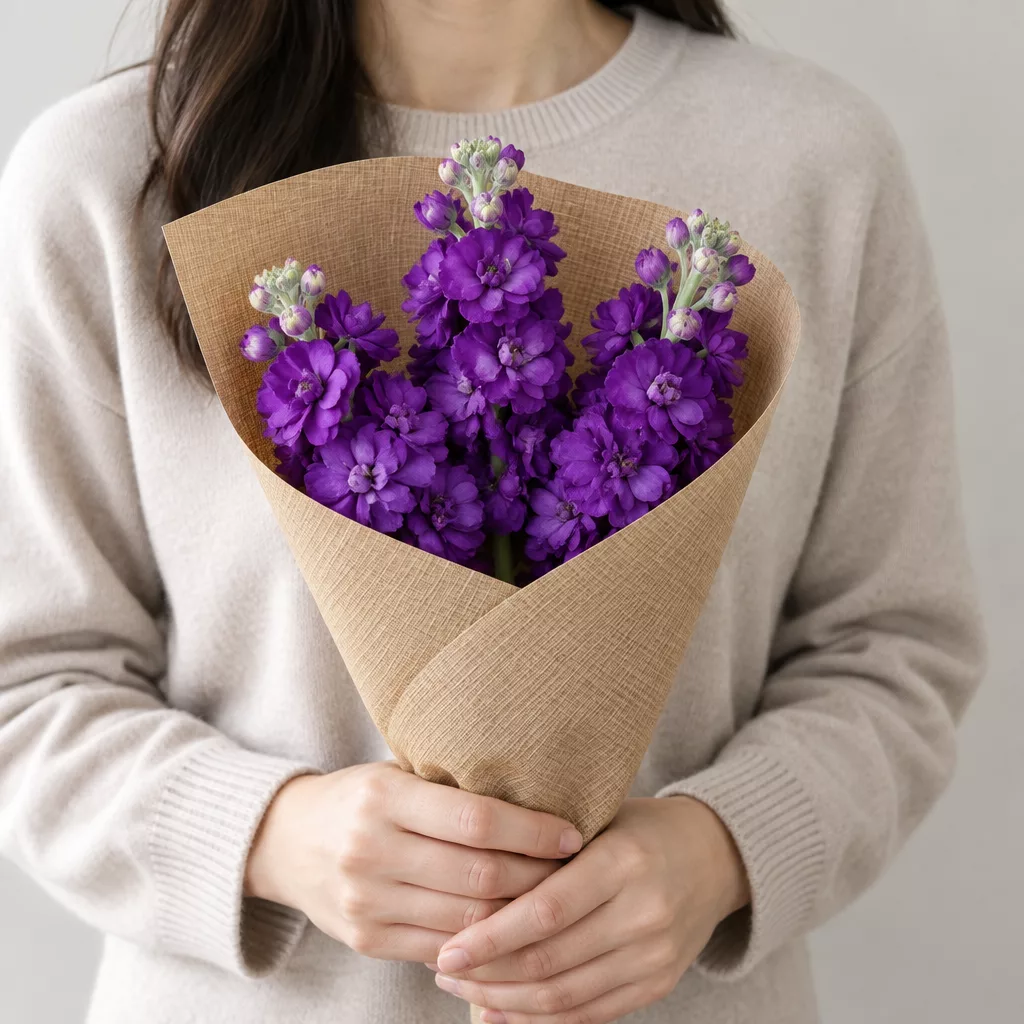
Tulips: The Star of the Holiday and the First to Disappear
Tulips are the defining flower of March 8 in Russia. They are affordable, cheerful, unmistakably spring, and they come in almost every color. Dutch varieties dominate the Russian import market — strong-stemmed cultivars bred for long transport, including single-color classics in red, yellow, white, pink, and purple, as well as fringed and parrot types that add texture to a bouquet.
In early March, tulips are genuinely in season. They are not forced out of their natural window the way roses sometimes are; tulip bulbs are cooled and timed specifically for this period, and the flowers that arrive in Russia from the Netherlands and from domestic Krasnodar greenhouses in the first week of March are typically at their best. Stems are firm, petals are tight, and a well-kept tulip will open beautifully over three to five days at room temperature.
The problem is volume. Demand for tulips around March 8 is so extreme that even large importers run short. By March 6 or 7, many wholesalers are allocating remaining stock to existing clients only. If you are ordering a tulip bouquet, doing so by March 4 or 5 gives you access to the full range of colors and stem counts. Waiting until the day before the holiday means you may receive whatever color remains rather than the shade you wanted. Tulips also bruise easily in cold temperatures below minus five Celsius during delivery, so in cities where late-winter cold snaps are common — Novosibirsk, Yekaterinburg, Kazan — packaging matters as much as the flowers themselves.
Mimosa: The Flower That Actually Belongs to This Day
Before tulips became dominant, mimosa was the March 8 flower in Soviet tradition. The fluffy yellow branches — technically silver wattle, Acacia dealbata — were sold by vendors on every street corner, and the association remains strong for older generations. Many Russian women over fifty feel a particular warmth when they receive mimosa, precisely because it carries that memory.
Mimosa is imported primarily from Italy and from the warmer parts of the Caucasus region. It arrives in Russia in late February and stays available through the first two weeks of March, which makes the timing genuinely reliable. The branches are fragrant, intensely yellow, and visually dramatic — a large bunch of mimosa fills a room with color in a way that a dozen tulips simply does not.
The challenge with mimosa is its short vase life. At room temperature in a heated Russian apartment, mimosa will begin to shed its tiny florets within three to four days. It is not a flower you send a week early. It also dries out quickly if left without water, so delivery packaging needs to keep the stems damp. When it is fresh and well-handled, though, mimosa is one of the most joyful things you can put in a vase. It works beautifully alongside white or cream tulips, where the yellow and white contrast is clean and bright. It also pairs well with eucalyptus stems, which add a soft grey-green that keeps the arrangement from feeling too sweet.
Ranunculus, Hyacinths, and Anemones: The Underrated Options
When tulips are running low, experienced florists reach for ranunculus, hyacinths, and anemones — three flowers that are genuinely available in early March and that photograph beautifully without looking like a compromise.
Ranunculus, sometimes called Persian buttercup, comes in layered pastel shades — blush, peach, cream, coral, and deep burgundy. A single stem holds dozens of petals and looks far more elaborate than its cost suggests. Ranunculus is imported from Italy and the Netherlands and is reliably available in Russian wholesale markets through February and March. It has a vase life of seven to ten days when kept in cool water, which is longer than tulips.
Hyacinths are another strong choice. They are fragrant, which makes them memorable in a way that visual flowers sometimes are not — a recipient notices hyacinths before she even sees them. They come in white, pale blue, deep purple, and pink. The stems are short and sturdy, which means they work best in compact arrangements or low vases rather than tall ones. Hyacinths are grown domestically in Russian greenhouses as well as imported, so supply is relatively stable.
Anemones — the dark-centered, jewel-toned flowers with poppy-like petals — add drama to any spring arrangement. They come in deep red, violet, white, and bi-color varieties. Anemones are more delicate than ranunculus and need careful handling in cold weather, but when they arrive in good condition they are striking. Combining all three — ranunculus, hyacinths, and anemones — in a single arrangement gives a layered, garden-style result that feels genuinely seasonal.
Roses and Spray Roses: The Reliable Backbone of Any Bouquet
Roses are available year-round in Russia because they are imported continuously from Ecuador, Colombia, Kenya, and the Netherlands. In early March, Ecuadorian roses dominate the high-end market — they have longer stems, larger heads, and better color saturation than European varieties at the same price point. Kenyan roses are typically shorter-stemmed but dense and long-lasting.
For March 8, roses work best when they are not treated as the entire arrangement. A bouquet of twenty identical red roses is a classic, but it can feel generic for a holiday that is specifically about spring. Mixing roses with seasonal companions — ranunculus, mimosa, or muscari — brings them into the moment. Blush and cream roses sit particularly well with spring flowers because they do not compete with the pale yellows and pinks that define the season.
Spray roses, which produce multiple small blooms on a single branching stem, add texture and volume without requiring many stems. They are useful when you want a full-looking arrangement at a moderate stem count. Varieties like Lydia, with its soft pink cluster blooms, or white spray roses combined with eucalyptus give a light, airy result that photographs well and lasts well.
One common mistake with roses around March 8 is ordering red roses by default without considering the recipient's preferences. For younger women, garden-style arrangements with mixed textures tend to feel more personal. For older recipients, a classic full-headed rose in a clean color — white, deep pink, or cream — is almost always received warmly. Roses travel well in cold conditions, which makes them practical for deliveries across Russia's varied climates.
Flowers That Are Harder to Find in Early March
Some flowers that look like obvious spring choices are actually difficult to source in Russia in early March, either because they are not in season or because the supply chain does not support them at scale during the holiday rush.
Peonies are the most common disappointment. They are enormously popular and associated with warmth and femininity, but their natural season in Russia does not begin until late May or June. Imported peonies from Ecuador and Kenya are available year-round, but around March 8 the wholesale demand for tulips and roses crowds them out of many suppliers' allocations. If peonies are available, they tend to be expensive and in limited colors — usually pale pink or white. If your heart is set on peonies for March 8, confirm availability well in advance rather than assuming they will be there.
Freesias are another flower that looks seasonal but is often inconsistently stocked. They are fragrant and delicate, and they work beautifully in mixed arrangements, but their stems are fragile and they do not travel well in freezing temperatures. In cities with harsh early-March weather, freesias may arrive bruised.
Lilac, despite being a classic Russian spring flower, is almost never available in early March because it blooms in late April and May. Forced lilac branches do exist but are rare and expensive. Narcissus — daffodils — are more reliably available and make a good substitute for anyone who wants that fresh, green, early-spring feeling. They are robust, fragrant, and pair well with tulips in a way that feels genuinely seasonal rather than assembled from whatever was left.
How to Choose the Right Arrangement for Your Recipient
The most important question is not which flower is most available — it is who is receiving the bouquet and what the gesture is meant to say. A mother receiving flowers from her adult child expects something warm and generous. A colleague expects something appropriate and cheerful. A partner expects something personal. The flower choice and arrangement style should reflect that.
For a mother or grandmother, mimosa combined with cream roses or white tulips is a deeply resonant combination in Russian culture. It feels like the holiday itself. For a younger woman, a garden-style mix of ranunculus, anemones, and eucalyptus in soft tones feels considered and current. For a colleague or teacher, a clean mono-bouquet of tulips in a single color is universally appropriate and never awkward.
Budget affects stem count more than flower type. A smaller number of high-quality ranunculus or roses, well-arranged with greenery and wrapped thoughtfully, looks more intentional than a large bunch of flowers crammed together. Florists who work with March 8 orders regularly know that presentation — the wrapping paper, the ribbon, the way the stems are cut and angled — matters as much as the flowers inside.
If you are ordering for delivery to a city you do not know well, mention the recipient's age and your relationship to her when placing the order. A florist who knows you are sending to a sixty-year-old mother in Novosibirsk will make different choices than one who assumes a generic recipient. That context, given early, is the difference between a bouquet that feels personal and one that simply arrived.
March 8 in Russia is a holiday that rewards a little preparation and punishes last-minute decisions. The flowers that define the season — tulips, mimosa, ranunculus, hyacinths — are genuinely beautiful and genuinely available, but they move quickly. Ordering a few days early gives you access to the best stock, the widest color range, and the time to think about what will actually mean something to the person receiving it. When tulips run out, the alternatives are not lesser choices — they are often more interesting ones. A bouquet built around ranunculus and anemones, or mimosa with cream roses, can be more memorable than a standard tulip bunch precisely because it required a moment of thought. We deliver bouquets across Russia in 1–2 hours.
Frequently asked questions
When should I order flowers for March 8 delivery in Russia?
Order by March 4 or 5 at the latest if you want full choice of colors and flower types. Tulips and mimosa sell out fastest. Ordering early also means your recipient can receive flowers on March 7 evening or the morning of March 8 rather than during the midday rush when delivery windows are tightest.
Are tulips actually in season in Russia in early March?
Yes. Tulips are timed specifically for this period — Dutch bulb growers cool and schedule them to peak in late February and early March. Domestic greenhouse tulips from the Krasnodar region also arrive at this time. The challenge is not seasonality but demand: supply runs short well before the holiday itself.
What is a good substitute if tulips are sold out?
Ranunculus is the closest match in feel — layered, pastel, and genuinely spring-like. Anemones add drama if you want something bolder. Hyacinths bring fragrance that makes the bouquet memorable even before it is seen. Any of these, combined with eucalyptus or soft greenery, produces an arrangement that feels seasonal and considered.
How long do spring flowers last in a Russian apartment in March?
Russian apartments are typically very warm in winter, which shortens vase life. Tulips last three to five days; ranunculus seven to ten days in cool water; mimosa three to four days before shedding. Keeping flowers away from radiators and direct sunlight, and changing the water every two days, extends life noticeably for all spring varieties.
Is March 8 only for romantic partners, or is it broader than that?
It is much broader. Russian men give flowers on March 8 to mothers, grandmothers, sisters, female colleagues, teachers, and friends — as well as partners. It is a holiday for all women, not a romantic occasion. This is why the flower volumes are so extraordinary: the gifting is practically universal across the country on that one day.
Ready to send flowers?
Pick the city, choose the bouquet, and a local florist takes it from there.
Choose a city →