Stattice flower: what statice is and how to enjoy it
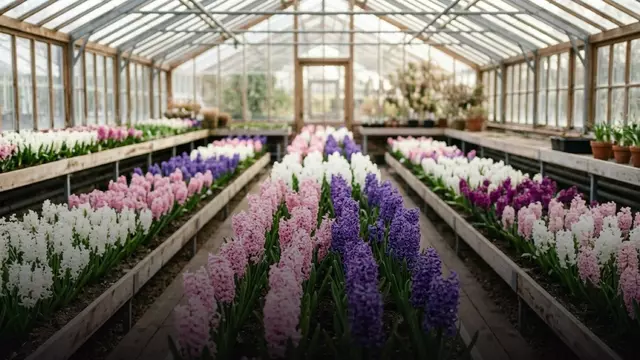
The “stattice flower” you are searching for is usually spelled statice: a cut flower with branching stems and clusters of small, papery cups. Florists commonly use Limonium sinuatum, which adds colour and texture to fresh bouquets and also dries well. Much of its lasting colour comes from the calyces surrounding the tiny true flowers.
Statice works as a supporting flower beside larger blooms or as a textured bunch on its own. If you are choosing it for someone else, first decide whether you want a fresh bouquet to put in water or a dried arrangement to display without water: the care is different. Here is how to recognise good stems, choose a suitable combination and keep the flowers looking their best.
How to recognise statice and choose good stems
Common cut-flower statice has upright, branching stems topped with clusters in purple, lavender, pink, white or yellow. Its stems often have noticeable flattened wings or ridges. The coloured parts feel dry and slightly crisp even when the stem is fresh; that papery texture is normal, so touch alone will not tell you whether a bunch has dried out.
Look instead at the whole stem. For a fresh arrangement, choose firm stems with well-developed colour and clean branching points. Avoid bunches with visible mould, a musty smell or slimy stem ends. A few delicate pieces can break during handling, but extensive shedding or crushed clusters will leave gaps that are difficult to hide in a small bouquet.
Sea lavender is another common name, although statice is not the culinary lavender used for its fragrance. The name also covers several Limonium species, so photographs are more useful than a name alone when you have a particular look in mind. Show the colour, cluster shape and overall bouquet style you want rather than assuming every flower labelled statice looks identical.
What statice means and when to give it
Statice is often associated with remembrance and lasting affection, partly because its coloured calyces remain attractive after drying. These are floral traditions rather than fixed meanings understood by every recipient. You can give it simply because someone likes its colour or texture; there is no need to assign a hidden message to every stem.
For a birthday or a thank-you, statice can add an informal, garden-like feel around larger flowers. Purple brings a strong accent, while pale pink or white can make a softer combination. Colour descriptions are subjective, and screens can distort shades, so use a reference photo if matching the recipient’s preferences matters more than choosing a symbolic colour.
For condolences or a remembrance occasion, consider the family’s customs before choosing an arrangement. In Russia, an odd number of main flowers is customary for celebratory gifts, while even counts are traditionally associated with mourning; mixed bouquets with many branching stems are less straightforward to count. Explain the occasion when discussing the bouquet, and make your card message clear and personal.
Bouquets we can deliver




How to use statice in a balanced bouquet
Think of statice as a way to build texture between the main flowers. Several small sprays distributed through a bouquet usually create a more balanced result than one dense patch at the edge. Leave the larger flower heads visible: tightly packing statice around every bloom can hide their shape and make the arrangement look crowded.
A restrained palette is useful if you are unsure where to begin. Purple statice can provide contrast against yellow flowers, while white statice adds detail with less colour contrast. For a gentler effect, choose neighbouring shades such as lavender and pink. These are design options, not rules; the recipient’s taste should guide the choice.
For a bunch of statice on its own, pay attention to the outline and vase opening. A narrow neck holds the stems upright and concentrates the colour; a wider opening allows a looser shape but needs enough stems to avoid a sparse centre. If you intend to dry the flowers later, choose a design you can easily separate into small bunches.
Fresh statice care: water, trimming and placement
Unwrap the bouquet enough to release the stems, then put fresh statice in a clean vase with fresh water. Use clean, sharp scissors or secateurs to recut the stem ends, and remove any foliage that would sit below the waterline. Keep the flower clusters above water: their papery surface does not mean they should be soaked or misted.
Check the water daily and replace it regularly, cleaning the vase if a film develops. If you use cut-flower food, follow the packet’s dilution instructions rather than guessing the amount. Remove deteriorating plant material promptly, and recut the ends if needed so the stems can continue taking up water through a clean cut.
Choose a position away from direct sun, radiators and drying draughts. Statice can retain its colour after other flowers fade, but that does not mean an entire mixed bouquet will last equally long. Remove declining flowers individually and refresh the remaining arrangement; judge its condition by clean stems and healthy flower heads rather than a promised number of days.
How to dry statice and display it afterwards
Start drying while the coloured clusters still look good, before the stems become slimy or the flowers show mould. Lift the statice out of the vase, remove unwanted foliage and let surface moisture dry. Divide it into small bunches so air can move between the stems; a thick, tightly tied bundle can trap moisture in its centre.
Hang the bunches upside down in a dry, shaded place with good ventilation. Keep them out of direct sunlight, which can fade the colour, and avoid humid rooms. Drying time varies with the bunch size and room conditions, so check the stems rather than relying on a fixed deadline: they should feel dry and firm throughout before you arrange them.
Once dried, display statice in an empty vase and keep it away from splashes and condensation. Handle it by the stems because the clusters become more brittle as they dry. To remove light dust, try a very soft brush with a gentle touch; do not wash the flowers. Some colour change and shedding are normal, so a dried bunch will not stay unchanged indefinitely.
How to arrange a flower delivery to Russia
If you are ordering from abroad, start with the recipient’s city, address, occasion and preferred delivery date. Browse the bouquets catalogue, then discuss your preferred colour and whether statice is essential to the design. A flower guide does not confirm current availability; agree the bouquet details before relying on a particular stem or shade.
Turboflora delivers flowers across Russia. City delivery costs 500 RUB; for remote districts and suburbs, the operator confirms the delivery price when confirming the order. In large cities, express delivery is available in 1–2 hours after confirmation. You can also choose an exact time with a ±30-minute allowance, a 09–12, 12–15, 15–18 or 18–21 window, or preorder 1–30 days ahead.
Contact a manager on WhatsApp for help choosing the bouquet, agreeing the time and address, arranging the card text and requesting a photo before delivery. Specify the date and time in the recipient’s city to avoid confusion across time zones. A card with your text is free, and delivery is anonymous by default: the courier does not name the sender.
The courier calls the recipient about 15 minutes before arrival. If they are absent, we agree a second delivery that day or a handover to a neighbour or concierge with the sender’s consent. Online checkout uses CloudPayments; check the payment options shown there for your card. See delivery and payment when planning the order, and include your name in the card if you want the recipient to know who sent it.
Frequently asked questions
Is “stattice” the same flower as statice?
“Stattice” is usually a misspelling of statice, a flower commonly sold as Limonium sinuatum. Searching for “statice” will help you find more relevant care advice and flower photographs.
Does fresh statice need water?
Yes, freshly cut statice belongs in a clean vase with fresh water. Its papery coloured calyces can feel dry while the stem is still fresh; fully dried statice should be displayed without water.
Can I dry statice from a mixed bouquet?
Yes, separate healthy statice stems while their colour and structure are still good. Hang them in small bunches upside down in a dry, shaded, ventilated place, and discard any stems showing mould or decay.
Is statice suitable for a birthday bouquet?
Yes, statice can add colour and texture to a birthday bouquet, especially when it suits the recipient’s taste. Its association with remembrance does not restrict it to memorial arrangements.
Can I order flowers to Russia using a foreign card?
Online checkout uses CloudPayments, and you should check the payment options displayed there for your card. Acceptance of every foreign card is not guaranteed.
Ready to send flowers?
Pick the city, choose the bouquet, and a local florist takes it from there.
Choose a city →