Sending Sunflowers Across Russia? Here Is Everything You Need to Know
Sunflowers have a way of making people feel immediately, uncomplicated happy. They are bold without being formal, cheerful without being childish, and generous in size in a way that fills a room rather than just a vase. If you are thinking about sending them to someone in Saint Petersburg, Moscow, or anywhere else across Russia, this article will help you choose the right moment, the right combinations, and the right expectations for delivery.
When Sunflowers Are Truly at Their Best in Russia
Sunflowers grown in Russia follow the sun quite literally. Domestic field production peaks from late July through early September, when farms in the Krasnodar and Stavropol regions harvest at full capacity. During these weeks, the stems arriving at flower markets are thicker, the heads are fuller, and the petals hold their deep golden colour for longer after cutting. This is the window when you are getting the most flower for your money.
Outside that peak window, sunflowers in Russian flower shops come from greenhouse growers in the Netherlands and, increasingly, from producers in Ecuador and Colombia. Imported stems are available year-round and are perfectly beautiful, but they tend to run slightly smaller in head diameter and travel longer distances before reaching the vase. That is not a reason to avoid them — it is simply a reason to factor in where the flower has come from when you are thinking about vase life.
Winter sunflowers, arriving in January and February, are almost entirely imported. They are usually single-stem varieties bred specifically for cold-chain transport, with tighter petals that open slowly over several days. This slower opening is actually an advantage for a gift: the recipient watches the flower unfold across the first two or three days, which extends the sense of occasion. Spring and early summer bring a transitional mix of imported and early domestic greenhouse stock, with quality rising steadily as outdoor growing seasons approach.
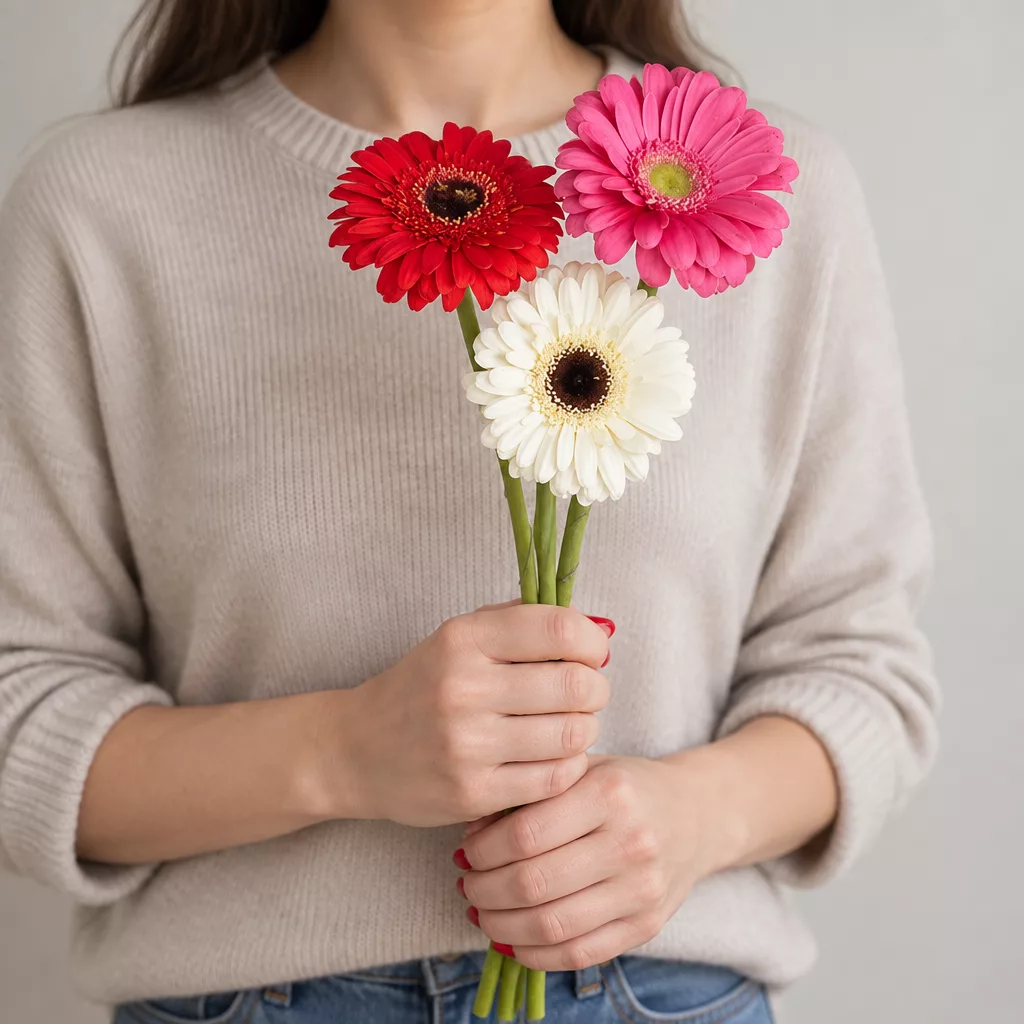
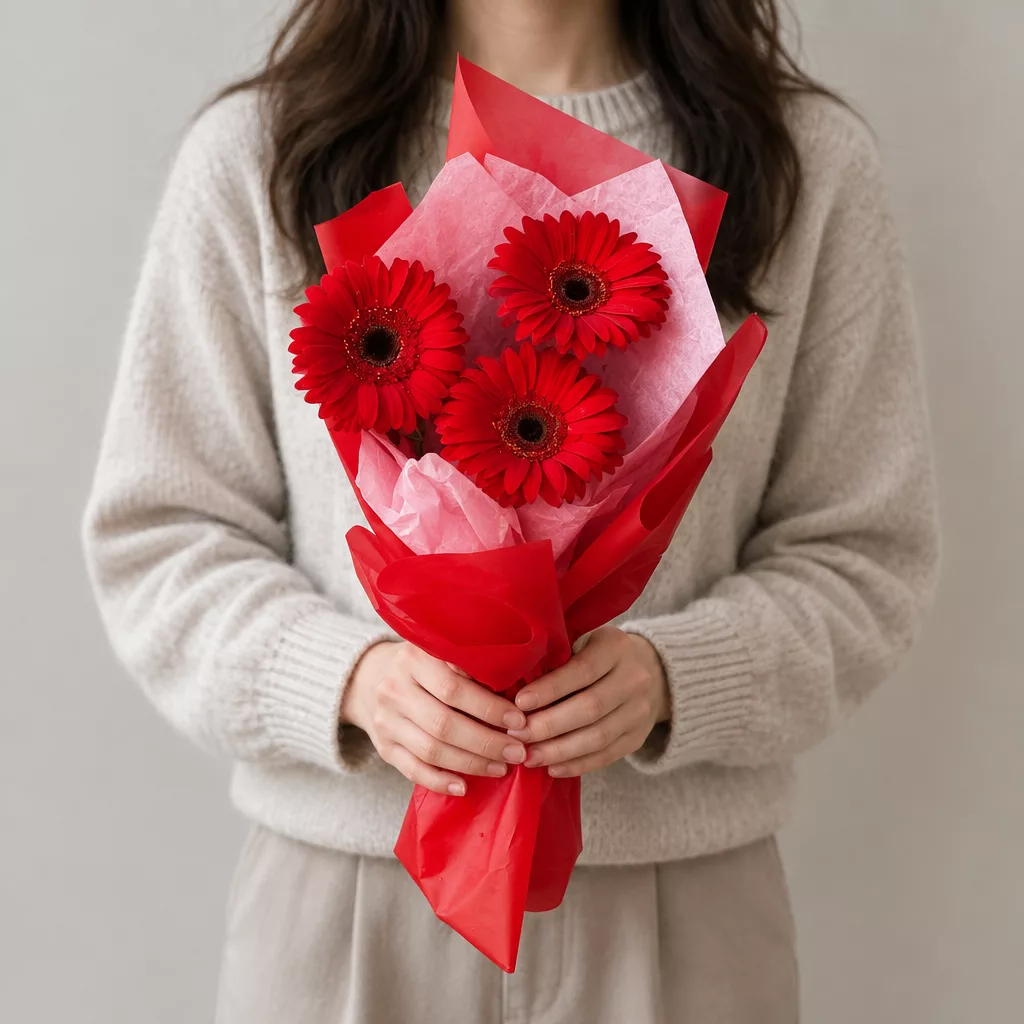
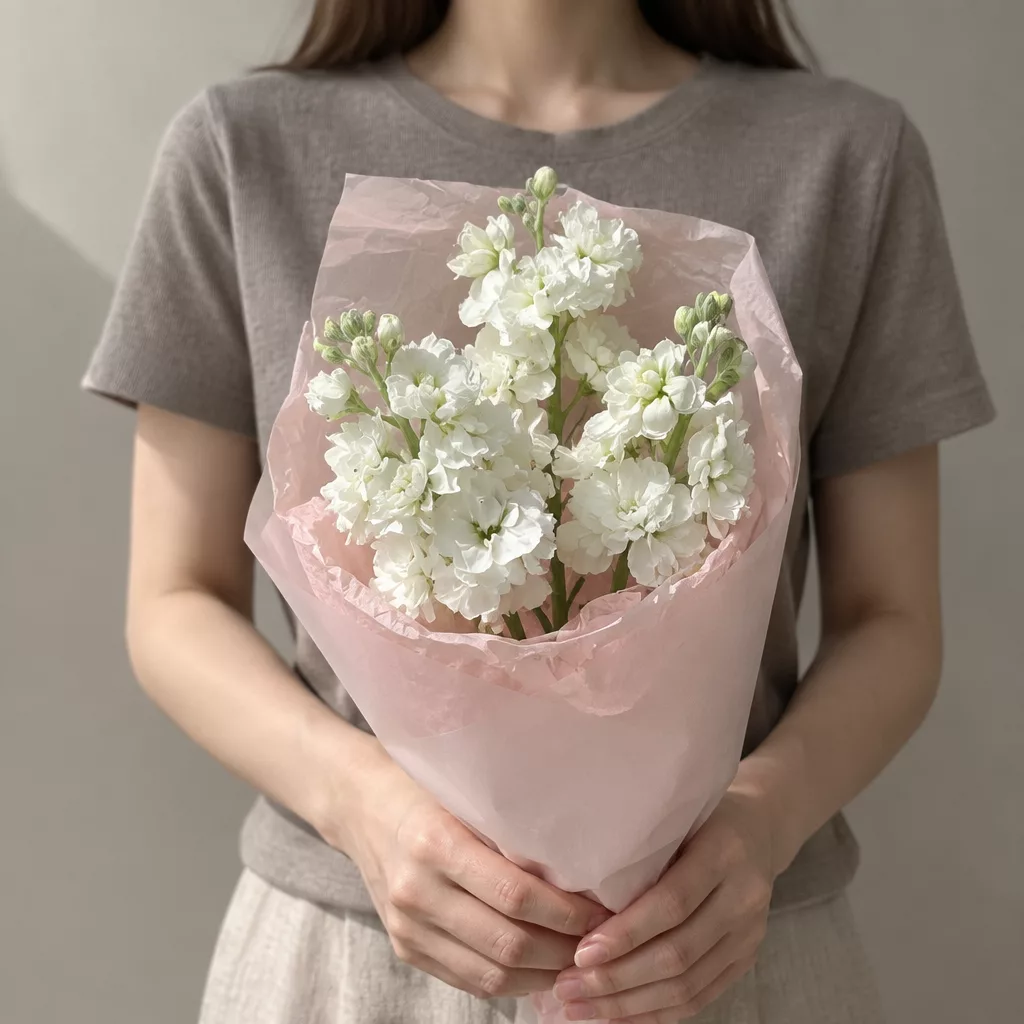
Bouquets we can deliver

How Sunflowers Handle Same-Day Delivery in Russian Cities
Sunflowers are structurally robust flowers, which is one reason they suit same-day and express delivery well. The stem is thick and woody enough to hold water efficiently even during transport, and the head does not bruise the way a rose or peony might if the packaging shifts. That said, temperature matters enormously. Sunflowers are warm-weather plants that dislike being chilled below about eight degrees Celsius. Unlike roses, which benefit from cool storage, a sunflower kept too cold will develop a glassy, water-soaked look at the base of the petals — a sign of chill damage that cannot be reversed.
For summer deliveries in Russian cities, where outdoor temperatures can exceed thirty degrees, the opposite challenge applies. A sunflower sitting in a warm courier bag for more than forty minutes without water will begin to droop noticeably at the neck. This is why packaging method matters as much as speed. Stems should travel in a water-retaining sleeve or wrapped with a damp pad at the base, and delivery should happen within the promised window rather than being left for a more convenient time.
In Saint Petersburg specifically, the combination of high summer humidity and warm temperatures means sunflowers need to move quickly from florist to recipient. When the bouquet arrives and the recipient places it in a vase within fifteen to twenty minutes of receiving it, the flower will stand straight and last well. Leaving it in a warm hallway for an hour while the recipient is still at work is the most common cause of early drooping — worth mentioning in your delivery note if timing is uncertain.
Understanding the Price Range and What Drives It
Sunflowers sit in an accessible price range compared to roses, peonies, or imported tropical stems. During peak Russian domestic season in August, single stems are among the most affordable options at any flower shop, which is part of their appeal for large, generous-looking bouquets that do not require a large budget. A bouquet of seven to nine sunflowers, dressed simply with greenery, can look genuinely impressive while remaining accessible.
Prices rise in winter for straightforward reasons: imported stems carry freight and cold-chain costs, and availability from domestic growers is essentially zero. January and February sunflowers can cost two to three times their August equivalents per stem. This is worth knowing if you are planning a bouquet for a winter birthday or New Year celebration and sunflowers are the specific request — the bouquet is still very achievable, just priced differently than it would be in summer.
Within any season, the size of the flower head affects cost. Large-headed varieties, sometimes called giant or mammoth types in trade catalogues, command a premium because they require more growing time and more careful handling in transport. Standard single-stem varieties with heads of roughly ten to twelve centimetres across are the everyday workhorse of the sunflower market and represent the best value. Multi-headed or branching sunflower varieties — where one stem carries three to five smaller flowers — offer a different visual effect and often sit at a mid-range price, giving good coverage in a mixed bouquet without dominating every other element.
Which Flowers Combine Beautifully With Sunflowers
Sunflowers are generous but they are also strong-willed in a bouquet. Their scale and colour temperature — that warm, saturated yellow — means they set the tone immediately. The flowers you pair with them should either echo their warmth or provide deliberate contrast, rather than simply being placed alongside them and hoping for harmony.
For warm combinations, orange and rust-toned flowers work exceptionally well. Gerberas in terracotta shades, orange spray roses, and celosia in deep amber sit naturally beside sunflowers and create a bouquet that reads as autumnal and abundant even in summer. Adding dark burgundy dahlias in late August, when both are in domestic season simultaneously, produces one of the most satisfying colour combinations in the florist's calendar — the deep red pulls out the dark centre disc of the sunflower in a way that feels intentional and rich.
For contrast combinations, white and cream flowers create breathing room. White lisianthus, cream-coloured eustoma, or simple white statice all let the sunflower remain the clear focal point while softening the overall impression. This approach works well when the recipient prefers something lighter and more delicate in feeling, even if the sunflower itself is bold. Blue and purple accents — lavender, blue delphinium, or purple veronica — create a complementary contrast based on colour theory, since blue sits opposite yellow on the colour wheel. These combinations photograph beautifully and are popular for birthdays and congratulatory occasions. Greenery choices also matter: eucalyptus adds a silvery, modern note, while ruscus or pittosporum keeps things more traditionally lush.
Sunflowers for Specific Occasions in Russia
In Russia, sunflowers carry particular cultural warmth. They are associated with the south of the country, with summer, with open space and generosity — qualities that translate well into gift-giving for a wide range of occasions. They are not considered a formal flower in the way that red roses or white lilies might be, which actually makes them more versatile for everyday celebrations.
For birthdays, sunflowers signal warmth and affection without the romantic weight that roses carry. A mixed bouquet combining sunflowers with bright gerberas and seasonal greenery reads as genuinely celebratory and works equally well for a colleague, a friend, or a family member. For teacher appreciation days — September 1st, Knowledge Day, is a major occasion in Russia when students traditionally bring flowers to school — sunflowers are an excellent choice because they are bold enough to make an impression and cheerful enough to suit the mood of the day.
For housewarming gifts, a large vase arrangement built around sunflowers is particularly appropriate because sunflowers literally brighten a new space. They are tall enough to be visible from across a room and long-lasting enough to give the recipient a week of pleasure. For congratulations on a new job, a graduation, or a professional achievement, pairing sunflowers with something more structured — white roses, for example, or cream-coloured lisianthus — elevates the arrangement slightly while keeping the energy optimistic and forward-looking. Sunflowers rarely feel like the wrong choice; the main task is calibrating the companions and presentation to the specific occasion.
Vase Life and Care: Making Sunflowers Last
A fresh sunflower, properly cared for, will last seven to ten days in a vase. Achieving that requires a few specific habits that are different from caring for roses or softer-stemmed flowers. The first is water temperature. Sunflowers prefer room-temperature water rather than cold water, which is the opposite of what many people assume. Cold water slows uptake in the thick, fibrous stem and can cause premature drooping even in a flower that looked perfectly upright at delivery.
The second habit is stem trimming. Sunflower stems should be cut at a sharp diagonal — not straight across — and ideally with a clean, sharp knife rather than scissors, which can compress the stem tissue and reduce water uptake. Trimming every two days, removing about two centimetres each time, keeps the uptake channel fresh and significantly extends vase life. Removing any leaves that fall below the waterline is equally important: submerged foliage rots quickly in sunflower vases and clouds the water in a way that accelerates bacterial growth.
Sunflowers are heavy drinkers. Check the water level daily and top it up generously — a large sunflower in a warm room can consume a surprising amount of water overnight. Placing the vase away from direct sunlight and away from ripening fruit (which releases ethylene gas) will slow the ageing of the petals noticeably. One practical note for recipients who receive a bouquet with a slightly drooping head: re-cutting the stem under running water and placing the flower in a deep bucket of room-temperature water for two to three hours will often revive it completely. This is a technique florists use routinely and it works reliably on fresh stock.
Choosing the Right Sunflower Bouquet for Your Budget
The most practical way to think about sunflower bouquets by budget is to consider stem count, companion flowers, and presentation rather than the sunflowers themselves. A single large sunflower, beautifully wrapped with complementary foliage and a thoughtful ribbon, can be a more considered gift than a hastily assembled bunch of nine. Presentation and intention matter as much as volume.
At a modest budget, three to five sunflowers paired with seasonal greenery and a simple wrap make a clean, confident statement. This works especially well when the sunflowers are in peak domestic season and the heads are large — the flower does the work and does not need much assistance. Adding a few stems of white gypsophila or simple wax flower introduces texture without significant cost and lifts the overall impression considerably.
At a mid-range budget, sunflowers combined with spray roses, lisianthus, or alstroemeria create a mixed bouquet with more complexity and a longer overall vase life, since the companion flowers often outlast the sunflowers themselves and allow the arrangement to evolve over a week. The recipient effectively gets two bouquets in one: the bold sunflower statement in the first few days, followed by a softer arrangement as the companions continue to open.
At a higher budget, sunflowers can anchor a genuinely impressive arrangement when paired with garden roses, dahlias in season, or large-headed peonies in late spring. The contrast between the graphic simplicity of a sunflower and the layered complexity of a garden rose is one of the most satisfying visual combinations in contemporary floristry, and it photographs exceptionally well — a practical consideration for occasions where the bouquet will be documented and shared.
Sunflowers reward the people who send them as much as the people who receive them. They are honest flowers — what you see is exactly what you get, and what you get is warmth, scale, and a kind of uncomplicated generosity that is very hard to achieve with more complex blooms. Whether you are sending them in the height of a Russian August when domestic fields are at full harvest, or ordering winter stems that will open slowly over three days in a warm apartment, the effect on the recipient is reliably the same: immediate, genuine pleasure. Pair them thoughtfully, care for them simply, and they will hold that feeling for the better part of a week.
Frequently asked questions
Are sunflowers available in Russia in winter?
Yes, sunflowers are available year-round in Russia, but from November through April they are imported, primarily from the Netherlands and South America. Winter stems are typically smaller-headed varieties bred for long-distance transport. They open more slowly than summer sunflowers, which actually extends the experience for the recipient, though they cost more per stem than domestic summer stock.
How long will a sunflower bouquet last after delivery?
A fresh sunflower in proper conditions lasts seven to ten days. The key factors are room-temperature water rather than cold, daily water top-ups, and re-trimming the stems every two days. Keeping the vase away from direct sunlight and ripening fruit also makes a measurable difference. A slightly drooping head can often be revived by re-cutting the stem and placing it in deep water for two to three hours.
What flowers should I avoid combining with sunflowers?
Avoid pairing sunflowers with other very large, dominant focal flowers of similar scale, such as oversized proteas or large tropical heliconia, as the bouquet can feel visually crowded without a clear centre of interest. Very pale, delicate flowers like sweet peas can also get visually lost beside a large sunflower head. The best companions are flowers that either echo sunflower warmth or provide deliberate, clean contrast.
Is it appropriate to send sunflowers as a gift in Russia for any occasion?
Sunflowers are widely considered a cheerful, warm-hearted gift in Russia and suit birthdays, congratulations, housewarmings, teacher appreciation, and informal celebrations well. They are not typically associated with formal or romantic occasions the way red roses are, which makes them versatile for friends, colleagues, and family members. September 1st, Knowledge Day, is a particularly popular occasion for sunflower bouquets in Russia.
Will sunflowers survive a same-day delivery in hot summer weather?
Yes, provided the delivery is fast and the stems are packaged with moisture at the base. Sunflowers dislike sitting in a warm bag without water for extended periods, so express delivery within the promised window is important in summer. Once the recipient places the bouquet in a vase within fifteen to twenty minutes of receiving it, summer heat is no longer a concern and the flower will stand and last well.
Ready to send flowers?
Pick the city, choose the bouquet, and a local florist takes it from there.
Choose a city →