What Does Takoi Mean in Russian?
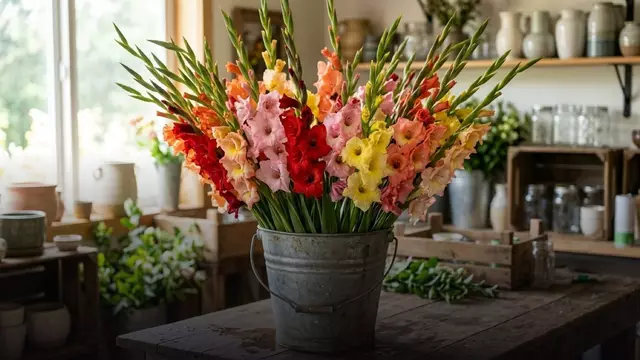
Takoi, also written takoy, is a Russian word meaning “such”, “that kind of” or “so”, depending on the sentence. It can describe a type of thing, point to an example or strengthen a description: takoy krasivyy buket means “such a beautiful bouquet”. Takoi is the masculine singular form; its ending changes to match the word it describes.
If you encountered takoi in a message about flowers, the surrounding words matter more than a single dictionary translation. Someone may be admiring a bouquet, asking for one like a photograph or expressing surprise. This guide explains those differences in Latin-letter Russian, then shows how to turn a phrase you understand into a clear bouquet request or a natural card message.
Takoi and Takoy: One Word, Several English Meanings
Takoi and takoy are different ways of writing the same Russian word in Latin letters. The stress falls on the final syllable: roughly tuh-KOY. You may see either spelling in messages, subtitles or searches because informal transliteration is not consistent. The spelling difference does not create a different meaning or make one version more affectionate.
Before a description, takoy often corresponds to English “so” or “such”. Ty takoy dobryy means “you are so kind”, addressed to a man. Takoy nez hnyy would be a broken transliteration; the usual continuous spelling is takoy nezhnyy, meaning “so gentle” or “so delicate”. The word strengthens the description, while the adjective supplies the actual compliment.
When someone points to an example, takoy can mean “like that” or “of that kind”. Ya khochu takoy buket means “I want a bouquet like that”. A photograph or earlier part of the conversation tells you what “that” refers to. Without that context, takoi alone cannot tell you the desired flowers, colours, size or arrangement.
Choose the Form That Matches the Person or Flower
The basic forms are takoy for masculine nouns, takaya for feminine nouns, takoye for neuter nouns and takiye for plurals. Russian grammatical gender belongs to the noun: buket, meaning “bouquet”, is masculine, while roza, meaning “rose”, is feminine. You choose the form according to the noun being described, rather than the person receiving the flowers.
Useful examples are takoy krasivyy buket, “such a beautiful bouquet”; takaya krasivaya roza, “such a beautiful rose”; and takiye krasivyye tsvety, “such beautiful flowers”. Notice that the adjective changes too. For more flower vocabulary, our guide to tsvetok, the Russian word for flower explains the singular form and related usage.
When you describe a person directly, the form follows that person: ty takoy dobryy for a man and ty takaya dobraya for a woman both mean “you are so kind”. These are familiar, personal phrases. Other sentence structures require further changes to the endings, so treat the examples here as complete phrases rather than a formula you can insert unchanged anywhere.
Bouquets we can deliver




Read the Whole Sentence Before Judging the Tone
Takoi does not carry a positive or romantic meaning by itself. Takoy krasivyy sounds admiring because krasivyy means “beautiful”; takoy strannyy means “so strange” and may express puzzlement or criticism. If a message contains takoi, identify the description that follows it before deciding whether the speaker is giving a compliment, making a complaint or simply identifying something.
Kakoy can help explain a common exchange. Kakoy buket? asks “Which bouquet?” or “What kind of bouquet?” Takoy answers by referring to an example: “One like that.” If someone sends a bouquet photograph with takoy, they may be indicating a preference. You still need to establish which details matter to them, especially when the photo contains several flower types.
Tak sebe is a separate expression meaning “so-so” or “nothing special”. It is not an affectionate version of takoi. Likewise, an isolated question such as ty kto takoy? means “who are you?” and can sound challenging. Translate the whole phrase and consider the relationship between the speakers; a familiar-looking word is not enough to establish the tone.
Use Takoi Naturally in a Flower Card
A card usually works best with one clear feeling. Ty takaya zamechatelnaya means “you are so wonderful”, addressed to a woman; ty takoy zamechatelnyy addresses a man. Both are warm and personal. They suit an established familiar relationship better than a formal note, because ty is the informal singular “you” used with friends, relatives and other close people.
If you are uncertain about the grammar or level of familiarity, a short complete phrase is easier to use well. Spasibo za vsyo means “thank you for everything”; dumayu o tebe means “thinking of you”. These express a clear intention without needing takoi. Choose the message for the relationship and occasion, rather than adding a Russian word simply because you have learnt it.
For a romantic recipient, takaya krasivaya means “so beautiful” when describing a woman, but it is only a description, not a complete declaration of love. A short personal sentence alongside it can make your intention clearer. Turboflora includes a free card with your text. Delivery is anonymous by default, so include your name in the card if you want the recipient to know who sent it.
Turn “A Bouquet Like That” into a Useful Request
A florist needs more information than takoy buket and a photograph. Identify what you like: the particular flowers, the main colour, the approximate size or the shape of the arrangement. For example, “I like the pale colours and rounded shape in this picture” gives a clearer starting point than “something similar”. If a particular flower matters, say so explicitly.
You can begin with the bouquets catalogue, then contact a manager on WhatsApp for help choosing and agreeing the address, delivery time and card text. Share your reference image and explain the details you care about. You can also agree a photo of the bouquet before delivery, so your request has a clear visual reference.
For an occasion in Russia, a common convention is to give an odd number of flowers when the stems are individually counted; even numbers are associated with mourning. This is especially relevant to a simple bunch of roses or tulips. Also consider the recipient's taste and where the bouquet will go: a desk, dining table and large reception area call for different proportions.
Arrange Delivery in Russia and Help the Flowers Last
Turboflora delivers flowers across Russia. City delivery costs 500 RUB; an operator confirms the delivery price for remote districts and suburbs when confirming the order. In large cities, express delivery is available in 1–2 hours after confirmation. You can also arrange an exact time within a margin of 30 minutes, choose 09–12, 12–15, 15–18 or 18–21, or preorder 1–30 days ahead.
When ordering from abroad, make the intended date and the recipient's local time clear. The courier calls about 15 minutes before arrival. If the recipient is absent, we agree a second delivery that day or handover to a neighbour or concierge with the sender's consent. See delivery and payment for information; checkout uses CloudPayments, and you should check the payment options displayed there rather than assume every foreign card is accepted.
Once the bouquet arrives, use a clean vase, remove leaves that would sit below the water and trim the stem ends with a clean, sharp tool. Refresh the water regularly and keep the flowers away from direct sun, heaters and ripening fruit. Different flowers have different needs, so ask the manager on WhatsApp for care advice for your chosen bouquet; a mixed arrangement may need more specific guidance.
Frequently asked questions
What does takoi mean in Russian?
Takoi can mean “such”, “that kind of” or “so”, depending on the sentence. For example, takoy krasivyy buket means “such a beautiful bouquet”, while ya khochu takoy buket means “I want a bouquet like that”.
Are takoi and takoy different words?
No, they are alternative Latin-letter spellings of the same Russian word. Both represent the masculine singular form, with the stress on the final syllable.
What is the difference between takoy and takaya?
Takoy is masculine singular, while takaya is feminine singular. Use takoy with buket, meaning “bouquet”, and takaya with roza, meaning “rose”.
Is takoi a romantic expression?
The word alone is not romantic; the surrounding phrase gives it meaning. It can strengthen an affectionate compliment, but it can also appear in neutral or critical sentences.
Can I use takoi when asking for flowers like a picture?
Yes: ya khochu takoy buket means “I want a bouquet like that”. Add which flowers, colours and proportions matter to you, because the phrase itself does not specify those details.
Ready to send flowers?
Pick the city, choose the bouquet, and a local florist takes it from there.
Choose a city →