Tulips in Russia: Best Months to Buy and What to Expect
Tulips feel straightforward until you try to order them in mid-February and discover every florist in the country is scrambling for the same stems. Russia has a tulip calendar of its own, shaped by cold winters, a handful of enormous floral holidays, and import routes that stretch from the Netherlands to Ecuador. Whether you are sending a bouquet to someone in Saint Petersburg or trying to plan ahead for a birthday weeks away, knowing when tulips are plentiful, when they are scarce, and what the recipient should actually do with them makes the difference between a gift that lasts five days and one that opens beautifully for nearly two weeks.
Why Tulips Follow Such a Strong Seasonal Pattern in Russia
Most cut flowers sold in Russia are imported year-round, but tulips behave differently from roses or chrysanthemums. The bulk of commercially grown tulips come from Dutch forcing farms, where bulbs are chilled and then brought into bloom under controlled light cycles. This means the global supply peaks in late winter and early spring, which happens to align almost perfectly with Russia's biggest gifting season. The result is a flower that feels universally available but is actually riding a very specific wave of production.
Domestic greenhouse growing in Russia has expanded in recent years, particularly around Moscow, Krasnodar, and the Leningrad region. These local growers can supply the market from roughly January through April, but they cannot sustain the volume needed outside that window. From May onward, Russian-grown tulips become rare, and importers shift their focus to summer flowers entirely.
For the person receiving the bouquet, this matters because freshness is tied to how far the stems have traveled and how recently they were cut. A tulip bought in March from a domestic grower may have been cut two days ago. The same variety ordered in October has likely spent a week in transit from the Netherlands, which shortens vase life before it even arrives at the door. Understanding this rhythm helps you set realistic expectations and choose the right moment to send tulips rather than a flower that suits the season better.
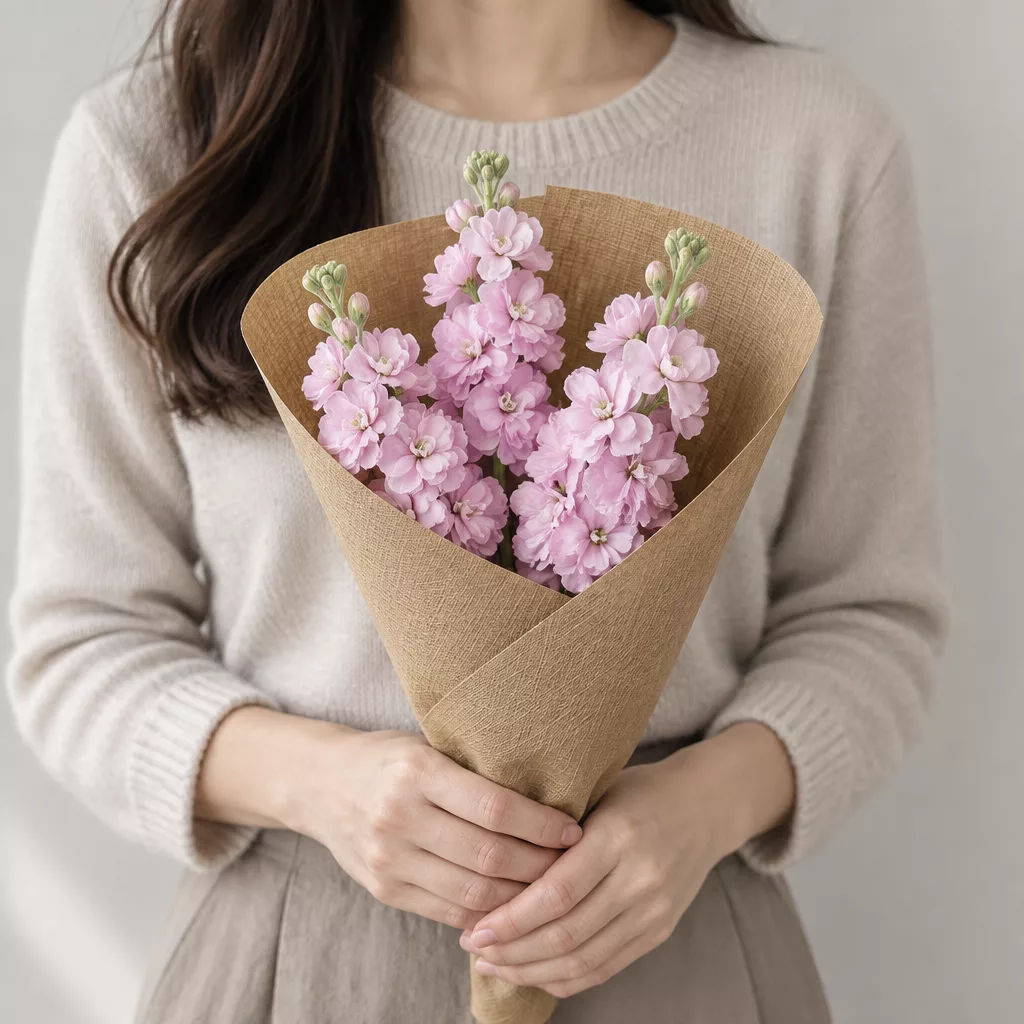
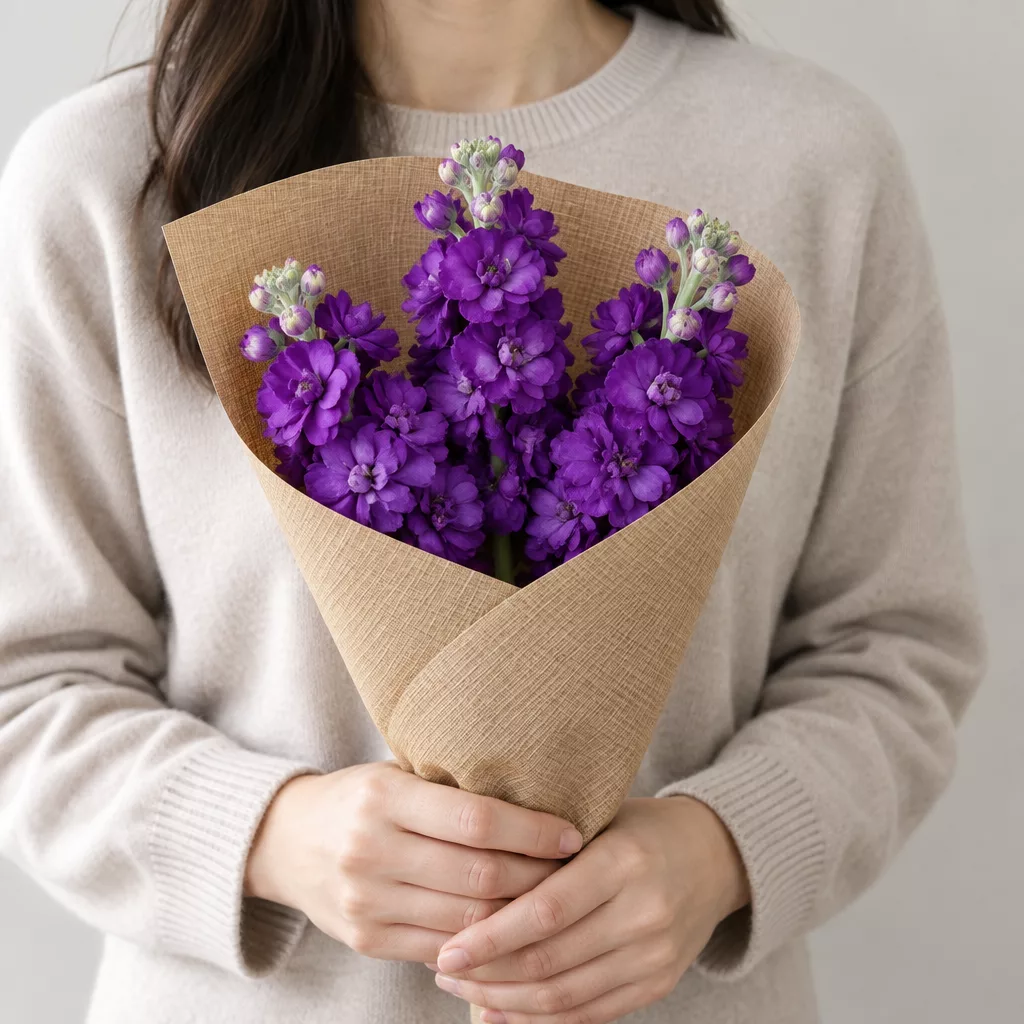
Bouquets we can deliver


January and February: High Demand, High Stakes, and How to Navigate Them
The period from late January through the first week of March is the most intense stretch of the Russian flower calendar. The country celebrates Defender of the Fatherland Day on February 23, when men traditionally receive gifts, and then International Women's Day on March 8, when tulips become almost a national symbol. Demand in the two weeks surrounding March 8 is unlike anything else in the retail flower year. Growers in the Netherlands and Russia schedule their entire forcing cycles around this window.
For buyers, the practical consequence is that availability is actually very high during this period, but competition is fierce. Florists place orders weeks in advance, and the most popular varieties — particularly single-flowered varieties in red, pink, white, and the soft lilac shades — sell out fastest. Parrot tulips and fringed varieties, which are slower to produce and more fragile in transit, become genuinely difficult to source by March 6 or 7.
If you want to send tulips for March 8, ordering at least three to four days early is not caution — it is logistics. A bouquet ordered on March 7 evening may still arrive, but the stems available that late in the cycle will have been in water longer and will open faster once they reach the recipient. Ordering earlier means fresher stems and more choice of color. For January birthdays or Valentine's Day, supply is steadier and prices are more predictable, making it a genuinely good time to send a well-composed tulip arrangement.
March 8 and the Tulip Moment That Defines Spring in Russia
International Women's Day on March 8 is not a minor occasion in Russia. It is a public holiday with the cultural weight of a combination of Mother's Day and Valentine's Day, and tulips are its defining flower. Walking through any Russian city on March 7 or 8, you will see men carrying single stems or large bundles wrapped in kraft paper, sellers on every corner, and florists working through the night. For someone unfamiliar with Russian customs, the scale can be surprising.
The tradition favors quantity as much as variety. A bouquet of eleven or fifteen tulips in a single color is considered generous and elegant. Mixed-color bundles are also popular, particularly combinations of white and pink, or yellow and orange for a warmer feel. Red tulips carry a strong romantic association, so they tend to go to partners and wives rather than colleagues or mothers, though this is a soft convention rather than a strict rule.
For the recipient, the experience of receiving tulips on March 8 is genuinely joyful, but the practical reality is that stems cut and forced for this date have been pushed hard. They may open within twenty-four hours of arriving home, especially in a warm apartment. This is not a quality failure — it is the nature of peak-season forcing. Advising the recipient to keep them in a cool room and change the water daily will extend their life significantly. A bouquet that opens fast and fully can still look spectacular for five to seven days with basic care.
April Through June: The Sweet Spot for Quality and Longevity
Once the March 8 rush passes, the tulip market enters its most relaxed and arguably most rewarding phase. April is when supply is still strong, prices stabilize, and the stems arriving from Dutch growers are at their seasonal best. Varieties that were too delicate or expensive to risk during the peak rush become available, including double-flowered types like Angelique, which has the layered appearance of a peony, and the dramatic streaked varieties that look almost painted.
April tulips also tend to last longer in the vase. The stems are cut at a slightly less forced stage, which means the recipient has more time to enjoy them as they open gradually over several days. A recipient in Saint Petersburg receiving a bouquet in mid-April can realistically expect eight to ten days of good vase life if they follow basic care steps. This makes April an excellent month for birthdays, anniversaries, or simply sending something beautiful without a specific occasion.
By May, domestic production winds down and imported supply begins to thin. You can still find tulips in May, but the selection narrows and the stems may have traveled farther. June marks the practical end of the tulip season for most of Russia. Trying to order tulips in June is possible but rarely worth it — the stems are tired, the colors are limited, and summer flowers like peonies, lisianthus, and garden roses are at their absolute peak. If the person you are sending to loves tulips, April is the month to reach for them.
July Through October: What Happens When Tulips Disappear
From July through October, tulips are essentially absent from the Russian market in any meaningful quality. This is not a supply chain failure — it is simply the biology of the flower. Tulips require a cold dormancy period to develop properly, and the bulbs that will become next season's flowers are in the ground or in cold storage during these months. Florists who claim to have fresh tulips in August are almost certainly working with old forced stock that has been held in refrigeration, and the results show in the stems.
For someone who loves tulips and is planning a late-summer or autumn event, the honest advice is to choose a different hero flower. Dahlias, sunflowers, and late-summer chrysanthemums carry a similar bold, generous feeling. Alstroemeria can fill a similar structural role in a mixed bouquet. None of them are tulips, but they are genuinely fresh and at their best, which is more important than forcing a seasonal flower into the wrong time of year.
If a recipient specifically loves tulips and their birthday falls in September or October, it is worth a conversation about what is actually available. A florist who knows their stock will tell you plainly that the tulips in the cooler in September are not the same as the ones in March. Sending a different flower that is truly fresh and well-chosen will make a better impression than a tired tulip that wilts within two days. This is one of the places where honest florist advice matters most.
November and December: Early Forcing and What It Means for the Recipient
As autumn moves into winter, Dutch growers begin forcing the first bulbs of the new cycle. By November, small quantities of early-forced tulips start appearing in the wholesale market, and by December the supply grows enough to be reliable. These early-season stems are often a little shorter and the flower heads slightly smaller than what you will see in February or March, but the quality is genuine and the freshness is good.
December tulips have a particular charm. They arrive when most of Russia is deep in grey, pre-holiday weather, and a bunch of bright pink or white tulips in a winter apartment feels genuinely uplifting. They pair beautifully with evergreen foliage, eucalyptus, or white spray roses for a New Year arrangement that does not lean on the predictable red-and-gold palette.
For the recipient, early-season tulips in November and December tend to have a slightly firmer stem and a tighter bud than peak-season flowers. This means they will take a day or two longer to open, which is actually a pleasant experience — watching a tulip unfurl over three or four days in a warm room. Vase life at this time of year is typically seven to nine days with proper care, which is solid. If you are planning to send flowers for New Year celebrations or a December birthday, tulips in this window are a genuinely good choice and a welcome surprise for anyone who associates them only with spring.
Vase Life, Water, and the Mistakes That Shorten a Tulip's Life
Tulips are one of the most misunderstood flowers when it comes to care, and the mistakes people make are consistent enough to be worth naming directly. The first is placing them in warm water in a warm room immediately after delivery. Tulips prefer cool conditions — a room temperature of around 18 to 20 degrees Celsius is fine, but a warm radiator nearby will push them to open and drop within two days. A cool hallway or a spot away from heating vents makes a real difference.
The second mistake is cutting the stems too short or not at all. Tulips should be recut at a diagonal before going into the vase, and the vase should hold only about eight to ten centimeters of clean, cool water. Unlike many flowers, tulips do not benefit from a deep vase of water — they absorb too much too fast and the stems can become soft and collapse. Changing the water every two days and recutting the stems each time adds several days to vase life.
Tulips also continue to grow after cutting — sometimes by several centimeters — and they move toward light. A bouquet left near a window will lean dramatically within a day. Turning the vase regularly keeps the arrangement looking balanced. Finally, keeping tulips away from fruit, particularly apples and bananas, matters more than most people realize. Fruit releases ethylene gas, which accelerates petal drop in tulips faster than almost any other factor. A recipient who knows these four things — cool room, shallow water, no fruit nearby, regular turning — will enjoy their bouquet for significantly longer.
Tulips in Russia have a rhythm that rewards anyone who pays attention to it. The weeks around March 8 are electric but demanding, April is quietly the best month to send them, and summer is simply the wrong season to try. For the person receiving the bouquet, a little care knowledge turns a five-day flower into a ten-day one. At Turboflora we deliver fresh tulips across Russia within one to two hours, and we source stems matched to the season — so what arrives at the door is genuinely worth keeping. We deliver bouquets across Russia in 1–2 hours.
Frequently asked questions
When is the absolute best time of year to order tulips in Russia?
April is the strongest month for quality and vase life. Supply is still high after the March 8 rush, prices are stable, and stems arrive at a less forced stage, meaning they open gradually over eight to ten days. If you want dramatic variety choice including doubles and fringed types, April gives you the widest honest selection.
Can I order tulips in August or September for a summer birthday?
Technically possible but not advisable. Tulips have no natural growing cycle in summer, so any stems available in August or September have been in cold storage for months. They tend to be soft-stemmed, quick to wilt, and limited in color. A seasonal summer flower will make a far better impression and last significantly longer.
Why do tulips sometimes open so fast after delivery?
Tulips forced for peak demand dates like March 8 are pushed to bloom quickly in the greenhouse, so they arrive at a more advanced stage than off-season stems. A warm apartment accelerates this further. Placing them in a cool spot and using shallow cool water slows the process. Fast opening is not a quality defect — it is seasonal timing.
What tulip colors are traditional for March 8 in Russia?
Pink and white are the most universally appropriate for Women's Day gifts. Red carries a romantic association and is typically reserved for partners. Yellow and orange combinations feel warm and celebratory. Purple and lilac shades have grown popular in recent years. Single-color bouquets in larger quantities are considered more elegant than random mixed bundles.
How many days should a fresh tulip bouquet last in the vase?
With proper care — cool room, clean shallow water changed every two days, stems recut diagonally, kept away from fruit and direct heat — a fresh tulip bouquet should last seven to ten days. Peak-season forced stems may be closer to five to seven days. Early-season November and December tulips often perform best, reaching nine to eleven days.
Ready to send flowers?
Pick the city, choose the bouquet, and a local florist takes it from there.
Choose a city →