Tulips in Russia: Season, Customs and Everything You Should Know
If you have ever walked past a Russian flower stall in early March and wondered why every bucket is overflowing with tulips in every imaginable color, you are witnessing one of the country's most reliable seasonal rituals. Tulips are not just a flower here — they are practically a national symbol of the approaching spring, and the way Russians buy, give and think about them follows rules that are worth understanding before you order your first bouquet.
When Tulips Actually Arrive: the Real Russian Calendar
Russia is a vast country with wildly different climates, so there is no single tulip season — there are several overlapping ones depending on origin. Domestic field tulips from the Krasnodar region and the southern parts of the country begin appearing in wholesale markets around late February, just in time for the enormous pre-March 8 rush. These are typically simple single-flowered varieties bred for speed and volume rather than complexity. Dutch imports, which dominate the premium segment, arrive year-round through temperature-controlled logistics chains, but their peak commercial presence runs from January through April. After May, demand collapses almost completely and most shops shift their tulip stock to a minimum. In autumn you will occasionally find forced tulip bulbs from Dutch growers supplying the market again, but autumn tulips are a niche product in Russia rather than a mainstream one. The sweet spot for buying tulips in Russia — when quality is highest and choice is widest — is the window between February 20 and April 10. During this period you can find everything from tight green buds to fully open parrot types, and the cold Saint Petersburg air, rarely above five degrees Celsius in early March, actually helps cut tulips stay fresh far longer than they would in warmer climates. This is one of the underappreciated advantages of buying flowers in northern Russia: the city itself acts as a natural cooler.
Bouquets we can deliver



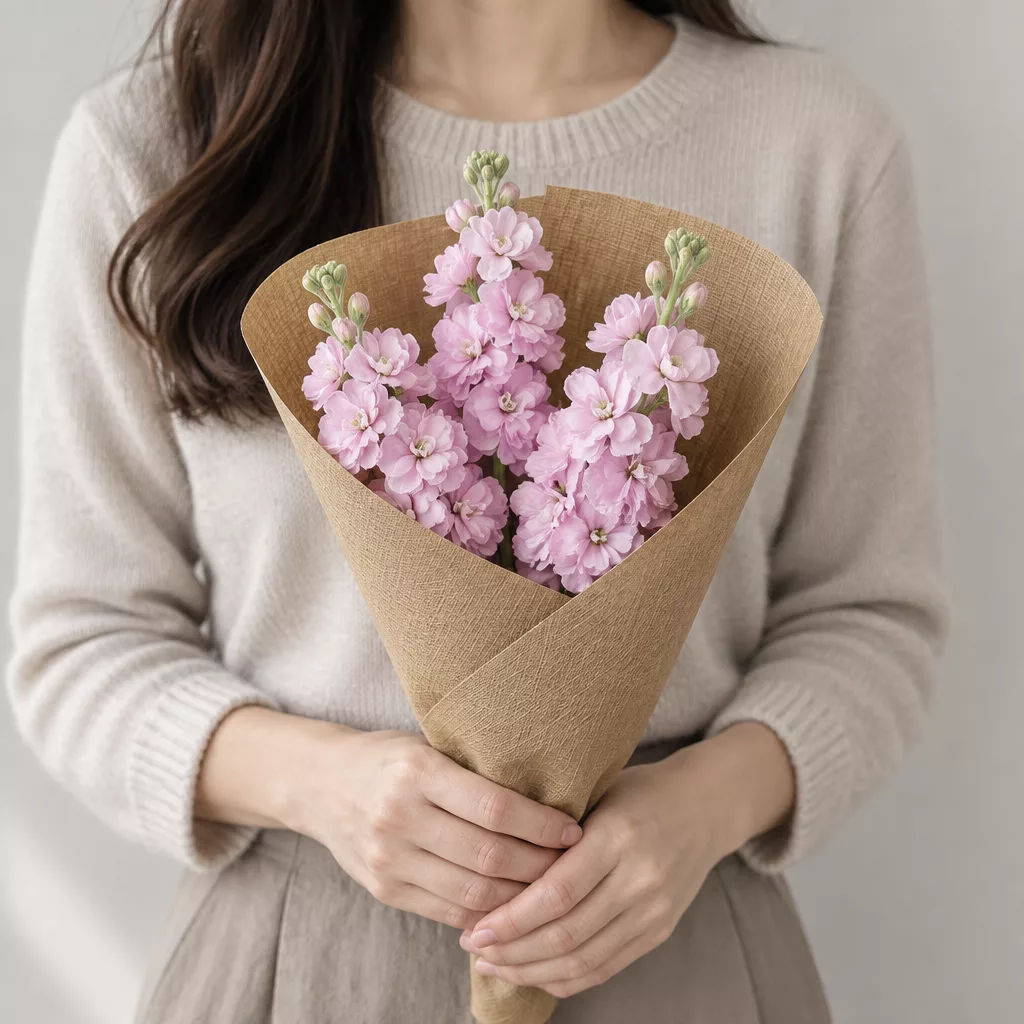
The March 8 Effect: Why Tulips Rule International Women's Day
International Women's Day on March 8 is the single largest flower-buying event in Russia, eclipsing Valentine's Day and New Year's combined in terms of sheer stem count. And tulips are its undisputed star. The reasons are partly practical and partly cultural. Tulips are affordable enough to buy in large quantities, they come in a full spectrum of colors, and they have a clean, unambiguous cheerfulness that suits a holiday centered on appreciation and warmth. In the days leading up to March 8, it is completely normal for a man to buy fifty or even a hundred tulips to distribute among female colleagues, family members and friends. Single stems are given to teachers, neighbors and acquaintances. Bouquets of eleven, nineteen or twenty-five are standard gifts for mothers, wives and close friends. The odd number rule — which Russians follow strictly because even numbers of flowers are associated with funerals — means you will almost never see a bouquet of ten or twenty tulips sold in a reputable Russian shop. As a florist, the March 8 period requires ordering stock weeks in advance. Temperatures in storage must be kept between two and four degrees Celsius to hold buds closed during transit and the waiting period before sale. A tulip stored even briefly above eight degrees will open fully within hours and lose its commercial value. This is why professional cold-chain management is not a luxury in Russia's flower trade — it is the baseline requirement for surviving the March peak.
Varieties You Will Actually See: a Florist's Honest Guide
The Russian tulip market is not particularly adventurous when it comes to variety selection, and that is not a criticism — it reflects what sells reliably at scale. The most common single-flowered varieties you will encounter are those bred for strong stems, long vase life and uniform bud size. Red tulips dominate March 8 sales by a wide margin. Pink varieties follow closely, with white and yellow popular for mixed bouquets. Purple and burgundy tulips have grown steadily in popularity over the past decade as florists have introduced them into more sophisticated arrangements. Parrot tulips — those dramatically fringed, ruffled varieties with twisted petals — are available in better shops and appeal to customers who want something visually distinctive. They are more fragile than standard tulips and require careful handling, but their shelf presence is extraordinary. Double tulips, which resemble peonies in their fullness, have become fashionable in premium bouquets and work beautifully in mixed spring arrangements alongside ranunculus and hyacinths. Fringed tulips occupy a middle ground between the parrot and the standard type and are appreciated for their texture without the fragility. One variety group to mention honestly: the very cheapest tulips sold from street stalls in Russia are often unnamed commercial varieties from domestic greenhouses. They are not necessarily bad, but their stems tend to be shorter and their vase life less predictable. When freshness matters, buying from a shop that controls its own cold storage and delivery chain makes a measurable difference.
How Russians Buy Tulips: Customs a Newcomer Should Understand
Buying flowers in Russia involves a set of informal but widely understood social codes. The first and most important is the odd number rule already mentioned: bouquets always contain an odd number of stems. One, three, five, seven, nine, eleven — all acceptable. Even numbers are avoided in gift contexts. This rule applies to all flowers, but it is especially visible with tulips because they are so often bought in large quantities where the temptation to round up to ten or twenty is real. The second custom is color symbolism, which is softer and more flexible than in some other cultures but still present. Red tulips carry romantic meaning and are most commonly given between partners. Yellow tulips have a complicated reputation in Russian popular culture — some associate them with separation — though younger generations are largely indifferent to this. Pink and white are safe and universally positive. Purple is considered elegant and slightly sophisticated. The third custom worth knowing is that wrapping matters enormously in Russia. A bare bouquet handed over without any packaging looks unfinished and slightly careless to Russian eyes. Kraft paper, cellophane, fabric wrapping and decorative ribbon are all expected elements of a properly presented gift. When ordering delivery, Russians typically expect the bouquet to arrive wrapped and presentation-ready, not simply bundled for transport. Finally, it is worth noting that Russians often specify bud tightness when ordering tulips. A recipient who will not be home for several hours wants tight closed buds. Someone giving flowers immediately at a celebration may prefer slightly more open blooms. A good florist always asks.
Keeping Tulips Fresh: What Actually Works in Russian Conditions
Tulips are among the most temperature-sensitive cut flowers, and this sensitivity is both a challenge and an advantage in Russia's northern cities. In Saint Petersburg, where outdoor temperatures in March hover between minus three and plus five degrees Celsius, a bouquet left in an unheated hallway will genuinely last longer than one placed on a warm kitchen windowsill. The basic rules that florists tell every customer are simple but often ignored. Cut the stems at a forty-five-degree angle under running water immediately upon arrival. Remove all leaves that would sit below the waterline — submerged foliage rots quickly and contaminates the water. Change the water every day, or at minimum every second day. Keep the vase away from radiators, which are running at full power in Russian apartments throughout March. Tulips will lean dramatically toward any light source, so rotating the vase daily keeps the arrangement looking balanced. One behavior specific to tulips that surprises people unfamiliar with them: they continue growing after being cut. A tulip stem can lengthen by two to three centimeters in the vase, which means a tight arrangement can loosen and shift significantly over forty-eight hours. Florists who know this account for it when building bouquets. Adding a small amount of flower food to the water genuinely extends vase life, though many Russian customers remain skeptical of this and simply use clean cold water, which also works reasonably well. Avoid placing tulips near fruit bowls — ethylene gas produced by ripening fruit accelerates petal drop noticeably.
Ordering Tulips for Delivery in Saint Petersburg: What to Expect
Saint Petersburg is a city where flower delivery culture is well developed and expectations are high. When you order tulips for delivery, several practical factors determine whether the experience is satisfying or disappointing. The first is timing relative to the event. For March 8 specifically, ordering even twenty-four hours in advance is cutting it close — orders placed two to four days ahead give the shop time to source the right variety and bud stage for your needs. For everyday orders, same-day delivery within one to two hours is standard and works well when stock is available. The second factor is bud stage communication. As noted above, specify whether you want tight buds for longevity or more open flowers for immediate visual impact. A good order form or a quick conversation with the florist should capture this. The third factor is packaging for transit. In cold weather, tulips actually benefit from the outdoor temperature during delivery — the cold keeps them firm and the buds closed. In the rare warm spring days above fifteen degrees, the reverse applies and speed of delivery becomes more important. Cellophane wrapping helps insulate the flowers briefly but should not be left on once the bouquet arrives indoors, as trapped warmth will accelerate opening. Finally, understand that tulip availability in Saint Petersburg's shops is genuinely seasonal. Outside the February to April window, you may find Dutch imports available but at significantly reduced variety. The best tulip experience — the widest choice, the freshest stems, the most competitive quality — happens in those ten weeks of Russian spring when the whole country is thinking about them anyway.
Tulips in Russia are not simply a product — they are a seasonal event with their own logic, timing and etiquette. Understanding when they peak, which varieties to look for, how Russians give and receive them, and how to keep them alive once they arrive will make every tulip purchase more satisfying, whether you are a long-time Saint Petersburg resident or someone encountering Russian flower culture for the first time. The flower itself is generous: given the right temperature, clean water and a little attention, a good tulip bouquet will reward you for a week or more, carrying that particular quality of early Russian spring — sharp, bright and genuinely hopeful — right into your home.
Frequently asked questions
Why do Russians always give an odd number of tulips?
Even numbers of flowers are traditionally associated with mourning in Russian culture and are used at funerals. Odd numbers are considered appropriate for all celebratory and affectionate occasions. This convention is followed consistently across generations and regions, so any gift bouquet — whether three stems or thirty-one — will always contain an odd count.
Are yellow tulips really bad luck in Russia?
Yellow tulips have a complicated reputation in Russian popular culture, sometimes linked to separation or betrayal in romantic relationships. However, this belief is generational and fading. Younger buyers in cities like Saint Petersburg largely ignore it. If you are uncertain about the recipient's sensibilities, pink or red tulips are the safest choice for a romantic gift.
How long will a tulip bouquet last after delivery in Saint Petersburg?
With proper care — fresh water daily, stems cut at an angle, kept away from heat sources and direct sunlight — a quality tulip bouquet delivered in Saint Petersburg should last five to eight days. The city's cool spring temperatures work in your favor. Tight buds at delivery will give you the longest display window compared to bouquets that arrive already open.
What is the difference between Dutch imported tulips and domestic Russian ones?
Dutch tulips are generally bred for longer stem length, more uniform bud size and extended vase life, and they dominate the premium market in Russia. Domestic tulips from southern Russian greenhouses are often shorter-stemmed and less predictable in vase life but are fresher in the sense of shorter transit time. For a special occasion, Dutch varieties from a temperature-controlled supply chain are the safer investment.
Can I order tulips for delivery outside the March to April season in Saint Petersburg?
Yes. Dutch imports keep tulips available in Saint Petersburg year-round through refrigerated supply chains. However, variety selection narrows considerably outside the main spring season, and you may not find specialty types like parrot or double tulips consistently. Standard single-flowered varieties in red, pink and white are the most reliably available options during summer and autumn months.
Ready to send flowers?
Pick the city, choose the bouquet, and a local florist takes it from there.
Choose a city →