Buying Tulips in Russia: What the Grades, Colors, and Seasons Mean for You
Tulips are the most emotionally immediate flower in Russia. A wrapped bundle handed over at a doorstep says something before a single word is spoken. But walk into any flower shop or browse an online delivery service and you will quickly run into terms — stem height, grade numbers, Dutch versus domestic — that nobody explains. This article is a working florist's plain account of what those labels mean, which colors carry which associations in Russian culture, how prices shift across the calendar year, and what your recipient can do to keep the stems fresh for as long as possible.
Why Tulips Matter So Much in Russian Flower Culture
In Russia, tulips are not a secondary choice. They are the flower of March, of birthdays in cold months, of a gesture that needs to feel warm without being heavy. Where roses can read as formal or romantic in a loaded way, tulips feel generous and uncomplicated. That makes them the right call for colleagues, teachers, mothers, and friends — almost anyone who is not a romantic partner in a very new relationship.
Russian flower-giving tradition leans toward odd numbers, and tulips are almost always sold in bundles of five, seven, fifteen, or twenty-five stems. A bundle of ten is not wrong, but it will look slightly unusual to a Russian recipient who grew up counting. If you are sending from abroad or ordering for someone unfamiliar with the custom, just know that your florist will almost always bundle in odd numbers by default.
Spring is the emotional peak for tulips. Around International Women's Day on March 8th, demand across Russia rises sharply and the entire supply chain tightens. Prices climb, availability of specific colors narrows, and delivery windows fill quickly. Planning even two or three days ahead of that date makes a real difference in what you can actually get. Outside of that window, tulips are available year-round from Dutch imports and, in season, from domestic growers in the south of Russia.
Bouquets we can deliver


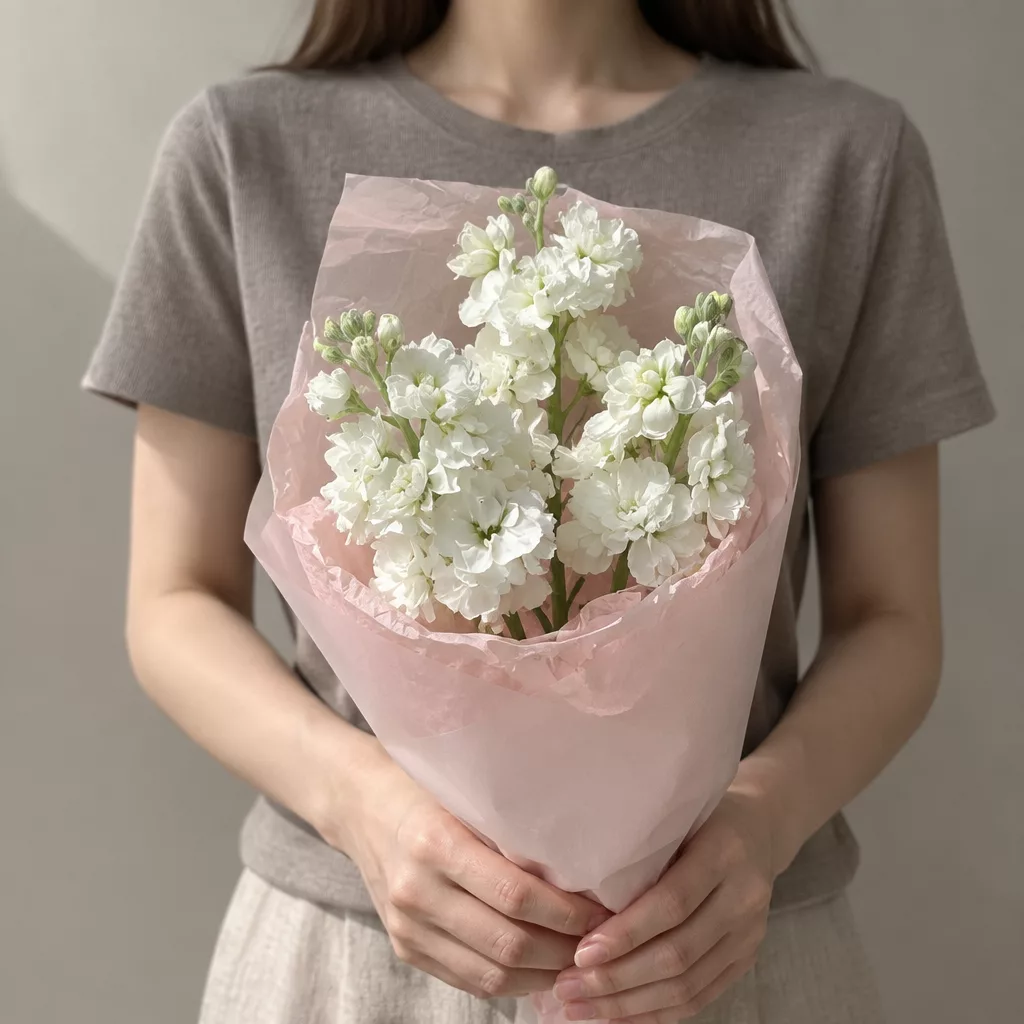
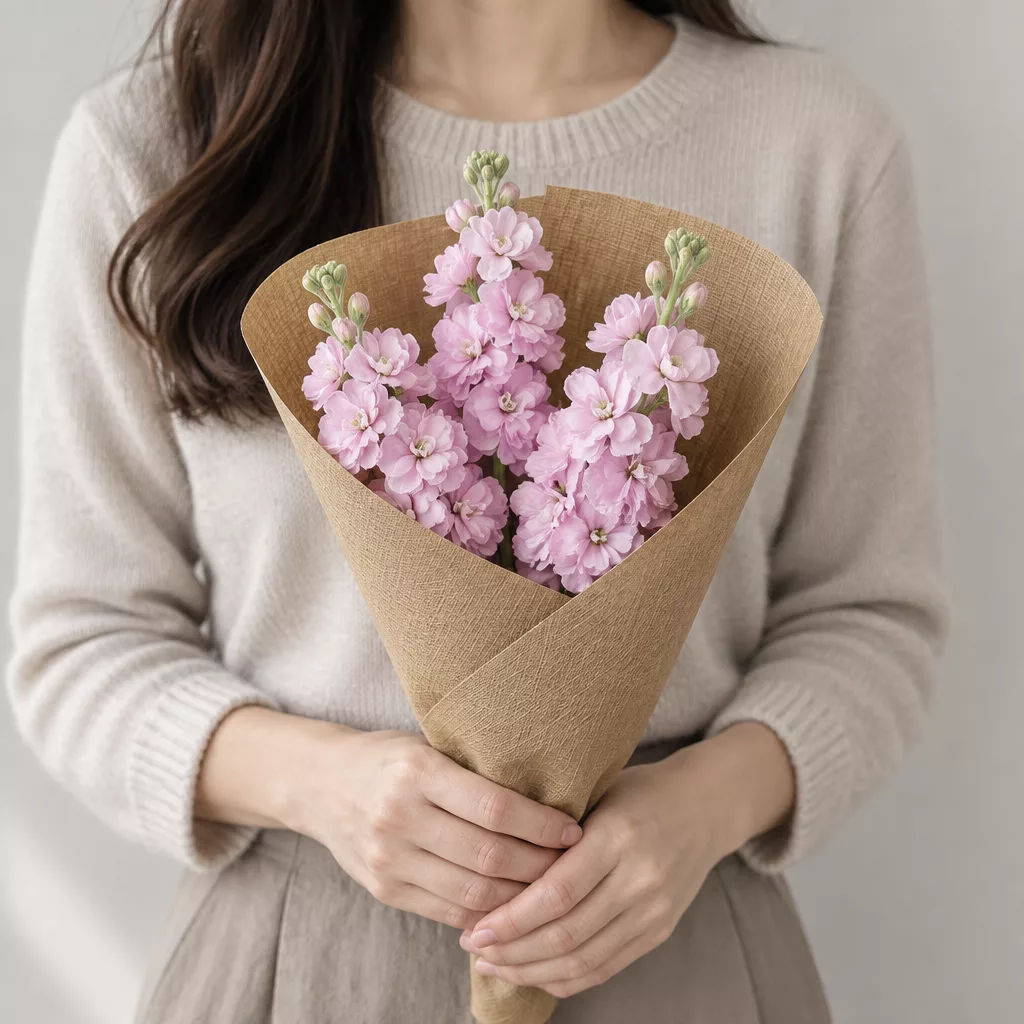
Color Associations Worth Knowing Before You Order
Color carries meaning in Russian flower culture in ways that feel intuitive once you know them. Red tulips are romantic and direct — they read as a declaration, which is exactly right for a partner and slightly intense for a teacher or a friend. If you want warmth without that romantic edge, move toward coral, salmon, or deep orange. Those shades feel celebratory and generous without the weight of red.
White tulips are elegant and work beautifully for formal occasions — a graduation, a significant birthday, a professional achievement. They pair especially well with greenery or with a few stems of a contrasting color to stop them from reading as too plain. Yellow tulips have a complicated reputation in some older Russian traditions where yellow flowers were loosely associated with separation, but that association has faded considerably among younger recipients in cities. Most florists in Saint Petersburg and Moscow treat yellow tulips as cheerful and modern without hesitation.
Purple and violet varieties, particularly the fringed types like Ballerina or the deep purple Negrita, feel sophisticated and a little unexpected. They work well for someone with a strong personal style, or when you want a bouquet that stands out from the standard spring palette. Bicolor tulips — white with red or pink edges, or yellow with red flames — add visual energy to a mixed arrangement and are often used to break up a single-color bundle and give it more life without changing the overall mood.
How Stems Are Graded and What the Numbers Mean
Tulip grading in the professional flower trade is based primarily on stem length and bud size. The standard grades you will encounter in Russian flower shops are 40 cm, 50 cm, and 60 cm stems, with 70 cm available from premium Dutch suppliers. The number matters because it affects both the visual proportion of the bouquet and the price. A 40 cm stem is a perfectly good flower, but in a tall vase it can look a little short. A 60 cm stem in the same vase is striking.
Beyond length, graders look at stem straightness, bud firmness, and the absence of bruising on the petals. A well-graded tulip arrives with the bud closed but showing color — not a tight green cylinder, but not a flower that has already opened either. That in-between stage gives the recipient the pleasure of watching it open over the first day or two at home.
Domestic Russian tulips, grown mainly in the Krasnodar region, tend to come in at the 40–50 cm range and are available from late February through April. Dutch imports extend availability across the full year and typically offer longer stems and a wider variety range. Neither is automatically better — a fresh domestic stem cut that morning will outlast a Dutch stem that sat in a warehouse — but Dutch imports generally offer more consistency in variety availability. When you order from a florist, asking whether the stems are domestic or imported and how recently they arrived tells you more than the grade label alone.
Price Ranges Across the Seasons and What Drives Them
Tulip prices in Russia follow a clear seasonal pattern that is worth understanding before you order. The lowest prices of the year appear in April and May, when domestic production is at its peak and Dutch imports are also plentiful. This is when a bundle of fifteen good stems is genuinely affordable and when florists can offer the widest variety selection.
Prices begin climbing in January as demand builds toward March 8th. By the first week of March, you are paying a significant premium — sometimes two to three times the April rate for the same variety and stem length. This is not a markup invented by florists; it reflects real scarcity in the supply chain. Growers and importers plan months ahead for that window, but demand still outpaces supply in peak years.
Summer is a quieter season for tulips. Dutch imports continue, but domestic production has finished, and the varieties available narrow. Prices settle into a mid-range that is higher than April but well below the March peak. Autumn sees a gradual restock as Dutch growers prepare their next cycle.
The honest advice is this: if you have flexibility on timing, April tulips give you the best combination of quality, variety, and value. If you are ordering for March 8th, place your order early, be flexible on color, and trust your florist to source the best stems available rather than insisting on a specific variety that may simply not be reachable that week. The flower matters more than the name on the label.
Varieties You Will Actually Find in Russian Flower Shops
The tulip world contains hundreds of registered varieties, but Russian flower shops stock a practical working range. Among single late tulips, Ile de France is one of the most common — a clean red with a long stem that holds its shape well. Maureen is a reliable white single late that florists reach for when they need elegance without fuss. Strong Gold is exactly what it sounds like: a saturated, dependable yellow.
In the triumph category, which makes up the largest share of commercial tulip production, you will regularly see Negrita, a deep purple-violet that photographs beautifully and lasts well, and Purple Prince, which is slightly lighter and more lavender in tone. Apricot Beauty is a soft salmon-pink triumph variety that has been a staple in Russian shops for years because it pairs with almost anything.
Fringed tulips like Ballerina — technically a lily-flowered type with pointed petals and a slight fragrance — appear in better-stocked shops and are worth asking for when you want something that reads as more considered and less generic. Parrot tulips, with their ruffled, feathered petals, are dramatic and short-lived; they make a strong visual impression but typically last a day or two less than triumph types in the same conditions.
Double tulips, sometimes called peony tulips, are popular for gift bouquets because they look full and lush. Miranda and Angelique are the names you are most likely to encounter. They are beautiful but need careful handling — their heavy heads can bend on thinner stems if the water is too warm.
Keeping Tulips Fresh: What Your Recipient Should Know
Tulips have a reputation for wilting quickly, and that reputation is partly deserved and partly the result of avoidable mistakes. The most important thing to tell your recipient is to keep the water cold. Tulips are a cool-climate flower and they continue growing after they are cut — stems can lengthen by several centimeters in a warm room. Cold water slows that process and keeps them upright longer.
The vase should be filled no more than a third of the way up the stem. Tulips do not need deep water; they need fresh water changed every day or every other day. Each time the water is changed, trim a centimeter from the base of the stem at an angle with a sharp knife — not scissors, which crush the stem tissue. A clean diagonal cut maximizes the surface area drawing water up.
Keep tulips away from fruit bowls. Ripening fruit releases ethylene gas, which accelerates petal drop and shortens vase life noticeably. A cool room away from direct sunlight and radiators is ideal. In a Saint Petersburg apartment in winter, a spot near a window that is not in direct sun works well.
With good care, triumph and single late varieties typically last seven to ten days from the time they arrive. Parrot and double varieties are closer to five to seven days. Fringed types fall somewhere in between. A tulip that arrives closed and is kept in cold water in a cool room will almost always outlast one that arrives half-open and sits in a warm kitchen. That first day of placement matters more than anything else.
Tulips in Russia are a year-round language with a seasonal accent that peaks every March and softens into something more relaxed and affordable by April. Knowing the grades helps you ask the right questions. Knowing the colors helps you say the right thing without words. And knowing how to care for them means the gesture lasts longer than the moment it was given. Whether you are sending fifteen stems to a colleague in Kazan or a single wrapped bundle to someone's door in Saint Petersburg, the detail you put into the choice is exactly what the recipient will feel when they open it.
Frequently asked questions
What is the best time of year to order tulips in Russia?
April is the sweet spot. Domestic production peaks, Dutch imports are plentiful, variety selection is at its widest, and prices are at their lowest. If you need tulips in March, order at least two to three days before March 8th to secure the stems and colors you want, as that week sees the highest demand of the entire year.
Why do Russian florists always bundle tulips in odd numbers?
Odd-number bundles are a deep-rooted convention in Russian flower-giving culture. Even numbers have traditionally been reserved for mourning contexts, so gifting five, seven, or fifteen stems rather than six, eight, or fourteen signals celebration. Most Russian recipients will notice the count instinctively, so florists follow the custom by default.
What is the difference between a 40 cm and a 60 cm tulip stem?
The number refers to the stem length after cutting. Longer stems look more striking in tall vases and are graded higher in the commercial trade, which is reflected in the price. A 40 cm stem is a good everyday flower; a 60 cm stem has more visual presence in a formal bouquet. Bud size and stem straightness are also part of the grading assessment.
How long do tulips typically last in a vase at home?
Triumph and single late varieties last seven to ten days with proper care — cold water, daily changes, and a cool room away from fruit and direct heat. Parrot and double varieties are typically five to seven days. The single biggest factor is water temperature: cold water slows stem growth and keeps flowers upright significantly longer than room-temperature water.
Are yellow tulips an appropriate gift in Russia?
The old association between yellow flowers and separation has faded considerably in Russian cities, especially among people under forty. Most florists in Saint Petersburg and Moscow treat yellow tulips as cheerful and modern. If you are unsure about your recipient's sensibilities, pairing yellow with white or coral stems in a mixed bouquet softens any ambiguity while keeping the arrangement bright.
Ready to send flowers?
Pick the city, choose the bouquet, and a local florist takes it from there.
Choose a city →