Types of Bouquet Flowers and How to Choose Yours
Common types of bouquet flowers include roses, tulips, lilies, chrysanthemums, carnations, gerberas, peonies, hydrangeas and orchids. Roses and peonies create full, rounded shapes; tulips give a softer outline; lilies and orchids add distinctive silhouettes. Choose by the recipient’s taste, the occasion, fragrance preferences and the vase they can use.
A useful way to narrow your choice is to separate flower variety from bouquet style. A bouquet made entirely of roses can feel restrained or extravagant depending on its size, colour and arrangement; a mixed bouquet can look equally deliberate when its colours work together. If you are sending flowers to someone in Russia, think about where they will receive them and whether they can put the stems in water promptly.
Roses, peonies and carnations: flowers for rounded bouquets
Roses offer a clear focal point, with layered petals that work in compact bouquets and looser arrangements. Red roses commonly suggest romantic affection, while pink, white and mixed colours can suit a wider range of relationships. These associations are conventions, not fixed rules: someone’s favourite colour is usually a better guide than a rigid chart of flower meanings.
Peonies have generous, layered heads that change noticeably as they open. A bouquet with tight buds can look quite different later, so consider whether you want a restrained appearance on arrival or a fuller display as the flowers develop. Availability varies; if peonies are essential to your choice, confirm that detail before settling the order.
Carnations have ruffled petals and can add fullness without making every flower compete for attention. They work well as the main flower in a single-colour bouquet or alongside roses in a mixed arrangement. For these rounded flowers, choose a vase opening that supports the stems without squeezing them together, and keep foliage below the waterline out of the vase.
Tulips, gerberas and chrysanthemums: shape and character
Tulips suit someone who enjoys a softer, less rigid arrangement. Their stems can continue to lengthen and bend after cutting, so the outline may change in the vase. Leave room above and around the flowers rather than trying to hold every head at the same height. A vase that supports much of the stem helps the bouquet retain a pleasing shape as it develops.
Gerberas have broad, daisy-like faces that make colour especially prominent. They are useful when you want a clear, cheerful-looking arrangement with an easily recognised flower shape. Because the heads are wide, consider the display space: a sprawling bouquet may be awkward on a small desk or dining table. Keep the vase clean and avoid crowding stems into a narrow neck.
Chrysanthemums range from small spray flowers, with several heads on a stem, to large individual blooms. Spray varieties add texture and fill spaces between larger flowers; single-headed varieties can become the focus themselves. Their associations differ between countries and occasions, so for a sensitive gift, such as condolences, let the recipient’s family customs guide your choice.
Bouquets we can deliver




Lilies, orchids and hydrangeas: distinctive focal flowers
Lilies bring large blooms and a strong outline, but fragrance needs attention: some varieties are strongly scented. They may be unsuitable for someone with scent sensitivity or for a shared workspace. True lilies and daylilies are also highly toxic to cats; if the recipient has a cat, choose another flower and avoid mixed bouquets containing them.
Orchids create a different effect, with individual blooms spaced along stems rather than gathered into a dense round head. They can give a mixed bouquet an open, sculptural appearance. If this is the look you want, our guide to orchid bouquets explains the subject further. Check the actual composition instead of assuming every orchid arrangement has the same shape.
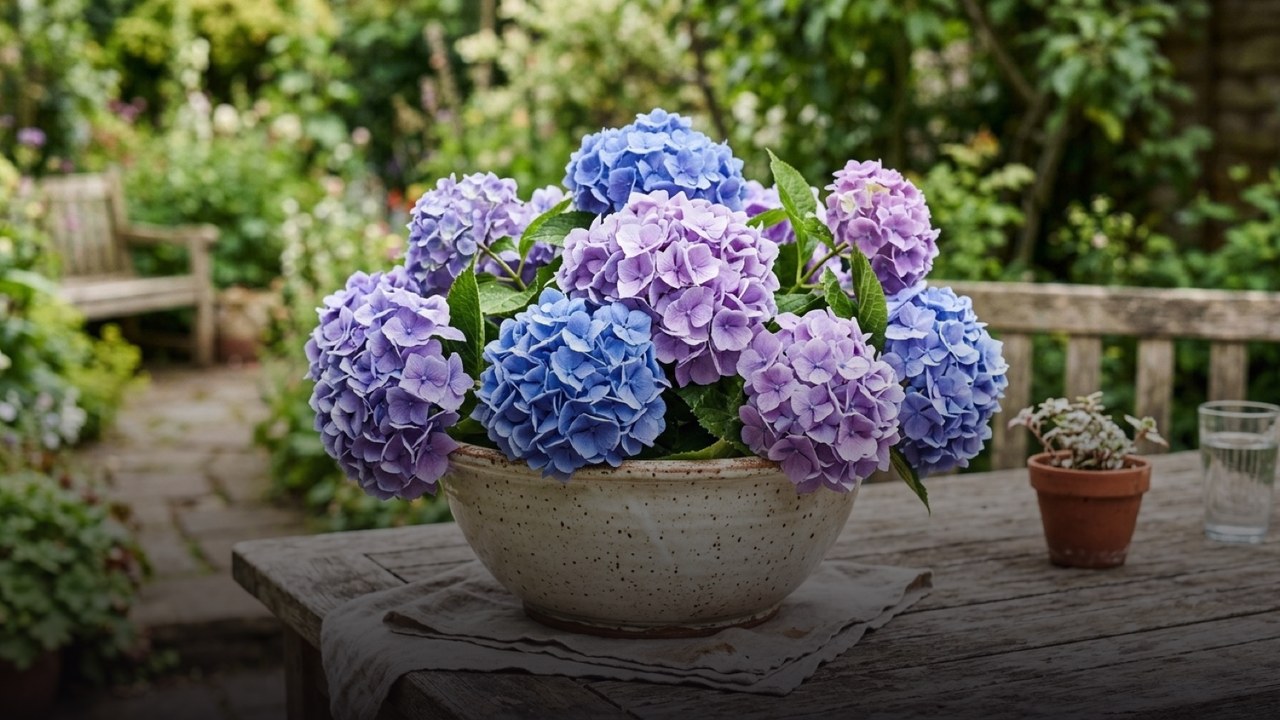
Hydrangeas contribute broad clusters of small flowers, making a bouquet look full with relatively few stems. Their size needs a stable vase and enough space between neighbouring flower heads. Keep them supplied with clean water and check the level regularly. If your recipient has limited space, a smaller arrangement may be easier to enjoy than a bouquet dominated by several large heads.
Choose a single-flower or mixed bouquet for the occasion
A single-flower bouquet makes one variety the main feature. This is a useful choice when you know the recipient loves tulips, roses or another particular flower. A mixed bouquet gives you more variation in texture and shape: one flower can provide the focal point while smaller blooms support it. Neither approach is automatically more formal or more thoughtful; the composition and personal connection matter.
For a birthday, start with the recipient’s preferred colours and flowers. For an anniversary, a variety connected with a shared memory can carry more meaning than a conventional romantic colour. For a colleague or host, consider a manageable size and a restrained fragrance. If you are unsure about someone’s tastes, a limited colour palette can help a mixed bouquet feel coherent.
In Russia, an odd number of flowers is customary for celebratory gifts when the stems form a clearly countable bouquet; even numbers are traditionally associated with mourning. If you are choosing a small bouquet of roses or tulips, pay attention to the count. For a dense mixed arrangement, explain the occasion so the composition can be discussed with the right context.
Match the bouquet to the vase and care routine
Think about the vase before choosing a very large or unusually shaped bouquet. Rounded arrangements need enough support at the neck to keep their outline, while tall stems need a stable base that will not tip under the flowers’ weight. Our guide to the best vase shape for flowers can help you match the container to the arrangement.
On arrival, use a clean vase, remove leaves that would sit under water and recut the stem ends with a clean, sharp tool. If flower food is supplied, follow its dilution instructions. Check the water every day and refresh it regularly, cleaning the vase when needed. Keep flowers away from direct sun, radiators and ripening fruit, and remove fading stems as the bouquet changes.
Different flowers open and fade at different rates, so a mixed bouquet will not keep exactly the same appearance throughout its display. Move healthy stems into a smaller vase as others finish. Avoid choosing solely by a claimed number of days: condition at arrival, room conditions and care all affect vase life, and no single lifespan applies to every bouquet.
How to choose and arrange flower delivery in Russia
Start with the bouquets catalogue, then contact a manager on WhatsApp if you need help choosing or want to agree the time, address and card text. You can also discuss a photo of the bouquet before delivery. Mention preferences that affect the choice, such as a favourite flower, strong scents to avoid or a cat in the household.
We deliver flowers across Russia. City delivery costs 500 RUB; for remote districts and suburbs, the operator confirms the price when confirming the order. Express delivery in large cities takes 1–2 hours after confirmation. You can also arrange an exact time within a margin of 30 minutes, choose a window of 09–12, 12–15, 15–18 or 18–21, or pre-order 1–30 days ahead.
Delivery is anonymous by default: the courier does not name the sender, and a card with your text is free. Sign the card if you want the recipient to know who sent it. The courier calls about 15 minutes before arrival. If the recipient is absent, we agree a second delivery the same day or, with the sender’s consent, hand the flowers to a neighbour or concierge.
Online checkout uses CloudPayments. If you are ordering from abroad, check the payment options displayed at checkout; acceptance of every foreign card is not guaranteed. Choose a delivery time when the recipient is likely to be available and able to put the flowers in water, especially if the gift is going to a workplace or arrives before an evening celebration. We deliver bouquets across Russia in 1–2 hours.
Frequently asked questions
What are the main types of bouquet flowers?
Common choices include roses, tulips, lilies, carnations, chrysanthemums, gerberas, peonies, hydrangeas and orchids. Compare their shape, scent and care needs, then choose a variety or combination that suits the recipient.
Is a single-flower bouquet better than a mixed bouquet?
A single-flower bouquet is a good choice when you know someone’s favourite variety. A mixed bouquet offers more variation in shape and texture, especially when the flowers share a considered colour palette.
Which bouquet flowers should I avoid in a home with cats?
Avoid true lilies and daylilies because they are highly toxic to cats, including their pollen. Check the full composition of a mixed bouquet and keep cut flowers and vase water out of pets’ reach.
Can I send flowers to Russia without naming myself?
Yes, delivery is anonymous by default, and the courier does not name the sender. A card with your text is free, so you can decide whether to include your name in the message.
How can I pay when ordering flowers from abroad?
Online checkout uses CloudPayments; check the options displayed there for your order. Acceptance of every foreign card is not guaranteed.
Ready to send flowers?
Pick the city, choose the bouquet, and a local florist takes it from there.
Choose a city →