Water Temperature and Flower Food: What Actually Works
You have just unwrapped a beautiful bouquet — maybe roses from a loved one, maybe a lush peony arrangement you ordered for yourself — and now you are standing at the sink wondering whether to fill the vase with cold water or warm, and whether to drop in that little sachet or try a home remedy you read about online. The advice out there is genuinely contradictory, and some of it has been repeated so many times that it feels like fact. Here is what a florist who handles fresh stems every single day actually knows.
Why Water Temperature Matters More Than People Realise
Most people treat vase water as a passive backdrop, but water temperature directly affects how quickly a stem drinks and how fast bacteria multiply. Warm water — roughly 38 to 43 degrees Celsius — moves up the stem by capillary action noticeably faster than cold water does. This matters most in the first hour after you cut and place the flowers, because that is when a thirsty stem is trying to replace moisture lost during transport or wrapping.
Cold water slows bacterial growth, which sounds like a benefit, but it also slows uptake, so the flower does not rehydrate as efficiently right away. The practical answer is to use warm water for the initial fill and then allow it to cool naturally. When you top up the vase the next day, cool or room-temperature water is perfectly fine.
There is one important exception. Bulb flowers — tulips, hyacinths, narcissus — genuinely prefer cool water throughout their vase life. Warm water encourages tulips to open very quickly and then collapse just as fast. If someone has sent you a tulip bouquet, fill the vase with cool water from the start and keep the arrangement away from radiators. This is especially relevant in Russian apartments during winter, where central heating runs hot and the air is very dry, accelerating petal loss in warmth-sensitive varieties.
Bouquets we can deliver

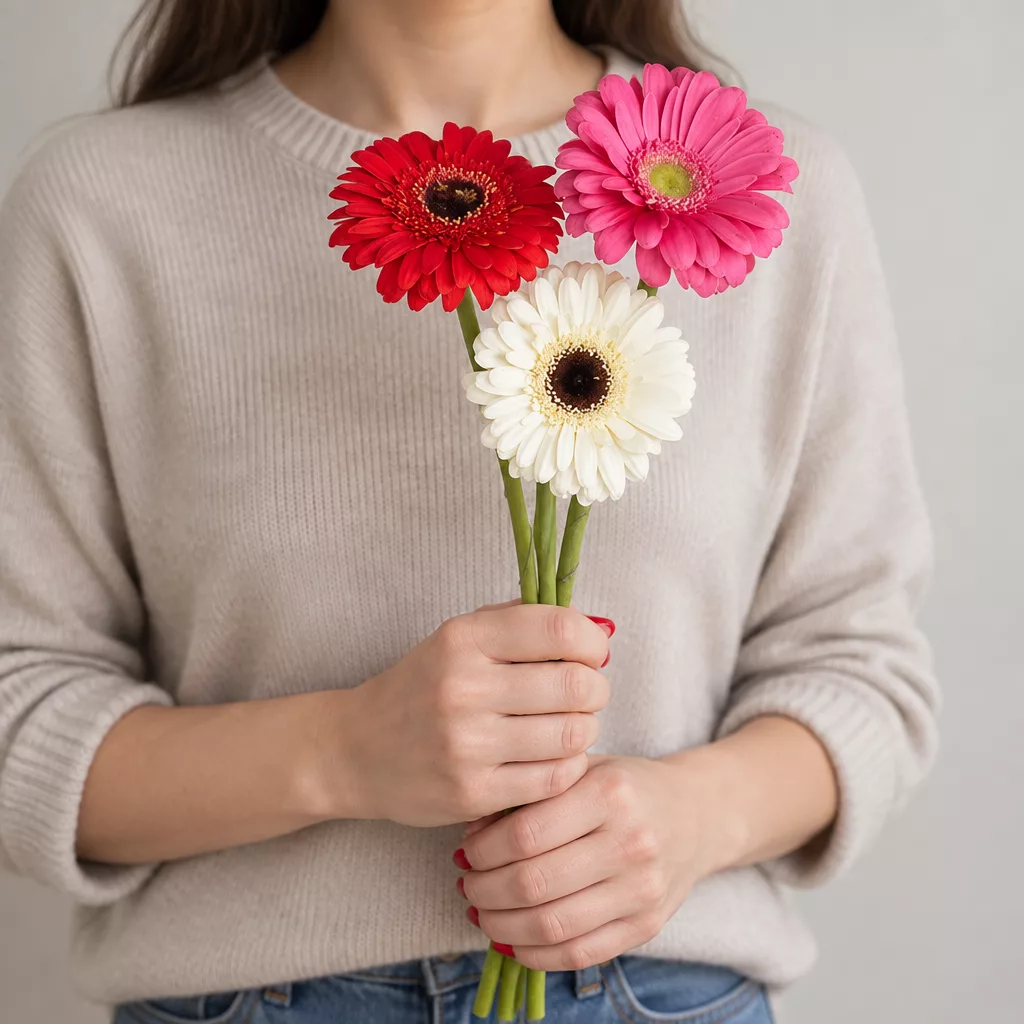

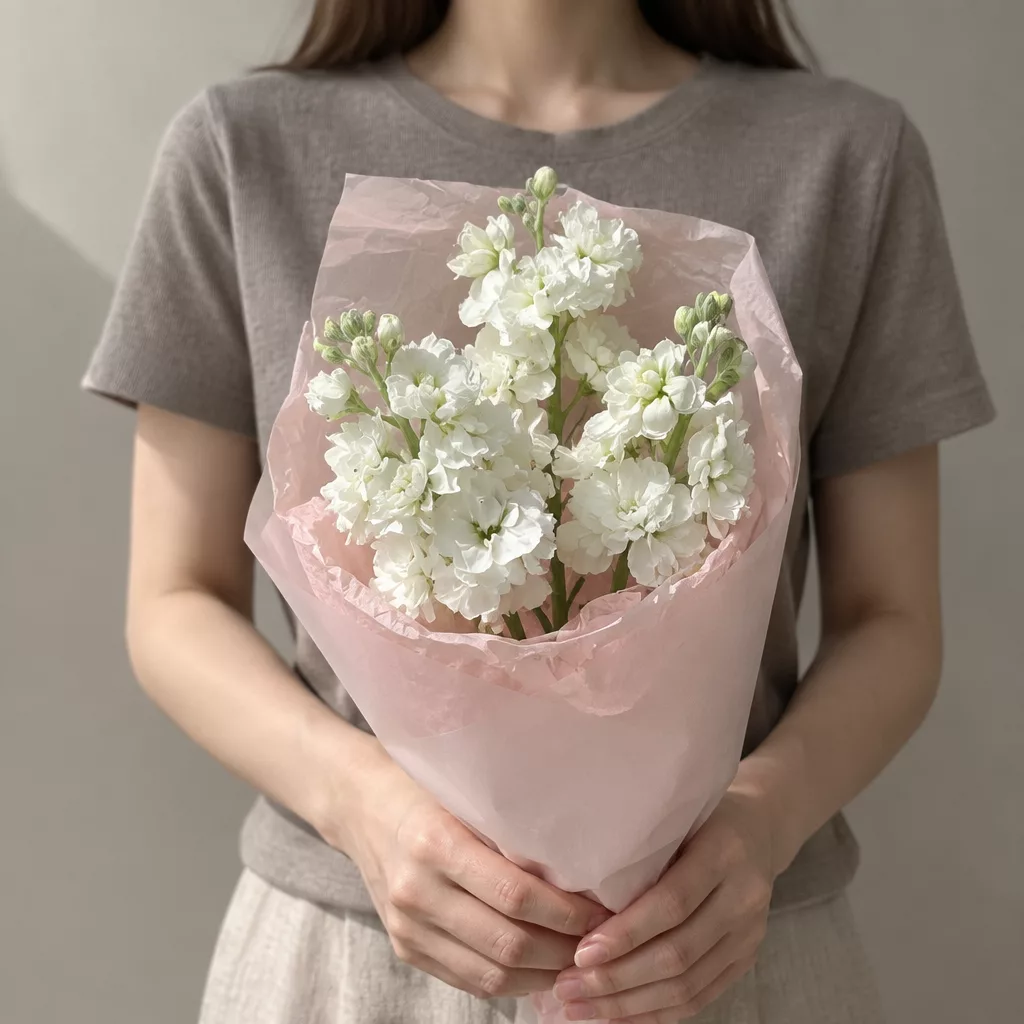
The Aspirin Myth: Where It Came From and What It Does
Dropping an aspirin tablet into vase water is one of the oldest home remedies for cut flowers, and it has survived because it contains a grain of truth buried inside a larger misunderstanding. Aspirin is acetylsalicylic acid, and it does slightly lower the pH of water. Slightly acidic water moves up a stem more efficiently than neutral or alkaline water, and many tap water supplies — including in Saint Petersburg — lean alkaline. So the aspirin is not entirely useless.
The problem is dosage and consistency. A standard aspirin tablet dissolved in a full vase produces a very mild acidic shift, not enough to make a dramatic difference in stem uptake. It does nothing to feed the flower, and it has no meaningful antibacterial effect at that concentration. You might notice a marginal improvement in how long roses or gerberas stay upright, but you would not notice it compared to simply changing the water every two days.
What aspirin cannot do is replace sugar, which flowers need as a carbohydrate source once they are cut off from the plant. It also cannot replace a proper antibacterial agent. So if aspirin is all you have, it is not harmful, but it is not a substitute for better solutions. Think of it as a very weak version of one component of commercial flower food, missing the other two components entirely. For roses especially, which are heavy drinkers, aspirin alone will not extend vase life in any noticeable way beyond good basic care.
Sugar in the Vase: Helpful, Harmful, or Both
Sugar does something aspirin cannot — it gives cut flowers a carbohydrate source. Once a stem is separated from the plant, it can no longer photosynthesize, so it draws on its own stored sugars to keep petals open and colors vivid. Adding sugar to the water supplements that internal reserve and can genuinely extend the display life of flowers like carnations, lisianthus, and alstroemeria.
The catch is that sugar also feeds bacteria, and bacteria are the main reason vase water turns cloudy and stems rot at the base. If you add sugar without also adding something antibacterial, you may actually shorten vase life rather than extend it. A teaspoon of sugar in a small vase with no antibacterial agent can produce a noticeably foul-smelling vase within two days, particularly in a warm room.
The ratio matters too. A very small amount — around one teaspoon per liter — is enough for most flowers. More than that can cause osmotic stress, drawing water out of the stem rather than into it, which causes wilting that looks exactly like dehydration even though the vase is full. Chrysanthemums and sunflowers are particularly sensitive to sugar overload.
The practical takeaway is this: sugar works, but only as part of a balanced solution. On its own, it creates as many problems as it solves. This is exactly why commercial flower food sachets were developed — they combine the right amount of sugar with an acidifier and a biocide in proportions that have been tested across many flower varieties and water conditions.
What Commercial Flower Food Sachets Actually Contain
That small paper sachet that comes with a bouquet is not a marketing gimmick. It typically contains three active components: a carbohydrate source (usually sucrose or glucose), an acidifier to lower water pH and improve stem uptake, and a biocide to slow bacterial growth. The proportions are calibrated to work together, which is why the sachet outperforms any single home remedy.
The biocide is often a very low concentration of a compound like aluminum sulfate or a citric acid derivative. At the levels used in flower food, it is safe and effective without damaging stem tissue. It keeps the water cleaner for longer, which means the stem's vascular system stays open and the flower continues to drink properly through its full display life.
Dissolved correctly — in the volume of water specified on the packet, usually around half a liter — a commercial sachet extends vase life by a measurable margin for roses, gerberas, carnations, and mixed bouquets. The effect is less dramatic for woody-stemmed flowers like lilac or viburnum, which benefit more from stem preparation than from water chemistry.
One common mistake is splitting a sachet between two vases to save it. The diluted concentration is too weak to be effective. Another mistake is adding the sachet to a vase that has not been cleaned. Bacteria already present in the vase will overwhelm the biocide quickly. Wash the vase with hot water and a drop of dish soap before using flower food, and the sachet will do exactly what it promises.
Home Remedies That Florists Actually Use — and Why
Professional florists do occasionally use kitchen ingredients, but the reasons are specific and the application is precise. A small amount of bleach — one or two drops per liter, no more — is genuinely effective as a biocide and is used in some wholesale conditioning solutions. It keeps water clear and prevents the bacterial buildup that blocks stem vessels. At this concentration it does not bleach petals or damage stems, but measuring it accurately at home is difficult, which is why it is not a standard recommendation for consumers.
Apple cider vinegar is sometimes suggested as an acidifier, and it does lower pH, but it also introduces its own organic compounds that can feed bacteria, partly canceling the benefit. White vinegar is cleaner but harder to dose correctly. Citric acid powder, sold in Russian grocery stores for preserving, is a more predictable acidifier and is actually an ingredient in some commercial flower food formulas. A small pinch in a vase of water is a reasonable substitute if you have no sachet available.
Copper coins are a persistent myth with no real mechanism behind them. The idea is that copper ions inhibit bacteria, which is true of copper in industrial concentrations, but a coin sitting in a vase releases negligible amounts. Vodka added to vase water is another Russian household tip — the alcohol does have some antibacterial effect, but the concentration needed to be effective would also stress the stems. It is the kind of remedy that seems plausible but does not survive testing.
Stem Cutting and Water: The Step Nobody Skips Twice
Water temperature and flower food are only effective if the stem can actually absorb water, and that depends entirely on how the stem is cut. A flat cut with a dull knife or scissors compresses the stem tissue and reduces the surface area available for uptake. A diagonal cut with a sharp blade or clean scissors opens a larger surface and prevents the stem from sitting flat on the vase bottom, which would seal it.
The most important detail is cutting the stem while it is submerged in water, or cutting it and placing it in water within a few seconds. When a stem is exposed to air, the cut end begins to seal almost immediately as the plant's natural response to injury. If you cut in the open air and then walk across the room to the vase, you have already lost some of that fresh surface. This is not a myth — it is straightforward plant physiology.
For roses specifically, which are the most common flower in Russian bouquets and the most demanding in terms of hydration, a fresh diagonal cut every two days combined with a full water change makes a bigger difference than any additive alone. Roses also benefit from having lower leaves removed — any foliage sitting below the waterline will rot quickly and introduce bacteria into the water.
Hyacinths and other bulb flowers should have their white lower stem section trimmed carefully, as this section absorbs poorly compared to the green stem above it. Trim just enough to expose fresh green tissue and you will see the flower stand more upright within an hour.
Putting It All Together for the Flowers You Actually Have
Different flowers respond differently, and a single universal recipe does not exist. For a classic rose bouquet, warm water at the start, a commercial sachet dissolved correctly, a diagonal stem cut, and a water change every two days will keep the arrangement looking full and vivid for seven to ten days in a cool room. Remove any petals that begin to brown, as they release ethylene gas that accelerates aging in the surrounding flowers.
For a mixed bouquet — which might include roses, spray carnations, eucalyptus, and waxflower — the sachet approach works well across all the varieties simultaneously. Eucalyptus and other foliage are generally tough and do not need special treatment, but they do cloud the water faster than flower stems, so changing the water more frequently helps.
Peonies, which are enormously popular in Russia from late spring through summer, are best conditioned in cool water and kept out of direct sunlight. They open slowly and dramatically, and warmth accelerates the process too much. No sachet is needed for peonies to last well — clean water and cool temperatures are the dominant factors.
For a bouquet that arrived tightly wrapped and slightly wilted from transport, the fastest recovery method is a fresh diagonal cut, warm water, and placing the whole arrangement in a cool room for an hour before moving it to its display spot. Flower food helps but rehydration comes first. Once the stems have drunk deeply, the flowers will lift and the arrangement will look as intended.
The gap between flower care myths and what actually works is mostly a gap between single-ingredient thinking and the chemistry of a living stem. Warm water helps uptake at the start. Sugar feeds the flower. An acidifier improves absorption. A biocide keeps the water clean. Commercial sachets combine all three, which is why they work better than any one home remedy on its own. Aspirin is not useless but it is incomplete. Sugar without a biocide creates new problems. Copper coins do nothing. What does work, every time, is a clean vase, a fresh diagonal cut, the right water temperature for your specific flowers, and a water change every couple of days. These are not complicated steps, and they are the difference between a bouquet that lasts four days and one that looks beautiful for ten.
Frequently asked questions
Should I use cold or warm water when I first put flowers in a vase?
Start with warm water — around 38 to 43 degrees Celsius — for most cut flowers. Warm water moves up the stem faster and helps a freshly cut flower rehydrate quickly. The exception is bulb flowers like tulips and hyacinths, which prefer cool water throughout their vase life to slow how fast they open and prevent early collapse.
Is the flower food sachet that comes with a bouquet actually worth using?
Yes, and it outperforms every common home remedy because it combines three things at once: sugar for nutrition, an acidifier to improve stem uptake, and a biocide to slow bacterial growth. Use it in the correct water volume listed on the packet, in a clean vase, and it will noticeably extend vase life for roses, carnations, gerberas, and most mixed arrangements.
Can I use sugar and a drop of bleach instead of a commercial sachet?
You can, but precision matters. One teaspoon of sugar per liter provides carbohydrates, and one or two drops of bleach per liter acts as a biocide. The difficulty is measuring bleach accurately at home — too much damages stems, too little does nothing. A commercial sachet is a safer and more reliable option, but this combination is a reasonable substitute if nothing else is available.
Why does my vase water turn cloudy so quickly even when I change it?
Cloudy water is almost always caused by bacteria multiplying around the cut stem end. The most common causes are foliage sitting below the waterline, a vase that was not fully cleaned before use, or stems that were not recut when the water was changed. Remove all submerged leaves, wash the vase with hot soapy water between changes, and recut stems diagonally each time.
Do roses really need different care from other flowers in a mixed bouquet?
Roses are heavier drinkers than most flowers in a typical mixed arrangement and benefit most from a fresh diagonal cut every two days. They are also more sensitive to ethylene gas released by ripening fruit, so keep them away from fruit bowls. Beyond that, the same sachet and clean water routine that works for the rest of the bouquet works well for the roses too.
Ready to send flowers?
Pick the city, choose the bouquet, and a local florist takes it from there.
Choose a city →