Sending Flowers to Your Mother in Russia for Her Birthday
Your mother's birthday is one of those occasions where the flowers you choose say everything before you even get to write the card. In Russia, birthdays are celebrated warmly and generously, and a bouquet arriving at her door — especially as a surprise — carries real emotional weight. The question is not simply which flowers to pick, but which ones will make her feel genuinely seen and celebrated rather than just remembered.
What Russian Mothers Actually Want to Receive
Russian mothers tend to have strong, clear opinions about flowers, and most of them lean toward the classic and the abundant rather than the spare and architectural. A single stem in a vase is considered a little cold for a birthday. What reads as warmth and effort is a full, round bouquet — something that takes up space on the table and fills the room with fragrance. This is not about extravagance for its own sake. It is about the sense that someone thought carefully and gave generously.
Roses remain the most beloved flower across all age groups, but tulips, peonies, chrysanthemums, and spray roses all have devoted followings depending on the season and the woman. What matters is that the bouquet looks lush and intentional, not like a last-minute selection. Russian mothers notice when flowers are fresh — tight buds that will open over the next two or three days are always appreciated more than blooms that are already fully open on arrival.
Fragrance is also a real consideration. Eustoma, freesia, and garden roses all carry scent, and many mothers specifically mention that they love a bouquet they can smell from across the room. If you know she keeps her home warm, lean toward flowers that hold fragrance well in heated interiors, such as spray roses or alstroemeria mixed with a few stems of scented freesia.
Bouquets we can deliver

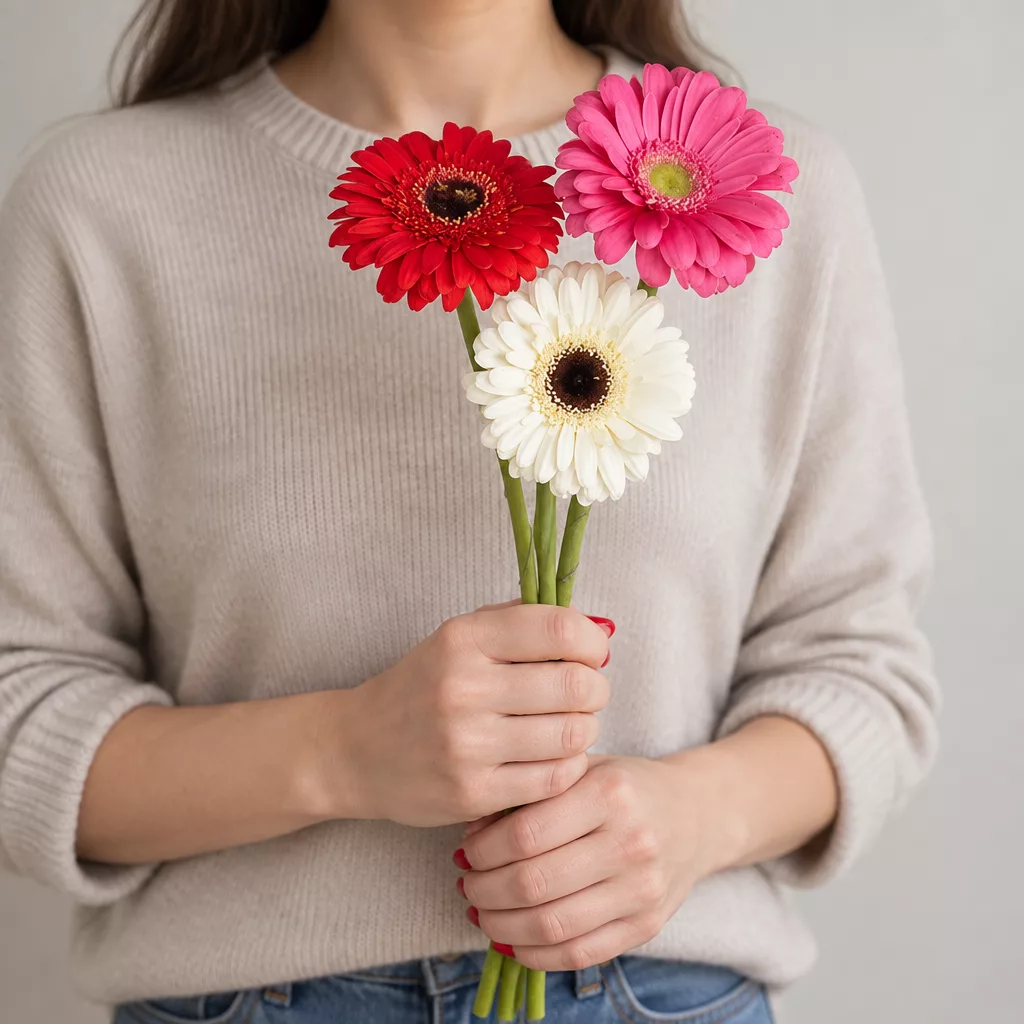

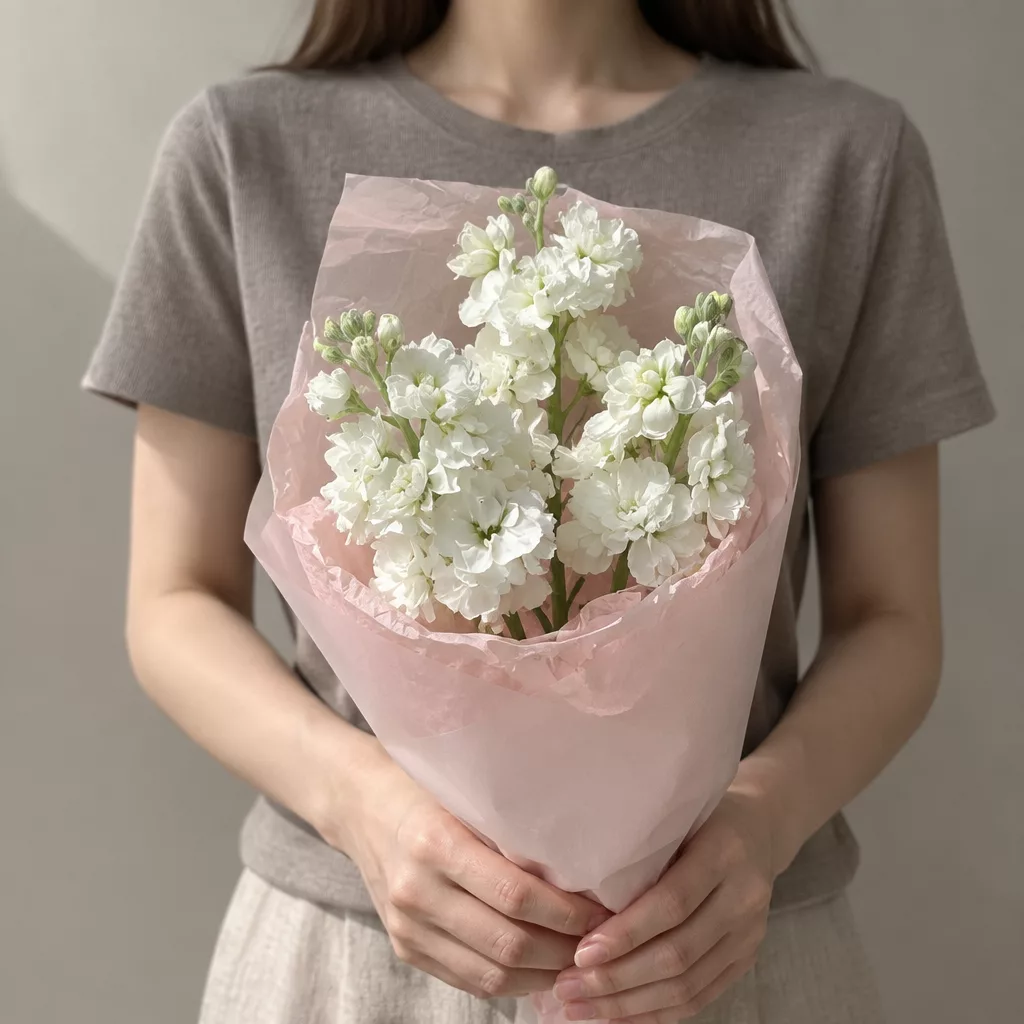
The Colours That Land Best for a Birthday
Colour carries meaning in Russian flower culture, and it is worth knowing a few conventions before you choose. White flowers are traditionally associated with weddings and sometimes with more solemn occasions, so a bouquet of purely white blooms for a birthday can feel slightly off to a Russian recipient, even if it looks elegant to you. That said, white mixed generously with other colours — cream roses alongside coral peonies, or white eustoma woven through a pink arrangement — reads as sophisticated rather than ceremonial.
Pink in all its shades is consistently the most popular choice for mothers. Soft blush, warm coral, vivid fuchsia — each creates a different mood but all feel celebratory and personal. Red roses carry romantic associations in Russia, so they work best when sent from a partner rather than from a child or a friend. If you are sending as a son or daughter, deep burgundy roses or warm terracotta tones give you the richness of red without the romantic connotation.
Yellow flowers have shed their old association with separation in Russia among younger generations, but some older mothers still hold that superstition. If you are not sure about her views, mixing yellow with orange and peach creates a sunny, joyful palette that feels unambiguously festive. Purple and lilac — particularly in lisianthus, lavender, and violet roses — feel elegant and slightly unexpected, which can be a wonderful choice for a mother with refined taste who has seen many bouquets of pink roses in her life.
Choosing the Right Bouquet Size for the Occasion
In Russia, the number of flowers in a bouquet has a long-standing tradition attached to it: an odd number of stems is for living recipients, an even number for mourning. Most good florists follow this automatically, but if you are customising an order, keep it in mind. Beyond that, size genuinely matters for a birthday — a small bouquet of seven or nine stems is a kind gesture but feels modest for a milestone celebration.
For a standard birthday, a bouquet of fifteen to twenty-five stems strikes the right balance. It looks generous and full without being so enormous that she has no vase to put it in. For a significant birthday — a fiftieth, a sixtieth, a seventieth — a larger arrangement of thirty-five to fifty stems, or a combination of a bouquet with a hatbox of blooms, signals that the occasion is truly special.
Bouquet shape matters too. A round, domed bouquet is the most classic and universally loved form in Russia. It photographs beautifully, it sits well in a vase, and it reads as a considered, complete gift. Cascading or asymmetric arrangements are more contemporary and can feel wonderful for a mother with modern taste, but they require a little more confidence in knowing what she likes. When in doubt, the round bouquet in her favourite colour is never wrong. Adding greenery — eucalyptus, ruscus, or pistacia — gives the arrangement depth and makes the flowers stand out rather than blending together.
The Best Flowers by Season for Her Birthday
Russia has a pronounced floral calendar, and choosing flowers that are naturally in season means you get better quality and longer vase life. If her birthday falls in spring — roughly March through May — you have access to tulips, ranunculus, hyacinths, and the first peonies of the year. Tulips are particularly beloved in Russia and arrive in enormous variety: parrot tulips with their fringed petals, double tulips that resemble peonies, and the classic single-stemmed tulip in every colour. A large bouquet of mixed tulips is one of the most joyful things you can send in spring.
Summer birthdays open the door to garden roses, full peonies, and dahlias — all flowers that feel luxurious and abundant. Peonies in particular have an almost cult following among Russian women of all ages. Their heavy, fragrant heads and their brief season make them feel genuinely special. If her birthday is in June or July, a bouquet built around peonies will almost certainly delight her.
Autumn brings chrysanthemums, which are deeply embedded in Russian flower culture and genuinely loved — not a consolation prize. Large-headed santini chrysanthemums in rust, bronze, and cream look spectacular together. Winter birthdays call for roses, which are imported year-round and maintain excellent quality, alongside amaryllis, ornithogalum, and alstroemeria. A winter bouquet of deep red, burgundy, and white roses with dark greenery has a richness and warmth that suits the season perfectly.
Timing the Delivery Around Her Day
Getting the timing right matters as much as the flowers themselves. A birthday bouquet that arrives at nine in the morning while she is still in her dressing gown, before the day has properly begun, creates a wonderful start. She has the whole day to enjoy the flowers, to photograph them, to show them to whoever visits. An evening delivery after dinner, while still appreciated, loses some of that celebratory momentum.
If she works, think about whether she would prefer the flowers to arrive at home before she leaves in the morning, or whether she would love the surprise of them waiting when she returns. Many mothers genuinely enjoy coming home to find flowers on the table — it turns the end of a working birthday into something festive. If she is retired or at home during the day, a mid-morning delivery — between ten and noon — is usually ideal. She is awake, settled, and the flowers become part of her whole day.
Avoid scheduling delivery during the lunch hour if she is likely to be out, and think about whether she has any regular commitments — a gym class, a regular visit to a friend — that might mean she is away from home. If you are not certain of her schedule, a morning window gives you the most reliable chance of the flowers being received in person rather than left with a neighbour. Turboflora delivers across Russia within one to two hours of your order, so you can also respond quickly if plans change on the day.
Combinations and Presentation That Elevate a Bouquet
The individual flowers matter, but it is how they are combined and presented that makes a bouquet feel like a real gift rather than a collection of stems. Texture is the secret ingredient that most people overlook. Pairing the smooth, round heads of garden roses with the ruffled layers of ranunculus and the delicate spray of waxflower creates a bouquet that rewards close looking — every angle is interesting.
For a mother who loves soft, romantic arrangements, try blush roses with white eustoma, pale pink ranunculus, and silver-green eucalyptus. The result is gentle and layered, and the eustoma adds a slight translucence that catches light beautifully. For a mother with bolder taste, deep coral roses with orange spray roses, golden santini chrysanthemums, and dark green ruscus creates something vibrant and confident that holds its own in any room.
Presentation wrapping is taken seriously in Russia. A bouquet wrapped in kraft paper with a satin ribbon reads as artisan and thoughtful. Cellophane wrapping alone feels more commercial. Many mothers save the wrapping paper and the ribbon — the packaging is part of the gift. If you are adding a card, keep the message warm and specific: a general happy birthday note is fine, but a sentence about what she means to you or a shared memory makes the flowers feel truly personal. The combination of a beautiful bouquet and a genuine message is genuinely hard to improve upon as a birthday gift.
Keeping Her Flowers Fresh for as Long as Possible
Russian apartments are often kept warm — sometimes very warm in winter, when central heating runs at full strength. This is the single biggest factor working against vase life. Heat accelerates the opening and ageing of flowers, so helping her understand a few simple things can double how long the bouquet lasts.
The moment the flowers arrive, the stems should be trimmed at an angle under running water or in a bowl, removing about two centimetres. This opens the stem and allows maximum water uptake immediately. Any leaves that would sit below the waterline should be removed to prevent bacterial growth in the vase. The vase itself should be clean, and the water changed every two days.
Position matters more than most people realise. Flowers placed near a radiator, in direct sunlight through a window, or next to a fruit bowl — ethylene gas from ripening fruit shortens flower life noticeably — will fade significantly faster. A spot on a table away from heat sources and out of direct afternoon sun is ideal. Roses and eustoma typically last seven to ten days with good care. Tulips last five to seven days but continue to grow and move after they are cut, which many people find charming. Peonies, if they arrive in tight bud, can last up to a week and will open dramatically over the first two days. Remind her to enjoy the process of watching them open — it is part of what makes fresh flowers a living gift.
Sending flowers to your mother in Russia for her birthday is one of those gestures that carries more meaning than almost anything else you could choose. A bouquet that arrives fresh, at the right moment, in colours she loves, tells her that you know her and that you wanted her day to feel special. You do not need to be an expert in Russian flower customs to get it right — you just need to think about her specifically: what she keeps on her windowsill, what colours she wears, whether she loves the drama of full peonies or the classic elegance of long-stemmed roses. Start there, and the rest follows naturally.
Frequently asked questions
Is it appropriate to send red roses to my mother in Russia for her birthday?
Red roses carry a strong romantic association in Russian culture, so they are most naturally sent between partners. For a mother's birthday, deep burgundy, coral, or terracotta roses give you the same richness and warmth without the romantic connotation. Mixed arrangements with red as one element among several colours also work well and feel celebratory rather than romantic.
How many flowers should be in a birthday bouquet for a Russian mother?
Russian tradition holds that bouquets for living recipients should contain an odd number of stems. For a birthday, fifteen to twenty-five stems is a generous and appropriate size for a standard celebration. For a milestone birthday such as a fiftieth or sixtieth, thirty-five or more stems — or a combination of a bouquet and a hatbox — signals that the occasion is truly significant.
What is the best time of day to schedule a flower delivery for her birthday?
Morning delivery between nine and noon is usually ideal. It means she has the flowers for the entire day, which feels more celebratory than an evening arrival. If she works, consider whether she would prefer to find them waiting when she comes home. Avoid the lunch hour when she may be out, and check whether she has regular commitments that might mean she is away from home.
Which flowers have the longest vase life in a warm Russian apartment?
Alstroemeria and chrysanthemums are the most durable, often lasting ten to fourteen days with proper care. Roses and eustoma typically give seven to ten days. Tulips last five to seven days but continue to grow and move after cutting. The most important factor in a warm apartment is keeping flowers away from radiators, direct sunlight, and fruit bowls, and changing the vase water every two days.
Are peonies available year-round for birthdays in Russia?
Peonies have a natural season running roughly from late May through July, and this is when they are at their finest — fragrant, full, and long-lasting. Outside this window they can be sourced through import, but quality and vase life are less reliable and the fragrance is often reduced. If her birthday falls in spring or early summer, peonies are an excellent choice. For other seasons, garden roses offer a similarly lush and romantic effect.
Ready to send flowers?
Pick the city, choose the bouquet, and a local florist takes it from there.
Choose a city →