Which Flowers Stay Fresh the Longest in a Vase?
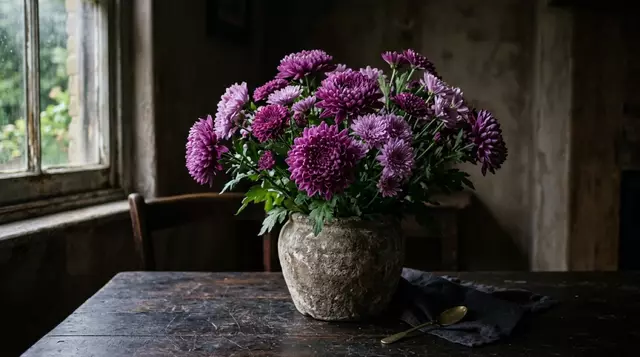
Chrysanthemums, carnations and alstroemeria are among the cut flowers that usually stay fresh longest in a vase. With fresh stems and good care, they can often last about two weeks, sometimes longer; the condition you buy them in matters as much as the variety.
For a gift that keeps looking good after the first few days, choose flowers with firm stems, healthy leaves and blooms at different stages of opening. Then consider the recipient's routine: someone happy to trim stems and refresh water can manage a mixed bouquet, while a simple bunch of one durable flower makes it easier to spot ageing stems and keep the vase clean.
The strongest choices for a long vase life
Chrysanthemums are a useful starting point when longevity is your priority. Their branching stems can carry several flower heads, so a bunch still looks substantial as individual blooms age. Look for crisp petals and healthy foliage along the stems. Remove any leaves that would sit in water, because submerged foliage makes the water deteriorate more quickly.
Carnations combine a long vase life with a soft, full shape. Choose blooms with resilient petals and firm stems rather than flowers with browned edges or heads that already feel loose. Their jointed stems need a clean cut with a sharp tool; crushing the ends makes it harder to maintain a clean, sound stem in the vase.
Alstroemeria is especially rewarding if you enjoy watching a bouquet develop. Several buds share each stem and open in succession, extending the display. Choose stems with some flowers showing colour and others still in bud. Its leaves may yellow before every flower is finished, so remove fading foliage carefully while leaving healthy blooms in place.
How roses, lilies and other favourites compare
Roses can give a satisfying display, but their vase life varies considerably with variety, freshness and handling. Check for firm stems, sound leaves and petals without widespread browning. A few protective outer petals can look less polished than the centre without meaning the whole rose is old; a drooping head or a soft, damaged stem deserves closer attention.
Lilies can provide a long display because the buds on a stem open at different times. Choose a stem with at least one bud showing colour rather than every flower fully open. Remove individual blooms as they fade. Lilies are highly toxic to cats, including their pollen and vase water, so choose another flower for a home where a cat could reach them.
Tulips and gerberas have their own appeal, but they are less dependable choices when your main goal is the longest possible display. Tulips continue to grow and bend after cutting, which is normal rather than an immediate sign of decline. In a mixed bouquet, remember that its appearance changes as different flowers age; one faded stem does not mean the whole arrangement is finished.
Bouquets we can deliver




Choose the right stage of opening
A tightly closed bud is not automatically the freshest or best purchase. Some flowers cut too early may struggle to open properly. For alstroemeria and lilies, a mixture of opening blooms and developing buds offers both an attractive first impression and flowers to enjoy later. Chrysanthemums and carnations should already show their characteristic shape and colour.
Inspect the whole stem, not just the flower head. Healthy leaves, firm stems and clean-looking cut ends are useful signs, although they cannot reveal the full handling history. Avoid slimy stems, a sour smell from the water or extensive petal damage. A naturally long-lasting variety cannot recover time already lost through poor storage or prolonged lack of water.
Match the opening stage to the occasion. For a gift enjoyed immediately, some open flowers help the bouquet look welcoming on arrival. For someone who likes watching flowers unfold, include more developing buds. If you are choosing from the bouquets catalogue, ask about the flowers in an arrangement rather than treating its title as evidence of how long it will last.
The vase routine that makes the biggest difference
Start with a thoroughly washed vase, including the inside walls and base. Rinse away detergent, then add fresh water and commercial cut-flower food if supplied, following the packet's dilution instructions. Remove wrapping that would sit in the water and strip leaves below the waterline. Keep ties only if they support the arrangement without trapping wet foliage.
Use a clean, sharp blade or secateurs to remove a short section from each stem, then place the flowers promptly in water. Check the level daily: a vase can look full near the base while some shorter stems no longer reach the water. Change the water every couple of days, sooner if it becomes cloudy or smells, and clean the vase when you do.
Place the bouquet away from direct sun, radiators, draughts and ripening fruit. Remove fallen petals and fading stems as you notice them, and refresh the stem ends when needed. Avoid mixing household chemicals or adding improvised remedies to treated water. For the cleaning steps that are easy to miss, follow our vase cleaning routine.
Make a lasting bouquet easy to receive and enjoy
Think about the recipient's space as well as their taste. A manageable bunch that fits an ordinary vase is often easier to care for than a large arrangement needing several containers. Ask whether strong fragrance is welcome before choosing scented flowers. For an office, shared home or bedside table, the recipient's preferences matter more than a traditional association attached to a flower.
When sending flowers in Russia, an odd number of stems is the customary choice for a celebratory bouquet where the stems are individually counted; even numbers are traditionally associated with mourning. Flower meanings vary between families and cultures, so make your intention clear in the card. Carnations can carry commemorative associations, making colour, presentation and the recipient's taste worth considering.
Add a short, useful care note rather than a long list of instructions: clean vase, fresh water, no submerged leaves, and a position away from heat and sun. Our card with your text is free. Delivery is anonymous by default, so the courier does not name the sender; include your name in the card if you want the recipient to know who sent the flowers.
Sending long-lasting flowers to someone in Russia
We deliver flowers across Russia. If longevity is your priority, contact a manager on WhatsApp for help choosing a bouquet and agreeing the address, delivery time and card text. Explain whether you prefer chrysanthemums, carnations or alstroemeria, and mention any household considerations, such as a cat. You can also arrange a photo of the bouquet before delivery.
City delivery costs 500 RUB; the operator confirms delivery prices for remote districts and suburbs when confirming the order. In large cities, express delivery takes 1–2 hours after order confirmation. Other options are delivery at an exact time with a tolerance of 30 minutes either side, windows of 09–12, 12–15, 15–18 or 18–21, or pre-ordering 1–30 days ahead.
Choose a time when the recipient can receive the flowers and put them in water. The courier calls about 15 minutes before arrival. If the recipient is absent, we agree a second delivery that day or, with the sender's consent, hand the flowers to a neighbour or concierge. Online checkout uses CloudPayments; check the payment options shown there, as acceptance of every foreign card is not guaranteed. See delivery and payment for ordering information.
Frequently asked questions
Which flowers should I choose if vase life matters most?
Start with chrysanthemums, carnations or alstroemeria, which are generally dependable choices for a lasting display. Freshness, handling and the recipient's care routine still affect the result.
Can cut flowers stay fresh for two weeks?
Yes, some chrysanthemums, carnations and alstroemeria can last about two weeks or longer under good conditions. Treat this as a possible range, not a promise for every stem or bouquet.
Should I remove flowers as they start to fade?
Yes, remove faded blooms, yellowing leaves and any soft or slimy stems. Healthy stems can remain in a cleaned vase with fresh water even after the original bouquet has become smaller.
Does changing vase water really help?
Fresh water and a clean vase help limit the build-up of debris and microorganisms that can interfere with water uptake. Check water daily and change it every couple of days, or sooner if it becomes cloudy or develops an odour.
How can I choose a bouquet for someone in Russia from abroad?
Contact our manager on WhatsApp to discuss the bouquet, address, timing and card text. Online checkout uses CloudPayments; check the options displayed at checkout for your payment method.
Ready to send flowers?
Pick the city, choose the bouquet, and a local florist takes it from there.
Choose a city →