Why Flowers Smell Less After a Day and What You Can Do
You unwrap a bouquet in the evening and the scent fills the whole room. By the next morning, something is different — the flowers look almost the same, but the fragrance has quietly retreated. This is one of the most common disappointments people share with us, and it has a real explanation rooted in how living flowers work. Understanding it takes about two minutes, and acting on it can add two or three extra days of genuine perfume to any arrangement sitting on your table.
What Creates Fragrance in a Flower in the First Place
Flower scent is produced by volatile organic compounds — tiny aromatic molecules that the plant releases into the air from specialised cells inside the petals. In nature, this is a purposeful signal: the plant is advertising itself to pollinators. Roses concentrate these compounds in the outer layers of their petals, which is why a fully open rose smells strongest in the morning when the petals are cool and the cells are intact. Lilies store their fragrance in a different structure — the nectary tissue near the base of the flower — which is why their scent intensifies as the bloom opens further rather than peaking immediately.
The key detail is that these molecules are genuinely volatile, meaning they evaporate. A flower does not have an infinite reservoir of scent. It produces aromatic compounds continuously while the plant is alive and drawing nutrients, but once a stem is cut, that production slows significantly. The flower is now working from what it has stored rather than what it can generate fresh. Warm air, direct light and low humidity all accelerate evaporation, which is why a bouquet placed near a radiator or on a sunny windowsill loses its fragrance so quickly. The petals may still look presentable for days, but the scent is gone because the volatile compounds have simply dispersed into the room. Knowing this helps you make one good decision immediately: where you place the bouquet matters as much as how you water it.
Bouquets we can deliver

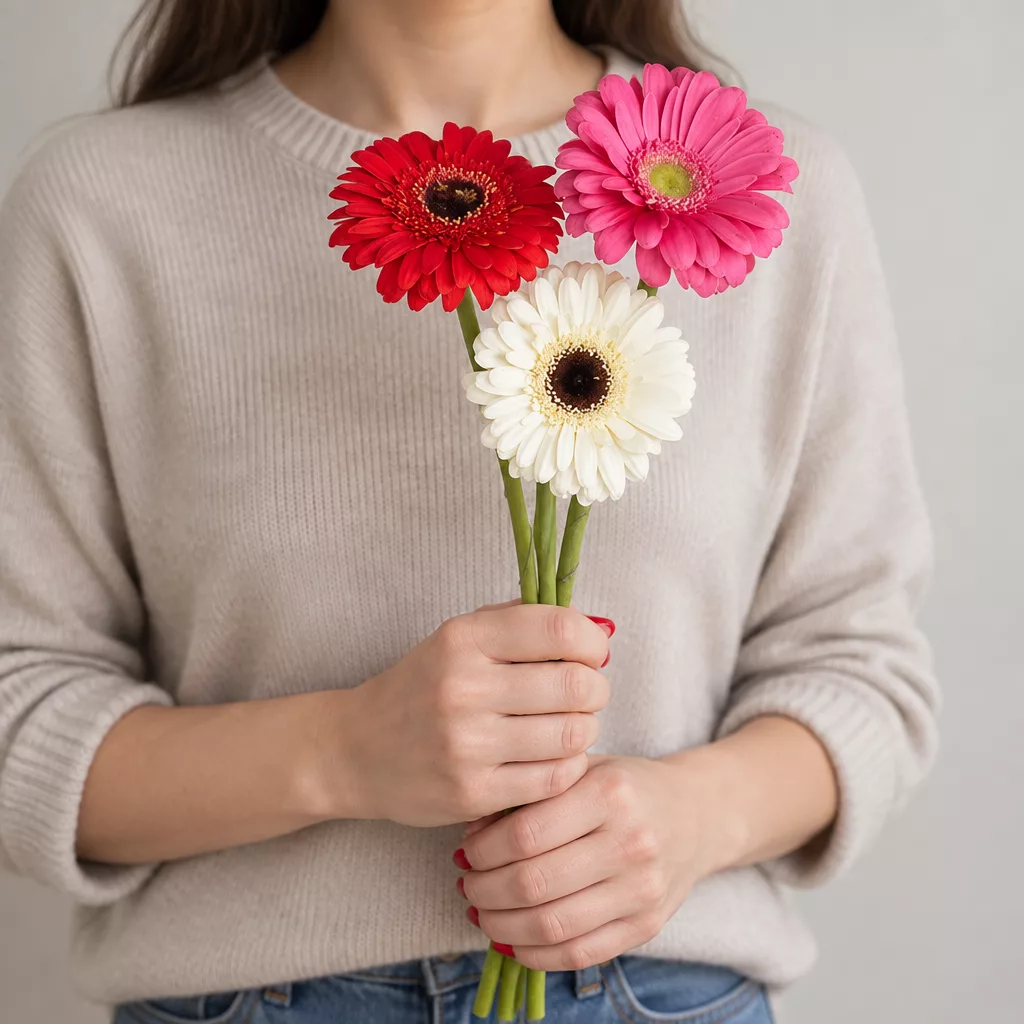

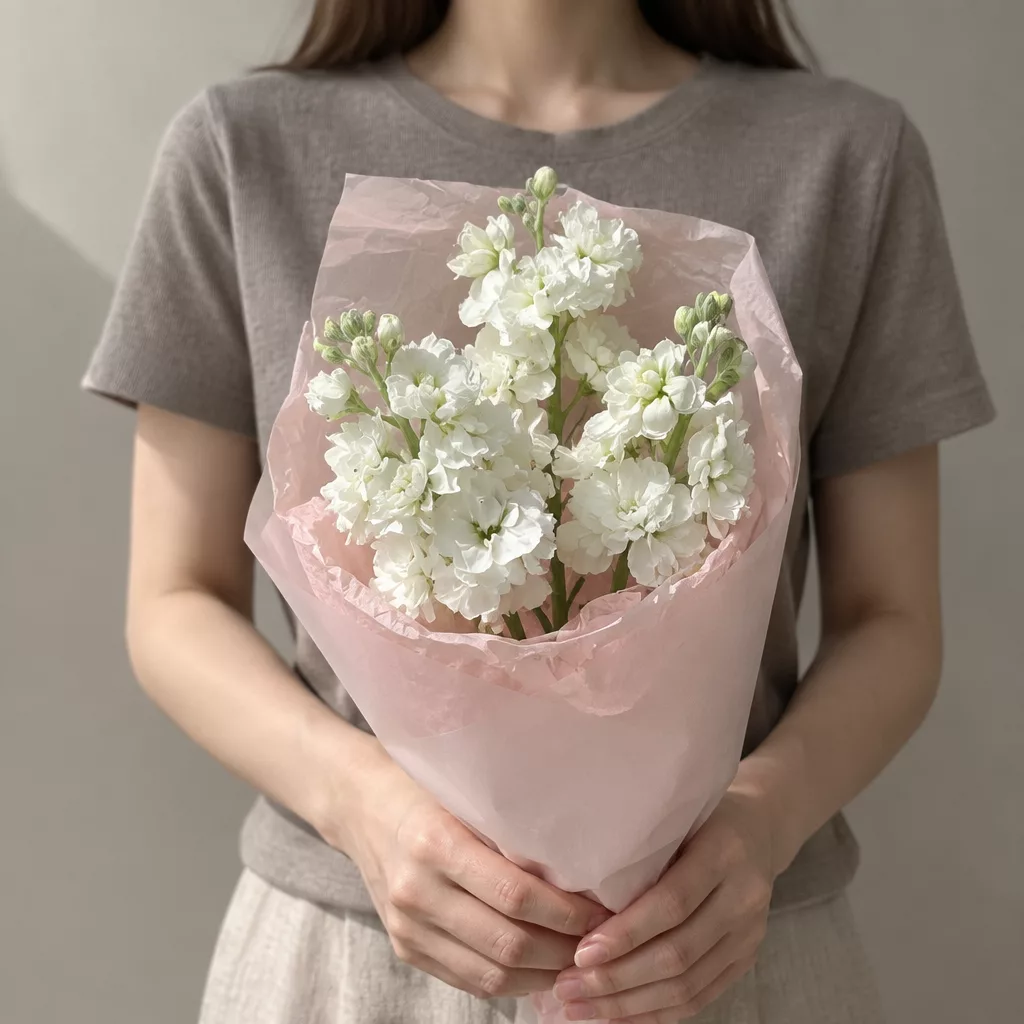
The Most Fragrant Varieties and Their Natural Lifespan
Not all flowers are equal when it comes to scent, and choosing a fragrant variety from the start is the single most reliable way to enjoy lasting perfume. Among roses, the David Austin garden varieties — varieties like Juliet, Miranda and Keira — carry the richest fragrance because they were bred with scent as a priority rather than shelf life. Standard commercial roses, which dominate most wholesale markets, are bred for uniformity and vase life, and many have very little natural scent at all. If fragrance matters to you, this is the most important distinction to make when ordering.
Peonies are intensely fragrant for roughly three to five days after opening, after which the scent drops sharply even though the bloom itself may last another week. Freesias are among the most reliably scented cut flowers and hold their fragrance well because the buds open gradually — as each new bud along the stem unfolds, it releases a fresh wave of scent. Hyacinths are powerful but brief, typically giving their strongest fragrance on days one and two. Gardenias and tuberose are exceptional in intensity but are delicate and bruise easily, shortening their effective scented life if handled roughly. Lilac, when available in late spring, is extraordinary but fades within two days of cutting. Knowing the natural timeline of your chosen flowers lets you plan around them rather than being surprised when the scent shifts.
Why the First Twenty-Four Hours Are the Most Critical
The period immediately after a bouquet arrives in your home is when you have the most influence over how long the fragrance will last. Flowers that have been transported — even within a city, even quickly — arrive slightly stressed. The stems have been out of water during delivery, the cells near the cut end have begun to seal over with a natural callus that blocks water uptake, and the flowers may have warmed slightly during transit. All of this happens within minutes, not hours, which is why what you do in the first twenty minutes after unwrapping genuinely changes the outcome.
The most important step is recutting the stems immediately, cutting at a forty-five-degree angle with a sharp knife rather than scissors. Scissors compress the stem tissue and reduce the surface area available for water absorption. Cut at least two centimetres from the base, and do this while holding the stem under water or immediately before placing it into a vase — exposure to air for even thirty seconds allows the cut to begin sealing again. Place the bouquet in clean, room-temperature water rather than cold water, because cold water moves more slowly through the vascular tissue of the stem. After two hours, move the arrangement somewhere cool — between sixteen and eighteen degrees Celsius is ideal — and away from direct light. This initial window is where most people lose the fragrance battle without realising it, simply by unwrapping the bouquet, admiring it, and setting it down without recutting the stems.
Water Quality and Vase Hygiene Matter More Than You Think
A cloudy vase is not just unpleasant to look at — it is actively shortening the life and scent of your flowers. Bacteria multiply rapidly in standing water, particularly when organic matter from leaves and lower stems is present. These bacteria block the vascular channels inside the stem, preventing water and nutrients from reaching the petals. When the petals are mildly dehydrated, the cells that produce aromatic compounds become less active, and the scent fades faster than it would in a well-hydrated flower. This is a direct mechanical relationship, not a vague general principle.
Change the water every two days, and each time you do, rinse the vase with a small amount of white vinegar or a drop of bleach diluted heavily in water before refilling — this removes the bacterial film that builds up on glass and ceramic surfaces. Remove any leaves that fall below the waterline immediately, because submerged foliage rots within twenty-four hours and dramatically increases bacterial load. A small amount of sugar dissolved in the water can provide the stems with a simple nutrient source that supports continued fragrance production, but only use a very small quantity — a quarter teaspoon per litre — because too much sugar accelerates bacterial growth and creates the opposite effect. Flower food sachets, when included with a bouquet, are formulated to balance this correctly, so use them if you have them. If you do not, clean water changed frequently is far more effective than any improvised additive used inconsistently.
Temperature, Light and Airflow — the Three Hidden Enemies
Most people think of sunlight as good for flowers because plants grow toward light. Cut flowers are different. Direct sunlight raises the temperature of the petals, accelerating the evaporation of aromatic compounds and causing the cells to dehydrate faster. A bouquet on a bright windowsill in direct afternoon sun may look vivid for a day but will lose most of its fragrance within twelve hours. Indirect natural light is fine and even pleasant — what you want to avoid is the heat that comes with direct sun, not the light itself.
Central heating is the other major factor in Russian homes, particularly from October through April when radiators run consistently. Indoor temperatures in heated apartments often reach twenty-two to twenty-five degrees Celsius, which is warm enough to accelerate fragrance loss significantly. If you can place your bouquet in a cooler room overnight — a hallway, a kitchen away from the stove, or near a window that stays cooler — you will notice a real difference in how the scent holds through the following day. Many experienced flower lovers in Russia keep their bouquets in the coolest room of the apartment during the night and bring them into the main living space during the day, treating them almost like a perishable food item.
Airflow is the third factor. A bouquet placed directly in front of a ventilation outlet or a fan will lose volatile aromatic molecules faster than one in still air. This does not mean you need a sealed room — normal household air circulation is fine — but a direct draft shortens the effective fragrance life noticeably.
Combinations That Amplify Scent and Last Together
Fragrance in a bouquet is not simply additive — the right combinations create a layered effect where different scent profiles complement each other and the arrangement as a whole smells more interesting than any single variety alone. Freesias and garden roses work particularly well together because freesias carry a clean, citrus-edged top note while garden roses provide a deeper, warmer base. The freesias open progressively over several days, which means fresh waves of scent arrive as the rose fragrance begins to mellow, effectively extending the overall aromatic life of the arrangement.
Peonies paired with sweet William create a similar layered effect — the peony's full, powdery richness is balanced by the lighter, clove-like scent of sweet William, which holds its fragrance slightly longer. Lilac, when in season, pairs beautifully with white or cream ranunculus, which have a mild honey scent that supports rather than competes with the lilac's intensity. Avoid combining very strong single-note flowers like tuberose and hyacinth in the same vase — they compete rather than complement, and the result is often overwhelming rather than pleasant.
Presentation also affects how you experience scent. A tightly wrapped bouquet releases fragrance more slowly because the petals are compressed. Once you open the arrangement and give the blooms space to breathe in the vase, the scent becomes more present. Arranging flowers loosely rather than packing them into a narrow-necked vase makes a genuine difference — the aromatic molecules disperse into the room more freely when the flowers have room around them.
Practical Steps to Revive Fragrance in an Aging Bouquet
Even with careful care, fragrance will fade as flowers age — this is simply the biology of a cut flower working through its stored resources. But there are a few steps that can genuinely revive or extend scent in a bouquet that has been in the vase for three or four days. The first is recutting the stems again, removing another two centimetres from the base with a clean sharp knife. This reopens the vascular tissue and allows a fresh surge of water uptake, which rehydrates the petals slightly and can briefly reinvigorate the cells that produce aromatic compounds.
A cool overnight soak can also help. Fill a clean bucket or large container with cool water — around twelve to fourteen degrees Celsius — and submerge the entire bouquet, stems and blooms, for six to eight hours overnight. This technique, used by florists to revive flowers before displays, rehydrates the petals from the outside as well as through the stem. After the soak, recut the stems again before returning the flowers to the vase with fresh water. You will not restore the fragrance to day-one intensity, but you can often recover a noticeable amount of scent that seemed to have disappeared.
Removing spent or browning blooms from a mixed arrangement is important not just for appearance but for fragrance. Aging flowers release ethylene gas, which accelerates the deterioration of the remaining blooms in the vase. Removing them promptly protects the fresher flowers and gives their scent more room to express itself without competition from the chemical signals of decay.
Fragrance is the part of a bouquet that people remember longest, and it is also the part that requires the most deliberate care. The flowers themselves are doing their best with what they have — your role is simply to slow the inevitable by keeping the water clean, the air cool, the stems freshly cut and the vase away from heat and direct sun. A bouquet that is treated well from the first twenty minutes after arrival will smell noticeably better on day four than one that was simply unwrapped and placed on a warm shelf. That difference is worth the small effort, and it makes the whole experience of receiving or giving flowers feel more generous and lasting. We deliver bouquets across Russia in 1–2 hours.
Frequently asked questions
Which flowers hold their scent the longest in a vase?
Freesias are among the most reliable — their buds open gradually over several days, releasing fresh fragrance with each new bloom. Garden roses with heritage breeding also hold scent well when kept cool. Avoid standard commercial roses if fragrance is your priority, as most are bred for appearance and shelf life rather than perfume.
Does putting flowers in the fridge overnight really help preserve scent?
A household fridge is often too cold and too dry for most cut flowers, and the ethylene gas from fruit stored nearby accelerates wilting. A cool room between twelve and sixteen degrees Celsius is more effective. If you do use a fridge, keep it brief — no more than a few hours — and store flowers away from any fruit.
Why does my bouquet smell less in the afternoon than in the morning?
Room temperature rises through the day, accelerating the evaporation of aromatic compounds from the petals. Morning air is cooler and the flowers are rested from the overnight chill, which is why fragrance peaks then. Keeping the bouquet in a cooler spot and away from afternoon sun will reduce this daily drop in scent intensity.
Can I add anything to the water to make flowers smell stronger?
Flower food sachets included with the bouquet help by providing nutrients that support continued fragrance production. A very small amount of sugar — no more than a quarter teaspoon per litre — can help, but too much feeds bacteria and shortens vase life. Clean, frequently changed water without additives outperforms most improvised solutions.
Why do florist-bought flowers sometimes smell less than garden flowers?
Commercial cut flowers are often bred for uniformity, long transport life and consistent appearance rather than scent. Garden varieties, particularly older rose cultivars and heritage peonies, retain fragrance as a priority. When ordering, specifically requesting fragrant varieties — or asking which stems have the strongest scent that day — makes a significant difference to what arrives.
Ready to send flowers?
Pick the city, choose the bouquet, and a local florist takes it from there.
Choose a city →