Why Russian Bouquets Always Have an Odd Number of Stems
You order a bouquet for a friend's birthday, you pick twelve gorgeous roses because twelve feels generous and symmetrical, and then a well-meaning Russian colleague quietly pulls you aside. That moment of confusion is exactly why this article exists. The odd-number rule in Russia is not a superstition you can politely ignore — it is a deeply woven social code, and getting it wrong sends a message you almost certainly do not intend to send.
Where the Rule Comes From and Why It Still Matters Today
The association between even numbers of flowers and mourning in Russia stretches back centuries and runs across Slavic cultures more broadly. Even-numbered bouquets are placed at graves and brought to funeral services — that is the context in which most Russians learn the rule as children. By the time they are adults, the reaction to an even-numbered celebratory bouquet is immediate and visceral, even if the recipient is too polite to say anything out loud.
The rule is not written in any law or official etiquette manual, yet it is observed more consistently than many formal customs. You will see it respected at birthday parties in Vladivostok, at anniversary dinners in Moscow, and at graduation ceremonies in Kazan. Regional differences in Russia are enormous when it comes to food, dialect, and dress, but on this particular point the country is remarkably unified.
For someone sending flowers from outside Russia — whether you are an expat, a foreign business partner, or simply ordering a surprise delivery for a Russian friend — understanding the rule protects you from an awkward misunderstanding. The good news is that following it costs nothing and requires only a moment of attention when you place your order. One stem added or removed makes all the difference, and a professional florist will always count before the bouquet leaves the workroom.
Bouquets we can deliver

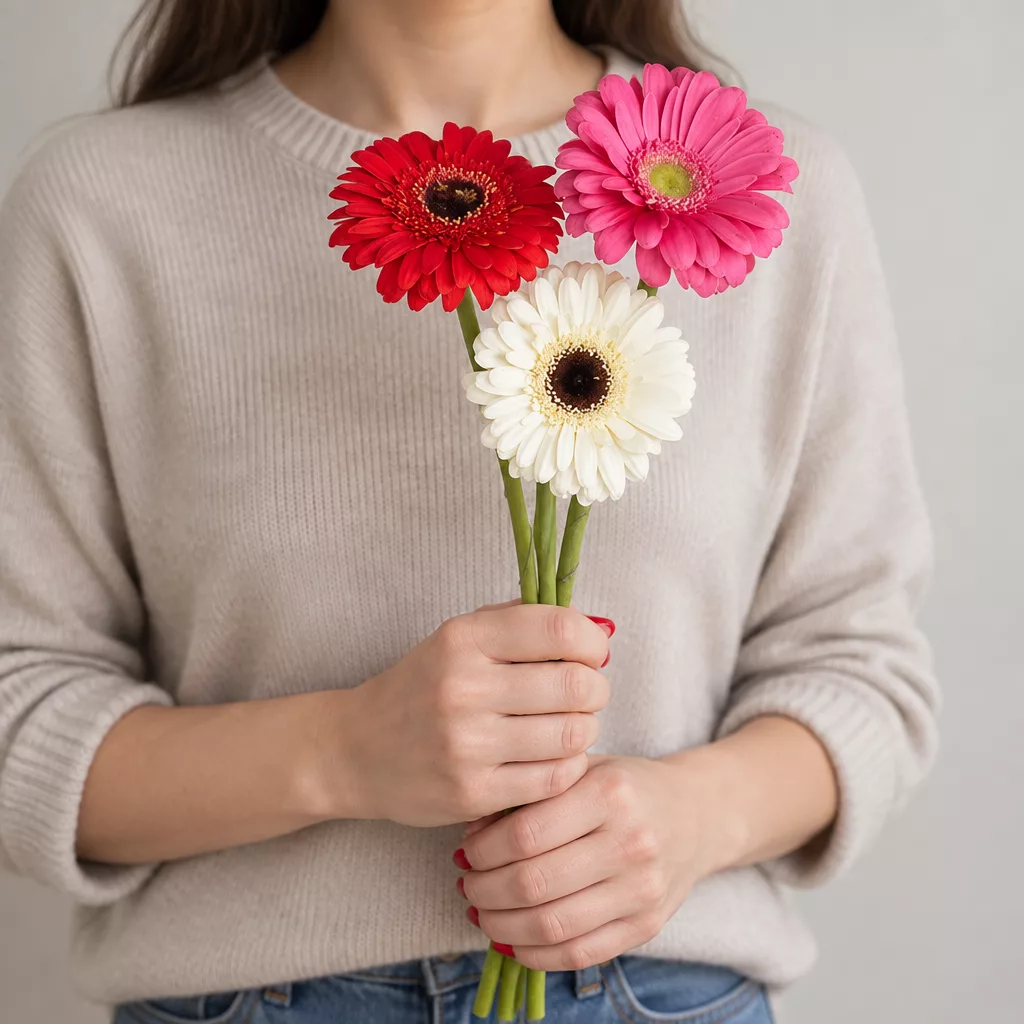
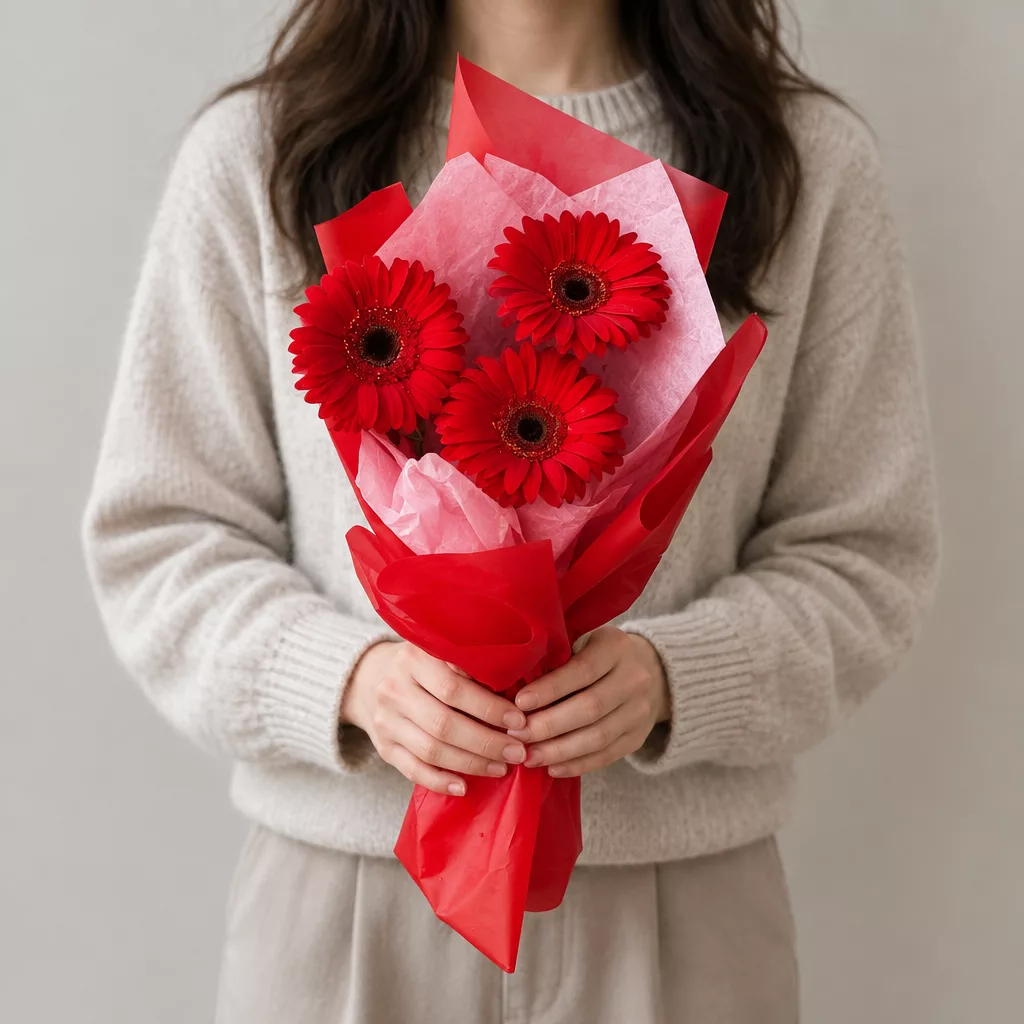
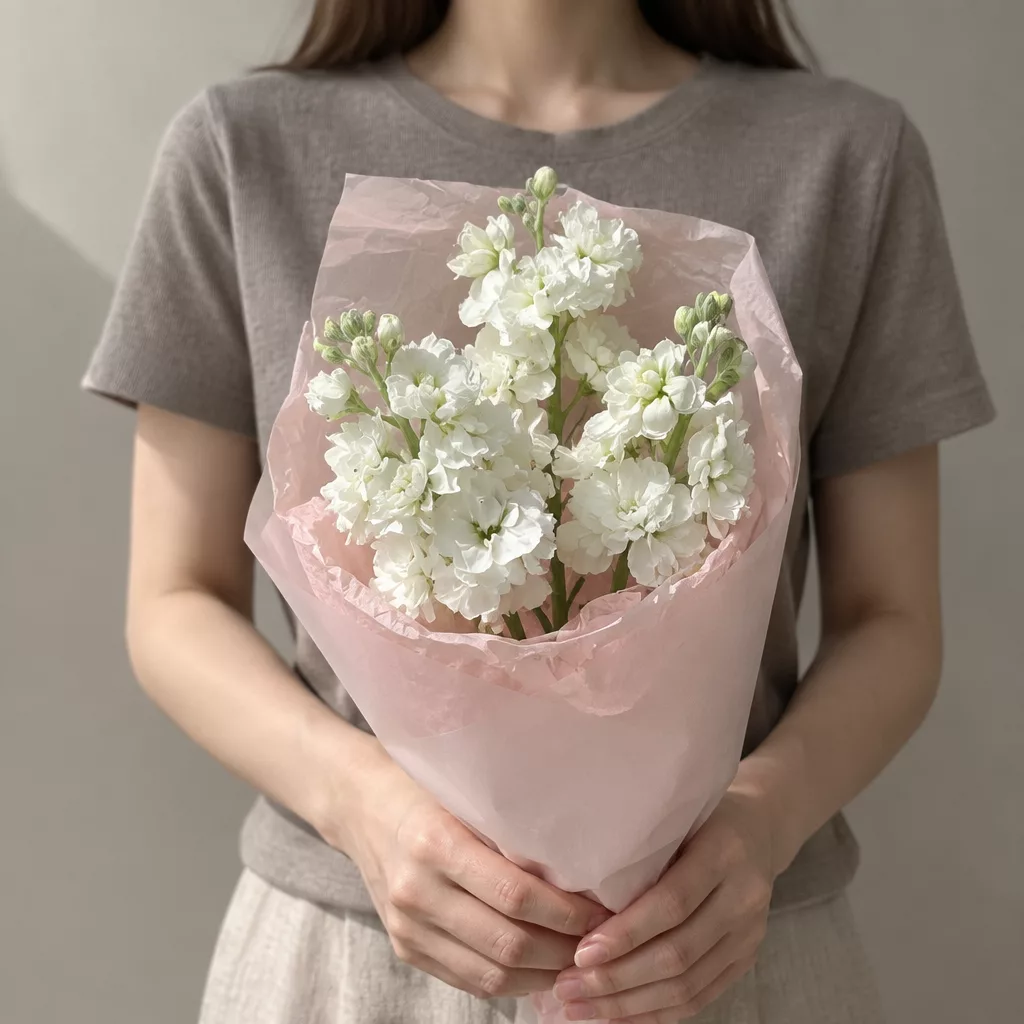
What Counts as Odd and How Florists Actually Count
The rule applies to the total number of individual stems in the bouquet, not to the number of varieties or the visual weight of the arrangement. A mixed bouquet of three peonies, five spray roses, and four eucalyptus branches contains twelve stems in total — that is even, and it needs one adjustment before it goes out the door. Adding a single stem of waxflower or removing one eucalyptus branch brings it to eleven or thirteen, both perfectly appropriate for a celebration.
Foliage and filler stems count in some florists' traditions and are excluded in others. At Turboflora, we count every stem that has been deliberately cut and placed in the bouquet, including decorative greenery such as ruscus, pittosporum, and bear grass. This is the strictest and safest interpretation, and it means the recipient can be confident that nothing has been overlooked.
Spray roses and lisianthus present a small practical challenge because each stem carries multiple blooms. The counting convention here is by stem, not by bloom head — so one spray rose stem with seven open flowers counts as one. This distinction matters when you are looking at a finished bouquet and trying to verify the count yourself. If you are ever uncertain, ask the florist to confirm the stem count explicitly before the order is sealed and dispatched. A quick message or phone call takes thirty seconds and removes any doubt entirely.
Choosing the Right Flowers for the Occasion Before You Think About Numbers
Numbers matter, but they matter second. The first question is always who the bouquet is for and what you want them to feel when they open the door. A close friend celebrating a new job calls for something energetic and warm — think orange and coral ranunculus in spring, or sunflowers paired with burgundy alstroemeria in summer. A grandmother's birthday deserves something softer: blush garden roses, white freesia, and a few stems of sweet William give exactly the kind of gentle abundance that reads as deeply respectful.
For romantic occasions, red roses remain the clearest signal in Russian culture, but the arrangement matters as much as the variety. A tight, round bouquet of nineteen red roses feels formal and serious. The same roses loosened with eucalyptus and a few stems of white gypsophila feel warmer and more personal. The number stays odd — nineteen is perfectly correct — but the presentation shifts the emotional register entirely.
Professional milestones and thank-you gifts often work best in white and cream tones: white chrysanthemums, cream lisianthus, and pale green hellebores in cooler months create an arrangement that feels considered rather than showy. Whatever the occasion, settle on the recipient and the mood first, then choose varieties, then confirm the stem count. That sequence produces a bouquet that feels intentional from every angle, and intentional is exactly what a well-chosen gift should feel.
Bouquet Options Across Different Budgets While Keeping the Odd Count
A modest but beautiful bouquet can absolutely respect the odd-number rule. Seven stems of seasonal tulips in a single saturated colour — deep purple, bright coral, or clean white — make an arrangement that looks deliberate and generous without requiring an elaborate mix of varieties. Tulips are forgiving of simple presentations, and an odd number of them in a kraft paper wrap is one of the most reliably well-received gifts in the Russian florist's repertoire.
Moving into a mid-range arrangement, combinations of nine or eleven stems allow you to introduce two or three varieties without the bouquet feeling crowded. Nine stems divided between garden roses and lisianthus, with a few sprigs of eucalyptus woven through, gives the recipient something to look at from every angle. The asymmetry that naturally results from an odd count actually helps the composition — it prevents the eye from splitting the bouquet down the middle and makes the whole thing feel more like a gathered handful than a manufactured product.
For a genuinely impressive gift, fifteen, seventeen, or nineteen stems open up real compositional possibilities. A bouquet of seventeen stems might include five peonies, seven spray roses, and five stems of veronica, with foliage threaded throughout. At this scale, the odd number is almost invisible to the eye — what the recipient notices is the generosity and the colour. The rule has been respected quietly in the background, which is exactly how good etiquette works: it protects the moment without drawing attention to itself.
How Temperature and Timing Affect What You Should Order
Russia's climate creates real constraints on which flowers travel well and which do not. In Saint Petersburg's winters, temperatures outside can drop to minus fifteen Celsius or lower, and a bouquet sitting in an unheated vehicle for even twenty minutes can suffer visible damage. Roses and tulips are relatively resilient if the stems are properly wrapped and the delivery is swift. Tropical varieties like anthurium or bird of paradise are far more vulnerable to cold shock and are best ordered for indoor delivery during the warmer months.
Summer in Saint Petersburg brings its own challenge: heat above twenty-five Celsius accelerates the opening of peonies and ranunculus dramatically. A peony bouquet ordered in July may arrive with blooms that are already fully open, which looks spectacular but means the vase life is shorter than it would be in April or May. If you want peonies to last five or six days rather than two or three, ask for buds that are still firm to the touch — a professional florist will understand exactly what you mean.
Timing the delivery also affects stem selection. A bouquet intended to arrive at ten in the morning for a birthday breakfast should be cut and assembled no more than two hours before departure. Flowers that sit in a cold room for six hours before delivery are technically fresh but have already spent a portion of their vase life waiting. Turboflora's one-to-two-hour delivery window across Saint Petersburg is designed precisely to close that gap, so the stems arrive at their best rather than at their most patient.
Verifying Your Order Respects the Odd-Number Custom
When you place an order online or by phone, the simplest verification step is to ask for the stem count in writing. A confirmation message that says 'your bouquet contains fifteen stems' gives you something concrete to check against. If the number is even, you catch it before the bouquet is assembled, when a single adjustment is trivial. If you only discover the error after delivery, the moment has already passed.
Most reputable florists build the odd-number check into their workflow automatically, but it is still worth confirming when the occasion is important. For a significant birthday, an anniversary, or a professional thank-you, a thirty-second verification call is a reasonable investment. Ask specifically: how many stems are in this arrangement, including foliage? The answer should be an odd number without hesitation.
If you are ordering a bouquet described by name rather than by stem count — a 'classic rose bouquet' or a 'seasonal mix' — ask what the standard composition includes. Some named arrangements are built around even numbers for visual symmetry, and a florist who knows the custom will adjust without being asked. At Turboflora, every order is checked against the odd-number rule before it leaves our workroom, because we understand that the rule is not a preference — it is a baseline expectation for anyone sending flowers in Russia. Knowing that the check happens automatically lets you focus on the more enjoyable part of the process: choosing the colours and varieties that will make the recipient smile.
Caring for the Bouquet After It Arrives to Honour the Gift
The odd-number rule gets the bouquet to the door correctly. What happens next determines how long it stays beautiful. The first step is always a fresh diagonal cut across the stems — about two centimetres from the bottom — made with a sharp knife rather than scissors. Scissors compress the stem tissue and reduce water uptake; a clean knife cut keeps the channel open. This step matters most in the first hour after the bouquet arrives, when the stems are adjusting from transport conditions to room temperature.
Water temperature is a point of genuine disagreement among florists, but the practical consensus for most cut flowers sold in Russia — roses, chrysanthemums, alstroemeria, tulips — is cool to lukewarm water, never icy cold. Icy water slows uptake in cold-shocked stems; very warm water promotes bacterial growth. A vase filled with water at around fifteen to eighteen Celsius and changed every two days gives most bouquets the best chance of reaching their full vase life.
Keep the bouquet away from direct sunlight, heating radiators, and ripening fruit. Ethylene gas released by apples, pears, and bananas accelerates petal drop in roses and causes tulips to age faster than they otherwise would. A spot on a cool windowsill away from the kitchen is often ideal. Remove any stem that begins to wilt before it affects the water quality for the rest of the bouquet. With these steps, a well-assembled bouquet of roses or mixed flowers should remain genuinely beautiful for seven to ten days — long enough for the occasion to be remembered every time the recipient walks past the vase.
The odd-number rule is one of those customs that feels arbitrary until you understand its context, and then it feels completely obvious. It costs nothing to follow, it protects the recipient from an uncomfortable moment, and it signals to anyone who sees the bouquet that the sender paid attention. Whether you are ordering for a birthday, a professional occasion, or simply to say thank you, confirming the stem count is the final small act of care in what is already a generous gesture. Get the number right, choose varieties that suit the person and the season, and the bouquet will do exactly what a good gift should: make someone feel genuinely seen.
Frequently asked questions
Does the odd-number rule apply to all types of flowers or just roses?
The rule applies to every type of cut flower and to every stem in the bouquet, regardless of variety. Whether you are sending tulips, peonies, sunflowers, or a mixed seasonal arrangement, the total stem count should be odd. The variety does not change the expectation — the count is what matters, and it applies universally across celebratory gifts in Russia.
Is one stem ever acceptable as a celebratory gift in Russia?
Yes, one stem is odd and is therefore technically correct by the rule. A single long-stemmed rose is a recognised romantic gesture in Russian culture and carries no negative association. That said, context matters — one stem reads as an intimate, personal gift rather than a celebratory abundance, so it suits some occasions better than others.
What if the florist adds a decorative element that is not a flower — does that count?
Decorative elements like ribbon, a gift card holder, or a wrapped candy are not counted as stems. The rule applies specifically to cut plant material placed in the bouquet — flowers, foliage, and filler greenery. Non-botanical additions do not affect the count, so a bow or a small card does not make an odd-numbered bouquet even.
Can I request a specific stem count when ordering, or do florists decide the number?
You can absolutely request a specific stem count, and a professional florist will accommodate this without difficulty. If you want fifteen roses or eleven stems of mixed flowers, simply state the number when ordering. Florists work with specific quantities every day, and a clear request ensures the finished bouquet matches your expectation precisely before it is assembled and dispatched.
Does this custom apply across all of Russia or only in certain cities?
The odd-number custom is observed consistently across Russia, from Saint Petersburg and Moscow to cities in Siberia and the Far East. While regional flower preferences vary — certain varieties are more popular in some areas than others — the odd-number rule for celebratory gifts is one of the most uniform social customs in the country and is understood by virtually every adult recipient.
Ready to send flowers?
Pick the city, choose the bouquet, and a local florist takes it from there.
Choose a city →