Will Flowers Die If You Leave Them in the Car?
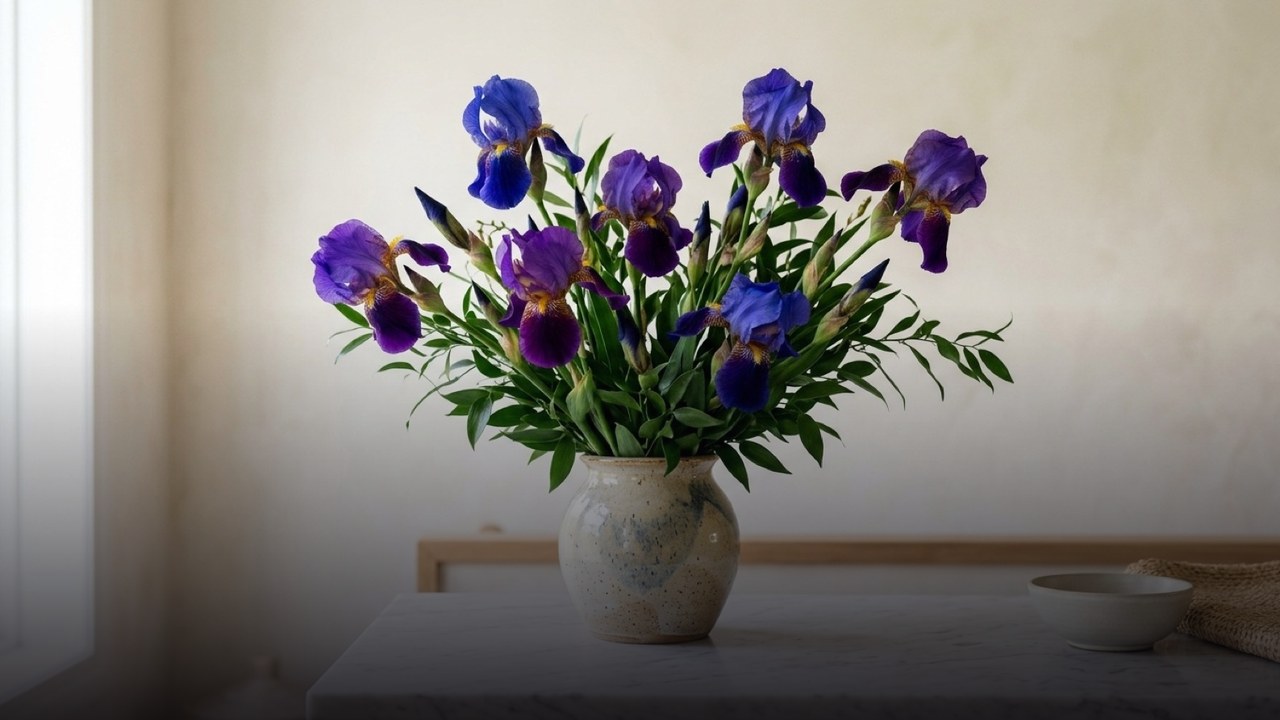
Yes, cut flowers can die if you leave them in the car, particularly when the car becomes hot or cold enough to damage them. A short journey with a comfortable cabin temperature is less risky, but there is no universal safe parking time: sunlight, weather, water supply and the flowers themselves all matter.
If you have a bouquet in the car now, take it indoors before continuing your errands. Put cut stems in a clean vase with water, keep the flowers away from direct sun, and check their condition before deciding whether they are simply thirsty or visibly damaged. The useful question is less how many minutes they can survive and more what conditions they are experiencing.
Why a parked car can damage a fresh bouquet
Cut flowers continue losing moisture through their leaves and petals. They depend on water moving up their stems to replace that loss. In a warm car, moisture loss can outpace uptake, especially when the stems are dry. Soft petals may become limp, while leaves and flower heads begin to droop. A bouquet can therefore look tired well before every stem is beyond recovery.
Direct sunlight creates another problem: flowers beside a window may become hot even when the outside air feels pleasant. A shaded parking space is an improvement, but the shade can move while you are away. Cracking a window does not give you reliable control over the conditions inside, so neither measure makes a parked car dependable flower storage.
Cold weather brings a different risk. Freezing conditions can injure flower tissue, and protective paper cannot keep a bouquet warm indefinitely. Once you bring cold flowers indoors, damaged areas may turn translucent, darken or collapse. Avoid judging their condition while they are still wrapped; inspect them gently after bringing them into a temperate room.
How long can you leave flowers in the car?
There is no responsible single answer such as thirty minutes or two hours. The same bouquet may cope with a direct trip in a comfortable passenger cabin and deteriorate during a shorter stop in strong sun. Species, freshness, hydration, packaging and the condition of the stems all affect the outcome. Treat any quoted parking limit as a rough assumption, never a guarantee.
Water helps, but it does not cancel temperature stress. A water pouch or transport container can keep the cut ends supplied during the journey, provided the stems remain in contact with the water. It cannot prevent petals from overheating or freezing. Likewise, decorative wrapping protects against some handling damage but does not create a controlled environment around the flowers.
An overnight stay adds uncertainty because conditions can change while you are asleep. A car that feels cool in the evening may become cold overnight or warm quickly after sunrise. Bring the bouquet inside and give it water instead. If that is the situation you are weighing up, see our guide to leaving flowers in the car overnight.
Bouquets we can deliver




How to transport flowers with less risk
Collect flowers towards the end of your errands and travel directly to the destination. Before putting them in the car, bring the passenger cabin to a comfortable temperature. Place the bouquet away from sunny windows and direct heater or air-conditioning vents. Strong airflow can dry exposed petals, while a hot vent can create a damaging spot beside an otherwise comfortable seat.
Support the bouquet so it cannot slide, roll or be crushed during braking. If the stems are in a container of water, keep it upright and secure it against tipping. Make sure a transport water pouch is intact before setting off. Avoid pressing flower heads against the glass, wedging them under luggage or laying heavy items across the wrapping.
For an ordinary car journey, a temperature-controlled passenger cabin is generally a more practical choice than an unconditioned boot. If you need to stop, take the bouquet into a suitable indoor space with you where possible. Do not rely on leaving the engine running as your flower-care plan; arranging the journey so the flowers come with you is simpler.
What to do when flowers come out looking wilted
Start with clean equipment. Wash a suitable vase, fill it with fresh water and use any supplied flower food according to its instructions. Remove leaves that would sit below the waterline, then trim the stem ends with a clean, sharp tool. Put the flowers into water promptly rather than leaving freshly cut ends exposed while you arrange the rest of the bouquet.
Let the bouquet rest in a cool room away from direct sun, heaters and draughts. Give the stems space instead of packing them tightly into a narrow vase. Do not put the entire bouquet into a refrigerator containing food: crowding, unsuitable cold and ripening produce can create further problems. Keep petals out of standing water unless you have specific care instructions for those flowers.
Watch for a change in firmness over the next few hours. Flowers affected mainly by water shortage may recover some posture as they take up water. Heat or frost injury is different: papery patches, collapsed tissue and damaged petals may remain. Avoid repeated trimming or handling in an effort to force recovery; remove clearly spoiled material and keep the vase water clean.
How to judge whether the bouquet is still suitable to give
Look at the whole arrangement in normal indoor light. Slightly drooping leaves do not necessarily mean the bouquet is lost, especially if the stems are taking up water and becoming firmer. More concerning signs include extensive browning, limp translucent petals, a sour smell or several collapsed heads. Appearance alone cannot tell you exactly how much vase life remains.
Separate physical damage from dehydration. A bent stem or crushed flower head may not recover even when the rest of the bouquet improves. Remove individual damaged stems if the remaining arrangement still looks balanced. Avoid pulling away large numbers of petals to disguise widespread damage; that can leave flowers fragile and does not restore injured tissue.
If the bouquet was intended as a gift, give it time in water before wrapping it again. Choose fresh, dry wrapping and keep the next journey short. For a visit, you can simply say the flowers would appreciate water soon. If the occasion is time-sensitive and the bouquet remains badly damaged, arranging another delivery is more dependable than promising the recipient that it will revive.
Sending flowers in Russia without an extra car journey
If you are abroad and sending flowers to someone in Russia, delivery can remove the need for a friend or relative to collect the bouquet and leave it in their car. We deliver flowers across Russia; city delivery costs 500 RUB. For remote districts and suburbs, the operator confirms the price when confirming your order. Start with the bouquets catalogue and choose a bouquet for the recipient.
In large cities, express delivery is available within 1–2 hours after order confirmation. You can also arrange an exact time with a tolerance of plus or minus 30 minutes, choose a window of 09–12, 12–15, 15–18 or 18–21, or pre-order 1–30 days ahead. Use WhatsApp to get help choosing a bouquet, agree the address and timing, request a photo before delivery, and provide your card text.
The courier calls the recipient about 15 minutes before arrival. Delivery is anonymous by default, so include your name in the free card if you want them to know who sent it. If they are absent, we agree a second delivery that day or a handover to a neighbour or concierge with your consent. Checkout uses CloudPayments; check the displayed payment options, as acceptance of every foreign card is not guaranteed. We deliver bouquets across Russia in 1–2 hours.
Frequently asked questions
Will flowers die if I leave them in the car for an hour?
They might suffer damage, but an hour alone does not tell you the risk. Direct sun, cabin temperature and whether the stems have water matter, so take them indoors instead of relying on a fixed time limit.
Can I leave flowers in the car if they are in water?
Water helps the stems replace lost moisture, but it does not protect flowers from damaging heat or cold. Keep the container upright during transport and bring the bouquet indoors when you arrive.
Is the boot a good place to keep a bouquet?
An unconditioned boot gives you little control over temperature and makes it harder to notice a tipped container or crushed stems. Use a secure position in the comfortable passenger cabin, away from sunlight and direct vents.
Will wilted flowers recover after a hot car journey?
Some flowers may become firmer after their stems are trimmed and placed in fresh water. Petals and leaves with lasting heat damage will not necessarily recover, even if the stems start taking up water.
How can I arrange flowers for someone in Russia while I am abroad?
Choose a bouquet online and contact our manager on WhatsApp to agree the delivery details and free card text. Payment uses CloudPayments at checkout; review the options shown there before relying on a particular foreign card.
Ready to send flowers?
Pick the city, choose the bouquet, and a local florist takes it from there.
Choose a city →