Why Alstroemeria Stays Fresh and Popular in Russian Flower Shops
If you have ever walked into a flower shop in Saint Petersburg in the middle of February and found a bucket of vivid, freckled blooms sitting confidently beside roses that cost three times as much, you were almost certainly looking at alstroemeria. It is the flower that experienced buyers reach for when they want colour, volume, and staying power without stretching the budget — and the flower that florists quietly recommend when they know the bouquet needs to survive a long train journey to Novosibirsk or a warm Moscow apartment. This article explains exactly why alstroemeria earns that trust, how to choose the right colours for your occasion, and how to keep the stems looking fresh for as long as possible.
Why Alstroemeria Became a Staple in Russian Flower Shops
Russia has a deeply rooted culture of giving flowers. Birthdays, school graduations, International Women's Day on the 8th of March, anniversaries, first dates — flowers mark almost every significant moment, and the expectation is often a generous, full-looking arrangement rather than a single stem. That cultural habit creates a real demand for flowers that deliver visual impact without requiring a large spend, and alstroemeria fills that role better than almost anything else on the wholesale market.
The plant originates from South America, mainly Peru and Chile, which is why it is sometimes called the Peruvian lily even though it belongs to its own botanical family. Modern cultivation happens year-round in the Netherlands and Colombia, with supplementary supply from domestic Russian greenhouses, particularly in the Krasnodar region. This broad sourcing means that a shop in Saint Petersburg can receive fresh alstroemeria every week regardless of the season, something that cannot be said for many field-grown flowers.
From a florist's perspective, alstroemeria is also simply reliable. A well-conditioned stem arrives with several buds at different stages of opening, which means the bouquet continues to develop and look fresh over many days. For a recipient who lives alone and changes water carefully, a bunch can look genuinely beautiful for two full weeks. That longevity matters enormously in a country where a bouquet might travel hundreds of kilometres before it reaches the person it was ordered for.
Bouquets we can deliver


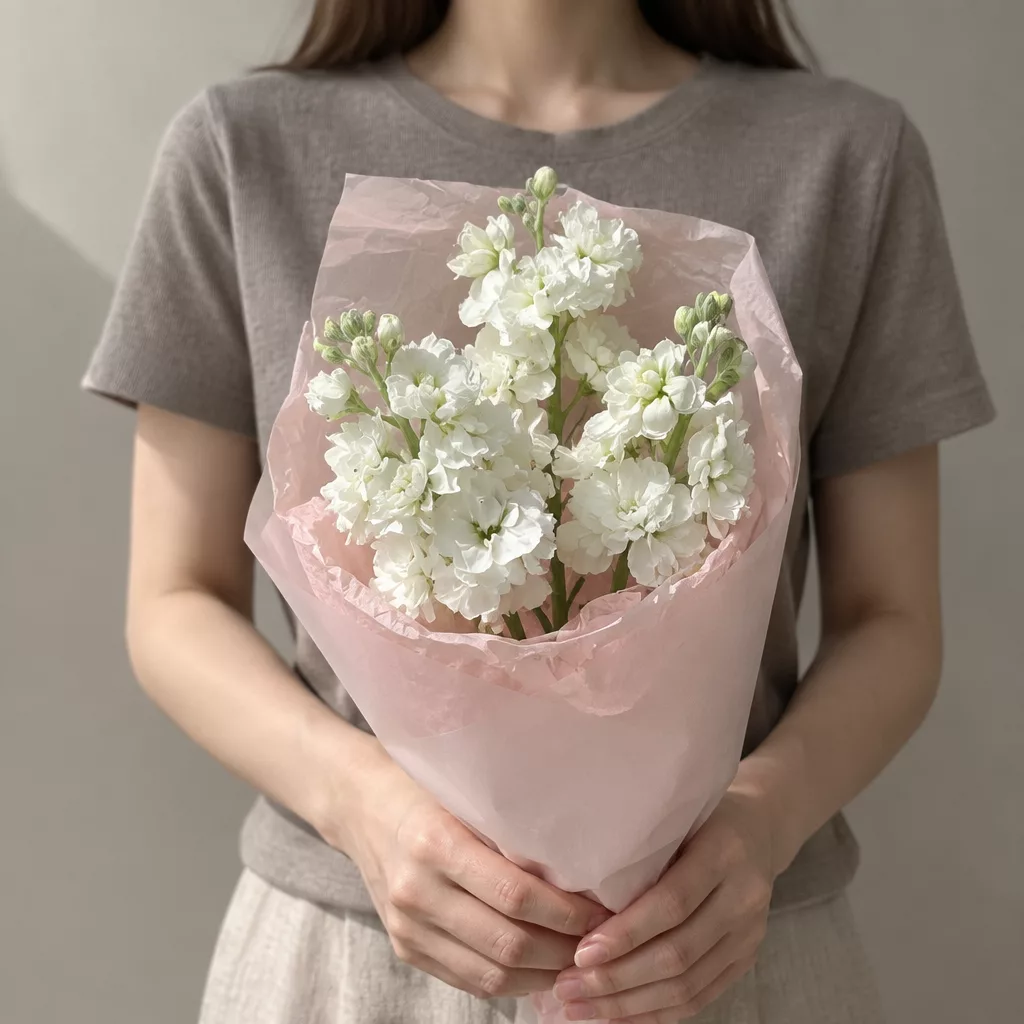
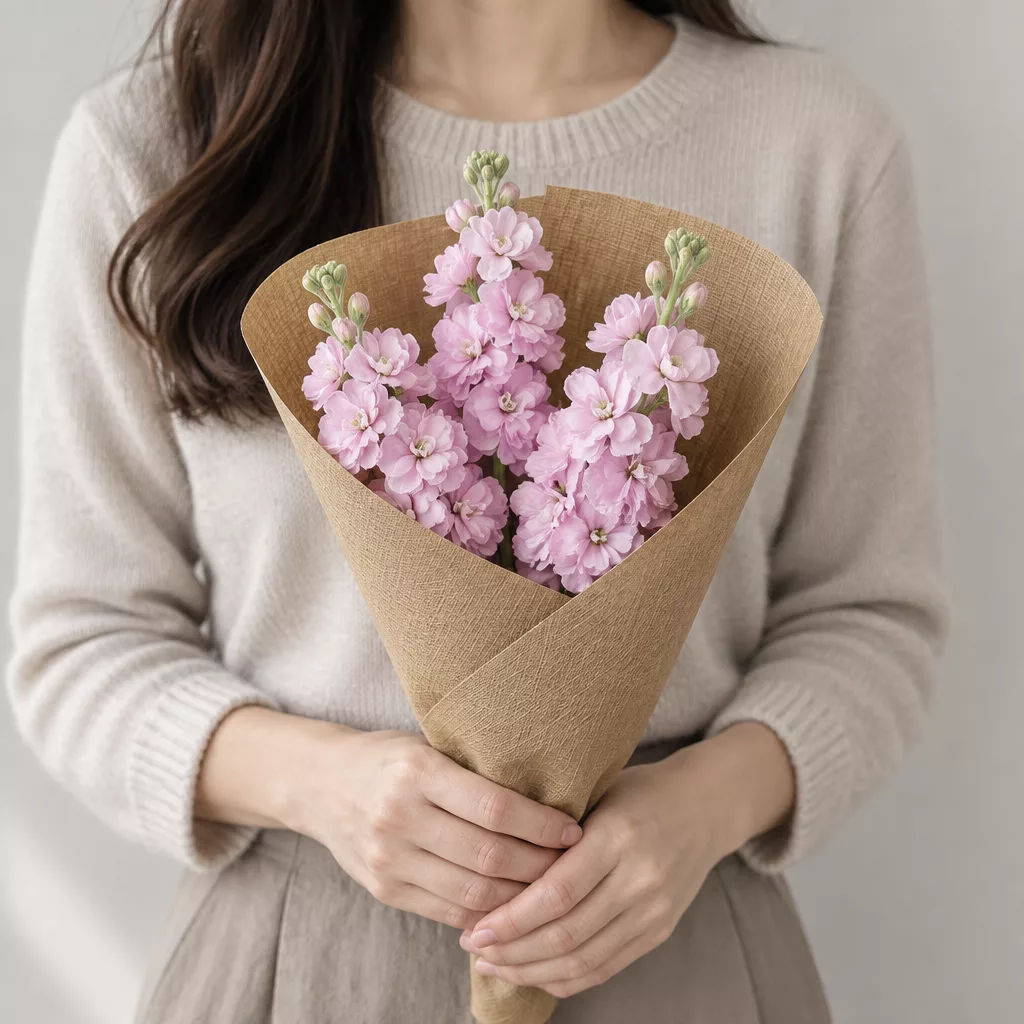
Choosing Alstroemeria for the Person and the Moment
Before you think about colour or quantity, think about the recipient and what you want them to feel when the door opens and the delivery arrives. Alstroemeria has a quality that makes it work across a very wide range of occasions — it is cheerful without being loud, generous without being overwhelming, and delicate-looking without being fragile. That balance makes it genuinely flexible.
For a teacher or a colleague receiving flowers as a thank-you, a single-variety bunch in white or soft yellow reads as gracious and considered. For a close friend's birthday, mixing two or three colours — say, coral with cream, or purple with pale pink — creates something that feels personal and abundant. For a romantic gesture that is not quite a red-rose declaration, peach and apricot tones carry warmth without pressure.
In Russian tradition, the number of stems in a bouquet carries meaning: even numbers are associated with mourning, so florists always arrange an odd count for celebratory occasions. If you are ordering online and specifying quantity, keep this in mind — five, seven, nine, or eleven stems are all natural choices. When alstroemeria is combined with other flowers, it often plays a supporting role beautifully, filling space around roses or tulips with texture and movement. But a mono-bouquet of alstroemeria, well-arranged with its own foliage, needs nothing added to look complete and intentional.
The Colour Range and What Each Shade Communicates
One of the strongest selling points of alstroemeria is the breadth of its colour palette. Unlike, say, classic garden roses where certain shades are rare or expensive, alstroemeria breeders have developed stable, year-round varieties across almost every part of the spectrum. You will reliably find white, cream, pale yellow, bright yellow, orange, coral, salmon, hot pink, deep rose, red, lilac, and purple — often with contrasting inner streaks and spots that give each bloom its distinctive, slightly exotic character.
White and cream varieties, such as those in the well-established Inticancha series, work beautifully in elegant mixed arrangements and pair naturally with eucalyptus or wax flower. Yellow tones — think of varieties like Tiara or similar warm-toned cultivars — bring energy to spring and summer orders and suit younger recipients or informal celebrations. The coral and salmon range is arguably the most versatile for gifting in Russia, sitting comfortably between romantic and friendly.
Deep purple and burgundy varieties have a richness that reads as sophisticated, making them a strong choice for milestone birthdays or professional achievements. Red alstroemeria is occasionally used as a more affordable companion to red roses in Valentine's Day arrangements, though the two flowers have different textures and it takes a skilled hand to make them feel cohesive rather than competing.
When in doubt, a florist's reliable shortcut is to stay within one colour family — all warm tones or all cool tones — rather than mixing across the spectrum. This creates harmony even when several shades are present.
Year-Round Supply and What That Means for Your Order
One of the practical realities of ordering flowers in Russia is that availability shifts with the seasons. Tulips flood the market in March and then disappear. Peonies have a narrow window in late spring. Sunflowers are abundant in summer but scarce and expensive in January. Alstroemeria does not follow this pattern. Because it is grown under glass in climate-controlled conditions and sourced from multiple countries across different hemispheres, it is genuinely available every week of the year at consistent quality.
For someone placing an order from a city far from Saint Petersburg — say, for delivery to a relative in Yekaterinburg or Krasnoyarsk — this reliability matters. You are not gambling on whether a particular flower is in season. You can order alstroemeria in the depths of a Russian January and receive the same quality you would expect in May.
Fresh alstroemeria arrives at the shop with the lower buds just beginning to open and several tighter buds still closed. This staged opening is not a sign of immaturity — it is exactly what you want. It means the arrangement will continue to develop over the following days, with new flowers opening as earlier ones reach their peak. A stem that arrives with every flower already wide open is actually past its prime and will fade much faster.
For orders involving long delivery distances, alstroemeria is particularly well-suited. The stems are robust, the flowers do not bruise easily, and they tolerate the temperature fluctuations of transit better than many alternatives. This is a real advantage when a bouquet needs to travel across a large Russian city in the back of a courier vehicle.
Vase Life and the Care Steps That Actually Make a Difference
Alstroemeria's reputation for vase longevity — routinely ten to fourteen days with basic care — is well-earned, but it is not automatic. A few specific habits make a significant difference, and skipping them can cut that lifespan almost in half.
The single most important step is removing every leaf that will sit below the waterline. Alstroemeria foliage decays quickly in water and produces bacteria that clog the stem ends and shorten vase life dramatically. Strip the lower third of each stem cleanly before placing it in the vase. Cut the stems at an angle with a clean knife rather than scissors, which can crush the vascular tissue.
Water temperature matters more than most people realise. Cool water — around 15 to 18 degrees Celsius — keeps the stems firm and slows bacterial growth. In a warm Russian apartment in winter, when central heating pushes indoor temperatures above 22 degrees, the vase water warms quickly. Changing it every two days and moving the arrangement away from radiators makes a measurable difference.
Alstroemeria is sensitive to ethylene gas, which is produced by ripening fruit. Keeping the vase away from a fruit bowl is a genuinely useful piece of advice, not a florist's myth. Flower food sachets, often included with a delivered bouquet, contain a mild biocide and a sugar source that feed the opening buds — use them as directed rather than skipping them.
Finally, as individual flowers finish, remove them cleanly from the stem rather than leaving spent blooms in place. This redirects the plant's energy to the remaining buds and keeps the arrangement looking intentional rather than tired.
Building a Bouquet Around Alstroemeria: Combinations That Work
Alstroemeria is one of the most cooperative flowers in a mixed arrangement. Its branching stems fill space naturally, its smaller individual blooms provide texture contrast against larger focal flowers, and its foliage has a fine, almost grassy quality that reads as fresh and airy. Understanding how to use it well — whether you are describing what you want to a florist or simply appreciating what arrives — makes the difference between a bouquet that looks assembled and one that looks designed.
For a classic romantic arrangement, alstroemeria in peach or cream paired with spray roses and eucalyptus creates a soft, layered look that photographs beautifully and suits most Russian home interiors. The key is proportion: alstroemeria should feel like an equal partner, not a filler, so the stems need to be cut to similar heights as the focal flowers rather than tucked low.
For a bold, celebratory bouquet, combine bright yellow or orange alstroemeria with sunflowers and solidago — the yellow family stays cohesive, and the different scales of the flowers create visual rhythm. For something more refined and suitable for a professional setting, white alstroemeria with white lisianthus and silver-grey eucalyptus is clean, elegant, and long-lasting.
Alstroemeria also works well as the sole flower in a generous, full bunch. Fifteen to twenty stems of a single variety, arranged with their natural foliage and wrapped in kraft paper or a matte fabric ribbon, is a presentation that feels considered and contemporary. In Russian gifting culture, volume signals generosity, and alstroemeria delivers that generously without requiring a premium budget.
Alstroemeria earns its place in Russian flower shops not through novelty or prestige but through consistent, honest performance. It arrives reliably in every season, opens gradually over days, tolerates the realities of delivery across a large country, and rewards even basic care with a vase life that outlasts almost every alternative at its price point. Whether it forms the heart of a bouquet on its own or supports roses and lisianthus in a more complex arrangement, it brings colour, texture, and genuine staying power. For anyone sending flowers across Russia — to a colleague in Moscow, a grandmother in Kazan, or a friend celebrating in Vladivostok — alstroemeria is the choice that arrives beautifully and keeps on giving long after the delivery door closes.
Frequently asked questions
How long will alstroemeria actually last in a vase at home?
With proper care — clean cool water, stripped lower leaves, and a spot away from radiators and fruit — alstroemeria reliably lasts ten to fourteen days. Apartments with strong central heating, which is common across Russia in winter, can shorten this, so changing the water every two days and keeping the vase in a cooler corner of the room helps noticeably.
Is alstroemeria a good choice for a bouquet that needs to be delivered far away?
Yes, it is one of the best choices for long-distance delivery. The stems are sturdy, the flowers do not bruise or wilt easily during transit, and the staged bud opening means the arrangement is still developing when it arrives. This makes alstroemeria particularly practical for orders travelling across a large Russian city or to recipients in other regions.
What colours of alstroemeria are available in winter in Russia?
Because alstroemeria is grown year-round in climate-controlled greenhouses in the Netherlands, Colombia, and domestic Russian facilities, the full colour range — white, yellow, coral, pink, red, purple, and burgundy — is available in winter just as it is in summer. Seasonal shortages that affect field-grown flowers do not apply to alstroemeria.
Can alstroemeria be combined with roses in the same bouquet?
Absolutely. Alstroemeria pairs well with roses when the colours are chosen deliberately — warm tones together or cool tones together rather than mixing across the spectrum. The branching, multi-headed stems of alstroemeria fill the spaces between rose heads naturally, adding texture and volume. Both flowers have similar water and temperature needs, which makes combined care straightforward.
Why do florists always recommend an odd number of stems for a celebratory bouquet in Russia?
In Russian tradition, even numbers of flowers are associated with mourning and are placed at graves, while odd numbers are used for all joyful occasions — birthdays, anniversaries, graduations, and celebrations. This is a widely observed custom across Russia, and any experienced florist will automatically arrange celebratory bouquets with an odd stem count as a matter of course.
Ready to send flowers?
Pick the city, choose the bouquet, and a local florist takes it from there.
Choose a city →