Your Flowers Just Arrived — Here Is How to Cut the Stems Properly
Flowers travel. Even a one-hour delivery across Saint Petersburg means stems have been out of water, pressed against packaging, and slowly sealing themselves shut at the cut end. That sealed surface is the enemy of a long vase life, and fixing it takes about three minutes and one sharp tool. What you do in those first minutes after unwrapping determines whether your roses open gloriously for ten days or droop by Tuesday.
Why the Cut End Seals Itself During Transit
When a stem is cut and then removed from water, the exposed cells at the base begin to dry and oxidise almost immediately. Within minutes, a thin film forms across the cut surface, blocking the tiny vascular channels — called xylem — that carry water up through the stem to the petals. Think of it like a straw with its tip pinched shut. The flower is sitting in your vase, surrounded by water, but barely drinking.
This process happens faster in warm conditions and slower in cold ones, which is why professional florists keep cut flowers refrigerated between four and eight degrees Celsius. During delivery, temperatures inside packaging can vary considerably, especially in summer when a bouquet sits in a courier bag. Even in winter, the transition from a cold vehicle to a warm hallway causes rapid temperature change that accelerates cellular stress.
Roses are particularly sensitive because their stems are dense and the blockage sets in quickly. Tulips and gerberas are slightly more forgiving, but they still benefit from a fresh cut. Peonies, with their thick, almost woody stems, absolutely need a clean re-cut to drink properly. The good news is that removing even a small portion of the sealed end — just one to two centimetres — exposes fresh, open tissue that can absorb water freely again. That single action is the most impactful thing you can do for any bouquet the moment it arrives.
Bouquets we can deliver


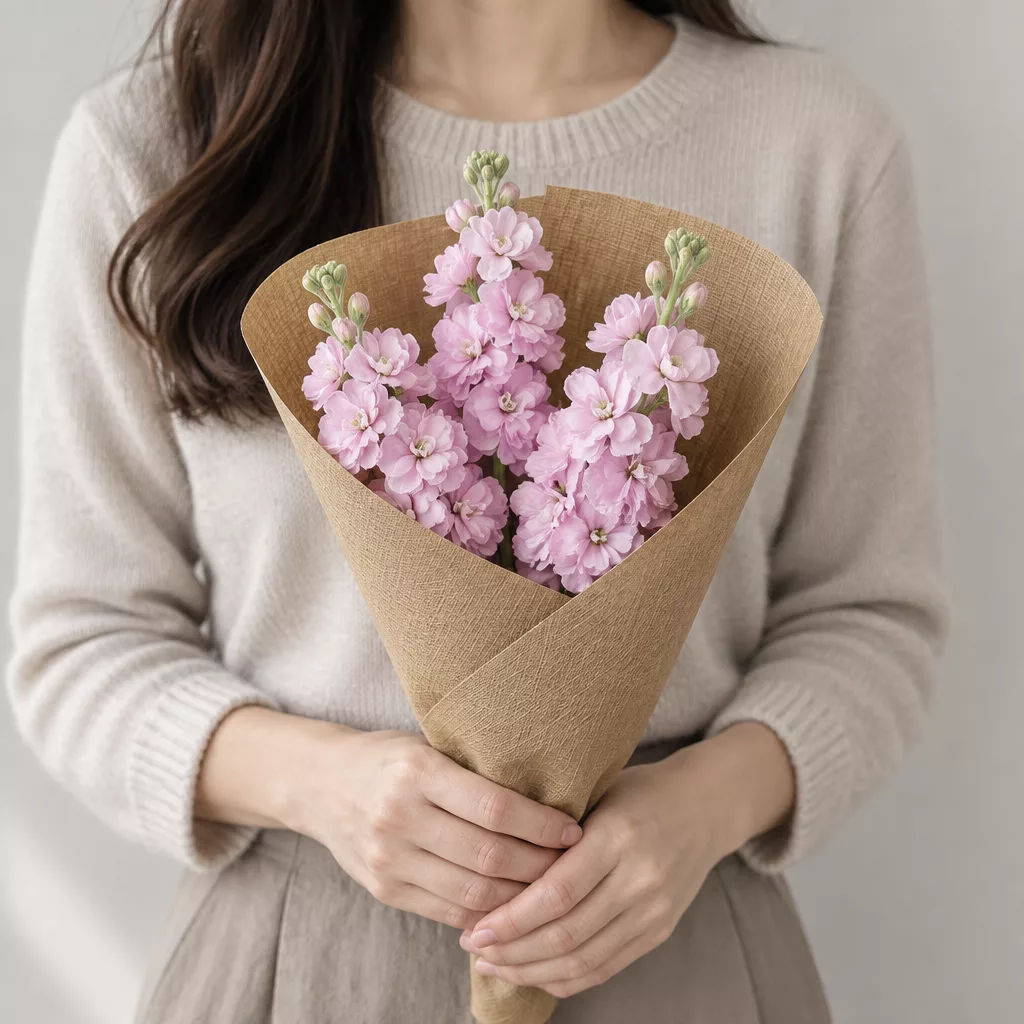
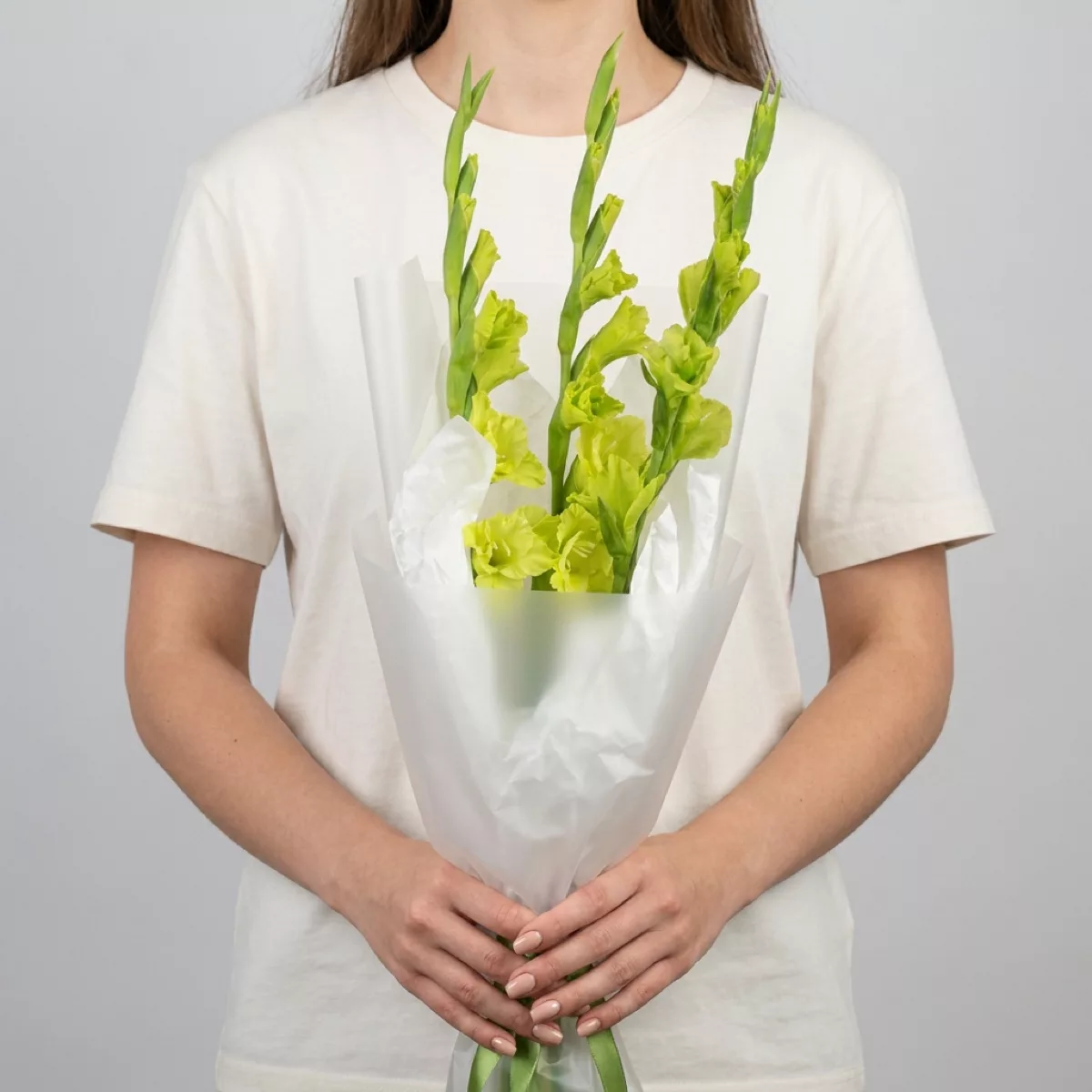
The Right Angle Makes a Real Difference
A straight, flat cut across the stem might seem logical, but it is actually the less effective option. A flat cut rests flush against the bottom of the vase, reducing the surface area exposed to water and sometimes creating a seal against the glass or ceramic itself. An angled cut — typically between thirty and forty-five degrees — solves both problems at once.
Cutting on a diagonal increases the exposed surface area of the xylem, which means more channels are open and drinking simultaneously. It also means the stem tip points downward at an angle, so it never sits flat on the base of the vase. Water circulates freely around the entire cut surface. For flowers with particularly fine stems, like freesia or sweet peas, even a modest angle makes a visible difference within the first hour as you watch the heads lift and firm up.
For hollow-stemmed flowers such as delphiniums and lupins, the angle matters less than for solid-stemmed varieties, but it still helps. Some florists also recommend turning a hollow stem upside down, filling it with water, and plugging the end with a small piece of cotton wool before placing it in the vase — a technique that keeps the stem hydrated from the inside. For most everyday bouquets featuring roses, chrysanthemums, alstroemeria, or lisianthus, a clean diagonal cut is all you need. Apply consistent pressure and cut in one smooth motion rather than sawing back and forth, which crushes the tissue and defeats the purpose entirely.
Choosing the Right Tool for a Clean Cut
The tool matters as much as the angle. A blunt kitchen knife or a pair of household scissors will crush the stem fibres rather than slicing cleanly through them. Crushed fibres collapse the xylem channels at the very point where you need them most open. You might as well not have cut at all.
A sharp floral knife is the professional's first choice. It allows you to cut at a precise angle with a single drawing motion, and the thin blade causes minimal tissue damage. If you do not have a floral knife, a sharp paring knife or a chef's knife that you have recently honed will work well. The key word is sharp. Test it on a piece of paper first — if it tears rather than slices cleanly, it is not sharp enough for stems.
Floral scissors or bypass pruning shears are a reasonable second option, particularly for woody or thick stems like those on sunflowers, hydrangeas, or chrysanthemums. Bypass shears cut with a scissor-like action rather than crushing the stem between two blades, which is why they are preferred over anvil-type pruners. Avoid using serrated knives entirely — the teeth shred the vascular tissue and leave a ragged surface that drinks poorly and is more susceptible to bacterial growth.
Whatever tool you choose, clean it before use. Bacteria transferred from a dirty blade can colonise the fresh cut immediately and begin blocking water uptake within hours. A quick wipe with a clean damp cloth, or a rinse under running water, is sufficient for home use.
Length: How Much to Remove and When to Cut Again
The minimum effective re-cut is about one to two centimetres. This is enough to remove the sealed, oxidised layer and expose fresh tissue. Cutting more than that is not harmful, but it shortens the stem unnecessarily, which limits your options when arranging. For most bouquets — particularly those with roses, spray roses, or carnations — one and a half centimetres is a practical target.
Timing matters too. Ideally, you cut the stems while holding them under water or immediately before placing them into the vase. Exposure to air for even thirty seconds after cutting allows the oxidation process to begin again. Some florists recommend cutting stems directly in a basin of water so the fresh surface never touches air at all. This is especially useful for roses in summer, when air temperatures above twenty-five degrees accelerate sealing significantly.
After the first re-cut, plan to trim the stems again every two to three days. As the cut end sits in water, it gradually accumulates bacteria and begins to deteriorate. A small trim every few days keeps the drinking surface clean and fresh. This habit alone can extend the vase life of roses by three to four days and keep lisianthus looking crisp for well over a week.
If you notice a stem going soft or slimy at the base, remove it from the arrangement immediately and cut two to three centimetres above the affected area. Soft tissue in the water releases bacteria rapidly and will compromise the other flowers around it. Acting quickly saves the rest of the bouquet.
Water Temperature, Vase Cleanliness, and What Goes Together
A perfect stem cut is wasted in a dirty vase. Bacteria left from a previous arrangement colonise fresh stems within hours, and no amount of re-cutting will compensate for a contaminated environment. Wash the vase with hot water and a drop of washing-up liquid, rinse thoroughly, and dry it before filling. This takes two minutes and meaningfully extends vase life.
Room-temperature water — around eighteen to twenty degrees Celsius — is the standard recommendation for most cut flowers. Cold water slows water uptake initially, though it is sometimes used deliberately for tulips to keep them from opening too quickly. Warm water, around thirty to thirty-five degrees, is used by florists for flowers that have wilted significantly, as it moves through the xylem faster and can revive a drooping head in twenty to thirty minutes. Do not use this technique routinely, only as a rescue measure.
Narcissus — daffodils — deserve a special mention because they secrete a sap that is toxic to other flowers. If your delivery includes daffodils alongside roses or tulips, condition the daffodils separately in their own container for several hours before combining them. Once the sap has stopped flowing from the cut end, they can be mixed safely with other varieties.
Flower food sachets, often included with bouquets, contain a combination of sugar to feed the flowers, an acidifier to improve water uptake, and a biocide to suppress bacterial growth. Use them as directed and change the water every two days, adding fresh food each time. They are not optional extras — they genuinely extend vase life by several days across most common varieties.
Common Mistakes That Shorten Vase Life
Leaving the original packaging rubber bands on the stems is one of the most common errors. Bands constrict the stem and can block water flow at the point of contact. Remove all ties, sleeves, and binding before placing flowers in the vase. Unwrap carefully so that petals are not damaged in the process — outer guard petals on roses, which may look slightly bruised from transit, can be gently removed to reveal the perfect layers beneath.
Placing flowers near a fruit bowl is a mistake that surprises many people. Ripening fruit, particularly apples and bananas, releases ethylene gas, which accelerates the ageing process in cut flowers. Roses and carnations are especially sensitive. Keep your bouquet away from fruit, and also away from direct sunlight, radiators, and draughts from open windows. A cool, bright spot away from heat sources is ideal.
Overfilling the vase is another frequent issue. Stems packed too tightly press against each other, and leaves submerged below the waterline decompose quickly, feeding bacterial growth. Strip all foliage that will sit below the water surface before arranging. This applies particularly to roses, which have dense foliage, and to eucalyptus, which releases compounds into the water that can affect other flowers over time.
Finally, neglecting to top up the water daily is a surprisingly damaging habit. Flowers drink more than you expect — a dozen roses can consume nearly half a litre of water in a single warm day. A vase that runs low forces the re-cut stem tips back into air, undoing all your careful preparation. Check the water level every morning and top it up with fresh, room-temperature water.
A Simple Routine That Works for Every Bouquet
Bringing all of this together into a practical routine makes it easy to follow consistently, regardless of what flowers arrive. The moment your bouquet is delivered, unwrap it completely and remove all binding. Fill a clean vase with room-temperature water and add the flower food sachet if one was included. While the vase fills, take your sharpest knife or bypass shears and cut each stem individually at a thirty-to-forty-five-degree angle, removing at least one to two centimetres. Place each stem directly into the water immediately after cutting.
Arrange loosely so stems are not crowded. Remove any foliage below the waterline. Position the vase in a cool, bright location away from direct sun, fruit, and heat sources. Check the water level daily and top up as needed. Every two to three days, change the water entirely, clean the vase quickly, and give each stem another small trim before returning it to the fresh water.
This routine takes about ten minutes on arrival and five minutes every few days. The return on that investment is significant. Roses that might last five days without attention regularly reach nine or ten days with this care. Alstroemeria, already one of the longer-lasting cut flowers, can remain beautiful for two weeks or more. Lisianthus, which opens its buds sequentially along the stem, will continue to reveal new flowers for ten days to a fortnight if the water stays clean and the stems stay trimmed.
Good flowers deserve good care. The work done in the first few minutes after delivery sets the tone for everything that follows, and the difference between a week of beauty and two weeks of beauty is almost entirely in your hands.
Flowers sent across a city carry real effort and real feeling inside their petals. The transit is the hard part — the care at home is the easy part, and it is entirely within your control. A sharp tool, a diagonal cut, clean water, and a cool spot are all it takes to honour what was sent and make it last. Every extra day of bloom is a small extension of the moment that mattered. We deliver bouquets across Russia in 1–2 hours.
Frequently asked questions
Can I skip re-cutting if the flowers look fresh when they arrive?
Even flowers that look perfectly fresh have sealed cut ends after transit. The sealing is invisible — it happens at the cellular level within minutes of leaving water. Skipping the re-cut means the stems drink poorly from the start, and you will notice drooping within a day or two that could have been avoided entirely with a quick trim on arrival.
Does it matter if I cut stems under water or just above the vase?
Cutting under water prevents any air from entering the xylem channels between the cut and the moment the stem reaches water. It is the ideal method, particularly for roses in warm weather. If cutting in a basin is impractical, cutting immediately above the vase and dropping the stem in within a few seconds achieves nearly the same result for most common varieties.
My tulips are drooping badly after delivery — can re-cutting save them?
Yes, often it can. Cut two to three centimetres from the base at a diagonal and place the tulips in a tall, narrow vase with cool water so the stems are well supported. Wrap the entire bunch loosely in paper and leave upright for one to two hours. Tulips are resilient and frequently recover fully from transit droop when given a fresh cut and support.
How do I know if my vase is clean enough after washing?
After washing with hot water and washing-up liquid, rinse thoroughly until no soap remains, then smell the inside of the vase. A clean vase has no odour at all. Any musty or slightly sour smell means bacteria remain and a second wash is needed. For vases that held flowers for over a week, a brief soak with a diluted white vinegar solution before washing helps remove stubborn bacterial residue.
Should I cut woody stems like hydrangeas differently from softer stems?
Hydrangeas and other flowers with semi-woody stems benefit from a diagonal cut followed by a small vertical split of about one centimetre up the centre of the stem base. This split increases water-absorbing surface area significantly. Some florists also lightly scrape the outer bark from the bottom two centimetres of woody stems before placing them in water, which further improves uptake.
Ready to send flowers?
Pick the city, choose the bouquet, and a local florist takes it from there.
Choose a city →