Should You Put Aspirin in a Vase of Flowers?
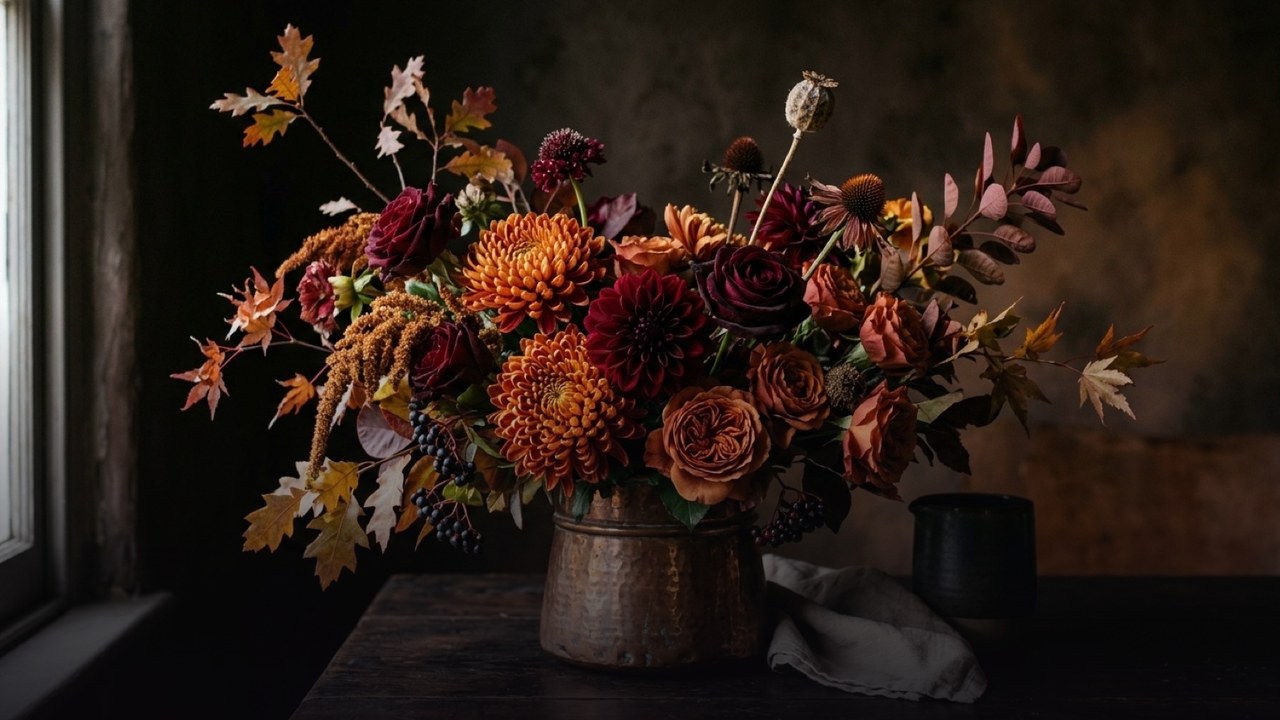
You do not need to put aspirin in a vase of flowers: it is not a dependable substitute for cut-flower food. Although aspirin can alter the acidity of the water, a crushed tablet does not provide the balanced ingredients a bouquet needs, and there is no universal tablet-to-water dose suitable for every flower.
If you are holding a tablet beside a newly filled vase, leave it out and start with the basics: a clean container, freshly cut stems, no submerged leaves and correctly mixed flower food if you have it. If you have already added aspirin, there is no need to discard the bouquet. Empty the vase, wash it thoroughly and give the flowers fresh water while you check the stems for damage or decay.
Why aspirin is suggested, and why the advice is unreliable
The idea behind aspirin in flower water is usually acidity. Aspirin contains acetylsalicylic acid, and the acidity of a vase solution can affect how cut stems take up water. That connection does not establish a useful household recipe: the result depends on your water, the tablet formulation, the volume in the vase and the flowers themselves. A tablet count alone tells you very little.
Commercial cut-flower food is formulated for a different job from a medicine. It typically combines a source of sugar with ingredients that adjust acidity and help control microbial growth, all intended to work at the stated dilution. Aspirin supplies no balanced nourishment and should not be treated as a reliable disinfectant. Tablets may also contain coatings or other ingredients that were never intended for vase water.
A bouquet staying attractive after someone adds aspirin does not show that the tablet caused the result. Initial freshness, flower variety, room conditions and everyday care all affect vase life. You may see advice ranging from half a tablet to several tablets, but there is no responsible universal dose to recommend here. For a bouquet you want to enjoy, use a care method you can measure and repeat.
What to put in the vase instead
Use a commercial cut-flower food suitable for your flowers, following its label exactly. Measure the water rather than estimating from the height of the vase: a broad container can hold much more than a narrow one at the same depth. If a packet is intended for a specified volume, mix that volume in a clean jug. Do not assume a whole packet belongs in every vase.
If you have no flower food, plain fresh water is a sensible temporary choice. Keep the vase clean, inspect the water each day and replace it promptly when it becomes cloudy or contains debris. Sugar alone is not an equivalent substitute because it can also support microbial growth. Adding aspirin to sugar does not turn the mixture into a balanced flower preservative.
Avoid combining household remedies in an attempt to cover every possibility. Aspirin, vinegar, coins, spirits and improvised bleach mixtures are not interchangeable with a labelled flower-care product; some combinations can also be hazardous. If you are changing from a homemade mixture to flower food, empty and wash the vase first. Start with fresh water and one correctly diluted product.
Bouquets we can deliver




Set up your bouquet so the stems can take up water
Wash the vase with detergent, paying attention to the base, corners and any residue near the old waterline, then rinse it thoroughly. A quick rinse can leave a slippery film behind. Choose a container that supports the stems without packing them tightly together, and remove any leaves that would sit below the waterline. Submerged foliage breaks down and makes keeping the water clean harder.
With clean, sharp scissors or secateurs, remove a short section from the bottom of each stem before placing it promptly in water. Make a clean cut rather than crushing the end, and trim above visibly damaged tissue where the remaining stem length allows. You do not need to smash or split ordinary bouquet stems. Handle the heads gently and keep petals out of the water.
Fill the vase so the cut ends remain submerged, then check the level after arranging: some bouquets take up water quickly. Follow any care instructions provided for the particular flowers, since a mixed arrangement may need different handling from a single-variety bunch. For the container itself, our guide to cleaning a vase between bouquets explains the parts that are easy to miss.
Daily care matters more than a tablet
Put the bouquet in a cool part of the room, away from direct sunlight, radiators and heating or air-conditioning outlets. Keep it clear of ripening fruit, which can release ethylene that speeds ageing in sensitive flowers. These choices reduce avoidable stress, but they cannot give every species the same vase life. A mixed bouquet will often change unevenly as its different flowers mature.
Check the water level and condition every day. When using flower food, follow the product's directions for refreshing the solution; when using plain water, replace it regularly and whenever it becomes cloudy or dirty. Wash the vase during a water change if you see residue. Top-ups keep stems supplied, but they do not remove the debris or microbial build-up already in the container.
Remove fallen petals, submerged leaves and stems that have become soft or decayed. If a stem base is slimy, rinse it and trim back to sound tissue with clean tools before returning it to a washed vase. Persistent slime deserves attention to hygiene rather than another additive; our explanation of slime and biofilm in flower vases helps you recognise the problem.
What to do if you already added aspirin or the flowers droop
If aspirin is already in the water, the useful next step is a reset. Lift the flowers out, empty the solution, wash and rinse the vase, and refill it with fresh water or properly diluted flower food. Rinse residue from the lower stems and recut their ends with clean tools if needed. Keep the bouquet out of direct sun while you work, and return it to water promptly.
Drooping is a symptom, not proof that a bouquet needs aspirin. First check whether the water ran low, a stem is bent, leaves are submerged or the arrangement has been standing beside a heat source. Correct what you can see, remove deteriorating material and allow the sound stems time in fresh solution. Some flowers may recover from a water shortage; damaged or ageing blooms may not.
Judge individual stems rather than treating the whole bouquet as a single unit. A broken stem cannot be repaired by a water additive, although you may be able to cut above the break and display the sound upper part in a smaller vase. Remove flowers with obvious decay and keep those that remain healthy. Avoid repeated experiments with stronger mixtures when ordinary ageing is the likely explanation.
Sending flowers to Russia: make care and timing easy
If you are arranging a gift from abroad, start with the bouquets catalogue and choose with the recipient's space and routine in mind. Someone receiving flowers at work may need to carry them home, so a little planning helps them get the stems into a vase promptly. Turboflora delivers flowers across Russia. City delivery costs 500 RUB; for remote districts and suburbs, the operator confirms the price when confirming the order.
In large cities, express delivery is available 1–2 hours after order confirmation. You can also arrange an exact time within a margin of 30 minutes, choose a 09–12, 12–15, 15–18 or 18–21 window, or pre-order 1–30 days ahead. Use WhatsApp for help choosing a bouquet and agreeing the time, address and card text, or to arrange a photo of the bouquet before delivery.
A card with your text is free, so you can include a brief care reminder: use a clean vase, remove leaves below the waterline and check the water daily. Delivery is anonymous by default—the courier does not name the sender—so sign the card if you want the recipient to know who sent it. Online checkout uses CloudPayments; check the options displayed there for your card. You can also consult delivery and payment details before ordering.
Frequently asked questions
How much aspirin should I put in a vase of flowers?
There is no universal aspirin dose suitable for every bouquet, water supply and tablet formulation. Use correctly diluted cut-flower food, or fresh plain water with careful vase hygiene if you have no flower food.
Is aspirin better than sugar for cut flowers?
Neither aspirin nor sugar alone replaces formulated flower food. Sugar can feed microorganisms as well as provide energy for flowers, while aspirin does not supply balanced nourishment or dependable microbial control.
Can I add aspirin to water that already contains flower food?
Leave out the aspirin and follow the flower food label. Adding another substance changes the solution without a clear benefit and makes its effects harder to predict.
Will aspirin revive wilted roses?
Aspirin is not a reliable treatment for wilted roses. Check the water level, clean the vase, recut sound stems and place them in fresh solution; recovery depends on the cause of wilting and the condition of each stem.
What happens if the recipient is out when flowers arrive?
The courier calls about 15 minutes before arrival. If the recipient is absent, we agree a second delivery the same day or, with the sender's consent, hand the flowers to a neighbour or concierge.
Ready to send flowers?
Pick the city, choose the bouquet, and a local florist takes it from there.
Choose a city →