Choosing the Right Vase: Size, Shape, and Material for Any Bouquet
The bouquet arrives looking perfect — roses at their peak, stems cut clean, leaves glossy. Then three days later it slumps, and you wonder what went wrong. Most of the time the answer is sitting right there on the table: the vase. The wrong height crowds the stems, the wrong neck traps bacteria, and the wrong material can quietly shorten vase life by days. Getting this one decision right is the easiest thing you can do to make flowers last.
Why the Vase Matters as Much as the Water
A cut flower is still a living thing trying to drink. Everything from the moment it leaves the stem of the plant is a race against dehydration and bacterial growth. The vase is not decoration — it is life-support equipment, and its dimensions directly control how well that system works.
When stems are packed too tightly into a narrow opening, they press against each other and bruise. Bruised tissue rots faster and releases bacteria into the water, which then blocks the tiny vessels the flower uses to drink. You can change the water every day and still lose the bouquet early if the neck is too tight for the stems inside it.
When a vase is too short, heavy-headed flowers like garden roses or peonies tip sideways. The stem bends at an angle, partially closing the water channel, and the head droops within twenty-four hours. When a vase is too tall, delicate flowers like sweet peas or ranunculus get buried and the petals that touch the rim bruise and brown.
Material affects temperature. Glass and ceramic hold water at room temperature but do not amplify heat. Dark-painted metal, on the other hand, can absorb warmth from a sunny windowsill and raise water temperature by several degrees — enough to accelerate bacterial growth measurably. Understanding these basics means you are already ahead of most people who receive flowers.
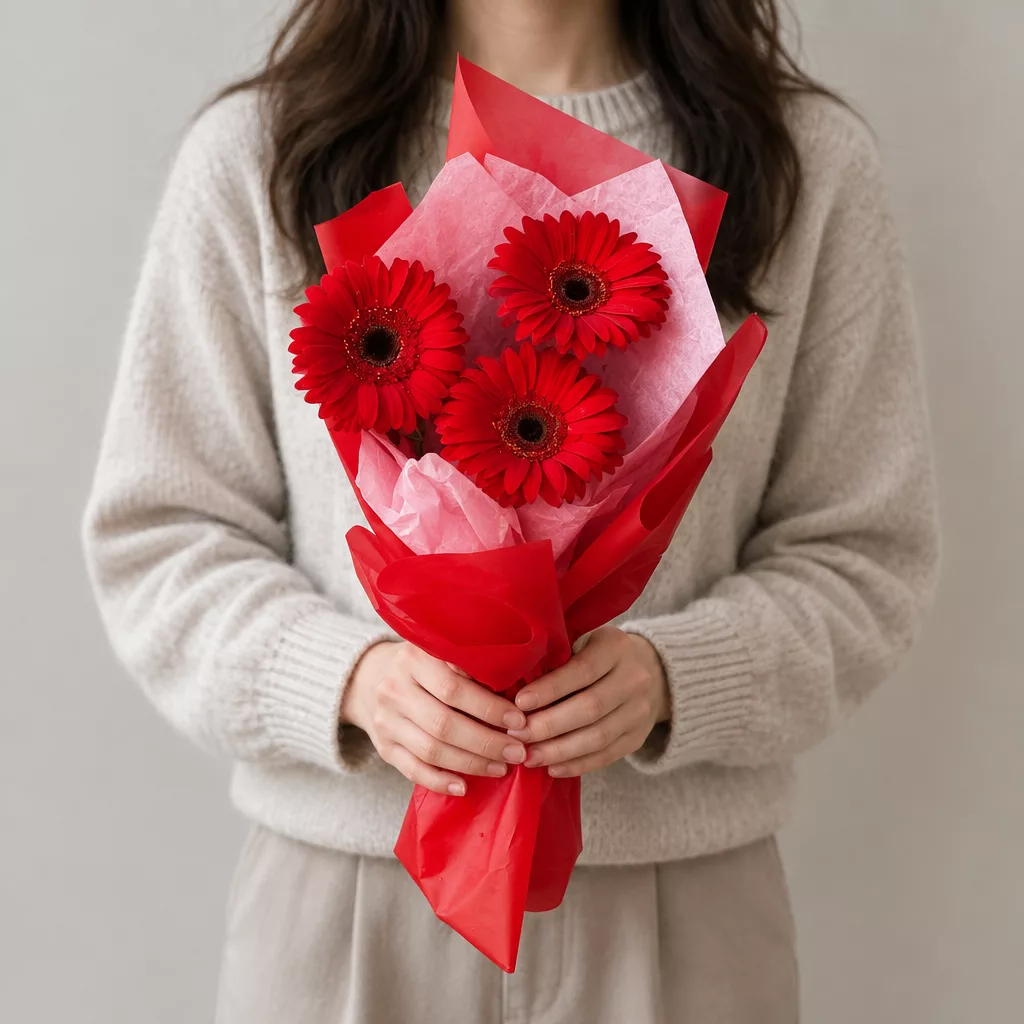
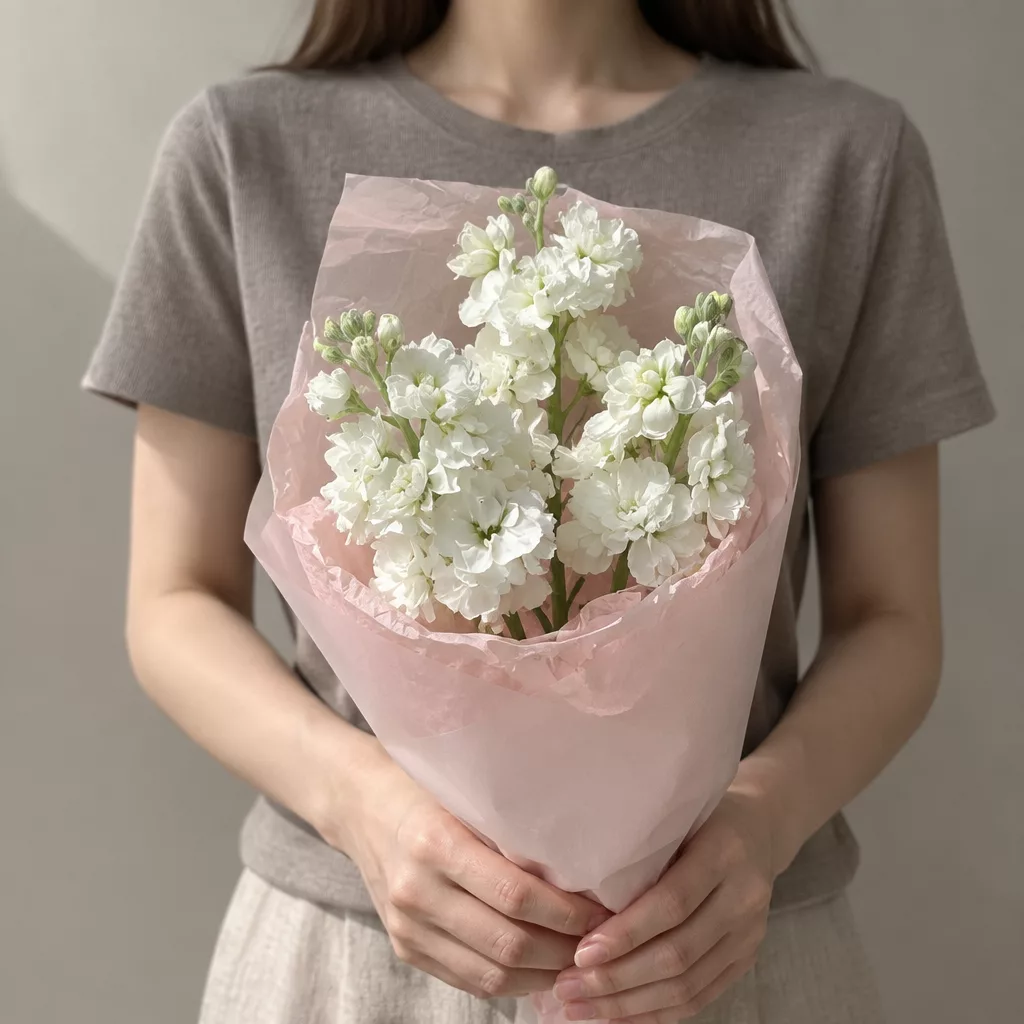
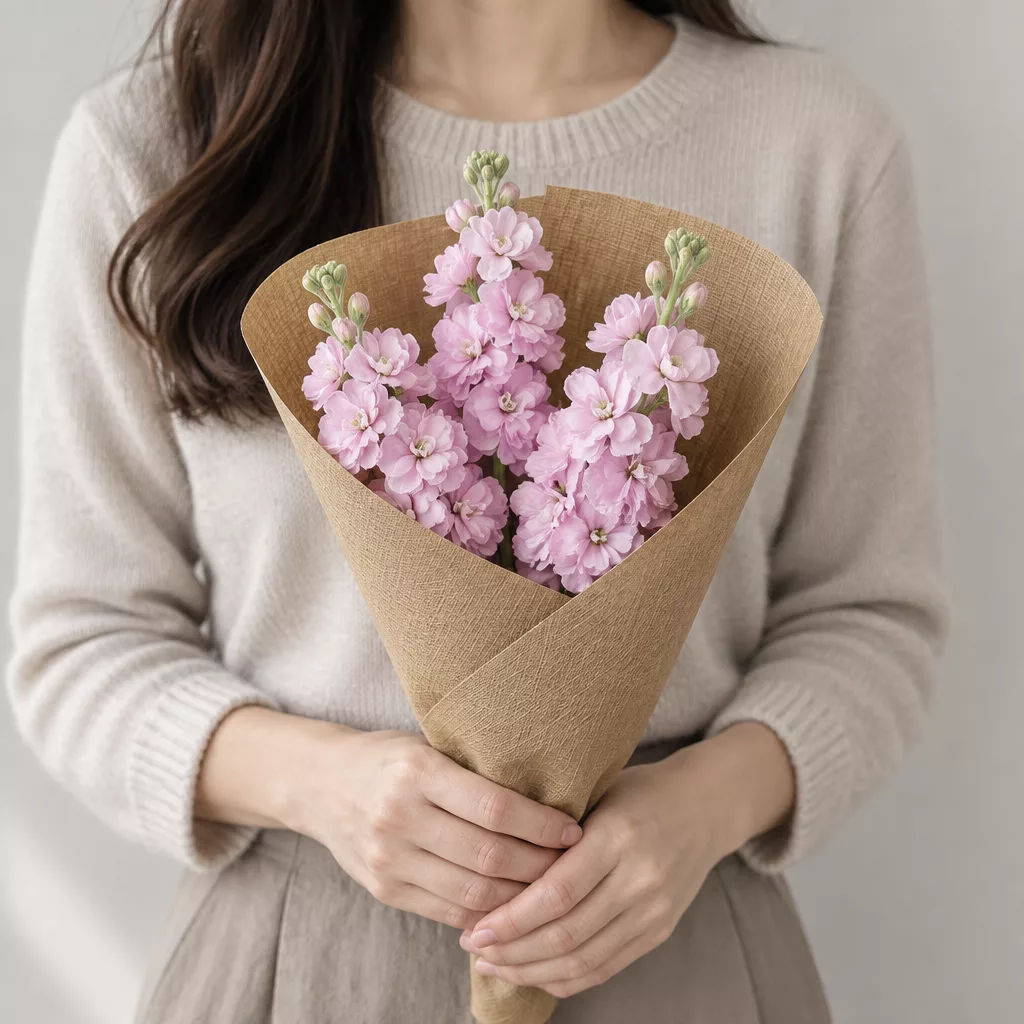
Bouquets we can deliver

Matching Vase Height to Stem Length
The classic florist rule is that a vase should hold roughly half to two-thirds of the visible stem length above water. For a bouquet of long-stemmed red roses — stems typically around fifty to sixty centimetres — that means a vase of thirty to forty centimetres. This proportion keeps the flower heads supported without burying the lower leaves in water, where they rot quickly.
For shorter, garden-style bouquets — think dahlias, lisianthus, or mixed seasonal arrangements where stems run twenty-five to thirty centimetres — a low, wide vessel of twelve to fifteen centimetres works well. The blooms sit close together, support each other naturally, and the short water column stays fresher longer because there is less surface area for airborne bacteria to settle on.
Tall architectural flowers like gladioli, delphiniums, or sunflowers need genuine height — a vase of forty centimetres or more — because their weight is distributed along the whole stem, not just at the head. Trying to fit a gladiolus into a medium kitchen vase means the top third bends over the rim and dries out before the lower florets even open.
Spray flowers — waxflower, gypsophila, solidago — are the exception. They have many small heads on branching stems and actually do better in a shorter vase where the branches can splay outward rather than being forced upright. Forcing them straight compresses the stems and reduces water uptake across the whole spray. Keep a short, wide-mouthed vessel specifically for these filler flowers and your mixed bouquets will last noticeably longer.
Neck Width and What It Does to Your Flowers
Neck width is the measurement most people ignore entirely, and it is the one that causes the most preventable wilting. The rule is simple: each stem needs a few millimetres of clearance around it. If you are placing ten tulip stems into a vase, the neck opening should be wide enough that none of the stems are pressing against each other or against the glass.
Tulips are a good example because they are popular and deceptively tricky. They continue to grow after cutting — sometimes two to three centimetres over the first couple of days — and they curve toward light. A narrow-necked vase traps them straight, and as they try to curve they press against the glass and bruise. A vase with a neck of eight to ten centimetres lets them move naturally, and the bouquet actually improves in shape over the first day.
For single-variety bouquets of roses, a neck of six to eight centimetres is usually right for a dozen stems. For a mixed bouquet with thicker stems like lilies or proteas alongside finer ones, err wider — ten centimetres or more — because the thick stems take up more space than they appear to.
Very wide-necked vessels like bowls or low compotes work beautifully for floating heads or very short-stemmed arrangements, but they need a grid of clear tape across the opening or a piece of floral foam to hold stems in position. Without support, the stems slide to the sides, the heads droop over the rim, and the whole arrangement collapses within hours. A simple tape grid takes thirty seconds and saves the arrangement.
Glass, Ceramic, Metal, and Plastic: What Each Does to the Water
Clear glass is the florist's default recommendation for a reason. It lets you see the water level and colour at a glance — cloudy water is the first sign of bacterial growth, and catching it early means you change the water before the stems are affected. Glass is also non-reactive, meaning it does not leach anything into the water that could interfere with the flower food sachets that come with many delivered bouquets.
Ceramic and glazed pottery are excellent insulators. They keep water cool even on a warm windowsill, which is genuinely useful because flowers last longest when water stays between fifteen and eighteen degrees Celsius. The drawback is opacity — you cannot see the water, so you need to check it by touch or smell every day rather than at a glance. Unglazed terracotta is porous and absorbs water into the walls, which means you will need to top it up more often than you expect.
Metal vases — copper, brass, zinc — look striking but require attention. Many metals are mildly antimicrobial, which sounds helpful, but at higher concentrations metal ions can actually damage stem cells and reduce water uptake. Rinse metal vases thoroughly before use and avoid leaving flowers in them for more than four or five days without a full water change.
Plastic vases are perfectly functional as long as they are clean. The risk with plastic is that it scratches easily, and those scratches harbour bacteria even after rinsing. If you use plastic, wash it with a small amount of bleach solution between uses and inspect the interior surface. A scratched plastic vase can undermine even the freshest flowers within two days.
The Best Vase for Each Bouquet Type
A hand-tied round bouquet — the kind tied with twine that arrives as a complete shape — works best in a vase that holds it at the tie point. The florist has already arranged the stems at an angle so the heads form a dome. If you place this bouquet in a vase that is too tall, the tie point sits below the rim and the stems splay outward, destroying the shape. Aim for a vase where the tie point sits just at or slightly above the rim.
Monobouquets — a single variety like all-white calla lilies, all-pink peonies, or a dozen yellow tulips — look most striking in a simple cylindrical or slightly tapered vase that lets the flower do the talking. Avoid heavily textured or patterned vessels for monobouquets; the visual competition reduces the impact of the repetition that makes these arrangements so elegant.
Wild or garden-style bouquets with multiple textures — ranunculus, anemones, eucalyptus, scabiosa — suit low, wide vessels or even a large glass jar. The informality of the vessel matches the informality of the arrangement. These bouquets are also usually shorter-stemmed, so a low vessel is practical as well as aesthetic.
Orchid stems — phalaenopsis cut from a plant, or tropical cymbidium — need a tall, narrow vase with excellent support because the stem is thick and heavy and the flowers are spaced along it. A vessel that lets the stem lean at all will cause the lower flowers to bruise against the glass within a day. Tall, straight, and narrow is the right shape for these.
Water Temperature, Cleanliness, and the Vase's Role in Both
The vase is where water temperature and cleanliness are managed, so it is worth understanding what flowers actually need. Fresh cold water — around fifteen degrees — is ideal for most cut flowers when they first arrive. Warm water, around thirty to thirty-five degrees, is actually recommended for reviving wilted stems because warm water travels up the stem faster. But once the flowers are standing and drinking normally, cooler water slows bacterial growth and extends vase life.
Bacteria are the main enemy. They multiply in the water, clog the stem ends, and prevent the flower from drinking even when there is plenty of water in the vase. A visibly clean vase can still harbour bacteria from the previous use, especially in the base and around any textured or etched areas. Before using any vase, wash it with hot water and a drop of bleach, rinse thoroughly, and let it dry — or fill it immediately with fresh cold water.
Flower food sachets, which Turboflora includes with deliveries, contain three things: a sugar for energy, an acidifier to help water travel up the stem, and a biocide to slow bacterial growth. They work best in a clean vase with the correct water volume — usually the amount specified on the sachet. Diluting the sachet in too much water reduces its effectiveness; using too little water means the stems may not reach it.
Change the water every two days regardless of how clean it looks. When you do, recut the stems at a forty-five-degree angle — this reopens the water channel and removes the sealed, bacteria-laden base. A sharp knife is better than scissors because scissors compress the stem; compression restricts flow.
Positioning the Vase in the Room
Even a perfect vase in the wrong location shortens the life of your flowers. The two biggest threats inside a home or office are heat sources and ethylene gas. Heat sources include radiators, direct sunlight through glass, and the top of a television or other appliance. Flowers near a radiator in a Russian winter — when central heating runs consistently warm — can lose three to four days of vase life compared to the same flowers on a cool kitchen counter.
Ethylene gas is produced naturally by ripening fruit. A bowl of apples or pears on the same table as your flowers will accelerate their aging, particularly for carnations, sweet peas, and freesias, which are especially sensitive. This is not a myth or an exaggeration — the effect is well-documented and visible within twenty-four to forty-eight hours. Simply move the fruit or the flowers to a different surface.
Direct sunlight is complicated. Flowers look beautiful in sunlight, but the warmth raises both air and water temperature significantly. If you want flowers on a sunny windowsill, move them to a cooler spot overnight — the temperature drop actually extends life because flowers respire more slowly in cool conditions. Many Russian households keep a cool corridor or balcony for exactly this purpose during winter.
Drafts from air conditioning or open windows in summer cause rapid dehydration of petals. The flower drinks through its stem but loses moisture from its petals into moving air faster than it can replace it. A still, cool, moderately lit position — away from the window, away from the radiator, away from the fruit bowl — is the ideal location, and the right vase in the right spot can add days to any arrangement.
The flowers you choose say something — about the person receiving them, about the occasion, about the care you put into the gesture. Giving those flowers the right vase is the quiet part of that care that the recipient may never consciously notice, but will feel when the arrangement is still beautiful on day seven instead of day three. A tall cylinder for your roses, a low wide vessel for the garden bouquet, clean glass so you can watch the water, a cool spot away from the radiator — none of this is complicated, and all of it matters. Turboflora delivers flowers across Russia within one to two hours, and every delivery is packed to arrive in the best possible condition. What happens next is up to the vase.
Frequently asked questions
Can I use a regular glass jar instead of a proper vase?
Yes, absolutely. A clean glass jar works well for short to medium-stemmed bouquets and has the advantage of being clear so you can monitor the water. Choose a jar whose opening is wide enough that stems are not compressed against each other, and make sure the jar is tall enough to support at least half the stem length above the waterline.
How often should I change the water in the vase?
Every two days is the standard recommendation. When you change it, rinse the vase itself, recut the stems by about one centimetre at a forty-five-degree angle, and refill with fresh cool water. If the water turns cloudy before two days are up, change it immediately — cloudy water means bacterial growth is already underway and the stems need to be rinsed too.
Do tulips really keep growing after I put them in a vase?
Yes, tulips continue to elongate after cutting, often by two to three centimetres over the first day or two. They also curve toward light sources. This is normal and part of their charm. Use a vase with a wide enough neck to allow natural movement, and rotate the vase a quarter turn each day to encourage even, upright growth rather than a strong lean to one side.
Is a metal vase safe to use for fresh flowers?
Metal vases can be used safely with a few precautions. Rinse thoroughly before use, avoid leaving flowers in them longer than four to five days without a full water change, and do not use flower food sachets in copper or brass vases as the acid in the sachet can increase metal ion release into the water. Plain fresh water changed every two days is the safest approach with metal vessels.
Why do my flowers wilt even though the vase still has water in it?
The most common cause is blocked stem ends. Bacteria in the water seal the tiny vessels inside the stem, so the flower cannot drink even when water is available. Recut the stems by one centimetre at a forty-five-degree angle with a sharp knife, change the water completely, and clean the vase. In many cases the flowers will recover within a few hours once water flow is restored.
Ready to send flowers?
Pick the city, choose the bouquet, and a local florist takes it from there.
Choose a city →