Aspirin for Roses: What Helps Cut Flowers Stay Fresh?
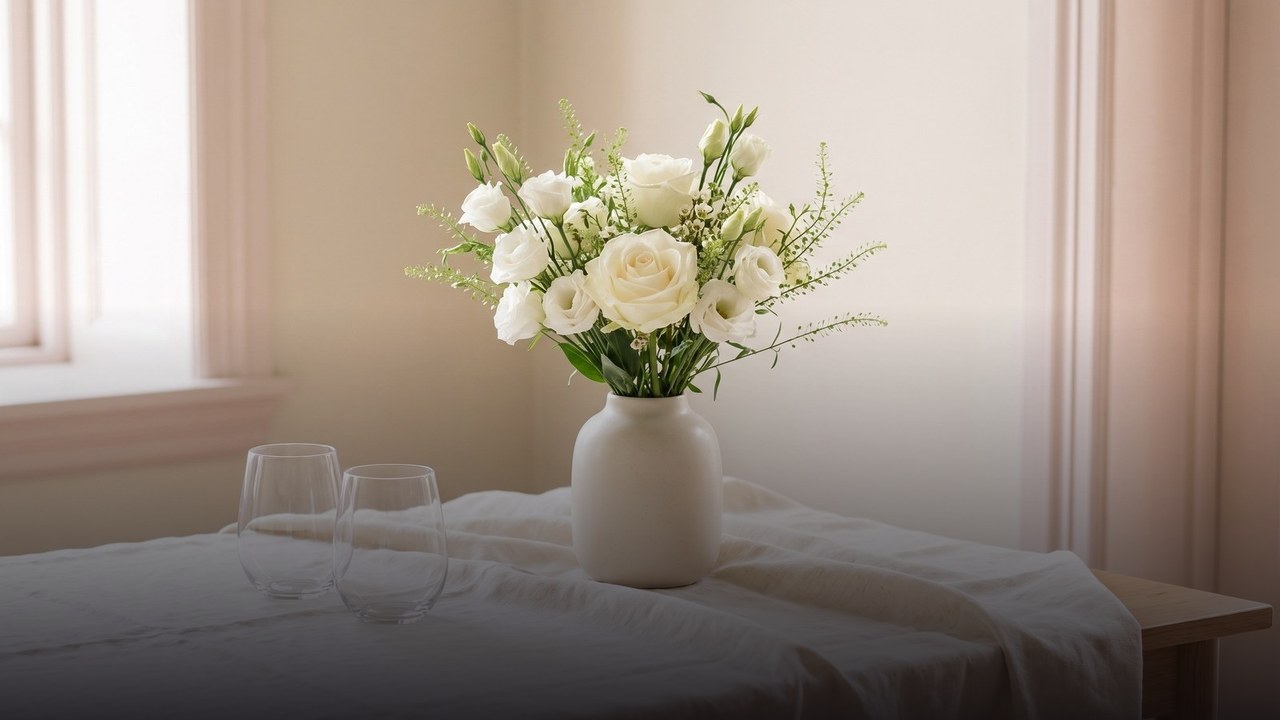
Aspirin is not a reliable substitute for flower food, so we do not recommend adding it to a vase of cut roses. Although aspirin can affect water acidity, a crushed tablet does not provide a balanced flower preservative, and its effect depends on the formulation and the water. Your most useful first steps are a clean vase, freshly cut stems and correctly mixed flower food.
If you have seen advice to drop a tablet into every bouquet, it is understandable to wonder whether you are missing an easy trick. With roses, however, water uptake and hygiene deserve more attention than a medicine-cabinet additive. This guide covers cut roses in a vase; advice about aspirin sprays or treatments for living rose bushes is a separate gardening question.
Why people suggest aspirin for roses
Aspirin contains acetylsalicylic acid, which is why the tip is often explained as a way to acidify vase water. Water chemistry does matter to cut flowers, but making water more acidic is only one part of caring for them. It does not follow that a household tablet, added without knowing the starting water conditions, will help your particular bouquet.
A formulated cut-flower food generally combines a sugar source, an acidifying ingredient and ingredients that help control microbial growth. Aspirin does not supply that balanced combination. Tablets can also contain binders, coatings or other ingredients, so treating every tablet as an interchangeable flower-care product is a poor basis for choosing a dose.
There is no dependable household rule such as one tablet per vase that we would recommend. Vases hold different amounts of water, tablet strengths vary, and rose condition matters too. If you have a packet of flower food, follow its dilution instructions. If you do not, use clean drinking water and maintain it carefully rather than improvising an aspirin mixture.
Set up your roses before adding anything to the water
Start by washing the vase thoroughly with detergent, rinsing away residue and checking the inside for slippery deposits. A quick rinse of a previously used vase can leave contamination behind. Choose a vase that supports the stems without cramming them tightly together, with enough room to keep the cut ends submerged as the roses drink.
Remove the wrapping needed to arrange the bouquet, then take off any leaves that would sit below the waterline. Keep healthy foliage above the water. Submerged leaves decay and make the water harder to keep clean; removing them is a more useful intervention than adding aspirin to compensate for a dirty vase. Avoid scraping or crushing the stems.
With clean, sharp secateurs or a suitable sharp knife, remove a small section from each stem end with a clean angled cut. Put the stems into prepared water promptly instead of leaving them on the counter while you arrange everything else. If you need help planning their care over the following days, see our guide to rose vase life.
Bouquets we can deliver




Use flower food correctly, or keep plain water clean
Measure the water before mixing flower food, and use the amount specified on the packet. A large vase does not necessarily contain as much water as you think, especially once stems are in it. Adding extra powder is not a way to strengthen the treatment: the intended concentration matters, and an overly concentrated solution can be unhelpful.
If you have no flower food, plain clean water is a practical fallback. Do not add sugar on its own, or combine aspirin with bleach, vinegar, lemon juice or other household products. Sugar without suitable microbial control can encourage growth in the vase, and improvised mixtures introduce uncertainty about both concentration and compatibility.
Check the water level every day, especially soon after arranging the bouquet, and keep all cut ends submerged. Replace water that becomes cloudy or develops an unpleasant smell, washing the vase before refilling it. With plain water, daily replacement is a sensible routine; with flower food, follow the product's directions for replacing the solution and mixing a fresh batch.
Where you put the vase matters
Place your roses in a cool part of the room, away from direct sun, radiators and other heat sources. Avoid spots where a heater or air-conditioning vent blows directly across the flowers. A sunny windowsill may look attractive, but the changing heat and increased water loss can work against the careful preparation you have just done.
Keep the bouquet away from ripening fruit. Fruit can release ethylene, a gas that can hasten ageing in sensitive cut flowers, although sensitivity varies between varieties. You do not need a complicated storage setup: a clean table away from the fruit bowl, cooking heat and strong draughts is a useful starting point.
Look at the flowers as well as the water each day. Remove fallen leaves and petals from the vase, and take out stems that are deteriorating so you can maintain the rest of the arrangement. Some outer rose petals are naturally less tidy than the centre; remove damaged ones gently if needed, without repeatedly handling or stripping healthy petals.
If rose heads droop, check water uptake first
A bent neck is the droop just below a rose head, and it can be associated with poor water uptake. Aspirin is not a dependable rescue treatment for it. First check whether the vase ran low, whether the stem ends are submerged and whether leaves or cloudy water are making the arrangement difficult to keep clean.
For a rose that has started to droop, wash the vase, prepare fresh water or correctly diluted flower food, and recut the stem with a clean, sharp tool. Return it to water promptly and leave it in a cool position while you observe it. Keep the bloom above the water; routinely soaking flower heads can leave moisture trapped between the petals.
Recovery depends on the cause and the condition of the stem, so a fresh cut cannot guarantee that every rose will stand upright again. Avoid repeatedly adding different remedies while waiting for a change. Our guide to roses with bent necks gives more focused care advice, but flowers showing advanced deterioration may not recover.
Sending roses to someone in Russia
If you are choosing roses for someone in Russia, a short care message can be useful alongside your personal greeting: use a clean vase, recut the stems and follow any flower-food instructions. You can choose from our bouquets catalogue. Turboflora delivers flowers across Russia; city delivery costs 500 RUB, while the operator confirms the price for remote districts and suburbs when confirming the order.
Express delivery in large cities is available in 1–2 hours after the order is confirmed. You can also arrange an exact time with a tolerance of plus or minus 30 minutes, choose a window of 09–12, 12–15, 15–18 or 18–21, or pre-order 1–30 days ahead. Contact a manager on WhatsApp for help choosing a bouquet, agreeing the address, timing and card text, or arranging a photo of the bouquet before delivery.
Delivery is anonymous by default: the courier does not name the sender, and a card with your text is free. Sign the message if you want the recipient to know who sent the roses. The courier calls about 15 minutes before arrival; if the recipient is absent, we agree a second delivery that day or a handover to a neighbour or concierge with your consent. Online checkout uses CloudPayments; check the options displayed there for your card. We deliver bouquets across Russia in 1–2 hours.
Frequently asked questions
Does aspirin make cut roses last longer?
Aspirin is not a reliable way to extend the life of a household bouquet. Use correctly diluted cut-flower food when available, and give priority to a clean vase, submerged stem ends and regular water checks.
How much aspirin should I put in a vase of roses?
We do not recommend a household aspirin dose for roses. Tablet formulations, water volume and water chemistry vary, so a rule such as one tablet per vase is not dependable.
What should I do if I already added aspirin?
You do not need to assume the roses are ruined. Empty and wash the vase, then refill it with clean water or flower food mixed according to its instructions, keeping leaves below the waterline removed.
Is sugar better than aspirin for roses?
Neither is a good standalone substitute for formulated flower food. Sugar can feed microbial growth as well as supply energy to flowers, so use a balanced product as directed or maintain clean plain water.
Can I order roses to Russia from abroad?
You can order flowers for delivery across Russia and contact our manager to agree the delivery details. Online payment uses CloudPayments; check the options displayed at checkout, as acceptance of every foreign card is not guaranteed.
Ready to send flowers?
Pick the city, choose the bouquet, and a local florist takes it from there.
Choose a city →