Bacteria on a Bouquet of Flowers: Risks and Practical Care
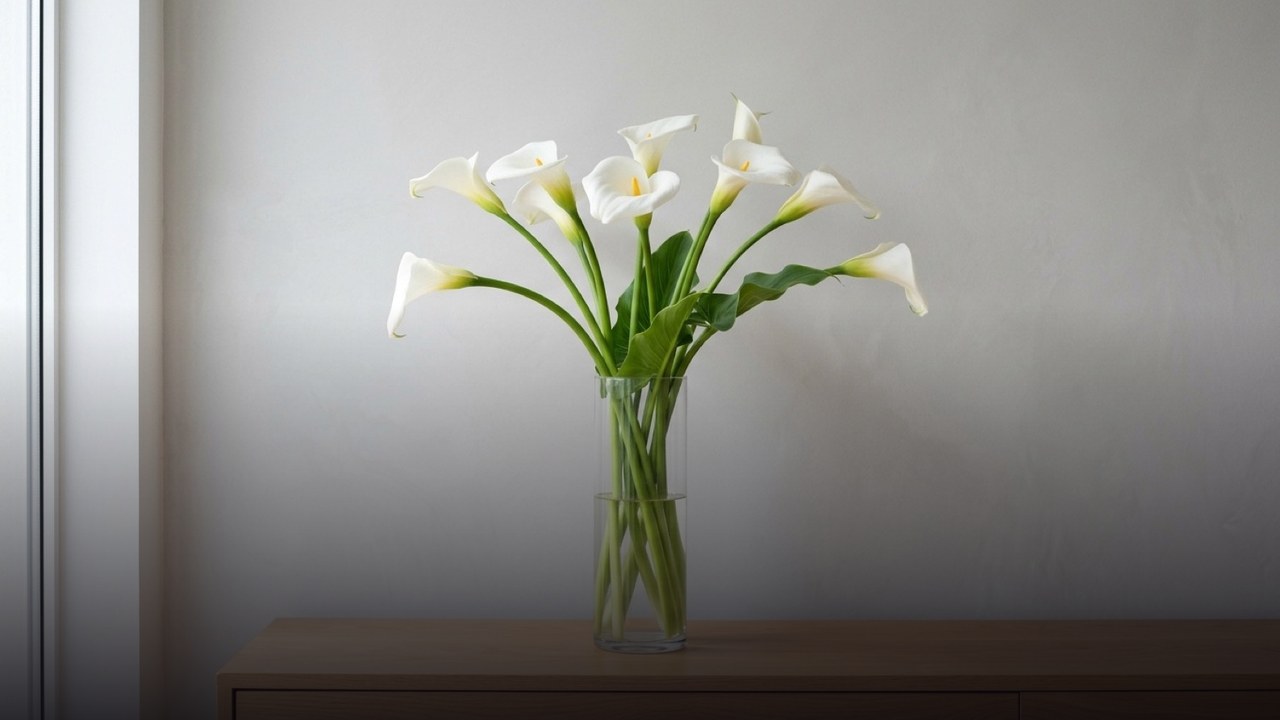
Bacteria found on a bouquet of flowers may come from soil, water, handling or the vase itself; their presence alone does not establish a health risk. You cannot identify bacteria or judge their safety by looking at the flowers. For an ordinary household bouquet, the practical response is clean handling, fresh vase water and keeping flowers away from food preparation.
A bouquet is not sterile, and neither is the container you put it in. That does not mean you need to disinfect every petal or throw away healthy flowers. What matters is distinguishing routine flower care from a specific contamination concern: cloudy water calls for cleaning, while a laboratory result or a recipient with particular medical needs calls for advice suited to that situation.
What bacteria on flowers actually means
Cut flowers have passed through growing, cutting and handling before reaching a vase. Microorganisms can be present on stems and leaves, and water provides a place for some of them to multiply. Plant material left below the waterline also breaks down, adding debris that makes the vase harder to keep clean.
There is no single bacterium that can be assumed to explain every contaminated bouquet. Identifying an organism requires appropriate testing, and interpreting a result depends on where the sample came from: a petal, a stem and several days of vase water are different samples. A name on a test report is not, by itself, a complete assessment of someone's exposure or health risk.
If you found this topic through an alarming headline, check whether it describes one tested bouquet, a particular setting or a broader investigation. Findings from a specific sample cannot tell you what is on the flowers in your home. Without testing, concentrate on sensible hygiene rather than trying to diagnose contamination from a photograph.
Cloudy water, slippery stems and other warning signs
Cloudiness, an unpleasant smell and a slippery coating on submerged stems are reasons to change the water and clean the vase. They can accompany microbial growth and decaying plant material, but they do not identify a particular bacterium. Clear water is not proof of sterility either, so use a regular care routine instead of waiting for a strong smell.
Check the bouquet daily. Remove fallen petals, loose leaves and stems that have become soft or are visibly rotting. A single deteriorating stem is worth removing promptly because it adds decomposing material to shared water. Wilting alone has several possible causes, including water stress and ageing, so it is not a reliable sign of dangerous bacteria.
Fuzzy patches are more consistent with mould than with bacteria you could identify by sight. Remove affected material without shaking it over a table or worktop, and wash your hands afterwards. If decay is widespread or the bouquet has developed a persistent unpleasant smell, discard it and clean the container before putting fresh flowers in it.
Bouquets we can deliver




A straightforward vase-cleaning and flower-care routine
Start with a vase washed in warm water and washing-up liquid. Scrub the inside, base and rim with a brush that reaches the corners, then rinse thoroughly. Topping up an old vase without removing its residue leaves the next bouquet in contact with the previous arrangement's debris. Clean any bucket or jug used to hold the stems as well.
Before arranging, remove leaves that would sit below the waterline. Use a clean, sharp cutting tool to recut the stem ends, then place the flowers in fresh water. Handle blades carefully and clean them after use. Keep the arrangement away from direct heat and strong sun, which can increase water loss and shorten its useful life.
Check the water level each day and replace the water regularly, sooner if it becomes cloudy or smells unpleasant. When changing it, rinse the stems and wash away residue inside the vase. If flower food is supplied, follow its packet instructions and dilution; it does not replace cleaning. Avoid improvised mixtures of sugar, household cleaners or disinfectants.
Protect people, food and pets without treating petals
Wash your hands after handling used vase water, decaying stems or dirty containers, and before preparing food. Keep cuts covered while arranging flowers. Empty old water carefully to avoid splashes, then rinse and clean the sink area. Do not leave a vase where a child might mistake its contents for drinking water or pull the arrangement down.
Keep bouquets and their water away from uncovered food, chopping boards and kitchen utensils. Decorative flowers should not be used as edible garnishes unless they were specifically supplied as suitable for eating. Bacterial contamination is only one consideration: a flower intended for display has not necessarily been grown or handled for food use.
Do not spray petals with household disinfectant or add hand sanitiser to vase water. Such products are not flower treatments and may damage the arrangement or create unwanted exposure. With pets, check the safety of the actual flower varieties before bringing a bouquet home; some plants are toxic, which is a separate issue from bacteria in the water.
When a recipient needs extra precautions
For someone receiving care in a hospital or living with a severely weakened immune system, ask their care team whether cut flowers and standing water are appropriate. Policies and individual advice can differ. Check before arranging a gift: a bouquet that cannot be kept in the recipient's room creates an avoidable problem, however thoughtful the intention.
If a test has identified a potentially harmful organism, keep the report and ask a healthcare professional how its findings apply to the person concerned. Explain what was sampled and whether anyone had direct contact with the water. If someone feels unwell after a possible exposure, seek medical advice rather than assuming either that the flowers caused it or that they are irrelevant.
For a recipient who simply prefers less handling, ask whether they are comfortable trimming stems and changing water. You can include a brief care note with your greeting, but avoid describing the bouquet as sterile or bacteria-free. Thoughtful flower etiquette means choosing a gift that suits the person's space, preferences and ability to look after it.
Sending flowers to Russia with practical details agreed
If you are abroad and sending flowers to someone in Russia, start with our bouquets catalogue and consider where the recipient will keep the arrangement. Turboflora delivers flowers across Russia. You can contact a manager on WhatsApp for help choosing a bouquet and agreeing the address, delivery time and card text, and to arrange a photo before delivery.
City delivery costs 500 RUB; for remote districts and suburbs, the operator confirms the price when confirming the order. In large cities, express delivery is available in 1–2 hours after order confirmation. Other options are an exact time within ±30 minutes, the windows 09–12, 12–15, 15–18 or 18–21, or pre-ordering 1–30 days ahead. See delivery and payment when planning your gift.
Delivery is anonymous by default, so the courier does not name the sender; a card with your text is free. Include your name in the message if you want the recipient to recognise the gift. The courier calls about 15 minutes before arrival. If the recipient is absent, we agree a second delivery that day or handover to a neighbour or concierge with the sender's consent. Checkout uses CloudPayments; check the payment options displayed there, as acceptance of every foreign card is not guaranteed.
Frequently asked questions
Does finding bacteria on a bouquet mean it is dangerous?
No: the presence of bacteria alone does not establish a health risk. The organism, circumstances of contact and recipient's health all matter; a specific test result needs interpretation in context.
Can I tell which bacteria are in flower water by its smell?
No, smell and cloudiness cannot identify a bacterial species. They are practical signals to replace the water, remove decaying material and clean the vase.
Should I disinfect a bouquet before giving it to someone?
Do not apply household disinfectant to petals or stems. Use a clean container and clean tools, and check with the care team first if the recipient has medical restrictions concerning flowers.
Is flower food enough to keep the vase clean?
Flower food does not remove old leaves, decaying stems or residue from the container. Follow the packet instructions while continuing to check the bouquet, replace water and clean the vase.
Can I arrange flower delivery to Russia while living abroad?
You can choose a bouquet online and contact our manager on WhatsApp to agree delivery details. Payment is through CloudPayments at checkout; check the displayed options for your card.
Ready to send flowers?
Pick the city, choose the bouquet, and a local florist takes it from there.
Choose a city →